
The Carotel carrot is considered a highly popular variety in our country. Few people know that it originates from French breeders. This classic variety boasts high sugar content, excellent flavor, vibrant color, and exceptional yields. Carotel roots are resistant to bolting and excessive flowering.

Characteristics and description of the carrot variety Karotel
Carotel is a carrot variety suitable for cooking. The roots are distinguished by their rich orange hue, high carotene content, and sweet flavor.
A major advantage of this variety is that the carrots are completely buried in the ground, which simplifies the harvesting process – the vegetable is simply pulled out of the soil.
Origin
In the 1970s, plant breeders in France introduced this carrot variety to the world, improving its qualities. Several modifications were subsequently developed using Carotel as a base.
Although it is not officially registered in our State Register, it has found its application and gained popularity among consumers, farmers, and private landowners in Russia.
Appearance, taste
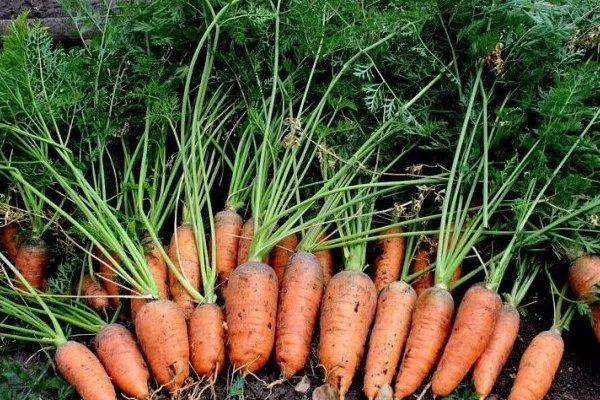
French carrots are a vegetable that forms a dense rosette of leaves slightly offset from the center. They are characterized by their moderate size, complex pinnate structure, and deep green color. A distinctive feature of the carrot is its distinctive, somewhat unusual foliage scent.
Other varietal characteristics that make it easy to recognize Carotel:
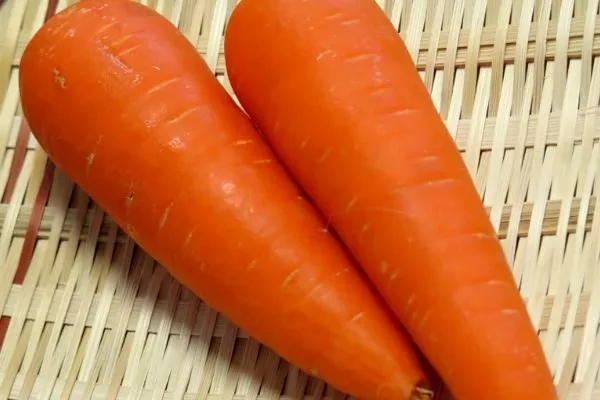
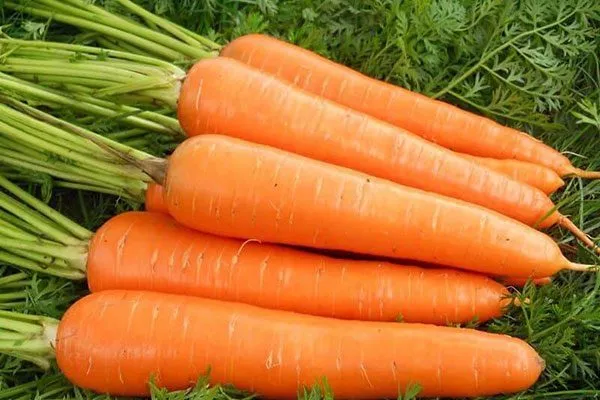
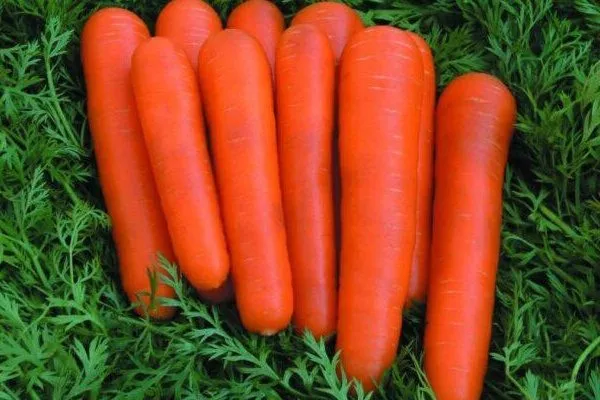
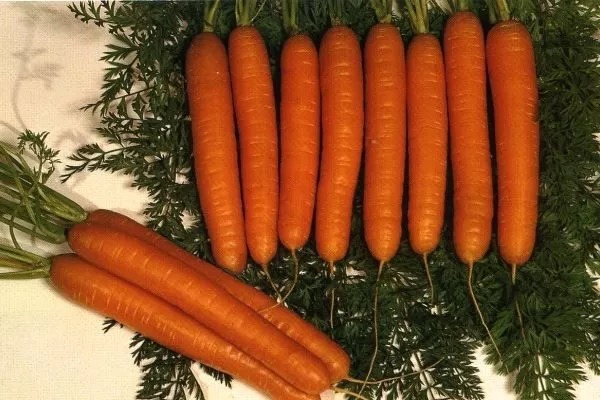
- Vegetables are distinguished by their strict and neat shape. It can be either conical or cylindrical, but always with a blunt tip.
- The weight of the root crop varies from 80 to 150-160 g.
- The length of carrots can be from 9 to 15 cm, while the width does not exceed 2-3 cm.
- Mature carrots are a uniformly orange-colored vegetable.
- The bark of the root vegetable is thin, smooth and shiny, and also contains several thread-like roots.
- The carrot flesh has a crisp, tender and very juicy taste, devoid of fibrousness.
- The core is very refined.
- Carrots have a distinctive sweetness that blends harmoniously with their vibrant aroma. The flesh of the root vegetable contains a large amount of carotene and sugar.
Usefulness and composition
Carrots are a direct source of beta-carotene (10-13%), sugars (6-8%), and contain vitamins K, PP, E, C, group B, minerals: phosphorus, sodium, zinc, potassium, iron, magnesium, calcium, iodine and fluorine.
Consuming Carotene helps remove toxic deposits from the body, has a beneficial effect on the gastrointestinal tract, strengthens the immune system, and has a positive effect on the skin, cardiovascular system, vision, and kidney and liver function.
Features of application
This variety is widely used in cooking: it's ideal for hot and cold dishes, pickling, freezing, and canning vegetables. It's also popular for making juice and puree for children.
When ripe, the yield
The Karotel variety is classified as a mid-early crop. The period from the first shoots to full ripening and harvesting takes 100 to 110 days. Despite these average figures, the period varies depending on the climate zone: in the south, the vegetables can be harvested after 90 days, and in very cool conditions, after 120 days.
This variety has a high yield, but it depends largely on weather conditions. On average, 1 square meter of planting yields 2 to 4.5 kg of carrots. Under ideal conditions, the same area can yield 5.5 to 8 kg of vegetables.
Disease resistance
Despite Carotel's impressive immunity, carrots are susceptible to diseases, such as phoma, brown spot, rot, and alternaria. Pests to watch out for include psyllids and carrot flies.
There are several reasons for this: close proximity to infected plants, unfavorable weather, and violation of agricultural practices.
Which regions is it suitable for?
The Carotel variety is highly stress-resistant, allowing it to easily survive minor temperature changes, short-term cold spells, and periods when the plant does not receive sufficient sunlight.
Carrots are suitable for cultivation in various regions of Russia. However, this variety produces its highest yields in areas with cool climates.
Similar varieties
This variety has a half-century history, but today it's difficult to find in stores, as breeding advances are underway. Numerous hybrids and varieties identical to the Carotelli have replaced this carrot. The most notable examples of these similar varieties are:
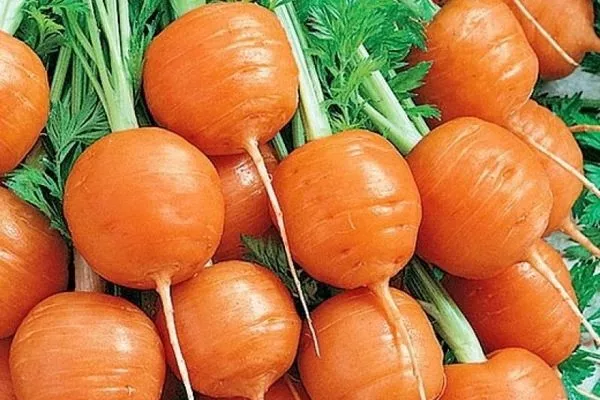
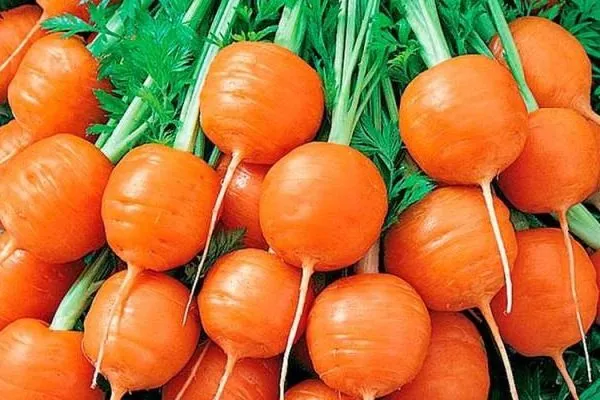
- Parisian Carotel – is one of the earliest varieties. This variety matures in just 75-85 days and is distinguished by its rich aroma and sweet flavor. It thrives particularly well in dense soil and is suitable for fresh consumption, freezing, and canning. However, its drawback is its low yield.

- Polar cranberry cultivar type – Ripens in 55-60 days and prefers the northern regions of Russia, where summers are short. Moreover, this variety is considered one of the best for growing in cold climates. The roots don't have a long shelf life, so they are recommended for eating, canning, or freezing.
- Carrot Alyonka – Alenka is a new carrot variety from the Karotel series. It differs from other varieties in its resistance to various diseases and lack of tendency to crack. The roots are cylindrical and approximately 13-15 cm long. Alenka matures in just 80-85 days.
But to obtain a good harvest, the most careful care is required, otherwise the result will not live up to expectations.
- Karotel select – This Dutch carrot variety is noted for its exceptional flexibility. The roots reach 12-14 cm in length and boast a rich, vibrant orange color. Carotel Select is ideal for cooking and canning.
The only problem is the need for high-quality soil and special conditions for ripening – the variety does not grow well in heavy soils.
- Children's sweetness - This is a carrot variety with similar yield and almost identical performance to the Punisher in question.
- Queen of Autumn – a carrot variety with an appearance similar to Alenka and with the same ripening time.
The main advantages and disadvantages of the variety
The Carotel carrot is admired by gardening enthusiasts for its superior qualities. It's also loved by consumers. The following positive characteristics stand out:
There are no negative qualities or sides to this variety.
Features of planting and growing
This carrot variety doesn't require any special growing conditions. Planting can begin in either spring or fall. It's important to strictly follow generally accepted recommendations for seed preparation, crop rotation, and selecting a suitable site.
Preparing for landing
To stimulate the germination process, the seeds are placed in the refrigerator for 10-12 days, after which they are soaked in warm water for several hours and carefully dried.
Soil preparation begins in the fall:
- it is cleared of plant residues;
- is being dug up;
- enriched with complex mineral fertilizers.
Soil requirements
Prepare the soil so that it is light, nutrient-rich, allows for free water and air circulation, and is slightly or neutrally acidic. Sandy loams and loamy soils are ideal.
Predecessors
For successful cultivation of French carrots, the following crops are preferred: cabbage, potatoes, zucchini, green manure, herbs, and cucumbers. It is not recommended to sow after other types of carrots, parsley, and beans.
Planting times and rules
The best time to sow Carotel carrots is in the spring, when temperatures are consistently between 15 and 18 degrees Celsius, which typically occurs in April. However, since this variety is distinguished by its excellent frost resistance, it can also be planted in the fall, around October, but before frost sets in.
The landing scheme is standard:
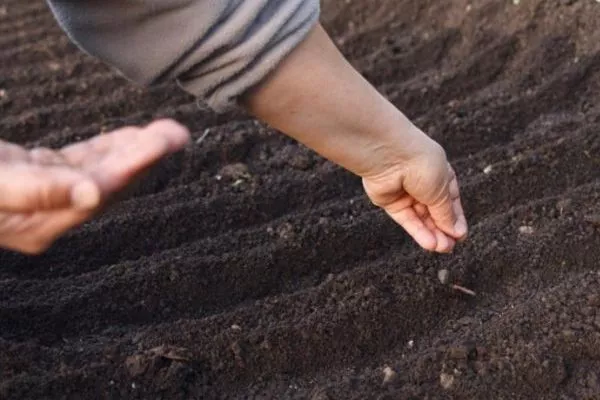
- On the prepared area, form trench beds with an interval of 25-35 cm between them.
- Place the seeds in furrows every 2-4 cm, deepening them by 5-10 mm.
- Sprinkle with fertile soil and compact it very lightly.
- Mist with a watering can fitted with a fine-mesh spray.
- Cover the plantings with polyethylene or non-woven material to create a greenhouse effect, which will promote faster germination of the seeds.
Features of cultivation
Key aspects of growing Carotel carrots that are important to adhere to:
- Before planting carrots, it is preferable to find a location where they will receive the maximum amount of sunlight for most of the day.
- Avoid planting carrots in low-lying areas where melt and groundwater may accumulate, which can lead to root rot.
- After planting, open the plastic cover daily for a few minutes to allow the seedlings to receive the oxygen they need.
Care nuances
Caring for Carotel is easy, as evidenced by numerous reviews from gardeners and expert opinions. The key is to consider the vegetable's varietal requirements.
Watering mode
Optimal soil moisture is a key factor for caring for plantings:
- At the first signs of the topsoil drying out, watering becomes necessary. On average, this occurs every 7-12 days.
- The amount of water needed for watering each plant is individual and depends on its age, but always ensure that the soil is moistened to a depth of 25-35 cm.
- Maintain consistency in watering: both insufficient watering and excessively frequent and abundant watering can lead to negative consequences.

Thinning and weed control
Once seedlings have emerged, space them out so that there is 2-4 cm of space between each plant. As weeds germinate, they absorb essential nutrients and moisture from the soil, thereby hindering the carrots' development.
Top dressing
To ensure healthy carrot growth, only two fertilizers are applied during the season:
- First Apply 20-30 days after the seeds have awakened and sprouted.
- Second – two months after the first feeding. The following fertilizers are used:
- nitrophoska (1-1.5 tsp per 5 liters of water);
- wood dust (1-2 tablespoons per 10 liters of water);
- a solution consisting of 20-25 g of potassium nitrate, 15-20 g of urea and the same amount of double superphosphate - per 10 liters of water.
Pest and disease control
Despite carrots' natural immune defenses against many diseases, preventative spraying with Bordeaux mixture or other antifungal agents is a good idea.
The most common pests affecting vegetables are carrot flies and leafhoppers. To prevent them, treat the plants with a solution made from tomato tops or garlic. If insects have already attacked, treat the crops with insecticides such as Inta-Virom or Actellic.
Harvesting and storage
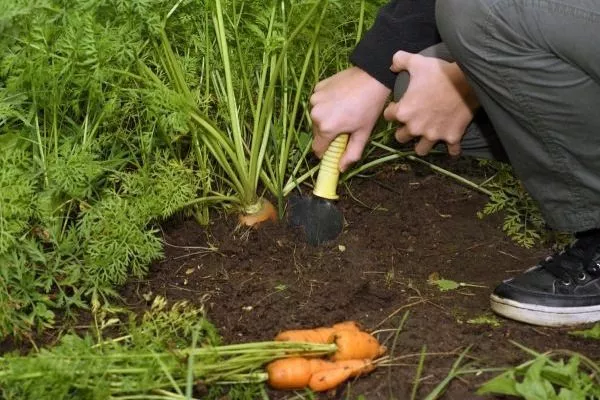
To determine when it's time to harvest, remove a few root vegetables from the garden bed. If they are the correct size for the variety and have acquired a characteristic reddish-orange hue, the vegetables are ready to be harvested.
How and when to collect?
Harvest the crop in good weather. You can dig carrots with a pitchfork or shovel, but it's best to carefully remove them from the soil, holding the plant by the tops.
Storage features and shelf life of the variety
After harvesting, clean the roots of any remaining soil, trim off the tops, and dry them in the sun or partial shade for 10-12 hours. For long-term storage, store carrots in a cool place with a temperature of 0 to 2 degrees Celsius and a humidity of 90-95%. In these conditions, the vegetables retain their flavor and nutritional properties throughout the winter.
What difficulties might arise when growing?
The key challenges faced by agricultural producers when growing this crop are:
- the tops of vegetables turning bronze are signs of an attack by carrot flies;
- drying out and death of young seedlings is a consequence of the influence of leafhoppers;
- Softening and rotting of plants is the result of excess moisture.
Tips from experienced gardeners
Gardening experts are happy to share their observations and experiences with beginners. Please consider the following recommendations:
- Grow seeds under specific conditions, which can be achieved by using a protective covering. The minimum temperature for germination is 4 to 6 degrees Celsius, while the optimum temperature ranges from 18 to 25 degrees Celsius.
- Make small holes in the soil a day after each watering to prevent the formation of a dry crust on the surface and to increase the humidity and aeration of the substrate.
Reviews of the Carotel carrot variety
Karotel is a carrot variety distinguished by a number of advantages and a lack of critical shortcomings. This variety is distinguished by its versatility, pleasant flavor, high commercial quality, and long shelf life. These properties make it ideal for growing both for home consumption and for sale.