
Karamelka is an excellent carrot variety that allows you to grow productive and delicious root vegetables in your garden. This variety is distinguished by its disease resistance and excellent shelf life, making it suitable for both home consumption and winter storage. Proper care is essential.
Introduction to the variety
Karamelka is a product of domestic breeding. Its main advantages include the exceptionally sweet taste of its roots and excellent varietal characteristics.
Breeding history
Named for its sweet fruit, it is the result of the efforts of several Russian specialists. It received official recognition in 2010.
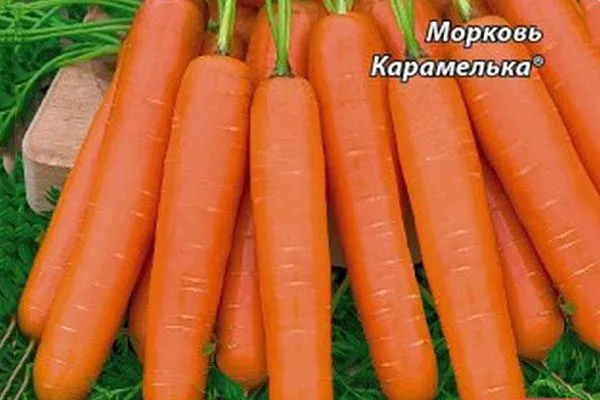
Appearance of the plant and root crops
A plant with a vigorous, spreading rosette. Distinguishing characteristics of the plant:
- Cultivar type – Flake.
- Leaves - Medium-length, 15-20 cm, neat, with small and large dissections, uniform emerald green in color. Sometimes they can bend and trail due to their weight.
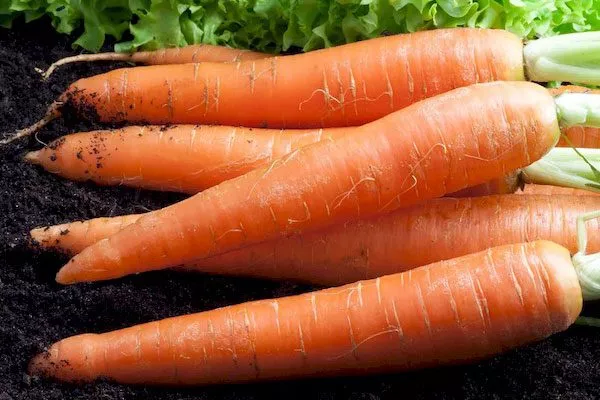
- Root vegetables – neat and even, weighing from 95 to 175 g and 15-16 cm long.
- Form - conical with a rounded or blunt end.
- Peel – Thin, smooth, with a distinct shine and minimal thread roots, it's bright orange in color.
Purpose and taste characteristics
It's a versatile variety: the fruits are eaten fresh, used in a variety of dishes, and frozen. The juicy, tender flesh has a sweet flavor and rich aroma.
When ripe, the yield
The period from germination to harvesting the first batch of vegetables is 100-120 days, which is within the average ripening time. Karamelka is a high-yielding variety – 236 to 367 centners per hectare can be harvested per season, equivalent to 2.5-4 kg per square meter.
Caramel seeds germination
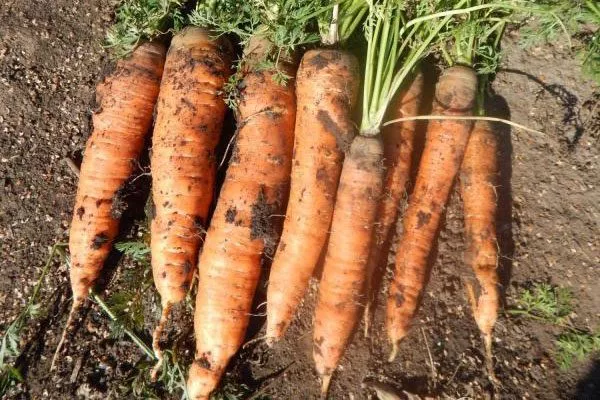
The rate is high. Seedlings appear on average two weeks after sowing, but germination speed depends on temperature, soil composition, and light. With higher rates and sunny, hot weather, seedlings may appear even earlier.
Climate and growing regions
The crop is adapted to growing in a variety of climates. It thrives in temperate climates with cool nights and warm days.
It is successfully grown in most regions of Russia, including the central, northwestern, and southern regions. It is even cultivated in some regions of Siberia and the Urals, where stable summer temperatures and sufficient sunny days are possible.
For best growth, choose sunny sites with fertile, loose soil that retains moisture well. It exhibits tolerance to a variety of adverse conditions, making it suitable for a variety of climates.
Which manufacturers produce Karamelka carrot seeds?
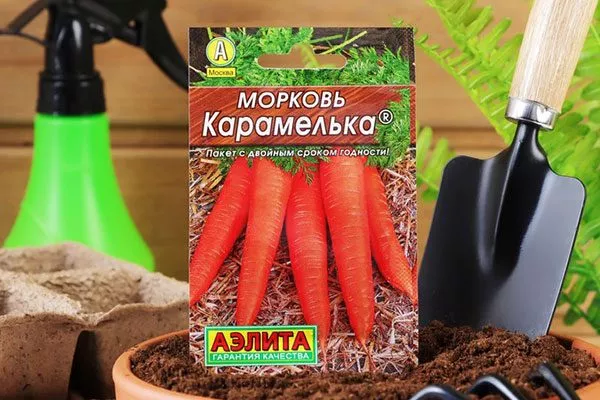
Seeds are produced exclusively by Moscow-based AGROFIRM Aelita. Purchasing from other producers carries the risk of receiving low-quality planting material that won't meet the varietal specifications. When purchasing, pay attention to the manufacturer.
Pros and cons of the variety
Before planting a crop, carefully examine its positive and negative qualities. This variety has the following advantages:
- excellent taste;
- rapid ripening of fruits;
- excellent shelf life;
- resistance to diseases.
Among the disadvantages, gardeners note the demanding nature of the soil composition.
Tips for growing the variety
Cultivating this crop is relatively straightforward. If you follow all the proper agricultural practices, you won't encounter any difficulties:
- Sow seeds directly into the ground from April 20 to May 10.
- For successful growing, choose a site with sandy loam soil. If the soil is heavy, improve it by adding sand and peat.
- Optimal predecessors are onions, cucumbers and potatoes.
- ✓ Soil pH should be between 6.0-6.8 to ensure optimal nutrient absorption.
- ✓ The soil must be well-drained to avoid water stagnation and root rot.
Features of sowing
Leave 20 cm between rows and 4 cm between plants. Form furrows 1.5-2 cm deep and water them thoroughly before sowing.
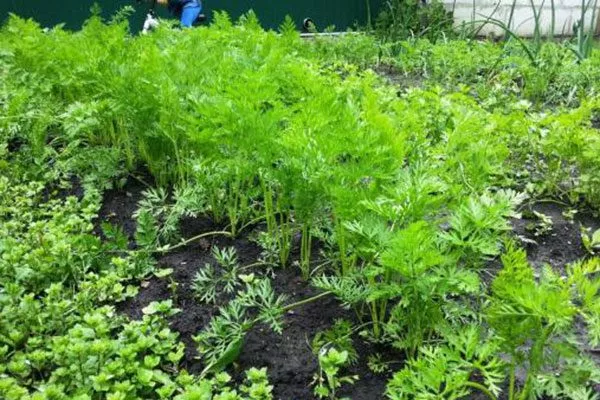
To ensure even distribution, mix the seedlings with sand. To speed up germination, cover the beds with plastic sheeting for the first few weeks.
Care instructions
By following proper care, you can achieve bountiful harvests and high-quality root vegetables. Standard cultivation techniques include fertilizing, watering, loosening, thinning, and weeding.
Watering
The plant prefers moderately moist soil, and monitor its condition throughout the growing season. Avoid allowing the soil to dry out during seed germination.
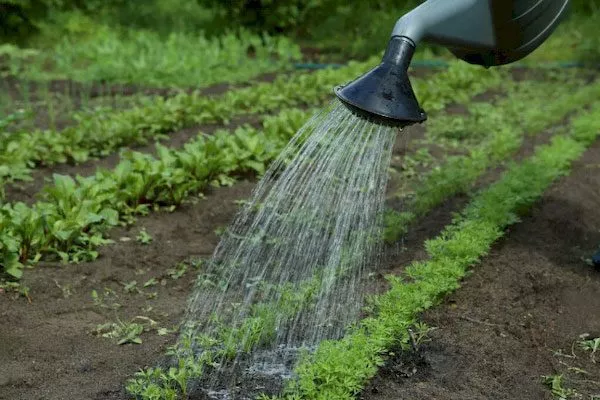
Water the plants as the soil dries out, but avoid overwatering, as this can cause the vegetables to crack and rot.
Top dressing
Fertilize twice per season: 10 days after sprouts emerge and 2 weeks after applying the first fertilizer. Use the following ingredients to prepare the fertilizer:
- potassium nitrate – 20 g;
- Superphosphate – 15 g;
- urea – 15 g.
Thinning
Repeat this procedure at least three times to ensure the roots develop fully. Leave at least 5 cm of space between plants. Inspect them first and remove the weakest and most unviable plants.
Loosening and weeding
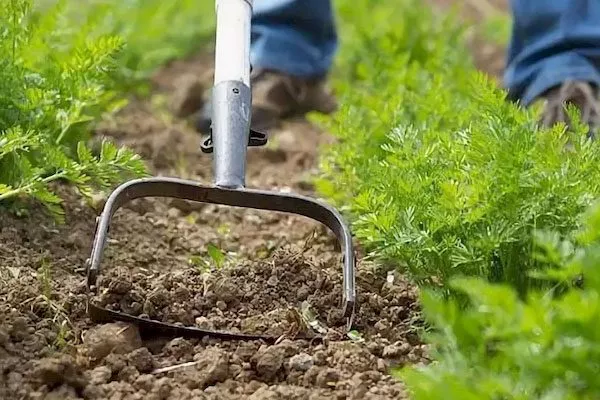
Maintaining loose soil and controlling weeds are important when growing carrots. Loosen the soil throughout the growing season until harvest. Remove weeds by the roots and trim off the tops.
Diseases and pests
The crop has a strong immune system, and gardeners rarely encounter disease problems with proper care. Therefore, preventative pesticide treatments are not required.
| Disease | Caramel's Stability | Preventive measures |
|---|---|---|
| Fomoz | Average | Treatment with 1% Bordeaux mixture at the first signs |
| Alternaria | High | Crop rotation and removal of affected plants |
However, if agricultural practices are not followed, diseases such as phoma and early blight may occur. Apply a 1% Bordeaux mixture, which effectively controls these diseases.
Harvesting and storing carrots
Harvest carrots in dry, cloudless weather to avoid picking immature roots. Make sure the soil is not wet. Medium-sized carrots store best and retain their marketable quality and flavor. So, sort them by size before storing.
Store the carrots in wooden crates, cardboard boxes, or nets. The room temperature should be around 0°C. Check the vegetables periodically and remove any that have rotted or are damaged. Use the smaller carrots first, as larger ones will keep longer but may dry out over time.
The most successful analogues
Each variety has similar characteristics. The table shows the following varieties:
| Variety | Maturation | Shape and weight | Taste | Keeping quality |
| Caramel | 100-120 days before harvest | Conical, weight 95-175 g, length 15-16 cm | Sweet, juicy, bright orange | Stores well, up to 4 months under the right conditions |
| Carotel | 100 days from the moment of emergence of sprouts | Conical, weight 80 g, length 10-15 cm | Juicy, sweet | Excellent, retains quality for up to 4 months |
| Red caramel | Technical maturity – 100 days | Cylindrical, weight up to 150 g, length about 15 cm | Sweet, juicy, without bitterness | Stores all winter under the right conditions |
| Orange friend | First fruits in 60 days | Cylindrical, weight up to 120 g, length 20 cm | Sweet, high in carotene | Long-term storage – until the next harvest |
Gardeners' reviews of the Karamelka carrot variety
The Karamelka carrot has gained popularity among gardeners across Russia. This early-ripening variety boasts high productivity and excellent flavor. The fruits are large and uniform, juicy, and versatile. With proper care, you can grow plants with strong immunity and reap bountiful harvests.