
"Canada" is one of the best carrot varieties, widely grown by gardeners in our country. This variety combines excellent flavor, high yield, and quick adaptability to any climate. Let's learn how to properly plant this carrot, how to grow it, and how to preserve the harvest.
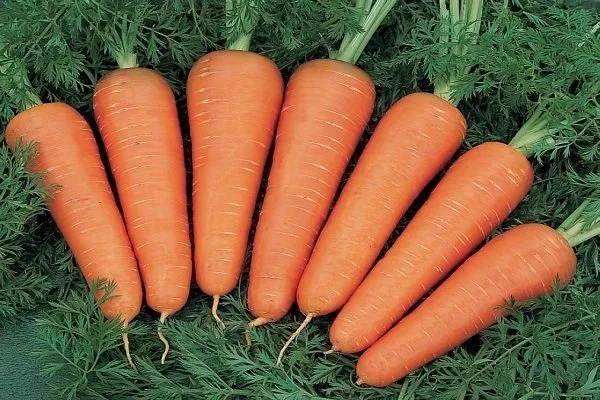
Canada Carrots

Carrot seeds Canada
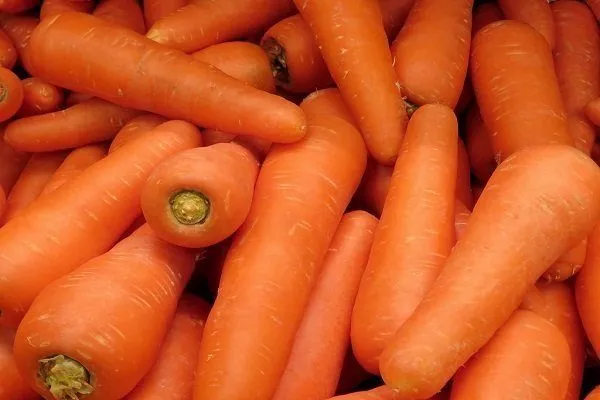
The Canada carrot variety has a good yield.
The history of carrots
The variety's origin is Holland. It is a hybrid, with Shantane and Flakke as its parents. From the latter, "Canada" inherited its large root size and excellent shelf life, while the former gave it a high sugar content and beneficial micronutrients. This carrot was officially added to the state register in 2001.
Description of the variety
"Canada" is a mid-late-ripening hybrid variety characterized by good yields and excellent flavor. It is suitable for cultivation on heavy clay soils.
Roots
The carrots are a standard shape, shaped like an elongated cylinder with slightly rounded tips. The root is 5 cm in diameter and 20 cm in length. They weigh a large amount, averaging 0.1-0.2 kg, with some weighing up to 0.5 kg. The flesh is a rich orange, while the center is almost the same shade, but slightly darker.
The skin is orange, unbumped, and smooth to the touch. The plant's leaves are dark green, gathered in a semi-spreading, sturdy rosette.
Seeds
The seeds are small and have a poor germination rate, with a grain size of 1.7–2.0 mm. They're easy to find—they're available in every city across the country. Collecting the seeds yourself isn't possible, as the "Canada" carrot is a hybrid variety. Seeds from hybrid varieties don't retain the genetic properties of their parents, and the "Canada" carrot is no exception.
Advantages and disadvantages
The Canada variety, like other crops, has its pros and cons, which must be taken into account when choosing this plant.
Advantages of this variety:
- undemanding to care;
- has no particular preferences in the choice of soil;
- excellent taste of root vegetables;
- good shelf life under proper storage conditions;
- high yield;
- industrial volumes of crops can be harvested mechanically;
- high content of vitamins and minerals in root vegetables;
- resistance to many typical carrot diseases;
- the presence of a large amount of beta-carotene in root vegetables.
Disadvantages of this variety:
- negatively reacts to over-watering of the soil;
- takes a long time to germinate;
- affected by carrot fly;
- Seeds for sowing must be purchased annually, since Canada belongs to the hybrid varieties.
Ripening period
This variety belongs to the mid-late group. The roots reach full maturity within 3 months. This carrot grows extremely quickly. Even when planted late, "Canada" can outgrow early varieties in terms of germination. The roots of "Canada" carrots ripen almost simultaneously.
Productivity
Varieties such as 'Artek', 'Nanstkaya', and others are renowned for their high yields, but 'Kanada' is no less productive than its most productive counterparts. One square meter can yield between 5 and 8 kg of root vegetables. The yield depends on care, proper planting location, and other factors.
Landing features
Carrot seeds take a long time to germinate, so they need to be sown as early as possible. Avoid planting too densely; the ideal planting frequency is approximately 100 seeds per square meter.
Lighting and soil requirements
This carrot variety is light-neutral, so it can easily survive in low-light conditions. It grows in a variety of soils, but is best planted in slightly acidic sandy or light loamy soils.
The variety also produces good results on dense black soils, and can also be grown on clay soils, where other varieties of the crop do not grow at all.
You cannot plant "Canada" in freshly fertilized soil.
Optimal timing
As mentioned earlier, sowing should be done as early as possible. Ideally, this should be done in the last week of April or early May, but no later. Winter sowing should be done in mid-October to early November, when temperatures should have dropped to 5 degrees Celsius.
Selecting a location and preparing the soil
The "Canada" hybrid tolerates low light, so it can be planted anywhere in the garden, even in the darkest areas. As for soil preparation, it all depends on the type of soil you plan to plant carrots in. Light soil is best, as it yields the highest yields. Dig the soil beforehand, especially if it's heavy, and fertilize with mineral fertilizer.
Crop rotation rules
When growing any crop, crop rotation plays an important role. Carrots are best planted after cabbage, tomatoes, potatoes, lettuce, or onions. Avoid planting this variety after cilantro, celery, parsley, or caraway.
Sowing technology
Sowing carrots isn't particularly difficult, but there are certain requirements that must be met during planting. The seeds don't have a particularly high germination rate, but if they're placed in the soil without proper preparation, the germination period will be extended by another 1-2 weeks. Dry seeds shouldn't be planted, as they contain a large amount of beneficial oils that prevent water from reaching the embryo during irrigation.
Before planting, the seeds should be thoroughly washed and then soaked. For the soaking solution, use 1 liter of warm water and a small amount of a stimulating solution, such as "Effekton." This can be replaced with sodium humate or 1 tablespoon of wood ash.
- ✓ Use only warm water (not higher than 30°C) for soaking seeds to avoid damaging the embryo.
- ✓ The stimulating solution must be prepared strictly according to the instructions; exceeding the concentration may slow down germination.
Place the seed in a cloth bag in this solution. After 24 hours, remove it, rinse with water, wrap it in gauze, and refrigerate for 3 days to strengthen the immune system.
Before sowing, remove the bag and dry the seeds until they become free-flowing.
Carrot seed sowing algorithm:
- Moisten the soil and make small indentations in it with a hoe.
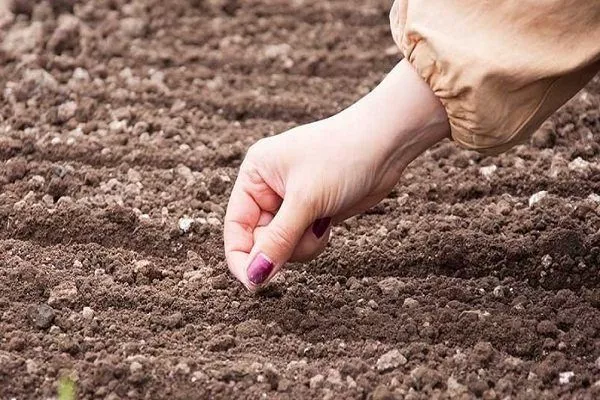
- Place the seed material into the holes to a depth of 15-20 mm.
- Sowing pattern: seeds 50 cm apart, furrows 20-30 cm.
- After sowing, carefully mulch the beds with peat.
- Before the first shoots emerge, cover the beds with covering material. Agrofibre is ideal.
Growing and caring for carrots
Despite the unique ability of the Canada carrot to adapt to any growing conditions, the plant still requires high-quality and regular care. This includes watering and loosening the soil, thinning the plantings, and fertilizing.
Watering
The "Canada" carrot is considered a resilient variety, so it tolerates changes in water volumes well. However, don't overwater, otherwise the roots will rot and there will be no harvest. Furthermore, frequent watering can negatively impact soil compaction, so water the seedlings only as needed.
Thinning
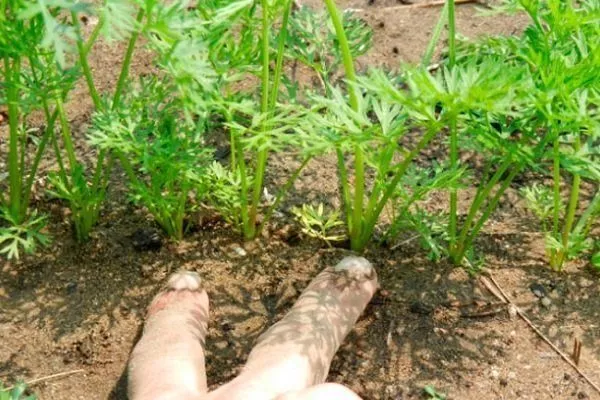
Thinning is a very labor-intensive process, so not every gardener enjoys it. Without thinning, carrots will grow small and not as juicy as they should be. Seedlings emerge 14-20 days after planting, so thinning should be done during this period. Remove weeds between the rows and loosen the soil to make it airy and light. This will help the carrots grow better and produce the largest possible harvest.
Fertilization
Never apply organic fertilizers between carrot rows; they will completely burn the sprouts. Opt for mineral fertilizers. Use wood ash, ammonium nitrate, or granular superphosphate.
Read about feeding carrots in next article.
Pest and disease control
The "Canada" variety is resistant to many common crop diseases, including Altenaria leaf spot, Cercospora leaf spot, and leaf rot. It is not fully resistant to carrot fly. The mole cricket, a large burrowing insect that is particularly dangerous to young root crops, can also cause damage.
If pests or diseases are detected, be sure to treat the plants with specialized chemicals or folk remedies. Carrots should be treated no later than one month before harvesting, otherwise the roots will become contaminated with toxins and become unfit for consumption.
Preventive measures:
- Sprinkle wood ash between the rows.
- Use products based on laundry soap or hot pepper infused in water.
- Use wormwood infusions to combat midges and carrot flies.
Carrot flies are very attracted to the scent of onions. To prevent mole crickets from appearing, bury crushed eggshells between rows. You can also add fish scales and other organic matter.
Harvesting
Harvesting should only be done on a sunny day; otherwise, the roots will not store well. First, in midsummer, during the second thinning, remove individual mature plants. Later, in late summer or early fall, harvest the entire crop.
Winter storage of Canada carrots
To ensure your carrot harvest lasts as long as possible, you need to follow these basic rules:
- Choose a dark and cool storage place, with a temperature of 0…+3 degrees.
- Air humidity should be no more than 94%.
- Do not wash root vegetables before storing.
- Do not select broken or unhealthy fruits for storage.
- Place no more than 5-6 root vegetables in a container and cover them with sand.
- You can also stack them and cover them with sand.
- ✓ Before storing, root vegetables must be completely dry.
- ✓ Relative humidity in the storage area should not exceed 94% to prevent the development of fungal diseases.
When properly stored in a cellar, carrots can retain their marketable quality for about 10 months. You can read about various methods for storing carrots in this article.
You can watch a video review of the Canada carrot variety in the following video:
Reviews
Try growing the "Canada" carrot; it will truly surprise you with its flavor and the size of its roots. This carrot can be used for a variety of purposes – fresh, processed, canned, and stored for long periods.