
Carrot varieties for Siberia must be characterized not only by excellent quality but also by cold hardiness and tolerance to sudden weather changes. This article provides a detailed description of the best varieties for growing in cold climates.
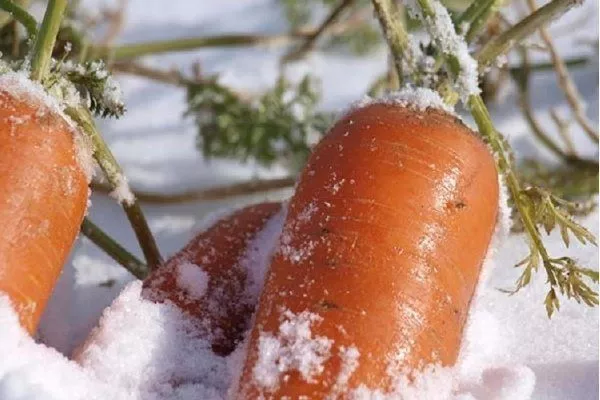
Early varieties zoned in Siberia
Varieties in this category produce an early harvest. Ripening time for early varieties ranges from 60 to 90 days. They have two main drawbacks: low yield and a short shelf life of the roots.
| Name | Disease resistance | Soil requirements | Ripening period |
|---|---|---|---|
| Alenka | High | Loosened, rich in nutrients | 100 days |
| Amsterdam | Strong immunity to most diseases | Demanding to soil | 90 days |
| Belgien White | Resistant to diseases | Breathable | 75 days |
| Bangor F1 | Resistant to diseases | Warm and well-lit by the sun earth | 110 days |
| Dragon | Resistant to diseases | Abundant watering | Not specified |
| Parisian Carotel | Resistant to diseases | Heavy soil and loams | 65-75 days |
| Color F1 | Resistant to diseases | Loose | 90 days |
- ✓ Resistance to sudden temperature changes.
- ✓ Ability to be stored for a long time in Siberian climate conditions.
- ✓ Productivity in short summer conditions.
Alenka
This variety produces oblong-shaped fruits, approximately 15 cm long. Up to 10 kg of root vegetables can be harvested from 1 square meter. The harvest ripens 100 days after sowing the seeds for seedlings. Leave 5 cm between seedlings when planting; it can be grown in a greenhouse or in open ground.
Growing requires well-drained, nutrient-rich soil. It prefers a sunny spot in a bed where potatoes, onions, or peas were previously grown. It won't grow well in a shady spot.
The variety is not suitable for commercial cultivation, but for personal use it is an excellent option.
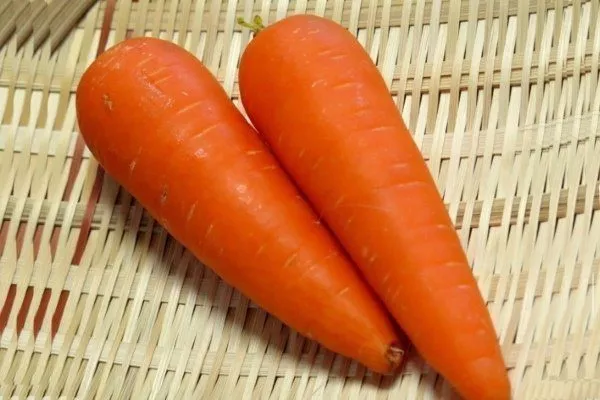
Amsterdam
This carrot variety has a cylindrical shape, typical of all carrots. It reaches 15-16 cm in length, weighing approximately 150 g each. It ripens three months after planting. One square meter can yield 5 to 7 kg of fruit.
This variety is quite demanding when it comes to soil conditions; it's impossible to grow Amsterdam carrots in poor soil. Plant them in a new location each year, otherwise the variety won't produce a decent harvest. The fruits are susceptible to many pests and rot, but they have strong resistance to most diseases.
The best use is to make juice.
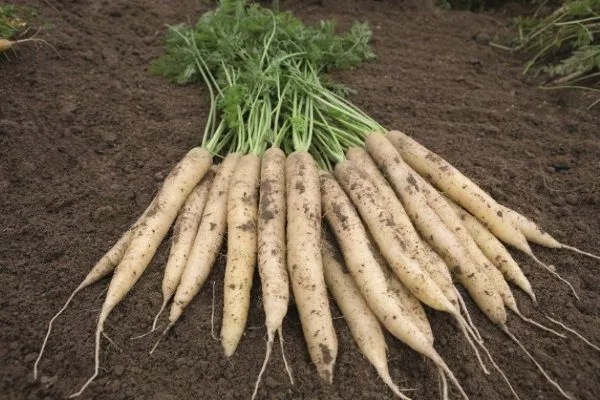
Belgien White
Carrots resemble parsnips and daikon radishes due to their lack of beta-carotene, which gives them their characteristic white color. The roots are much smaller than those of orange carrots, weighing approximately 80 g each. The first harvest can be obtained 2.5 months after sowing.
- ✓ Lack of beta-carotene, which gives carrots their white color.
- ✓ High content of vitamin B, iodine, calcium and zinc.
For white carrots to grow, temperatures should not drop below 10 degrees Celsius (50 degrees Fahrenheit). The optimal temperature for root growth is 16 to 25 degrees Celsius (61 to 77 degrees Fahrenheit). White carrots prefer to grow after cucumbers and tomatoes. They don't require overly nutritious soil, but it should be well-drained.
Belgian White is famous for its high content of vitamin B, iodine, calcium and zinc.
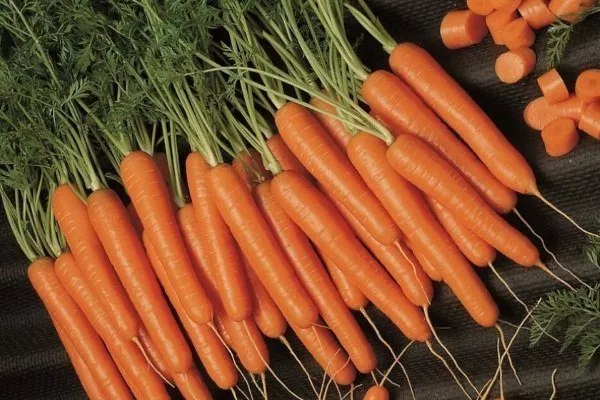
Bangor F1
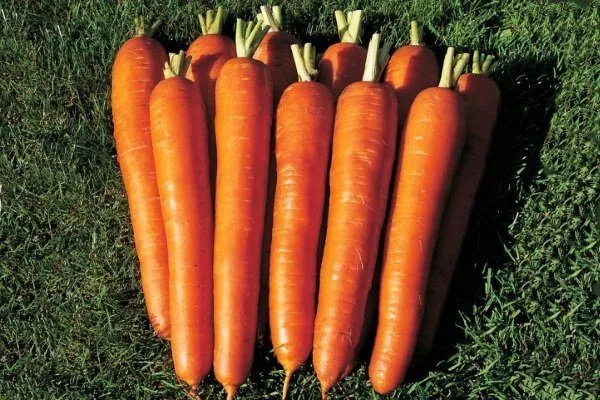
This is a hybrid variety. Its ripening period is 110 days, which distinguishes it from many other early-ripening varieties. It has a narrow, elongated cylindrical shape, up to 20 cm in length, and a single fruit weighs between 130 and 200 g. The seed should be planted at a depth of 3 cm, and the plant should be planted at least 0.3 m deep in open ground or a greenhouse.
Growing requires warm, sunny soil. Bangor F1 is renowned for its flavor, attractive color, and B vitamins. It is prized by Siberians for its long shelf life.
Dragon
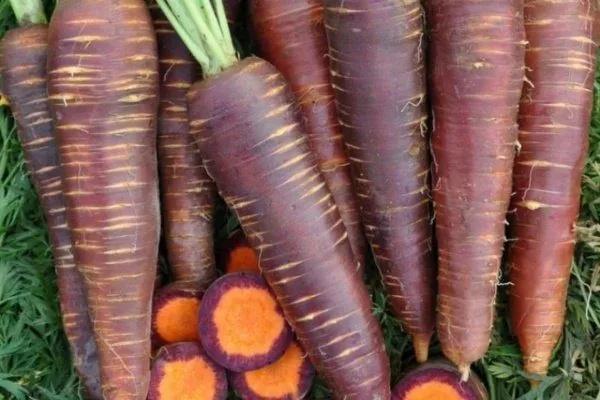
This carrot has an unusual and exotic appearance due to its purple skin, which reveals an orange core. The variety is shaped like a thin, elongated cone, reaching 20-25 cm in length and weighing between 120 and 320 g. The seeding depth is 3 cm, and the seedlings are planted at a depth of 0.2 m.
Despite its unusual appearance, this carrot does not require any special conditions to grow, it only needs access to sunlight and abundant wateringIt is best to grow in a greenhouse; the air temperature should not fall below +17 degrees.
Parisian Carotel
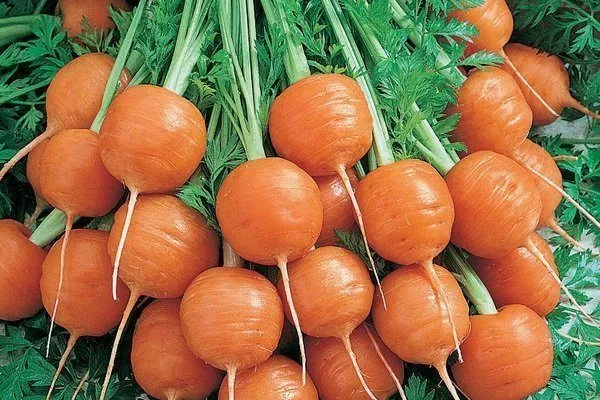
The first harvest can be obtained in 65-75 days. The fruit is orange, round, and small, 5-7 cm long. Due to its size, the vegetable prefers heavy soil and loam. Plant the seeds at a depth of 1 to 2 cm. Planting density is 200 to 1,000 plants per square meter. Before planting, dig the soil to a depth of 0.2 m.
Ripe carrots can be used to make carrot juice, and the fruits can be canned and frozen.
Color F1
The fruit is elongated, orange in color, with smooth skin. The tops are straight. Each fruit weighs 100-200 g and is 12 cm long. The sowing rate is 2 million seeds per hectare. Therefore, it can be grown commercially; it doesn't take up much space, and the distances between seedlings can be kept close.
Seeds are planted at a depth of 3 cm, and the plants themselves are planted at a depth of 0.15 m. Ripening takes three months. The minimum temperature for germination is +8°C. The yield is relatively high: 4-6 kg of root vegetables per square meter.
It is completely buried in the ground, the upper part is not green.

Medium-sized varieties zoned in Siberia
Mid-season varieties include those that ripen within 90-110 days. One of their main advantages is their ability to be stored for a long time. These varieties require careful weeding and soil loosening.
| Name | Disease resistance | Soil requirements | Ripening period |
|---|---|---|---|
| Altai shortened | Resistant to diseases | Loose | Not specified |
| Altair F1 | Resistant to diseases | Loose | 105-110 days |
| Viking | Resistant to diseases | Loose | 102-105 days |
| Losinoostrovskaya 13 | Resistant to diseases | Loose | Not specified |
| Vitamin 6 | Unresilient to diseases | Barren land | Not specified |
| Callisto F1 | Resistant to diseases | Loose | 90-105 days |
| Nantes | Resistant to diseases | Nourishing, loose and sun-warmed | 98-105 days |
| Canada F1 | Resistant to diseases | Black soil | Not specified |
| Leander | Resistant to diseases | Loose | 95-105 days |
Altai shortened
Carrots are a classic cylindrical shape, orange in color, and small in size. The root reaches a maximum length of 15 cm and a weight of 120 g. For planting, make furrows 20 to 40 mm deep.
This variety is renowned for its exemplary yield: approximately 7 kg of root vegetables can be harvested from 1 square meter. It can survive temperatures as low as -3 degrees Celsius.
Altair F1
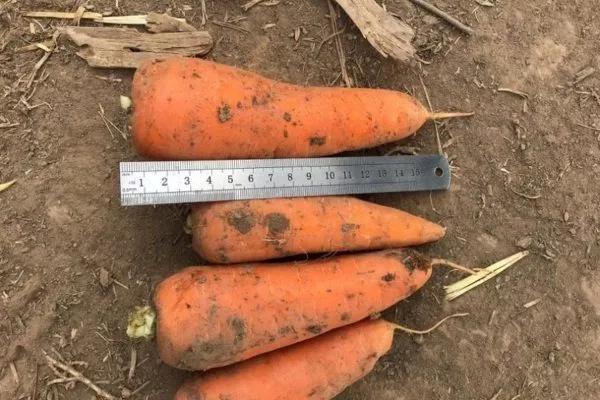
The ripening period is 105-110 days. The root reaches 18 cm in length, weighing 135-170 g each. A yield of 3-7.5 kg can be harvested per square meter, depending on the weather conditions during cultivation. The growing location also influences the yield: greenhouses yield significantly more than open-air plants.
It is characterized by resistance to temperature drops down to -5 degrees Celsius, the ability to be stored for a long time and pronounced taste characteristics.
Viking
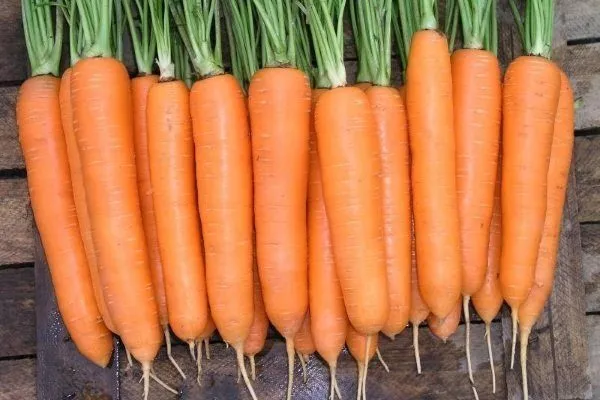
A large variety. Yields are relatively high, with 3 to 6 kg per square meter. The plant grows up to 18 cm in length and weighs up to 160 g. It tolerates temperatures as low as -4 degrees Celsius. Ripening time is 102-105 days after planting.
Root vegetables are used to make food for children.
Losinoostrovskaya 13
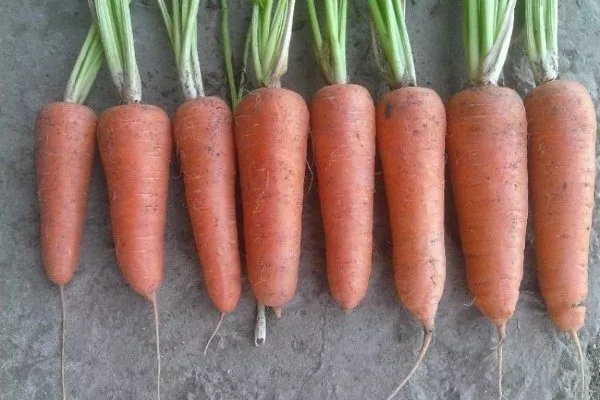
It's popular not only among Siberians but also among Russian gardeners, thanks to its high yields and resistance to low temperatures and diseases. The fruits reach 17 cm in length and weigh approximately 150 g. One square meter can yield 6 to 8 kg of root vegetables.
To plant the seed, make furrows 2-4 cm deep. This variety is used to make juices, purees, or is eaten raw, as the fruit grows juicy and tasty.
Vitamin 6
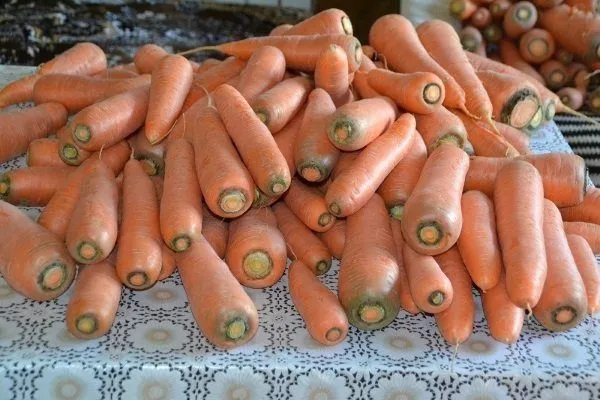
The most famous carrot variety in Siberia. Roots are 14-21 cm long and weigh 70-200 g. Yields are high: 5-7 kg per square meter. Vitaminnaya 6 tolerates low temperatures, with a minimum temperature of +1°C.
Carrots are easy to grow, so they thrive in poor soil. Their only drawback is their vulnerability to disease, so they require attention and proper care.
Callisto F1
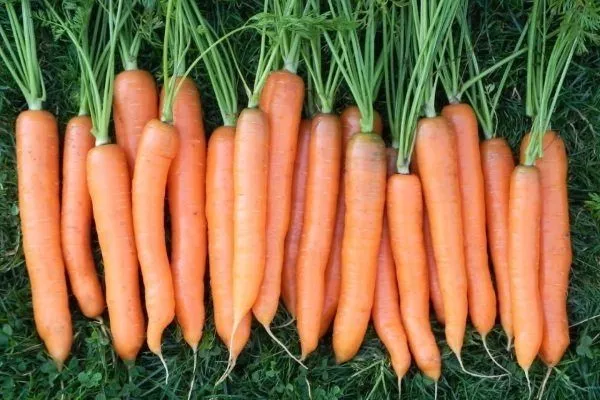
Roots are 21-23 cm long and weigh 80-140 g. Yield: 2.4-4 kg of roots per square meter. The plant tolerates a minimum temperature of 4 degrees Celsius. Ripening time is 3-3.5 months. Carrots have a high germination rate.
Like many mid-season varieties, this one is also suitable for storage in a cellar or other cool place for a long time.
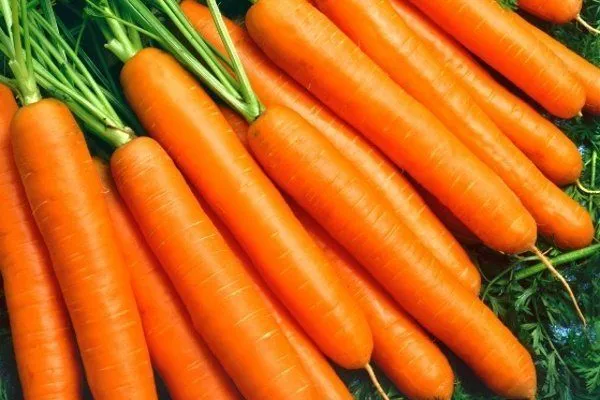
Nantes
The fruits reach 11-18 cm in length, weighing 100-150 g each. This variety is renowned for its high yield and exceptional flavor. A 1-square-meter plot yields 6 kg of roots. Seeds are planted at a depth of 3 cm. Ripening time is 98-105 days. Carrots can be stored at a minimum temperature of 2 degrees Celsius.
But the variety does have a drawback: Nantes carrots don't tolerate even slightly damp soil. The soil must be nutritious, loose, and sunny. This type of cultivation allows the fruit to gain the necessary weight and flavor.
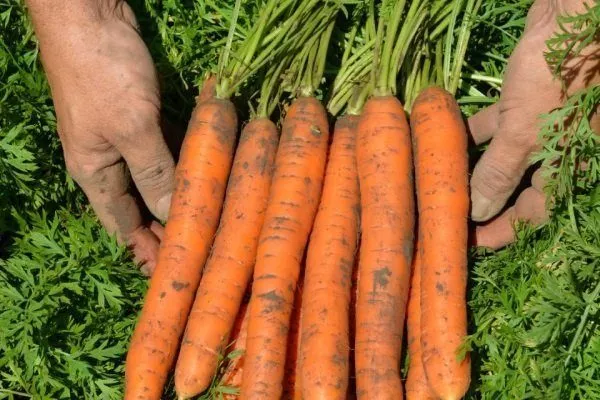
Canada F1
This variety is ideal for black soil. It can germinate even at temperatures as low as 4 degrees Celsius. It reaches 0.2 m in length, weighing 130-200 g each. It is distinguished by its bright orange color, regular cylindrical shape, and large size.
Carrots are characterized by stable yields, tolerance of sunlight, long shelf life, and ease of care. Canada F1 grows well in clay soil but does not tolerate fresh manure. Even when sown late, this variety produces fruit on time, outperforming other varieties.
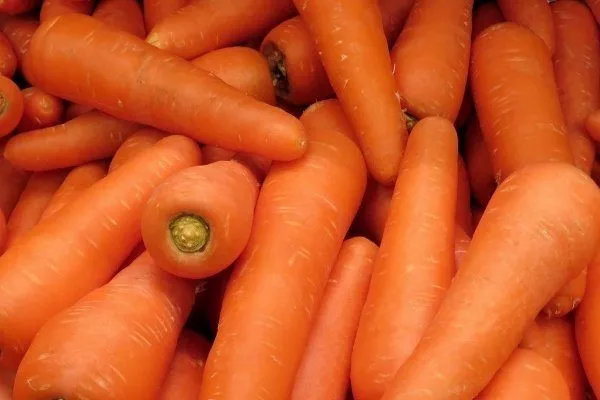
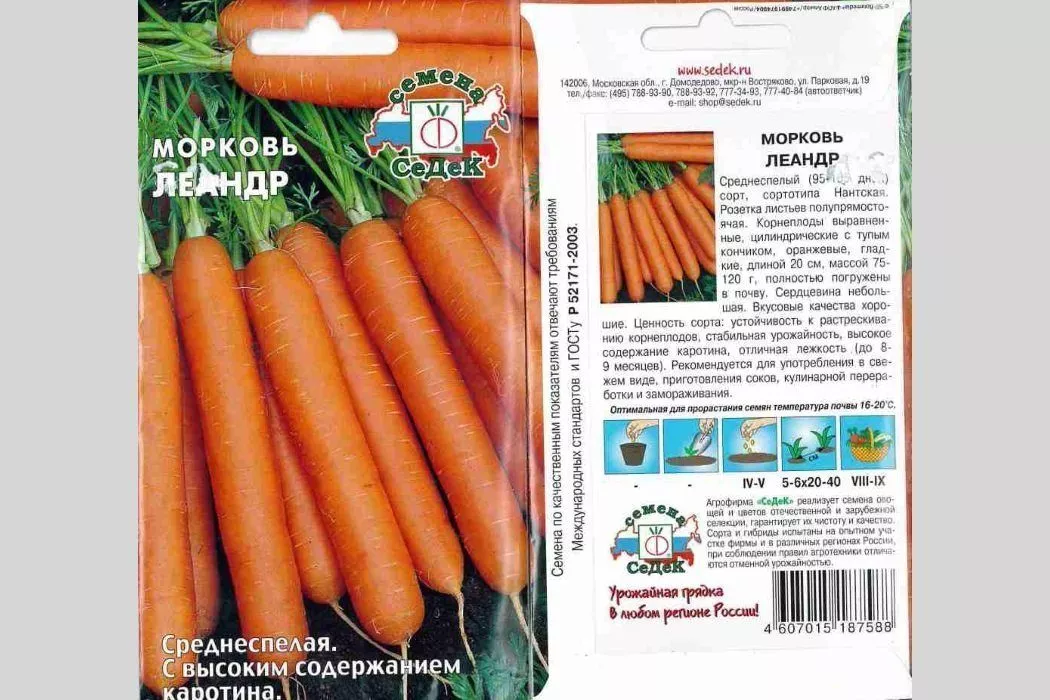
Leander
Ripening takes 95-105 days. The fruit is firm, reaching 18 cm in length, weighing approximately 100 g each. Yields are 4-5.5 kg per square meter. It tolerates temperatures of 1 degree Celsius, but this is best avoided as it can impact plant yield.
The root vegetable remains in the ground during ripening, with the top portion remaining green. It is prized for its excellent yield, resistance to cracking, and ability to be stored for 6-8 months. The tops are raised, and the leaves are closely spaced.
Late varieties zoned in Siberia
Late-ripening varieties take over 110 days to grow, depending on the regional climate. They are characterized by their large size and long shelf life, but have lower sugar content.
| Name | Disease resistance | Soil requirements | Ripening period |
|---|---|---|---|
| Incomparable | Resistant to diseases | Sandy and clayey soil | 110-130 days |
| Flakke | Resistant to diseases | Loose | 140-170 days |
| Nevis F1 | Resistant to diseases | Loose | 110-120 days |
| Vita Longa | Resistant to diseases, cracking and rot | Loose | 145-155 days |
| Yellowstone | Resistant to a large number of diseases | The presence of oxygen in the soil | Not specified |
| Scarla | Resistant to a certain list of diseases | Moist, loosened soil | 125-140 days |
| Shantenay 2461 | Resistant to many diseases, flowering, cracking and fruit damage | Undemanding to fertile soil | 100-130 days |
Incomparable
The ripening period is 110 to 130 days. The roots are approximately 20-22 cm long, weighing 80 to 140 g. The fruit is orange in color with smooth skin. Seeds are planted in furrows 20 mm deep. The minimum temperature is -5 degrees Celsius. Yield: 3-7 kg per square meter.
This variety thrives in sandy and clayey soils, but does not tolerate fresh fertilizer or large amounts of water. It is distinguished by its cold tolerance, making it suitable for pre-winter sowing. Store this incomparable carrot in a cool, dark, dry place.
Flakke
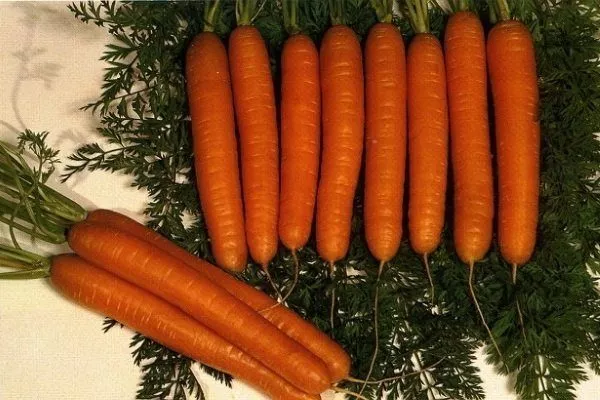
The ripening period ranges from 140 to 170 days. The spindle-shaped root vegetable grows into a fairly long vegetable, reaching 0.2-0.3 m in length and weighing approximately 200 g. It is primarily grown for livestock feed and for industrial processing.
Yield: 4-9 kg per square meter. It differs from other varieties by its lower carotene content, but is renowned for its long shelf life in a cool room, high yield, and resistance to flowering.
Nevis F1
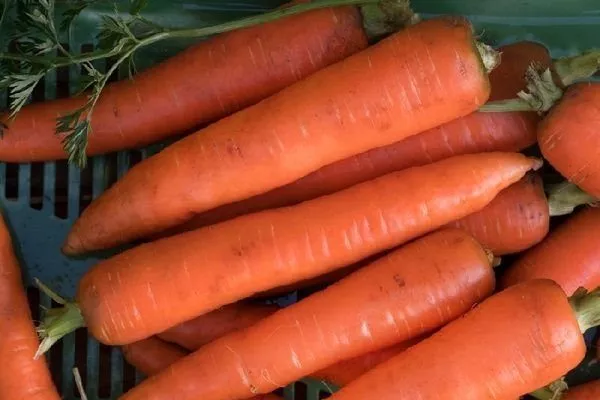
Despite being a hybrid, Nevis F1 is similar in properties to Nantes. Growing season It takes 110-120 days. The root crop grows into a regular cylindrical shape. The leaves are small. The fruit is 17-18 cm long and weighs about 140 g. Yield: up to 9.5 kg per square meter.
The root vegetable is completely submerged in soil, so the top portion is not exposed to greenery. Nevis F1 prefers a sunny location and grows well in a bed previously used for onions, tomatoes, cucumbers, peas, and cabbage.
Characterized by its excellent flavor, this variety is often used for juice production. Furthermore, Nevis F1 is disease-resistant, stores for 7-8 months in a cool, dry place, and is one of the highest-yielding grapes.
Vita Longa
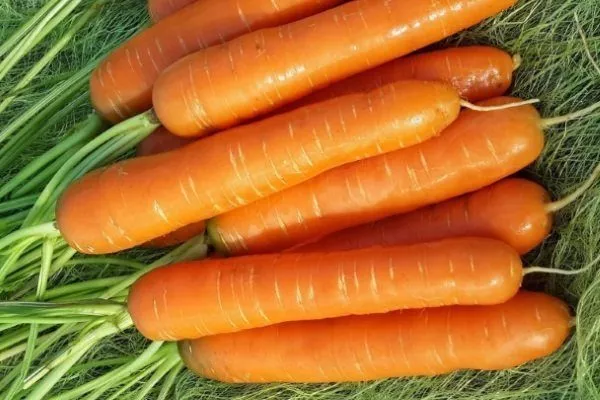
Root development takes 145-155 days. This variety has a faint core, but it is highly nutritious, containing a high amount of sugar and vitamins A, C, and E. The conical shape and orange color make it a perfect choice. Each root measures 25-40 cm and weighs 150-250 g.
This variety is demanding in terms of climate, so a good harvest in Siberia will only be possible if all the necessary care conditions are provided. The main thing is to ensure there are no drafts in the greenhouse and try to minimize any temperature fluctuations.
Vita Longa is resistant to disease, cracking, and rot. Yields up to 7 kg per square meter.
Yellowstone
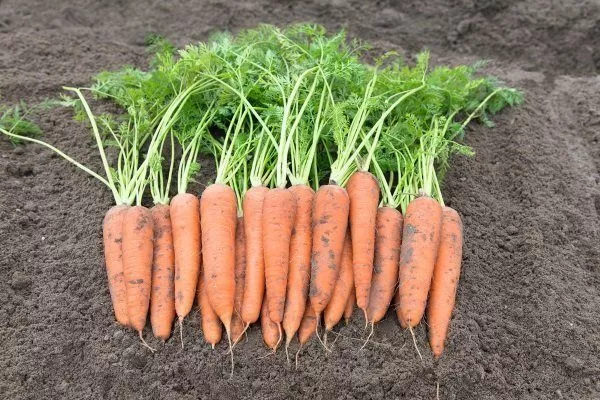
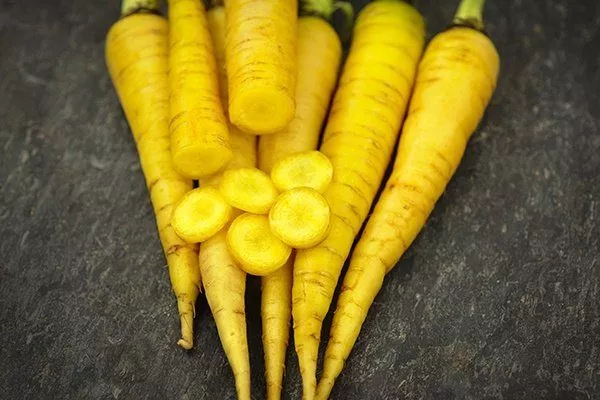
Or, alternatively, "yellow stone." This variety received this name due to its distinctive yellow color and dense texture. The fruit is spindle-shaped with a smooth shell, beneath which lies the juicy pulp. It grows approximately 25 cm in length, and weighs 200 g each.
This variety is characterized by good yield and adaptability to various growing conditions, although soil oxygenation is an important growth factor. The seed should be planted at a depth of 2-2.5 cm. Yield: 7-9 kg per square meter. Carrots can be planted when the soil temperature reaches 5 degrees Celsius.
The variety's leaves are robust and fluffy. The roots are resistant to a wide range of diseases.
Scarla
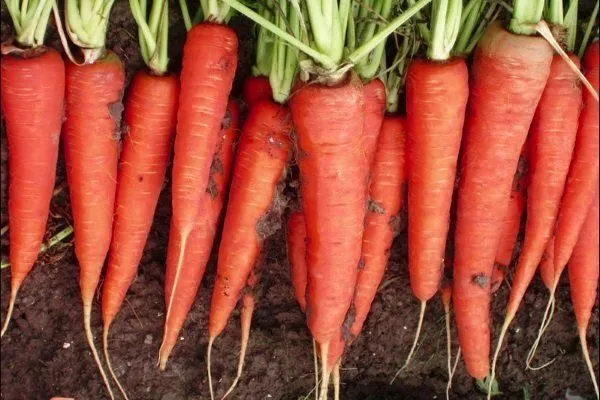
The growing season is quite long, 125-140 days. The root vegetable is large, cylindrical, and bright orange. It has upright, strong tops that are resistant to a number of diseases.
The fruits reach 22 cm in length, weighing 300-500 g each. Yield: 80-100 tons of root vegetables per hectare. Skarla is planted in moist, loosened soil, ensuring the variety receives the necessary nutritional qualities.
It's used in baby food, dietary nutrition, and Korean-style carrots, as it boasts a rich flavor. It stores well throughout the winter until the next crop is planted.
Shantenay 2461
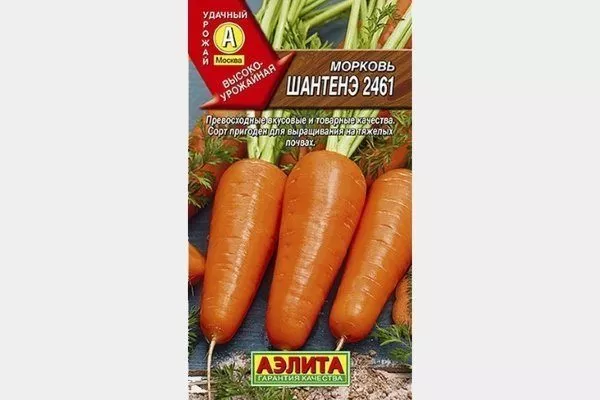
The ripening period varies from 100 to 130 days. The roots grow cylindrical, up to 15 cm in length, weighing up to 150 g. The tops are large.
This variety is versatile in cultivation, combining high yields with ease of care and undemanding soil conditions. Yields vary depending on weather conditions. Maintenance requires only watering and regular fertilizing.
Carrots are resistant to many diseases, flowering, cracking, and fruit damage. The minimum temperature this variety can withstand is 4 degrees Celsius.
The best varieties for storage
The varieties are in demand due to the ability to be stored for a long period in a cool place.
| Name | Disease resistance | Soil requirements | Ripening period |
|---|---|---|---|
| Moscow winter | Resistant to diseases | Loose | 70-95 days |
| Research Institute of Oncology and Microbiology 336 | Resistant to diseases | Loose | 75-95 days |
| Roterizen | Resistant to diseases | Loose | 140-150 days |
| Forto | Resistant to diseases | Loose | 120-130 days |
Moscow winter
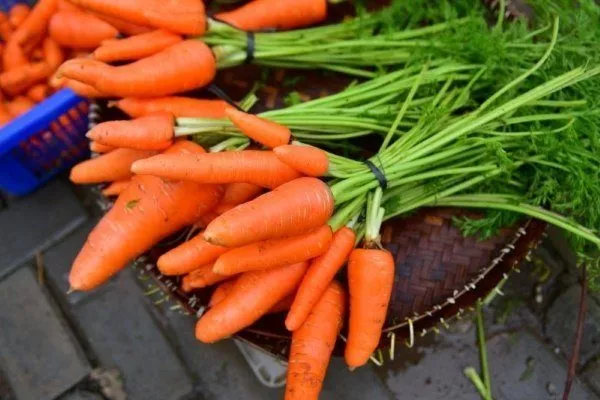
Ripening takes 70-95 days, and this variety is considered mid-season. This versatile carrot, due to its cold tolerance, can be sown both in the pre-winter months and in April-May.
A perfect cylindrical shape with smooth, orange-hued skin. The root size is 10-15 cm, weighing 90-160 g. Yield: 5-7 kg per square meter.
To harvest a good crop of tasty, large root vegetables, carrots should be grown in an open, sunny spot. They prefer to grow in beds previously occupied by cabbage, onions, tomatoes, and cucumbers. Because this variety takes a long time to germinate, it is planted alongside radishes, which indicate the planting location.
Research Institute of Oncology and Microbiology 336
This medium-ripening carrot takes 75-95 days to mature. The rosette of leaves is quite vigorous. The root is completely submerged in soil, preventing greening of the upper portion. It thrives in soil that was previously occupied by beans, potatoes, tomatoes, and cucumbers.
The fruit size is approximately 18 cm, weighing up to 120 g. Yield: 3-5.5 kg per square meter. This variety can be planted in winter. The minimum temperature for germination is 4 degrees Celsius.
Roterizen
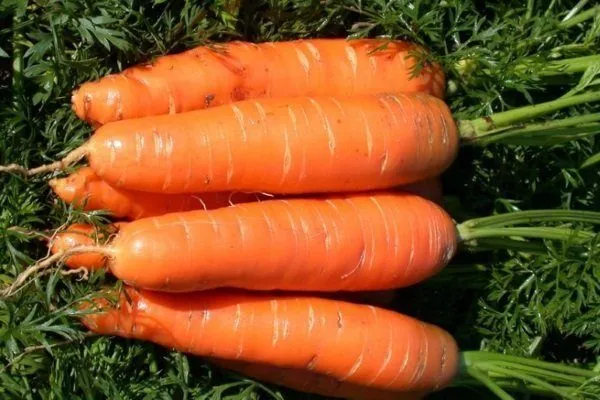
Translated from German, it means "red giant." The variety received this name due to its impressive size: when grown properly, the root can reach 30 cm in length and weigh 220 g. It is a late-ripening variety, ripening 140-150 days after planting. Yield: 2-3.8 kg per square meter.
Carrots are cone-shaped and richly orange. The plant's foliage is dense and tall, but often the length and size of the foliage don't correspond to the size of the fruit. They are resistant to cold and pests, preferring loose soil, weeding, and watering, but are sensitive to fresh fertilizer.
Does not require pre-germination before planting.
Forto
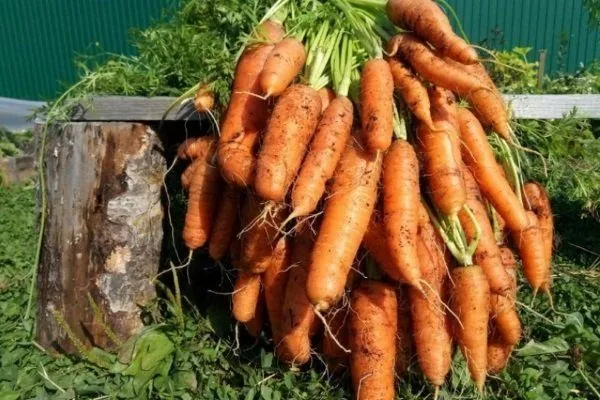
A mid-season variety with a growing season of 120-130 days. The resulting fruits are large, smooth-skinned, and resistant to cracking, stem development, and many diseases. The plant produces a fairly high yield. Each root measures 17-21 cm and weighs 80-120 g. Yield: 4-8.5 kg per square meter.
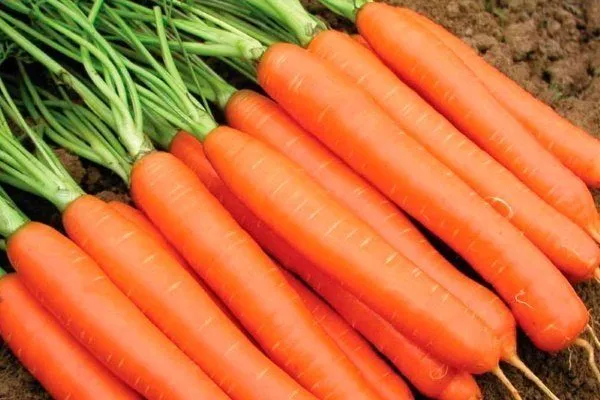
All of the above-mentioned carrot varieties are successfully grown in Siberia. They are resistant to frost, temperature fluctuations, and the region's harsh climate. When growing this crop, the key is to follow the basic rules of planting, care, and storage. Carrot varieties are selected based on yield, ripening period, and size.