
Carrots, like other vegetables, require additional soil nutrition to thrive and produce a healthy and bountiful harvest. Let's learn which fertilizers to use and when to ensure maximum benefit.
On the importance of feeding
Soil composition and the availability of sufficient nutrients and microelements are crucial for carrot growth. The quality and flavor of the root vegetable directly depend on this. If nutrition is deficient, carrots will lag behind in development, become deformed, and yield will be significantly reduced.
Therefore, when sowing carrot seeds, it's important to prepare the soil and supply it with the necessary elements. Between sowing and harvesting, at least two to three applications are recommended—using mineral or organic fertilizers and folk remedies. These applications must be done correctly and at the right time: at sowing and during specific stages of carrot growth.
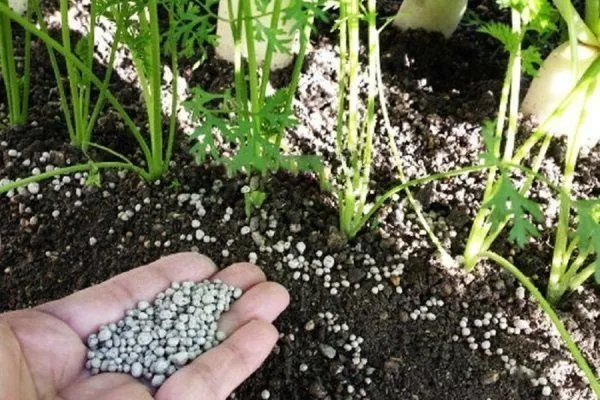
What do carrots need to grow?
To ensure active, healthy growth, carrots require several elements at each stage of development. During the first stage, the root vegetable is growing green mass, requiring a significant amount of nitrogen, while phosphorus and potassium provide immunity to young plants. This helps maintain resistance to diseases and withstand attacks from insect pests.
What elements do carrots need:
- Potassium. Carrots need potassium throughout the growing season. It ensures metabolic stability, optimizes photosynthesis, and helps develop the plant's underground growth. Potassium contributes to the sweetness and juiciness of carrots.
- Phosphorus. The crop needs it in midsummer. The presence of this element in the soil favorably influences the development of root vegetables: carrots become dense, the tips round out, and gain sweetness.
- Boron and manganese. These elements are added in July. These micronutrients are important for carrot ripening. They ensure the health and firmness of the root vegetable core, catalyze the accumulation of sweetness, and promote long-term storage of the harvest.
How to feed carrots in open ground?
To replenish the soil's nutrients, carrot beds are fed with fertilizers of varying compositions and methods. These can be chemically produced (mineral fertilizers) or natural (organic and traditional methods).
Organic fertilizers
| Fertilizer type | Rate of decomposition | Essential nutrients |
|---|---|---|
| Compost | Slow | N, P, K, Ca, Fe |
| Manure | Average | N, P, K |
| Bird droppings | Fast | N |
Gardeners often use organic fertilizers, believing them to be safer for carrots. Using organic fertilizers has its advantages:
- the duration of the effect of the fertilizer is determined by a long period;
- rich composition of microelements;
- low cost and availability of fertilizers.
However, be careful not to overuse these fertilizers or use them in high concentrations. Otherwise, you can't avoid damaging your carrots, causing burns and metabolic disorders that could lead to the loss of the entire crop.
When growing carrots, you can use the following natural fertilizers:
- Compost — an excellent source of nitrogen, calcium, phosphorus, potassium, and iron. Adding it during soil preparation for planting not only enriches the soil but also loosens it, which is beneficial for carrot growth. It's best to use compost that's mature and well-rotted. Therefore, compost that's at least 9 months old is suitable for fertilizing carrot beds.
- ManureIt is recommended to apply it to prepare the soil in the fall. Use rotted organic matter. The ammonia found in fresh manure can burn plants. Furthermore, the easily digestible form of nitrogen is only available from mature manure. This type of organic matter significantly increases soil acidity, so take this into account when applying it.
- Bird droppings,As a nitrogen source, it is used in the early stages of carrot growth. At high concentrations, it is harmful to plants, so use with caution.
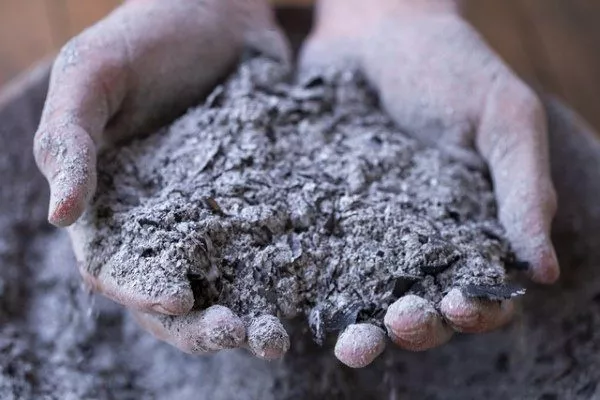
- Wood ash Sunflower ash is an excellent source of potassium, phosphorus, and calcium. The composition of this organic matter depends on the source of the ash. The most valuable is that obtained by burning sunflower seeds. It is used both in dry form and in infusions and solutions.
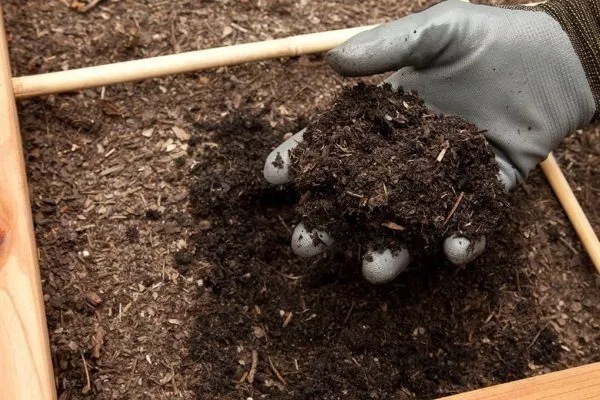
Compost
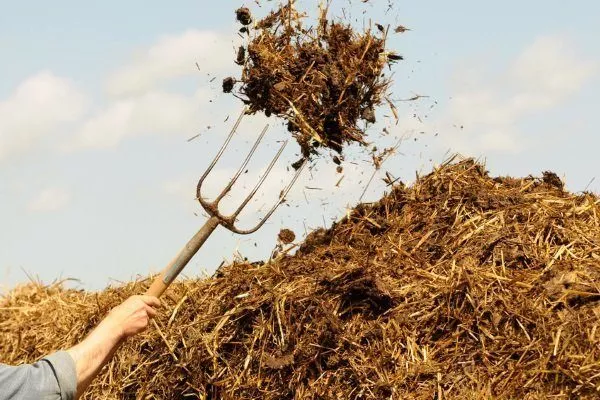
Manure
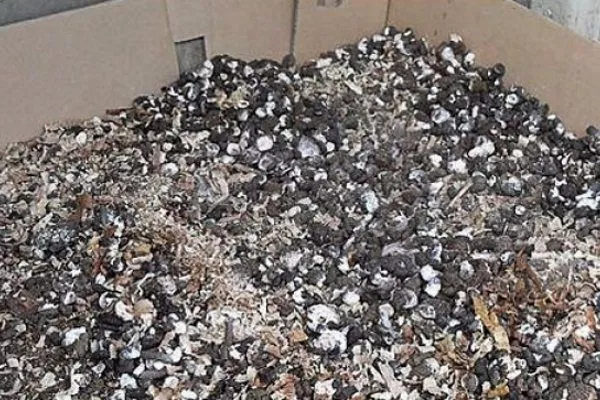
Bird droppings
Wood ash
Mineral fertilizers
| Name | Fertilizer type | Main element | Release form |
|---|---|---|---|
| Ammonium nitrate | Nitrogen | Nitrogen | Granules |
| Urea | Nitrogen | Nitrogen | Granules |
| Potassium salt | Potassium | Potassium | Powder |
| Simple superphosphate | Phosphorus | Phosphorus | Powder |
| Double superphosphate | Phosphorus | Phosphorus | Powder |
Mineral fertilizers come in single-component and complex compositions. Depending on the predominant substance, they are classified as:
- nitrogen — ammonium nitrate or urea;
- potash - potassium salt and other potassium-containing preparations;
- phosphorus - simple superphosphate, double superphosphate.
Mineral fertilizers are easy to use, have an instant but short-acting effect, and their form allows for precise dosing of fertilizer during application.
Complex fertilizers are most often used, either purchased ready-made or mixed together. Some of the most popular complex mineral fertilizers include:
- Azofoska (nitroammophoska).This fertilizer (a mechanical mixture of single-component fertilizers) contains three essential elements (N+P+K). It is readily soluble in water. When applied, it does not percolate into the lower soil layers, but concentrates in the fertile soil layer. Depending on the soil type and the need for its restoration, Azofoska is selected with a specific NPK ratio: 16:16:16, 19:9:19, or 22:11:11.
- AVA station wagon — A complex fertilizer rich in phosphorus, potassium, calcium, chromium, and magnesium. This composition is optimal for carrots, resulting in healthy, even, and large roots. A significant advantage of this product is its resistance to the leaching of trace elements by rain.
In addition to these formulations, you can use any other complex fertilizer or mineral fertilizers in fungicide solutions. These contain microelements in an easily digestible form, so carrots respond quickly to their application. Such products include Azofos and Cytovit. Follow the instructions for dilution and application rates.
Fertilizing carrots with folk remedies
Folk remedies have a positive and gentle effect on carrots. They are completely safe for both the crop itself and human health, making them widely used by gardeners.
Feeding carrots with yeast infusion
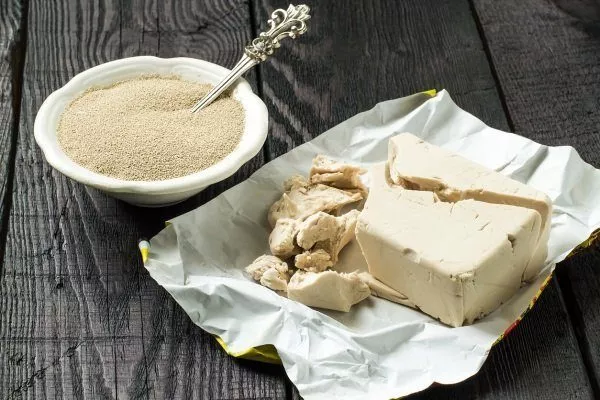
Yeast is a fungus that thrives in sugary environments. When applied to carrot beds, it actively releases substances that stimulate root development. This supplement positively influences the vital activity of beneficial soil microflora, which has a beneficial effect on the overall health of the crop.
It's best to use natural yeast for the infusion, but if you don't have it, dry yeast will do. The growth activator is prepared in several ways.
First method:
- Dissolve 500 g of fresh yeast in 5 liters of warm water, adding 1 tablespoon of sugar to the solution. Let it sit for 1.5-2 hours.
- For feeding, dilute 500 ml of the resulting solution in 10 liters of water.
- Use this liquid to water the spaces between the rows or to apply root feeding.
Second method:
- Mix 50 g of dry yeast with 5 liters of warm water and 1 tbsp. of sugar.
- Let the mixture sit for 1.5-2 hours, and then dilute with water, taking into account that for every 0.5 liters of infusion you will need a bucket of water.
- Apply this fertilizer using the root watering method.
The third way:
- Fill a bucket halfway with chopped nettles. Cover with water and leave in a warm place until fermentation begins.
- Add 12 g of dry yeast and 500 g of wood ash. Place the bucket with the fertilizer in a warm place and leave for 5-7 days, stirring occasionally.
- Strain the resulting infusion through several layers of cheesecloth. Dilute the mixture with water at a ratio of 1:10 and pour it over the carrots.
To get the most out of this fertilizing, apply it in warm weather in the evening. A few days before, apply potassium and phosphorus to the beds.
Top dressing with greens
To prepare "greens", follow these steps:
- Chop up the grass and fill a third of the bucket with it.
- Pour in 8 liters of warm water, cover, and let steep for 12-14 days. After a while, the resulting mixture will begin to ferment.
- When fermentation is complete, dilute the infusion with water in a ratio of 1:10, then water the carrots.
This remedy contains a whole complex of microelements. Infusions can be made with comfrey, chamomile, wormwood, clover, or any other herb.
Fertilizing carrots with ash infusion
Wood ash is considered a quick and affordable fertilizer. To prepare it, dilute a cup of organic matter in a bucket of water and let it sit for a couple of hours. Strain the solution and water the carrots with it. The grounds can be spread over the surface of the beds.
Stages of applying fertilizers to carrots
You can't randomly and massively apply fertilizer to carrot beds, thinking this will ensure vigorous root growth and a bountiful harvest in the future. At each stage of growth, the crop requires a specific set and quantity of nutrients. Therefore, different fertilizers are used depending on the growing season.
How to fertilize the soil before planting carrots?
Pre-sowing soil preparation is an important step in carrot cultivation. It's best to begin this in the fall, adding humus or compost to the soil under the plowing. The rate of organic matter application depends on the soil type, but averages 10-20 kg/sq. m.
- ✓ The optimal depth of soil digging before planting carrots should be at least 25-30 cm to ensure good development of root crops.
- ✓ The soil pH level should be between 6.0 and 6.5. Lime should be applied to adjust the pH 6 months before planting.
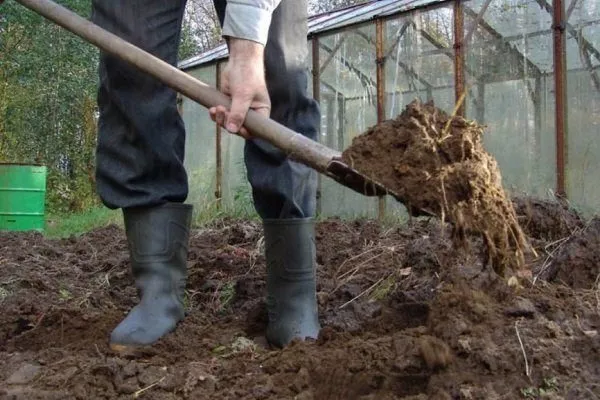
The crop prefers loose, water- and air-permeable soils with a neutral pH. Therefore, before sowing, it is recommended to bring the soil conditions as close to optimal as possible.
If the soil is dense, add sand, sawdust, and peat. Wood ash, lime, chalk, or dolomite flour will help reduce acidity.
When spring arrives, dig over the bed, adding any nitrogen and phosphorus fertilizers as needed. Before planting carrots, thoroughly loosen the soil, removing any stones, clods, or other large objects to prevent them from deforming the roots as they grow.
Fertilizers for carrots when planting
Carrots do not tolerate the presence of chlorine in the soil, so when planting them in rows, add the available potassium fertilizer, excluding potassium chloride.
It's recommended to prepare the seeds before sowing. To do this, place them in a cheesecloth bag and soak them in one of the following solutions for 2-3 days:
- Dilute 1/3 teaspoon of boric acid and 1/2 teaspoon of nitrophoska in 1 liter of water.
- Mix 1 g of manganese and 1/2 teaspoon of nitrophoska with a liter of water.
You can use ready-made solutions, such as Cytovit, Fitosporin-M, or ash infusion. This treatment will disinfect the seed, and the micronutrients will stimulate active growth and early emergence.
Fertilizing carrots after emergence
Once the seedlings emerge, thin them out. Once the second true leaf forms, apply another fertilizer. To do this, add the following to 10 liters of water:
- ammonium nitrate or urea - 1 tbsp.;
- simple superphosphate - 1.5 tbsp;
- potassium salt - 1.5 tbsp.
When applying the mineral solution, keep the consumption rate at 2 liters per 1 square meter of the garden bed.
Further fertilizing when growing carrots
The next carrot feeding is carried out 18-21 days after the previous feeding. The mineral solution composition is also the same. It is advisable to carry out this feeding after the second thinning of the crop.
Late-ripening varieties require additional feeding, which is administered 2-3 weeks before harvest. The only essential micronutrients should be phosphorus and potassium, with nitrogen excluded. Otherwise, the root crops' flavor will deteriorate sharply, and the harvest will lose its quality.
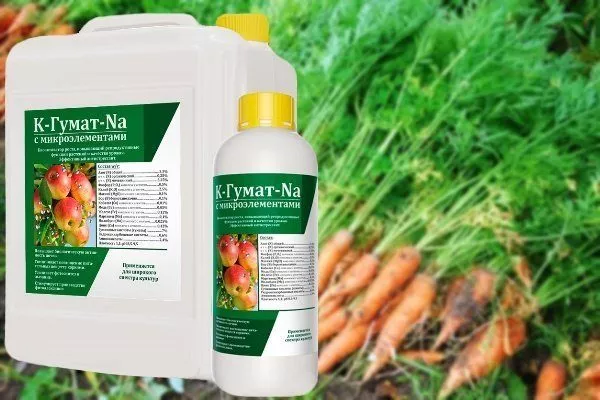
At this time it is advisable to make potassium and sodium humatesTo make carrots sweet and juicy, a good product is "K-humate-Na."
Consequences of improper feeding
Consider the total nutrient content of the soil before applying fertilizer to avoid over-fertilization. This is often difficult to do, so gardeners rely on the carrots' appearance and apply fertilizer at medium or minimal rates.
Signs of nutrient deficiency in the soil:
- Nitrogen deficiency manifests itself in the wilting of the above-ground part of the carrot, the foliage becomes smaller and turns yellow, and the root crop does not develop.
- A potassium deficiency causes leaves to curl. Their edges turn brown, and the insides turn gray, eventually developing a bronze tint.
- If carrot foliage has yellow or red stripes, this indicates a phosphorus deficiency in the soil. This causes the underground part of the plant to stretch, and its flavor is significantly reduced.
- Calcium deficiency causes yellowing and deformation of the upper leaves of carrots.
If fertilizer application is incorrect, carrots will grow small, dry, and tasteless. Overfertilization can even kill the crop. Therefore, it's important to stop fertilizing and monitor the carrots' condition as soon as any problems are detected.
To avoid negative consequences, apply fertilizer according to a schedule, maintaining the correct dosage. Apply fertilizer in the morning or evening after moderate watering.
Be responsible with your fertilization. Both a deficiency and an excess of nutrients in the soil can ruin your harvest. By following all the recommendations for fertilizing carrots, you can achieve sweet, large, and long-lasting roots.
Wouldn't it be easier to use azophoska, which dissolves quickly? Are the proposed mixtures any better?