
The Emperor carrot is one of the most popular and sought-after varieties among agronomists seeking to grow high-quality, large root vegetables. This crop quickly gained recognition thanks to its excellent characteristics. It combines excellent yield, good taste, and disease resistance. Timely care is key.
What kind is this?
This variety belongs to the Berlicum type. It's important to familiarize yourself with the variety's characteristics before growing it. A detailed description of the Emperor carrot is provided below.
Origin
It was developed in 2005 by specialists from the Tula and Moscow regions. It was added to the State Register just a year later.
Appearance, taste
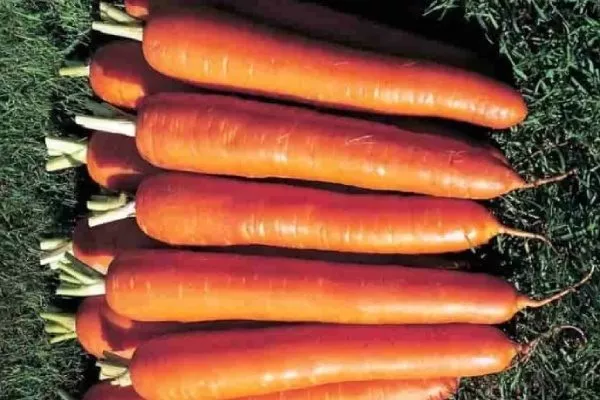
The plant forms a semi-spreading rosette of green, pinnately dissected leaves. Distinctive qualities of the root vegetables:
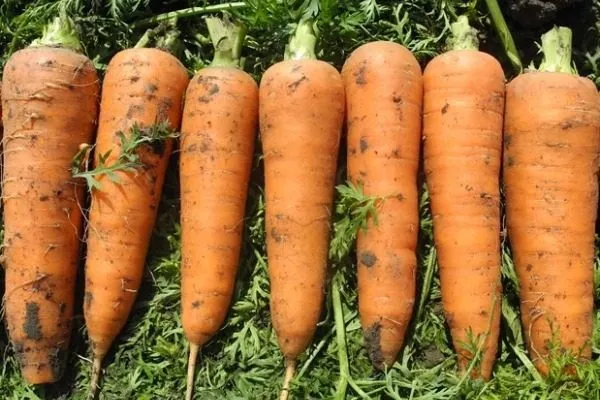
- Length - about 25 cm.
- Weight - varies from 80 to 180 g.
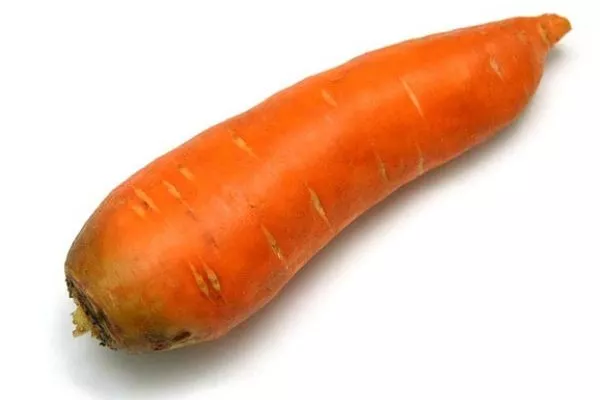
- Form - cylindrical, with a blunt end.
- Peel – red in color with a core of the same shade (in some sources it is described as orange-red).
- Pulp – dense and juicy.

Composition and beneficial properties
It's rich in nutrients, making it a valuable healthy food. It contains the following vitamins:
- Vitamin A (as beta-carotene) – Supports eye health, strengthens the immune system and restores skin health.
- Vitamin C - strengthens the immune system, promotes wound healing and improves iron absorption.
- Vitamin K - necessary for normal blood clotting and maintains bone health.
- B vitamins (B1, B2, B3, B6) – participate in metabolism, normalize the functionality of the nervous system and improve the condition of the skin.
Contains minerals:
- Potassium – regulates water-salt balance, heart and vascular health.
- Calcium - necessary for strong bones and teeth, supports the functioning of the cardiovascular system.
- Magnesium - important for muscle function, the nervous system and restoration of normal blood sugar levels.
- Phosphorus - participates in the formation of bone and dental tissue, enhances energy metabolism in cells.
- Iron - important for the formation of hemoglobin and the transport of oxygen in the blood.
Dietary fiber is also present, promoting normal bowel function, helping control blood sugar levels, and maintaining a feeling of fullness. Antioxidants protect cells from damage and slow the aging process.
Ripening period and yield
This variety is a late-ripening variety. It takes more than 120-135 days from mass germination to full ripening in the garden. Partial harvesting of young vegetables is possible as early as August, but the main harvest usually occurs in September-October.
Disease resistance
The crop has a strong immune system, making it resistant to most diseases. It is virtually immune to late blight, rhizoctonia, early blight, bacterial blight, and brown spot.
However, if the plantings are overwatered, the plants may become infected with powdery mildew. There is also a risk of infection with cercospora leaf spot.
Regions for cultivation
Emperor was bred specifically for cultivation in the Central Region. It grows successfully in both small garden beds and farm fields.
How many days does it take for Emperor carrot seeds to germinate?
Seedlings emerge 14-16 days after planting. In cool weather, seeds may take up to 20 days to germinate.
To speed up germination, sow the seeds in pre-moistened soil. Then, lightly compact the soil and cover it with plastic. When the first shoots appear, remove the covering.
Pros and cons of the variety
Before planting, be sure to research the variety's pros and cons to avoid potential problems. This crop has many advantages:
Among the disadvantages, gardeners note the demanding nature of the soil: to obtain a high-quality harvest, it must be soft, loose, and well-dug, otherwise the vegetables may grow gnarled and with numerous lateral roots.
What are the different seed producers of the Emperor carrot variety?
Agrico is the main seed importer to the CIS countries. Their planting material is characterized by good germination and affordable prices.
- ✓ Germination rate is at least 85% at a temperature of +20…+22°C on the 14th day.
- ✓ No mechanical damage to the dragee shell.
- ✓ Uniformity of color and granule size (diameter 2.5-3.0 mm).
- ✓ Expiry date no more than 2 years from the date of packaging.

Tips for growing the Emperor carrot variety
Before you begin sowing seeds, it's important to familiarize yourself with the growing process. Detailed recommendations are provided below.
When and how to plant Emperor carrots
Begin sowing seeds in late April or early May. Summer sowing is also possible, starting in early July. When choosing a planting site, consider what crops grew in the area last season. Avoid planting in areas previously used for:
- celery;
- beans;
- parsley;
- dill.
The best predecessors for carrots are potatoes, onions, tomatoes, cucumbers, or lettuce. The crop grows best in loamy or sandy soil with high moisture content. If you plan to plant in black soil, mulch with wood chips and river sand in a 1:1 ratio.
Prepare the bed properly. Apply the following fertilizers per square meter:
- 20 kg of compost;
- 10 kg of peat;
- 10 kg of sand;
- 50 g nitrophoska.
Mix the mixture with the soil and leave it for a couple of days to settle. Then level the bed thoroughly so the soil is soft and lump-free.
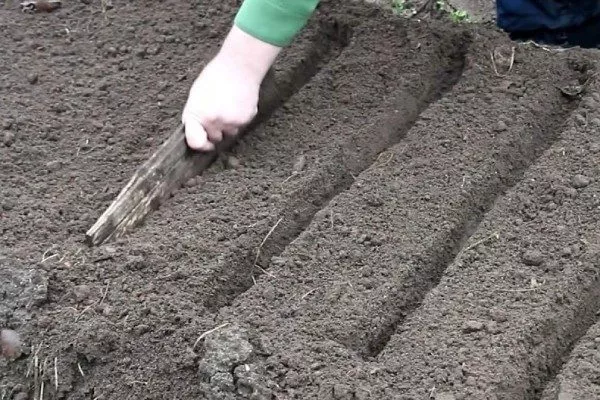
Emperor seeds are available in pellet form with a coating of concentrated mineral fertilizer, so they require no additional treatment. Before sowing, be sure to water the soil to speed up the dissolution of the coating. Make shallow furrows 2-3 cm deep.
How to care?
Like any other crop, carrots require proper care. This includes several key agricultural practices:
- Watering. Provide regular watering. After sowing the seeds, water the beds every 3-5 days. Once the sprouts emerge, reduce watering to once a week. Stop watering 2-3 weeks before harvesting to prevent the roots from cracking. For larger plots, use drip irrigation.
- Top dressing. Plants require complex nutrition. Apply superphosphate two weeks after sprouting. In mid-June, apply a solution of ammophoska (25 g per 10 liters of water). A month before harvesting, apply potassium-phosphorus fertilizers.
- Thinning. Once the seedlings reach a height of 3 cm, remove excess plants, leaving a distance of no more than 2 cm between them. A month before harvesting, remove weak shoots, leaving at least 4 cm between plants.
- Loosening and weeding. Loosening the soil helps oxygenate the soil and prevent root rot. Repeat this procedure weekly. Weed as needed, removing weeds by hand.
These simple steps will help you grow healthy, tasty and nutritious vegetables.
- Install drip tapes with a distance of 20 cm between emitters.
- Set the pressure in the system to 0.8-1.2 atmospheres for uniform watering.
- Water in the morning hours (6-9 am) for 45-60 minutes.
- Monitor soil moisture at a depth of 15-20 cm (optimally 70-75%).

Diseases and pests
Despite its strong immunity, the Emperor can be susceptible to disease and pest attacks. It's important to combat these in a timely manner:
- Alternaria (black rot). Black spots appear on leaves and roots. Use healthy planting material and practice crop rotation. To control the disease, use fungicides such as Horus.
- Phoma (dry rot). Brown spots appear on the root vegetables, which eventually dry out. Harvest promptly and store properly.
- Peronosporosis (downy mildew). A grayish coating appears on the leaves, which eventually turn yellow and die. Ensure good ventilation and light for the plants. Apply fungicides, such as Ridomil Gold.
- Carrot fly. Larvae damage root crops, leading to tunnels and rot. Cover crops with agrofibre. Use insecticides such as Aktara or Inta-Vir. Spraying with wormwood infusion or tobacco dust is effective.
- Carrot psyllid. Sticky secretions appear on the leaves, which eventually lead to deformation. Collect and destroy the damaged parts of the plants, then spray with Actellic.
- Nematodes. They deform root crops, slowing plant growth. Use nematicides, such as Bazamid.
To prevent this, regularly remove weeds and thin out seedlings. Treat the soil with copper-containing preparations before planting.
Harvesting and storage
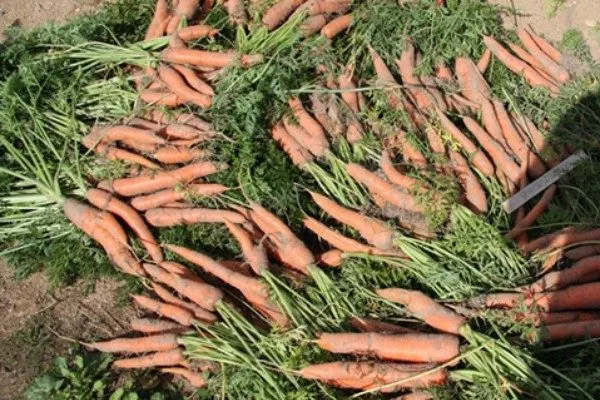
Harvest root vegetables when they reach technical maturity. If you sowed the seedlings in late spring, dig up the harvest in late August or early September. If you sowed in summer, harvest in October.
Use a pitchfork to dig up the root vegetables, then carefully pull them out by hand and trim off the tops, leaving 4-5 cm from the base. Dry the vegetables in the garden bed for several hours in the sun. If it rains, move them to a dry room and dry for 5-6 hours.
Various problems and solutions
This variety is virtually problem-free, with the exception of pests. The only difficulty may arise during harvesting: the roots must be pulled out carefully to avoid damaging them.
Other types of carrots similar to this variety
| Name | Carotene content, mg/100 g | Growing season, days | Resistance to cercospora leaf spot | Optimal planting density, thousand units/ha |
|---|---|---|---|---|
| Darina | 12-15 | 110-120 | average | 800-900 |
| Berlicum Royal | 14-16 | 125-135 | high | 700-800 |
| Sweet tooth | 16-18 | 100-110 | low | 900-1000 |
| Morevna | 13-15 | 115-125 | average | 850-950 |
| Bastia | 15-17 | 105-115 | high | 950-1050 |
| Berski | 14-16 | 120-130 | average | 750-850 |
| Bangor | 17-19 | 95-105 | low | 1000-1100 |
Species similar in properties to the Emperor include all varieties of the same cultivar type. These include the following varieties:
- Darina. Large and even root vegetables with excellent taste.

- Berlicum Royal. Characterized by good taste and high productivity.
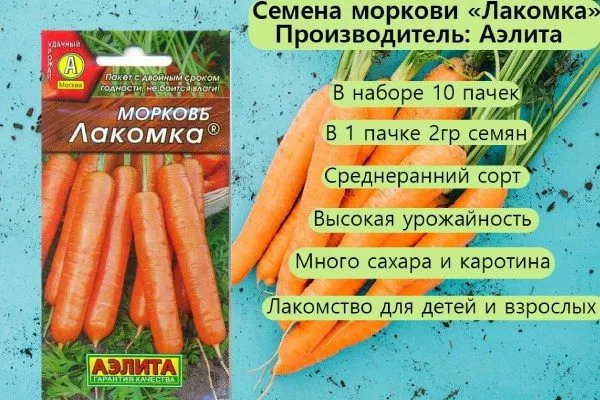
- Sweet tooth. Attracts with juicy and sweet fruits, suitable for juice.
- Morevna. It is distinguished by large vegetables and good taste.
- Bastia. A hybrid with uniform size and good keeping quality.
- Bersky. Pleases with large root vegetables and excellent taste.
- Bangor. An excellent choice for storing and preparing juice.
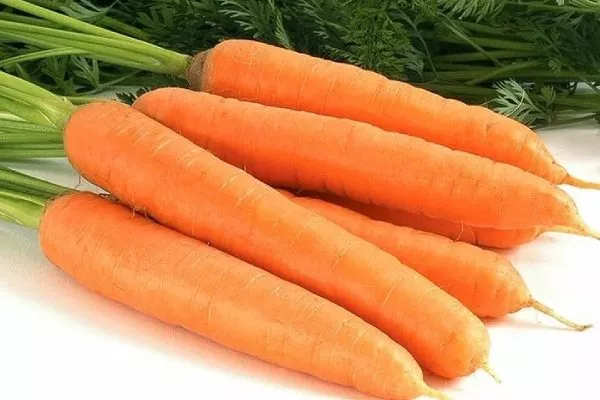

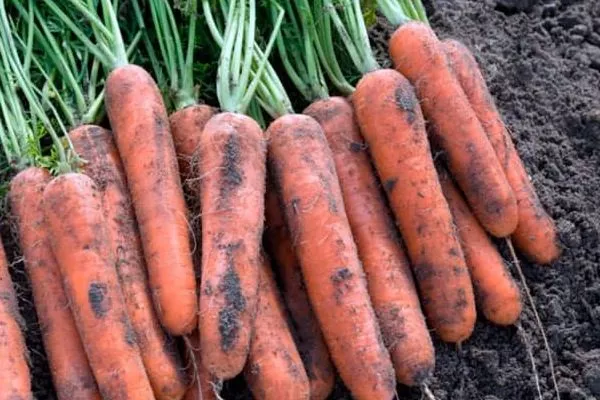

These varieties are distinguished by large, uniform vegetables and excellent flavor. They have similar soil preferences, making them suitable for a variety of garden plots.
Reviews
The Emperor carrot is a high-yielding variety with numerous advantages. It will satisfy the needs of even the most demanding gardeners. By following simple planting and care guidelines, you can grow large, tasty vegetables for various dishes and winter storage.