
Storing root vegetables remains a pressing issue today, as they are grown seasonally and consumed year-round. They can be stored in a variety of ways, each with its own unique characteristics, which are discussed further in this article.
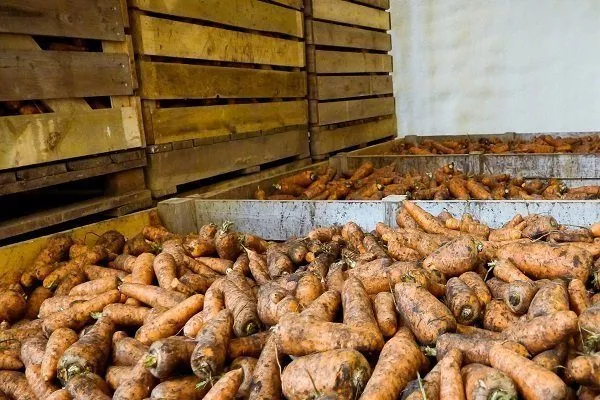
Abandonment in the ground
This method is used not for the entire harvest, but for a portion of it. It allows you to preserve root vegetables for consumption in the spring.
Storing carrots in the ground is simple. When harvesting in the fall, leave the necessary portion in the ground. Trim off the tops completely. Be sure to cover the carrot plot with plastic wrap and sprinkle with dry leaves and sawdust. Lay a layer of roofing felt on top, weighing it down with bricks at the edges.
A plot prepared in this way ensures carrot storage throughout the winter. They should be dug up in early spring, not all at once, but in portions as needed. The vegetable can be stored in the ground until late spring.
Storage in the cellar
There are several proven ways to store carrots in the cellar.
In sawdust
A root cellar is an excellent option for storing various vegetables. Sawdust helps preserve them longer and better.
To store vegetables this way, you need boxes. Sawdust is sprinkled on the bottom of each container, and the root vegetables are placed on top, ensuring they don't touch. The layer of carrots is covered with sawdust, then another layer of root vegetables is added, which is then sprinkled with sawdust again. In this manner, you can fill the boxes to the top.
Root vegetables sprinkled with sawdust can be stored for up to a year. It's best to use pine needles, as they contain more phytoncides, which prevent sprouting and some common diseases (virals and fungi).
In the sand
The principle of storing vegetables in sand is the same as in sawdust. You can sprinkle the vegetables with either dry or wet sand. Besides boxes, buckets and pots are also convenient.
- ✓ Use only clayey sand, river sand is not suitable due to its insufficient water-holding capacity.
- ✓ The optimal moisture content of the sand should be such that when squeezed in your hand it does not crumble, but also does not release water.
Clayey sand is required for storing vegetables; river sand is not suitable. It's better to use moistened sand—mixing the dry sand with water in equal parts. Adding chalk to the moistened sand will ensure long-lasting freshness of carrots and prevent bacterial growth.
Carrots can be stored in sand for up to 8 months. This shelf life can be extended by adding ash to the sand.
If you don't have suitable storage containers, you can stack carrots in pyramids. First, pour a thick layer of sand on the floor, then lay out a row of carrots on it. Cover this with sand, and then lay out the next row of carrots, but in a staggered pattern. This method can create pyramids up to a meter high. The sand should be slightly damp.
In plastic bags
This storage option is suitable if the cellar is sufficiently dry. High humidity will cause vegetables to spoil quickly.
For this storage option, you'll need 5-25 kg polyethylene bags. Garbage bags are also suitable, but transparent bags are better for easy monitoring of the carrots.
Carrot bags should not be sealed, as this will cause the carrots to spoil due to the high carbon dioxide buildup. Bags can be sealed, but you'll need to poke holes in them to allow air to circulate.
Instead of plastic bags, you can use cling film. Vegetables should be washed and dried. Wrap root vegetables in groups of 3-5 (depending on their size); larger quantities will cause the product to spoil quickly.
Condensation on the bags indicates high humidity in the room. Under these conditions, root vegetables will begin to spoil. To avoid this, sprinkle slaked lime near the bags. It will absorb excess moisture.
In the moss
Moss's appeal for storage stems from its preservative effect. This material ensures the correct amount of carbon dioxide in storage containers. Another advantage of moss is its light weight, so transporting it is relatively easy if necessary.
- ✓ Moss should be collected in ecologically clean areas to avoid contamination of root crops with harmful substances.
- ✓ Before use, the moss must be dried in the shade for 3-5 days to remove excess moisture.
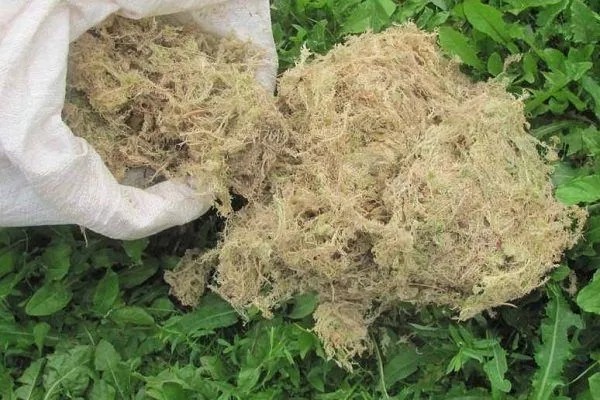
The moss used for storing vegetables must be dry. Root vegetables do not need to be washed beforehand, but should be allowed to air-dry. After drying, place the vegetables in a cool place and keep there for 24 hours.
For storage, root vegetables with moss are laid out in layers - the algorithm is the same as in the case of sawdust or sand.
In the peat
Peat for storing carrots should be loose, high-moor peat that has not decomposed completely. The optimal moisture content is 40-50%.
As with sand and sawdust, vegetables and peat are placed in layers. A wooden box or cardboard container will do. First, add a layer of peat, then a layer of vegetables, making sure the roots don't touch each other. Repeat this alternation until the container is full.
Peat allows root crops to remain firm and juicy for a long time.
In enamel pots
Vegetables for this type of storage must be dry and clean. The tops must be trimmed, and carrots must be dried in the sun.
Place the fruit vertically in the pan and cover with a dry cloth or paper towels. Be sure to close the lid.
Vegetables in enamel pots can be stored in a cellar or on a balcony. A cool, humid location is essential.
Clay filling
Clay prevents root vegetables from wilting and sprouting throughout the winter. Preparing the clay solution takes several days. Follow the steps below:
- Fill a bucket halfway with clay, dilute with water, and leave for 24 hours to swell.
- Stir the mixture, add more water, leave for a few days – there should be a 2-3 cm layer of water on top.
- The consistency of the finished solution should be no thicker than sour cream.
For storing carrots in clay pots, you'll need boxes. Line the bottom of each container with plastic wrap (film or a cut-up bag). Place a layer of root vegetables, ensuring they don't touch. Cover this layer with clay potting mix and let it dry. Then add another layer of carrots and cover it with clay potting mix again. Following this procedure, you can fill the box completely. Allowing each layer to dry is essential.
Dipping in clay solution
Preparing a solution for this type of storage is simple. Simply dilute the clay with water to a consistency similar to thin sour cream, but make sure the solution doesn't run off the vegetables.
Don't wash carrots before processing. After soaking, place them in a well-ventilated area to dry. They can be stored in wooden crates or cardboard boxes.
Storage in lime
Slaked lime is used for storage. It should be diluted 1:10 to achieve a creamy consistency. Carrots should be thoroughly dried before processing. Each root vegetable should be dipped in lime solution and allowed to drain off any excess.
The carrots treated in this way should be placed in a well-ventilated area for 1-2 days. Once all the roots are dry, store them in a large box and seal the container. This treatment prevents the fruits from wilting and rotting.
Storage in chalk powder
Another way to preserve vegetables for as long as possible is with chalk. This powder should be in powder form. 20 grams of chalk powder is required per 1 kg of vegetables. Root vegetables should be thoroughly dried before processing. Each fruit should be powdered and then placed in boxes for further storage.
Storage on the balcony
Not everyone has a cellar, so carrots have to be stored indoors. A glassed-in balcony is a good place for storage.
In the boxes
Vegetables can be stored in boxes, sprinkled with sand or sawdust, just as they would be in a cellar. If the balcony is cool enough, the root vegetables should be placed in boxes and covered with an old blanket or thick cloth.
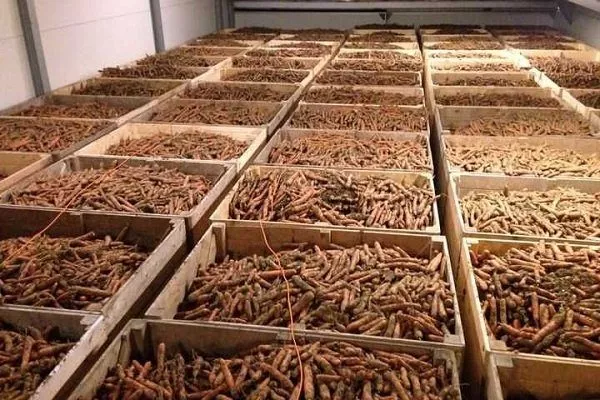
The shelf life of vegetables on the balcony in boxes is up to six months.
In paraffin
Using paraffin guarantees the shelf life of carrots for up to 4 months. The vegetables should be washed and dried beforehand. The paraffin should be heated until it becomes liquid. Dip each carrot into this mixture. Carrots with a hardened paraffin layer can be stored in small boxes.
Storage in onion or garlic peels
Using onion or garlic peels allows you to store vegetables in a variety of settings, even under the bed in a city apartment. Low-profile containers are ideal for this purpose, as they can easily fit under various furniture, and root vegetables should be stored in a single layer, without touching.
Vegetables should be thoroughly sprinkled with onion or garlic peels. Both the peels and the root vegetables should be stored dry.
Storing carrots in the refrigerator
You can store root vegetables for short periods in a regular refrigerator. This method allows you to preserve vegetables for up to 2 months.
Before storing, carrots should be washed and dried. They should be stored in plastic bags, preferably in a single layer. Special drawers or shelves are used for storing vegetables in the refrigerator, and carrots should be placed here, as they maintain the optimal temperature.
Freezing carrots
Freezing various foods is becoming increasingly popular. This can be a freezer compartment within a refrigerator or a separate unit (a chest or cabinet).
Storing carrots in the freezer requires specific preparation. This involves washing, peeling, and chopping the roots. You can grate the carrots or cut them into any convenient shape—dices, strips, circles, or half-moons. Carrots prepared this way are then used in various dishes that require cooking.
Shredded carrots are best frozen in small portions. You can use plastic bags (there are special high-density freezer bags), cling film, containers, or plastic jars (yogurt jars are convenient).
First, freeze the shredded carrots in a single layer on a plate or cutting board. Be sure to cover the container with plastic wrap to prevent them from absorbing freezer odors. Once the carrots are frozen, transfer them to a suitable container and place them in the freezer for long-term storage.
You can store carrots in the freezer for up to a year. When needed, remove the desired portion and cook as usual. Defrosting before cooking is not necessary.
Carrots can be frozen not only separately, but also with other vegetables and herbs – such mixtures can be used for frying, stewing, baking, adding to soups and other dishes.
Another option for storing vegetables in the freezer is cooked. Typically, people make stir-fries for soups and stews and then freeze them in portions. When needed, a portion of the frozen stir-fry can be added to the desired dish.
For information on how to properly freeze carrots for the winter, watch the following video:
Garage storage
If you have a cellar in your garage, you can store vegetables using any suitable storage method—sand, sawdust, or clay. Storage without a cellar is also possible, but for short periods, making this option suitable for small harvests.
For storage, wrap each root vegetable in newspaper (1-2 layers are sufficient). Place the prepared carrots in small boxes. Wrapping them in newspaper extends their shelf life and protects them from rotting.
Carrots are widely used in cooking in various forms. They are eaten year-round, so it's important to preserve them for as long as possible. There are many ways to store carrots. The appropriate option should be chosen based on your budget and preferences.