
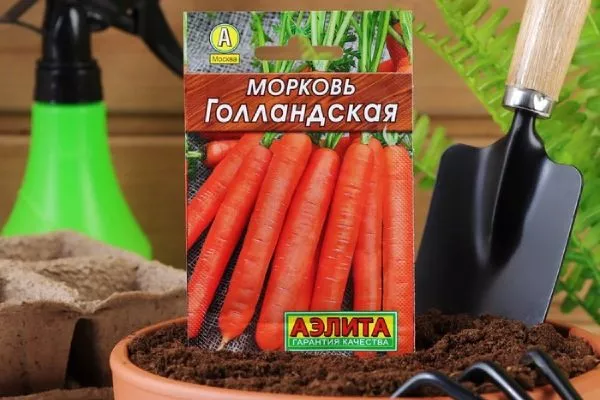
The Dutch carrot is a table variety, intended for fresh consumption. This variety is considered high-yielding, resistant to diseases and pests, and has excellent marketability. According to the originators, the seed has excellent germination potential.
Introduction to the variety
Dutch carrots are recognized as one of the most popular varieties for cultivation due to their attractiveness and high success rate. This variety is known for its ability to retain freshness for a long time during long-distance transportation.
Characteristics of the appearance of the plant and root crops
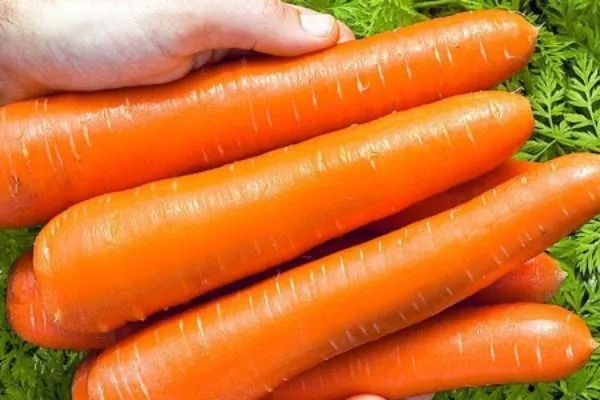
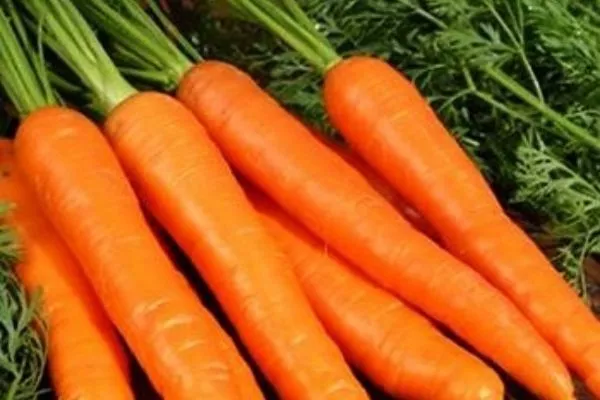
The tubers have a smooth surface, a cylindrical shape with slightly rounded ends and a slight tail. Their length typically ranges from 18 to 21 cm. The tubers are bright orange, and the flesh is very tender and juicy. As they grow, the tubers form a large clump of rosette-shaped foliage with deeply dissected, pinnate, green leaves.
- ✓ Bright orange color of roots with tender and juicy pulp.
- ✓ Rosette tops with deeply dissected, pinnate leaves of a green hue.
Purpose and taste of tubers
Dutch carrots have an excellent flavor, making them ideal for a variety of dishes. The main advantages of this variety are their juiciness and ability to retain their texture and color during processing. The tubers can be stored throughout the cold season without losing their nutritional value.
Maturation
The growing season for this carrot variety lasts from 70 to 100-110 days, depending on local climate conditions. In more southern regions, the root crop ripens more rapidly.
Productivity
Dutch carrots are known for their high yields. Typically, up to 7-8 kg of root vegetables can be harvested from one square meter of soil, but this is only possible with careful and proper care.
Resistance to diseases and pests
This carrot variety It has sufficient immunity against various diseases, but is susceptible to attack by flies. To protect the plant from these pests, you can install a net or polyethylene barrier at least 50-60 cm high around the bed. This barrier will prevent adult insects, which typically do not fly higher than 50 cm.
When clearing weeds and dry vegetation, be especially careful to avoid attracting carrot flies. These insects can smell the aroma of crushed leaves even from a distance.
Among the main threats to this variety is scleroderma rot, which develops under a combination of high temperatures and humidity. A white coating appears on the carrot roots. Careful preparation of the soil where the pathogens overwinter is essential for combating fungal diseases.
Growing and care
Planting carrots The planting procedure for Dutch carrots is no different from that of other varieties. It's recommended to start the process early so that the harvest can be harvested in the summer. This carrot variety doesn't require any special soil conditions and doesn't like overly fertilized areas.
Cultivation features:
- Fertilizing with organic fertilizers is strictly prohibited.
- It's best to plant Dutch carrots in areas previously occupied by cabbage, pumpkin, or greens. Avoid planting carrots in areas where other root vegetables were recently grown to avoid introducing diseases.
- ✓ The optimal soil pH should be in the range of 6.0-6.8 to prevent the development of fungal diseases.
- ✓ The soil must be well-drained to avoid water stagnation and root rot.
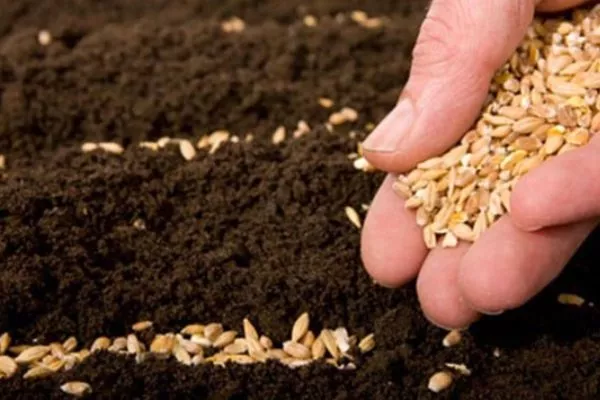
- The seeds require no special preparation for planting. They should be sown in open ground when the temperature has warmed to 17-18 degrees Celsius.
- Due to the small size of the seeds, use special hand seeders to distribute them evenly. This will eliminate the need for thinning the plants later.
- The sowing depth should be no more than 3-3.5 cm, leaving a gap of 2-4 cm between seeds and 15-18 cm between rows.
- To grow mature carrots, maintain a row spacing of 45-70 cm, with the width of the gaps being a multiple of the width of the agricultural machinery used.
- To ensure a rich and abundant harvest of Dutch carrots, it is necessary to follow a specific care system:
- Arrange regular irrigation, at least twice a week;
- loosen the soil after each irrigation and remove weeds;
- Apply fertilizer at least three times during the entire plant growth period.
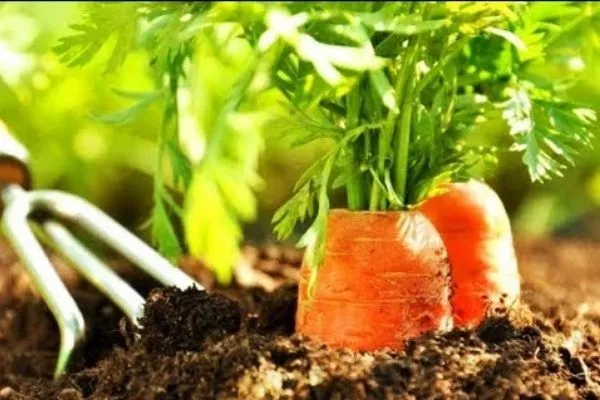
When growing this carrot variety, gnarled roots often develop due to the plant being grown in poorly saturated, overly compacted soil. To avoid this and ensure attractive roots, regularly loosen the soil.
Reviews
Dutch carrots are a self-sufficient variety, not a hybrid, so you can collect your own seedlings and sow them in your garden. This variety is highly disease-resistant, but is susceptible to carrot fly infestations. It doesn't require special planting conditions, but it doesn't tolerate excessively cool climates.