
The Forto carrot variety has gained popularity among gardeners due to its excellent qualities and resistance to various climatic conditions. It is characterized not only by good productivity and impeccable root taste, but also by its ease of cultivation. Proper care is essential to ensure high yields.
Introduction to the variety
Royal Forteau belongs to the Nantes variety. It boasts numerous advantages, including resistance to various diseases. Sunny sites are the most favorable growing conditions.
History of breeding
Developed by Dutch breeders from Monsanto Holland BV in 1993, it was included in the Russian State Register four years later. It is suitable for cultivation in both garden beds and large farm plantations.
Appearance of the plant and root crops
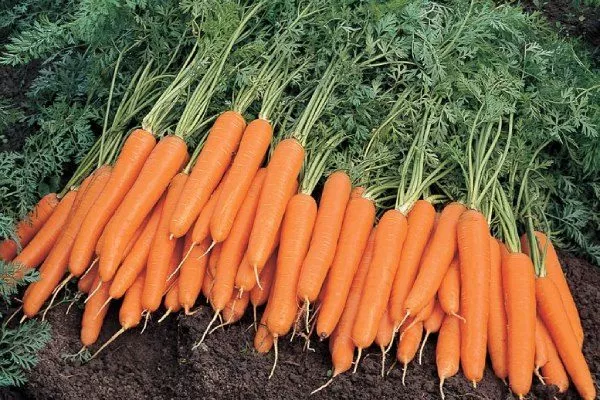
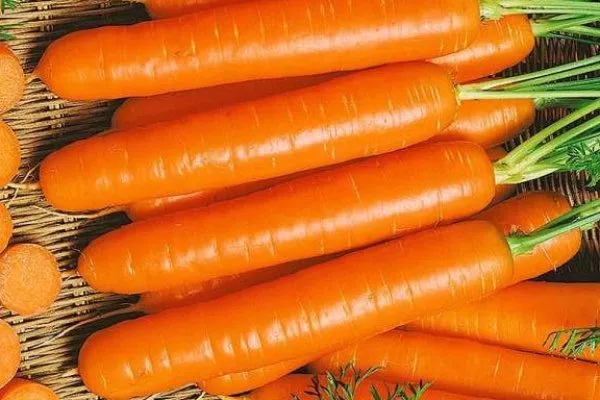
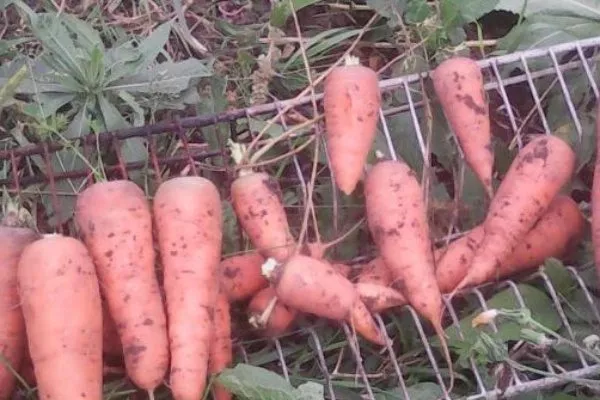
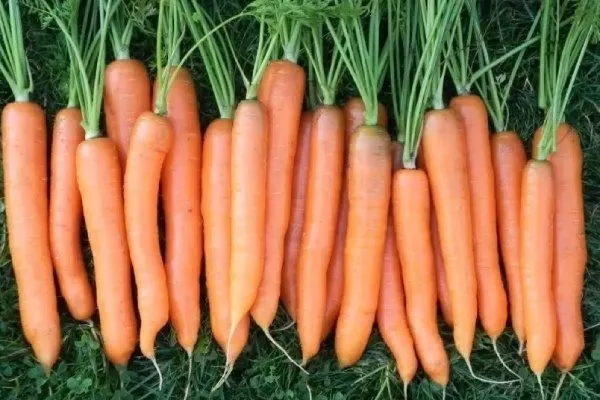
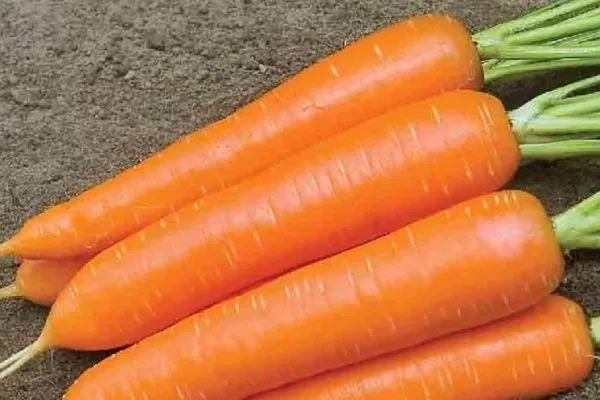
The rosette of leaves can be either compact or semi-spreading. The leaves grow elongated or medium-length, with a characteristic green color. The roots are large, cylindrical, with a blunt tip.
Amount of fructose and beta-carotene
The value of any product is determined by the vitamins and nutrients it contains. Fructose content is 9% per 1 kg of vegetables. Beta-carotene levels range from 6.5 to 19 mg per 100 g of product, depending on the quality of fertilizers and soil treatment before planting.
Germination
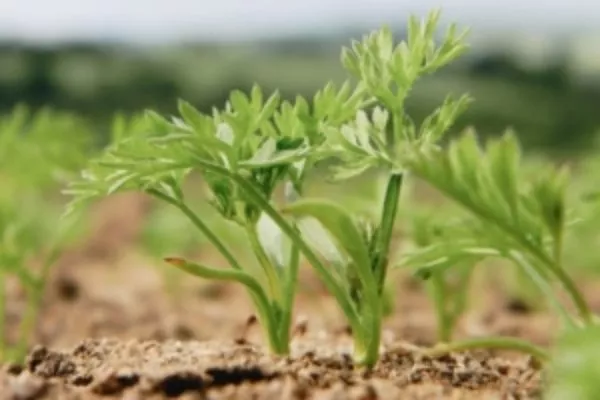
Characterized by good seed germination, approximately 75-80% of seeds germinate. Germination time depends on climate conditions, soil composition, and fertilizing. At temperatures above 3°C, seeds germinate in as little as 14 days. At lower temperatures, the first shoots appear only after 4 weeks.
Maturation
This is a mid-late variety—it takes 120-130 days from germination to full root ripening. The fully ripened vegetables are harvested in August-September.
Productivity
This is a high-yielding variety. On average, up to 4.5 kg of crispy root vegetables are produced per square meter. When grown on an industrial scale, yields range from 312 to 450 centners per hectare.
Purpose and shelf life
The vegetables ripen sweet, harmonious, and delicious. The shelf-stable fruits are versatile: suitable for both fresh consumption and for a variety of dishes.
Carrots are used for various processing purposes, including making homemade juices. They are also suitable for canning and freezing for long-term storage.
Resistance to diseases and pests
The variety has moderate immunity, so preventative measures are essential. Improper care can lead to fungal diseases. The most dangerous pests for the crop are carrot flies, moths, cutworms, and nematodes.
Frost resistance and transportability
It can withstand temperatures down to -4-5°C. It tolerates transportation well, but only healthy, intact specimens are harvested for this purpose.
Suitable regions
It is cultivated in all regions of Russia, from the south to the Urals and Siberia. It also grows successfully in Ukraine and Moldova.
Technology for farms and peasant households
It is highly technologically advanced, requiring no additional care during cultivation. Its good shelf life, high yield, and long shelf life make it a popular choice for feeding various livestock.
What makes it different from the others?
It attracts attention with the following features: sweet flesh, thin skin and roots that emerge from the ground by 1-2 cm as they grow.
Advantages and disadvantages
Before sowing seeds in your garden, research the crop's pros and cons. Forto has many advantages:
Among the disadvantages, gardeners note:
Landing
To successfully grow a crop from seed, it's important to prepare the site in advance. This is a simple procedure, but it does require following certain guidelines.
- ✓ The site must be protected from strong winds that can damage young seedlings.
- ✓ The soil should be pre-tested for pests such as wireworms, which can damage root crops.
Where is it recommended to plant?
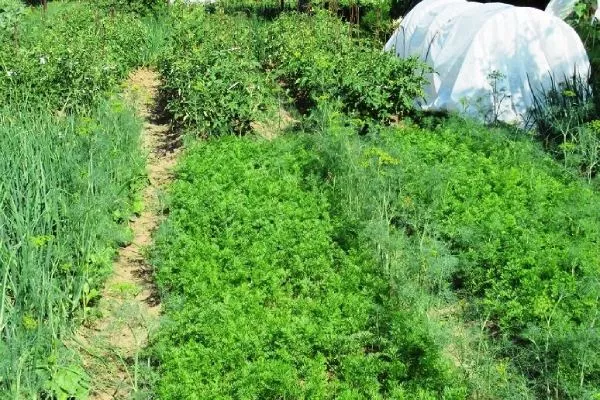
Forto is ideal for both open-air cultivation and greenhouse planting. Seeds can also be sown indoors—all you need is a ready-made substrate and special planting trays.
Sowing time
Carry out sowing when the temperature regime has stabilized, which usually occurs from April 20 to May 15.
What kind of soil is preferable?
The plant prefers light, nutritious, loose soil with good drainage and low or neutral pH. Loamy or sandy loam soils are ideal for planting.
Key rules
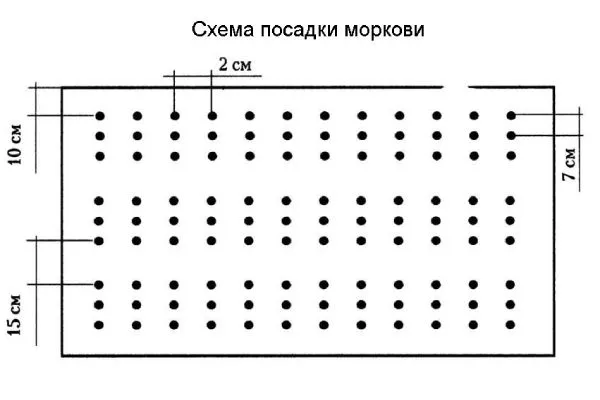
To grow carrots from seed, prepare long furrows 1-1.5 cm deep and plant the seeds. The distance between rows should be approximately 20 cm. Sow using a 15-20 x 5 cm pattern. Maintain a 5 cm spacing between seeds.
Care
Carrot care involves several key aspects that contribute to a good harvest. Follow standard agricultural practices:
- Watering. Provide regular and even watering. Maintaining soil moisture is especially important during germination and fruiting. Water early in the morning or late in the evening. Avoid crusting the soil surface, which can hinder seed germination.
- Fertilizers. To ensure good growth and development, add organic or mineral fertilizers to the soil before sowing or when the first shoots appear.
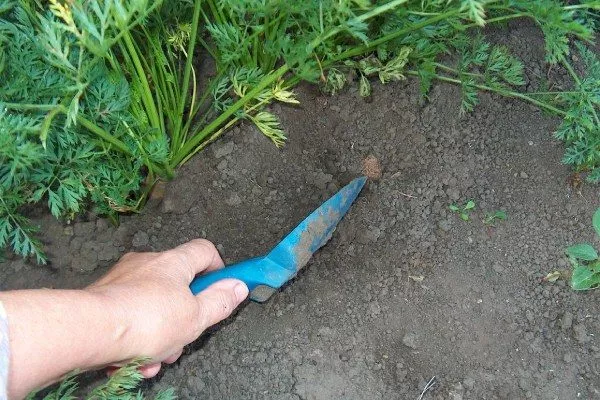
- Loosening. The procedure improves air access to the roots and reduces the risk of crust formation.
Collection and storage
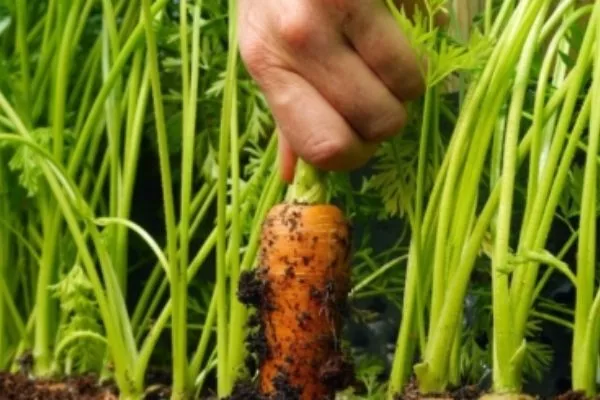
Harvest in late August or mid-September. Do this in dry weather. Remove the root vegetables from the ground by pulling on the tops. If the tops are torn off or the vegetables are too small, use a shovel to remove the roots.
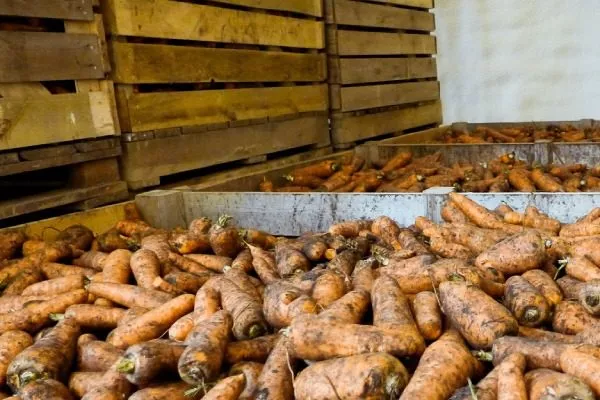
After harvesting, lay the vegetables out to dry in a dry, warm place, but out of direct sunlight. Leave them to dry for several hours, or ideally, all day. Trim off the tops and clear the surface of any remaining soil. Store the harvest in wooden crates with holes for storage.
A cool, dry cellar is ideal for long-term storage. Before storing vegetables, treat all surfaces with lime to protect against moisture and pests. Store only whole and healthy vegetables in crates. Check regularly for rot and remove any damaged roots.
Diseases and pests
Forto is susceptible to attacks by several types of pests. To prevent and control their numbers, treat the plantings with insecticides. Among the most popular and effective are Actellic, Fitoverm, Chlorophos, and Fusalon.
Various problems
Growing the crop can present some challenges. The following are some of the difficulties identified:
- Fruit cracking. This occurs due to excess nitrogen, irregular or excessive irrigation, or heavy soil, which hinders fruit germination.
- Unsightly appearance or deformation. Most often, this is due to improper agricultural practices, including insufficient watering or the use of fresh manure or nitrogen fertilizers. Flavor is usually not affected.
- A large number of root shoots on the root crop. This can be caused by insufficient moisture or unsuitable soil composition. This problem is less common in fertile and moist soils.
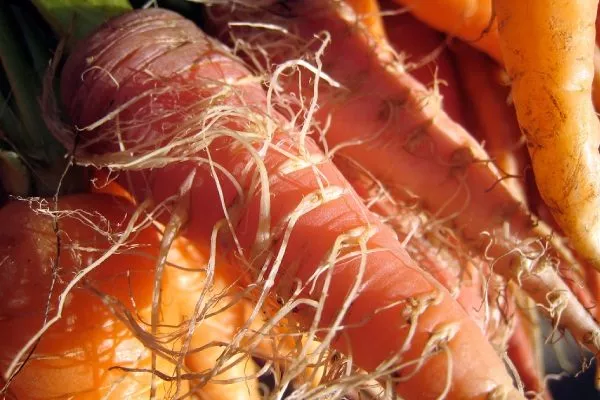
To prevent these problems, ensure regular and moderate watering, do not overload the soil with nitrogen, use suitable fertilizers, and follow proper agricultural practices.
Similar varieties
| Name | Ripening period | Disease resistance | Beta-carotene content |
|---|---|---|---|
| Nantes 4 | 120-130 days | High | 6.5-19 mg/100 g |
| Vitamin 6 | 120-130 days | Average | 6.5-19 mg/100 g |
| Losinoostrovskaya 13 | 120-130 days | High | 6.5-19 mg/100 g |
| Incomparable | 120-130 days | Average | 6.5-19 mg/100 g |
Gardeners note several carrot varieties that are similar to Forto. Below are several varieties with similar characteristics:
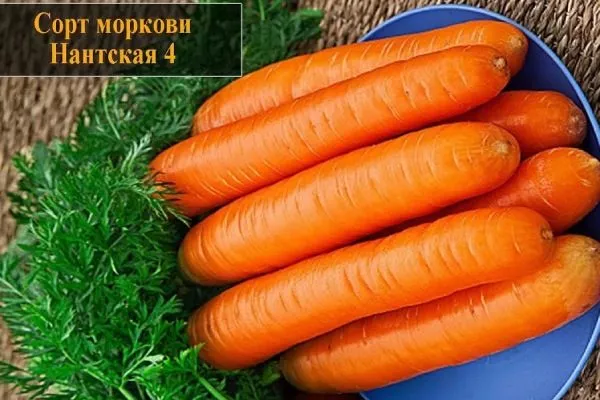
- Nantes 4. Identical in terms of ripening time, shape and root color.

- Vitamin 6. It's a mid-late variety. It has deep orange flesh and a similar amount of fructose and beta-carotene.
- Losinoostrovskaya 13. The fruits are just as sweet and are ideal for baby and dietary nutrition. The vegetables are similar in size.
- Incomparable. The main similarities are external features and the content of useful substances.

Reviews
The Forto carrot is an ideal choice for those who value quality and reliability in vegetable growing. Thanks to its strong immunity, ease of cultivation, and excellent taste, this variety justifies its popularity among both novice and experienced gardeners. To ensure good yields and high-quality fruits, proper care is essential.