
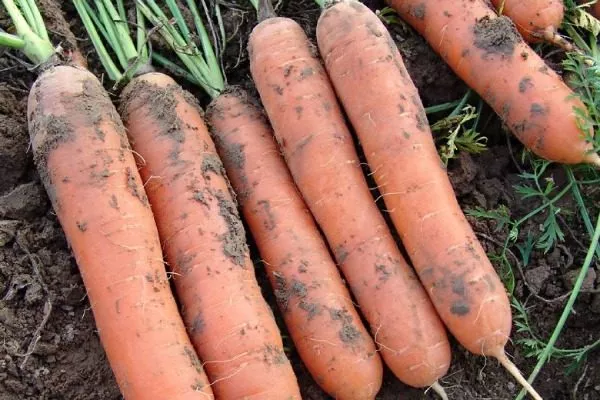
Sweet Baby Carrots are one of the best varieties for children. Mothers love them for their sweet flavor, the incredible juiciness and crunch of the roots, and their high vitamin content. Children enjoy eating them raw or processed (juice, puree), reaping the significant health benefits.
Introduction to the variety
This vegetable variety is mid-season. The growing season is 90-118 days. Bunched carrots can be harvested as early as 60 days after sprouting. Gardeners begin harvesting the crop in late July or early August.
Children's sweets are also characterized by other excellent characteristics:
- transportability and shelf life of the harvest (vegetables can be stored for 3-5 months without losing their juiciness and marketable appearance);
- the absence of a tendency for root crops to crack;
- drought and cold resistance of plants (they can withstand short-term frosts down to -4°C);
- their resistance to bolting and flowering.
Beneficial properties
This variety is renowned for its high vitamin content. This vegetable is very rich in carotene (as evidenced by the red-orange hue of its flesh) – 20 mg/100 g.
This variety of vegetable is also rich in other valuable substances for the eater:
- vitamins C, E, K, PP and group B;
- minerals (potassium, iron, phosphorus, magnesium, cobalt, copper, iodine, zinc and others);
- essential oils and phytoncides;
- pectin;
- antioxidants such as lycopene.

The recommended daily intake of carrot juice for adults is 250 ml. Combine it with vegetable or dairy fat to improve carotene absorption. Stewing increases the carotene content by 30%.
External and taste characteristics, purpose
The plants reach 30-40 cm in height. Their leaves are fragile, medium-dissected, and green. The roots have the following characteristics:
- cylindrical blunt shape;
- length - up to 21 cm;
- diameter - 2.5-3 cm;
- weight - from 130 g to 200 g;
- bright red-orange color;
- even and smooth surface with gloss and poorly developed eyes;
- small and poorly defined core;
- with tender, crunchy flesh and plenty of juice.
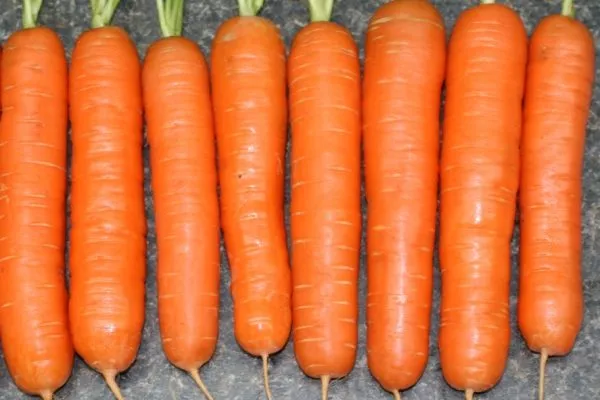
This variety is considered one of the sweetest and juiciest among other summer carrots. Its roots contain 9% sugar. It's delicious fresh, boiled, stewed, and fried. It's suitable for a variety of dishes, juice, baby food, and canned goods for the winter.
How to plant?
Sow the Detskaya Sladkaya variety in open ground at the following times:
- in spring - in late April and May;
- in autumn - from the second half of October to the beginning of November, when the temperature reaches +5°C.
Allocate a plot of land for a carrot bed that meets the following requirements:
- well-lit by the sun;
- with loose and fertile soil, sandy loam or light loamy, with a pH of 5.5-6.6;
- where you previously grew tomatoes, cucumbers, potatoes, beans.
- ✓ The soil pH level should be strictly within 5.5-6.6 for optimal nutrient absorption.
- ✓ The soil must be well aerated, with an organic matter content of at least 3%.
If you plan to sow seeds in the spring, prepare the site in the fall. For winter sowing, prepare the site three months before the planned date. Follow these steps:
- Dig the area to a depth of 30 cm;
- add sand or sawdust if the soil type is black soil;
- fertilize with organic matter (compost) if the soil is loamy or sandy.
Before planting, enrich the soil with mineral mixtures: potassium sulfate, potassium salt, and superphosphate. These will increase the potassium and phosphorus content of the soil and protect the carrots from viral and bacterial infections. When planting, also add wood ash—a powerful weapon against fungus and a soil deoxidizer.

Follow the sowing pattern:
- row spacing - 18-20 cm;
- sowing depth - 2 cm (1-1.5 cm - if you sow the crop before winter);
- step - 3 cm.
Sow the seeds in pre-dug and watered furrows. Cover them with soil. Cover the seedlings with plastic film until they emerge. This will prevent rain from washing away the soil and retain moisture. Once the seedlings emerge, remove the covering.
Growing
To get a rich harvest of orange root vegetables when growing this variety in open ground, take proper care of its planting:
- Carry out thinning of seedlingsThis measure will prevent the plantings from becoming too dense. Perform the procedure for the first time after the seedlings have developed their first two true leaves. Maintain a distance of 2-3 cm between plants.
Thin the planting again when the second pair of leaves appears. Increase the distance between bushes to 6 cm. - Water the garden bedMoisture is essential for producing large, juicy, and sweet carrots. A deficiency causes the roots to become sluggish and bitter.
Moisten the soil to a depth of 20-30 cm. Water every 7-10 days. Take weather conditions into account. Increase or decrease the frequency of watering as needed. - Destroy weedsTo ensure proper development of vegetable crops and to prevent crops from becoming infected with diseases and pests, promptly remove weeds from the garden.
- Loosen the soilRepeat this procedure throughout the growing season (at least six times per season) to oxygenate the soil. This also prevents root rot.
- Fertilize the cropFor normal carrot development and the formation of large roots, potassium is essential in large quantities. Use potassium sulfate, potassium monophosphate, or borofoska as fertilizer.
- If necessary, treat the plantings with insecticides and fungicides.to cure plants in the garden from diseases and protect them from pests.
Conduct a selective harvest in July. Begin the main harvest in August or September. Store vegetables in a dark, dry cellar at 0°C and 85-95% humidity.
Value of the variety
The Detskaya Sladkaya variety is valued by gardeners for its many advantages, such as:
Reviews
Sweet Baby Carrot is one of the most delicious and nutritious varieties of this mid-season vegetable crop. When grown correctly, this variety produces a good harvest with a marketable appearance and excellent consumer qualities. The high sugar and carotene content of the roots makes it an ideal choice for children's meals.