
Bolero carrots are an ideal choice for those seeking a high-quality harvest with minimal effort. Thanks to their low maintenance, excellent shelf life, and superb flavor, this variety can satisfy the needs of both professionals and beginners. Proper care and following recommendations will help you achieve excellent results.
What kind is this?
Carrots are a versatile and frequently used vegetable. This crop is extremely popular and comes in many different varieties. The most popular is the Bolero variety.
Origin
This first-generation hybrid was developed by breeders at a French company founded in 1744. It belongs to the Berlicum/Nantes variety. It was approved for use in Russia in 2009.
Appearance, application and taste
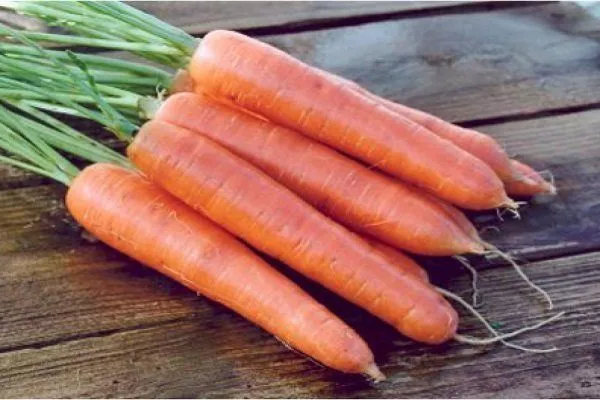
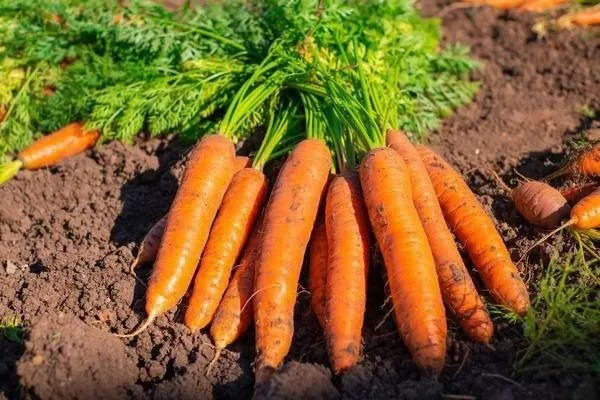
The plant is upright, with long green leaves that can be medium- or coarsely dissected. The roots are cylindrical, ranging in length from 18 to 20 cm. Each vegetable weighs between 85 and 190 g. It has a rounded tip and bright orange skin.
Bolero boasts a balanced flavor, combining moderate juiciness with a hint of sweetness. The fruit keeps well and does not spoil during long-distance transportation or storage.
This variety is versatile: it's suitable for canning, preparing various preserves, and making snacks with other vegetables. It retains its beneficial properties and vitamins when frozen.
Composition and beneficial properties
Bolero contains 12-15 mg of carotene per 100 g of product, up to 12% dry matter and 8% sugars.
Microelements:
- calcium;
- potassium;
- sodium;
- magnesium;
- phosphorus;
- iron;
- zinc;
- chlorine;
- fluorine;
- iodine;
- chromium;
- vitamins E, C, K, H, B, A;
- essential oils.
Nutritional value (per 100 g of product):
- Proteins: 1.3 g.
- Fat: 0.2 g.
- Carbohydrates: 6.6 g.
- Water: 89 g.
- Dietary fiber: 2.2 g.
- Ash: 1.2 g.
- Starch: 0.2 g.
- Organic acids: 0.3 g.
Beneficial properties:
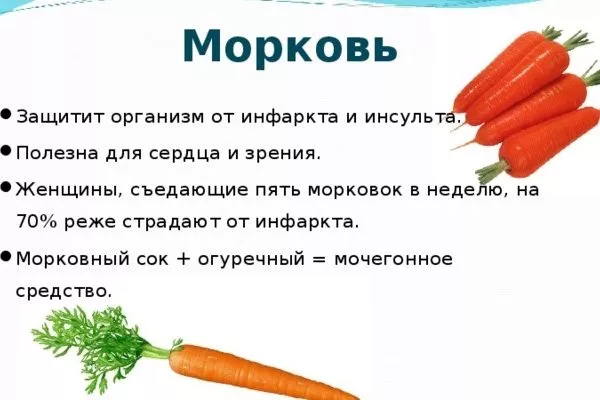
- Increases immunity, helps resist viruses and infections.
- Has a beneficial effect on the nervous system.
- Restores intestinal microflora, eliminates dysbacteriosis.
- Removes toxins and reactive substances from the body.
- Has a beneficial effect on male potency.
- Normalizes the functioning of the gastrointestinal tract.
- Reduces the risk of developing cancer.
- Removes stones from the kidneys and gall bladder.
Ripening period and yield
It's a mid-season variety, so the period from germination to full maturity takes 100-115 days. The yield is high: under normal conditions, approximately 6 kg are harvested per square meter, and under optimal conditions, up to 9 kg.
Disease resistance
The hybrid is highly resistant to infections and diseases. It has increased immunity to cercospora leaf spot, powdery mildew, and alternaria.
Which regions is it best suited for?
Recommended for cultivation in regions with a moderately cold continental climate. Suitable for growing in the central regions of Russia, Ukraine, and Belarus.
The main advantages and disadvantages of a hybrid
It's important to first familiarize yourself with the positive and negative qualities of the crop to prevent problems. Advantages of the hybrid:
Among the disadvantages, gardeners note that the crop is not suitable for growing at home and for winter sowing.
What is the difference from other varieties?
Bolero F1 is distinguished by its neatly shaped fruit, low maintenance, and high yield. These qualities have made it a favorite among vegetable growers.
Features of planting and growing
Each variety and hybrid has its own unique agricultural characteristics that must be taken into account when growing. Planting material should be sown no earlier than mid-May to allow the soil to warm up sufficiently and become saturated with moisture.
Preparing for landing
Before cultivation, disinfect the planting material to protect the sprouts from bacterial and fungal infections. Soak the seeds in one of the following solutions:
- 1% solution of potassium permanganate – leave for 10 to 20 minutes.
- 70% alcohol – soak for 10 minutes.
- 3% hydrogen peroxide – keep in solution for 8-10 hours.
After disinfection, "activate" the seeds by soaking them in clean, warm water at room temperature for 10-12 hours. To improve germination, place them in a biostimulant solution. Epin and sodium humate have shown good results.
Soil requirements
For successful cultivation, the main requirement is nutritious, loose soil. Prepare the soil in the fall by adding 5 kg of compost per square meter. In the spring, thoroughly dig the area and form shallow beds.
The best soil for growing this crop is sandy loam. If the soil is heavy, add sand, peat, or processed sawdust to improve the soil structure. Manure in the soil can cause a bitter taste and coarseness in root vegetables, so avoid it.
Predecessors
Sow seeds in an area where tomatoes, onions, lettuce, potatoes and cucumbers were previously grown (no earlier than 2 years later).
Timing, scheme and rules of planting
Sow the seeds in rows. Space them 15 cm apart, and 3-4 cm apart within a row. Plant them 1-2 cm deep. Afterward, thoroughly water the bed and cover it with agrofibre.
Sowing should be done in mid- to late May, when the soil has warmed up, lost excess moisture, and become enriched with nutrients. The optimal seeding rate is 0.5 g per square meter. Growing vegetables is easy if you follow the basic planting and care guidelines.
Care nuances
Regular plant care is the key to a bountiful and delicious harvest. Key steps include:
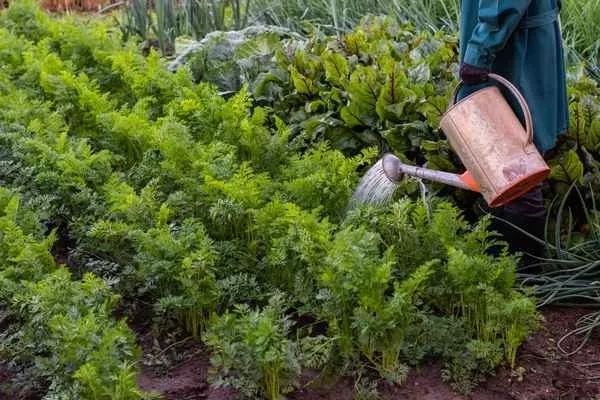
- Watering. The crop requires regular watering. Until mid-July, water the plants 1-2 times a week, preferably in the evening. After that, reduce the frequency by half. Moisten the soil so that moisture penetrates to a depth of 30 cm. This will ensure adequate nutrition for the root system and help grow dense and tasty root vegetables.
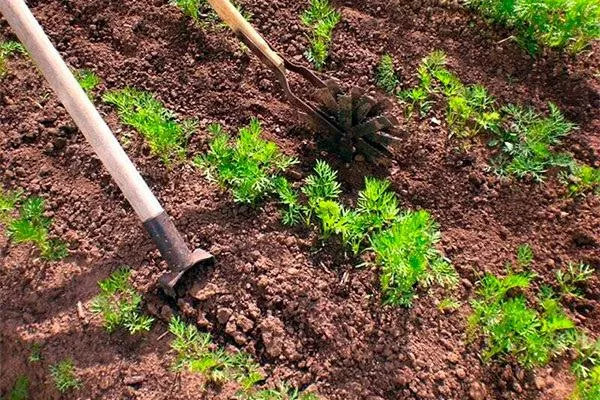
- Thinning and weed control. Thinning is an important step for increasing yields and improving the quality of root crops. Crowded plantings lead to competition between plants for resources.
When the plants form 2-3 true leaves, leave a distance of 3 cm between the shoots. Repeat thinning after 20-25 days, leaving a distance of 7 cm between plants.
Carry out the work early in the morning or late in the evening. Water the beds thoroughly before removing the seedlings. - Top dressing. To ensure healthy growth and a good harvest, fertilize plants twice during the growing season. Apply the first application 20 days after sowing. Apply the second application 60 days later.
Prepare a solution by dissolving 400 g of wood ash, 20 g of nitrophoska, 20 g of potassium nitrate, 20 g of urea, and 15 g of superphosphate in 10 liters of water. Apply this solution to the roots at a rate of 5 liters per square meter.
Pest and disease control
The hybrid is resistant to most diseases, but improper care can lead to increased pest and disease activity. The main diseases include phoma, white rot, gray mold, rhizoctonia, early blight, bacterial leaf spot, cercospora leaf spot, and brown spot.
Phoma, bacterial leaf spot, and cercospora leaf spot are not treatable; dig up and destroy affected plants immediately. Eliminate other infections early with fungicides:
- Blue Board;
- Aliette;
- Copper oxychloride;
- Rovral;
- HOM.
The crop can be attacked by carrot flies, leafhoppers, parasol moths, slugs, wireworms, aphids, and cutworms. To control them, use Actellic, Sharpei, Ziper, and Decis Profi.
Harvesting and storage
After much careful tending, it's time to harvest the vegetables. It's important to wait until the root vegetables are fully ripe, as immature ones don't keep well, rot quickly, and are susceptible to various fungal diseases.
How and when to collect?
Harvest in mid-September. By this time, the roots have reached a rich color, excellent flavor, and good firmness. Hand-harvest the vegetables only in dry, sunny weather.
Storage features and shelf life of the hybrid
Place the harvested vegetables on natural bedding in a dry, dark, windless place. Let them dry slightly for 3 hours, then remove the tops and store them in wooden boxes. The room temperature should be between 1°C and 10°C.
What difficulties might arise when growing?
This hybrid is easy to grow in any region of Russia. The main difficulties that novice gardeners may encounter are related to the seeding rate.
If the plantings are too dense, the farmer risks losing a large part of the harvest, as many plants will have to be removed.
Tips from experienced gardeners
Experienced agronomists recommend disinfecting planting material, strictly following the planting schedule, and regularly caring for the crops. These simple recommendations will help you enjoy delicious and juicy carrots all winter long.
Reviews from summer residents
The Bolero carrot is one of the most popular hybrids among gardeners. This variety is known for its excellent flavor, good productivity, and disease resistance. It is suitable for growing in a wide range of climates and delivers impressive results for both novice and experienced growers. Proper care is essential for abundant harvests.