
The Alyonka carrot is one of the most popular and sought-after varieties, earning the trust of gardeners thanks to its high productivity and excellent taste. It is distinguished by its juicy and sweet roots. It is important to study all aspects of cultivation and take proper care of the crop to ensure a high-quality harvest.
History of selection
Experienced breeders, including S. F. Gavrish, O. A. Volok, and E. V. Amcheslavsky, worked on developing the variety. After successful completion of all tests, it became available for wide use in 2017.
Features of the appearance of the plant and root crops
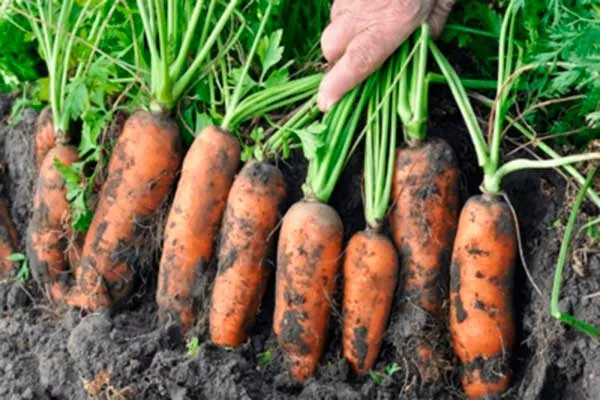
Carrots are cylindrical in shape and have a rounded tip. They reach up to 15 cm in length and no more than 4 cm in diameter. The skin is bright orange, as is the interior.
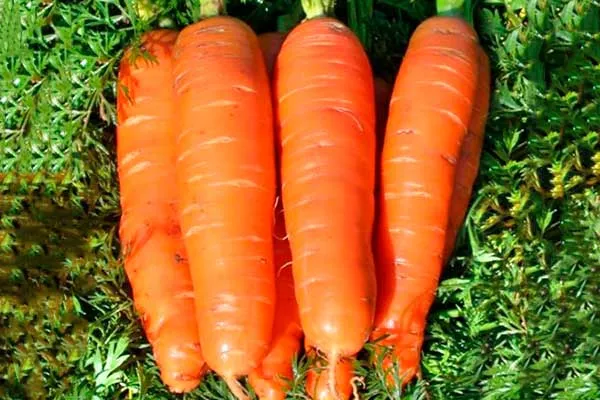
The core doesn't crack due to its dense and firm structure. It retains its qualities even during long-term storage. Weight ranges from 300 to 500 g.
Characteristics
Carrots are a popular root vegetable grown in virtually every corner of the world. While numerous varieties are available today, many gardeners prefer the tried-and-true Alyonka variety. It produces a bountiful harvest regardless of region or weather conditions.
Purpose and taste of tubers
Ripe Alyonka roots are perfect for salads, soups, side dishes, and hot dishes. They are also used for making juices and winter preserves, including pickling cabbage, freezing, marinating, and fermenting.
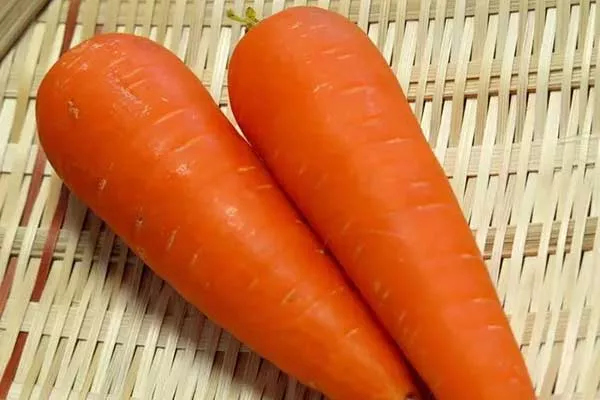
During storage, carrots retain their marketable appearance and flavor. This variety is characterized by juiciness, distinct sweetness, a distinctive aroma, and a high carotene content. Alyonka carrots are used in baby food and dietary dishes.
Maturation
The crop ripens 100 days after sowing, provided all agricultural practices are followed, regardless of climatic conditions.
Productivity
It is distinguished by good productivity: from a bed 5-7 m long, up to 50-70 kg of juicy and firm root crops are collected, which is quite enough for winter storage.
Cultivar type
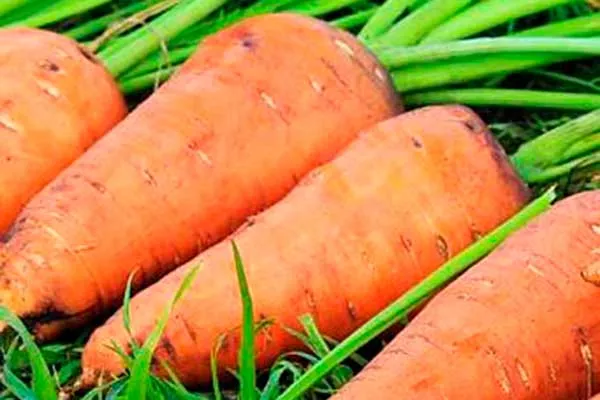
The Alyonka carrot belongs to the Nantes variety. It is characterized by a cylindrical shape with a rounded tip, juicy and sweet flesh, and large roots.
Amount of fructose and beta-carotene
This vegetable is prized for its rich composition of nutrients and nutritional value. It is particularly rich in beta-carotene, which is converted in the body into vitamin A, essential for healthy eyes, skin, and the immune system. 100 g contains approximately 8-10 mg.
Carrots contain B vitamins (B1, B2, B6), vitamin C, vitamin E and vitamin K, which help improve metabolism, strengthen the immune system and protect cells from oxidative stress.
In addition to vitamins, this vegetable is rich in minerals: potassium, magnesium, iron, calcium, and phosphorus, which support the cardiovascular and nervous systems and strengthen bones and teeth. This variety is a source of dietary fiber, essential for healthy digestion and maintaining normal blood sugar levels.
Seed germination
The planting material has a high germination rate, reaching 75-80% with proper care.
Keeping quality
One of the crop's key features is its excellent shelf life. The harvest can be stored all winter without losing its flavor or nutritional value.
Regions for sowing
The Alyonka carrot variety is universal and suitable for growing in most regions of Russia – from the south and central parts of the country to the Urals, Siberia, and the Far East.
The variety is designed for cultivation in open ground, so it is successfully grown in summer cottages, vegetable gardens, and farms.
- ✓ The optimal soil pH level should be between 6.0 and 6.8 to ensure maximum nutrient availability.
- ✓ The soil must be well-drained to avoid water stagnation and root rot.
What kind of soil does it prefer?
Successful development and formation are achieved by growing in areas with loose, fertile soil. Choose beds with sandy loam or loamy soil.
Frost resistance
Alyonka is highly frost-resistant, allowing it to be successfully grown even in regions with cold climates.
How to grow?
This high-yielding and frost-resistant variety is suitable for cultivation in a wide range of climates. To ensure a bountiful and high-quality harvest, it's important to choose the right planting time, select a suitable location, and prepare the soil.
When to plant Alyonka carrots?
This early-ripening variety is usually sown in mid-April. For successful carrot growth, neutral or slightly acidic soil is recommended. It's helpful to enrich the soil with humus, as root vegetables require a variety of nutrients for proper development.
The shape of the root vegetables depends on the quality of the soil: loosen it thoroughly, removing stones and plant debris. Loamy or sandy loam soil is best for planting.
Choosing a landing site
For Alyonka, choose a sunny, well-lit area. The location should be protected from strong winds and receive plenty of sunlight. Avoid areas where carrots or other root vegetables were previously grown to reduce the risk of disease and pests.
Preparing the soil and sowing seeds for growing carrots of the Alyonka variety
The soil should be loose and fertile. Sandy loam or loamy soils are ideal. Before planting, dig the area and fertilize with organic or mineral fertilizers. Add compost or humus to improve fertility.
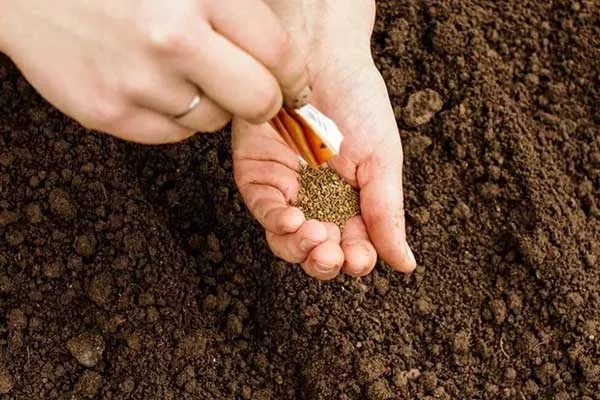
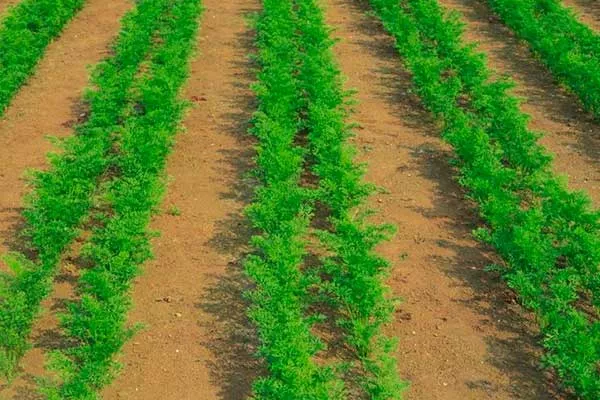
Sow the seeds 1-2 cm deep in prepared furrows. Space the rows 20-25 cm apart. After sowing, carefully cover the beds with soil and compact lightly. To protect the seedlings from spring frosts, cover the beds with agrofibre or plastic film until germination.
Care
It's important to closely monitor plant development to ensure a high-quality harvest. Follow standard agricultural practices.
Watering
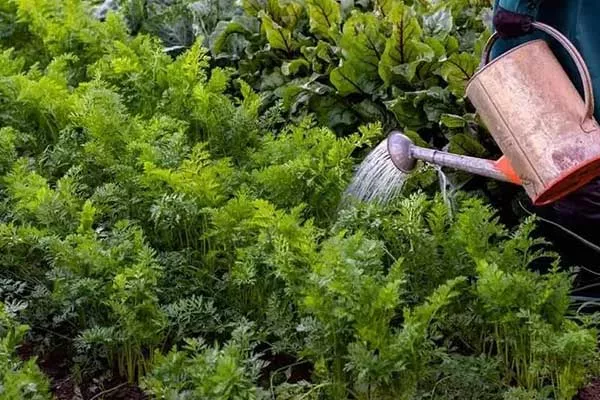
Provide regular watering, especially in dry weather. Excess moisture can cause root rot. Water carrots in the evening to improve the soil's water-retention capacity.
What and when to feed?
This crop requires good nutrition for optimal growth. When planting, add a complete fertilizer rich in phosphorus and potassium. Regularly feed the plants with organic or dry mineral fertilizers to ensure their health and productivity.
Thinning
Carrots can grow straight, large, and healthy, but sometimes they develop a "horned" appearance. This is not only unsightly but also makes peeling difficult and reduces shelf life. This problem is often related to agricultural practices: regular care of the crops will help prevent the appearance of "horned" growth.
When the sprouts reach 8-10 cm, thin them out a third time, leaving 4-5 cm between plants. In some cases, additional thinning is required when the plants reach a thickness of about 1 cm, with the distance between roots determined by eye.
Loosening and weeding
Carrots require regular weeding and soil loosening. These procedures are especially important after rain, as they improve air access to the roots and prevent weed growth.
Diseases and pests
The plant has a strong immune system, but if not properly cared for, it can be susceptible to certain problems. It's important to begin treatment promptly:
| Disease/Pest | Symptoms | Control measures |
| Fusarium wilt | Wilting and yellowing of leaves, wilting of the plant. | Treatment with fungicides (Previkur, Strobi, Topsin). |
| Ascochytosis | Grayish-brown spots on leaves and stems. | Use of Bordeaux mixture, copper and iron sulfate. |
| White rot | Wet spots at the base of the stem. | Spraying with preparations (Hom, Ordan, Topaz). |
| Carrot fly | Presence of larvae inside root crops. | Use of insecticides, setting traps. |
| Aphid | The leaves curl and sticky secretions appear. | Garlic or soap infusions are effective. In severe infestations, insecticides can be helpful. |
| Nematodes | Deformation of vegetables, formation of bloats. | Crop rotation. |
Problems and solutions
When growing crops, various problems can arise, often related to improper plant care. Potential difficulties include:
- Rotting. It often appears during storage or in the late stages of growth. It can be caused by excess moisture in the soil or improper soil conditions.
During growth, ensure moderate watering, especially during the wet season, and avoid excessive waterlogging. Ensure the growing area remains dry and maintains a temperature of 0 to 2°C. - Incorrect form. Vegetables may grow forked, twisted, or with bulges. This is due to compacted soil, stones, or excessive nitrogen fertilizer application.
Before planting, thoroughly loosen the soil and remove stones. Apply a balanced, low-nitrogen fertilizer and prefer light, well-drained soil. - Bitterness and loss of flavor. Root vegetables can become bitter and lose sweetness due to a lack of potassium or water, or if stored improperly.
Maintain moderately moist soil, avoiding both drought and overwatering. Apply potassium fertilizer as the plants grow to ensure they receive the necessary mineral balance. - Cracks and tears. They occur when there is a sharp change in humidity, especially if a dry period is followed by heavy watering or rain.
Water the plants regularly and evenly, avoiding the soil from drying out. During rainy seasons, mulch to maintain uniform soil moisture. - Excessive "roughness" and coarse texture. May occur due to a lack of boron and other microelements.
Apply boron-containing fertilizers or complex mineral supplements for root crops, following the dosage recommendations.
Similar species – analogues
Among the many carrot varieties, there are several that resemble the Alyonka variety in their characteristics and appearance. They are presented in the table:
| Variety | Characteristic |
| Abaco F1 | An early-ripening variety of the Shantane type. The roots are medium-sized, conical, 5 cm in diameter, and have a blunt tip. They are distinguished by their juiciness and sweet flavor. |
| Akat F1 | A very adaptable variety, it grows well in any type of soil and under different conditions. |
| Berlik | It reaches 20 cm in length and weighs 200 g. It is resistant to cracking and is valued for its attractive appearance. |
| Berlikumer | A sweet and juicy variety with a thin core. It stores well and is especially delicious fresh. |
| Bolivar | Conical in shape, smooth and with a rounded tip, this versatile variety is suitable for both fresh consumption and long-term storage. |
Harvesting and storage
Harvest carrots 80-100 days after planting. Stop watering a month before harvesting. The best time to harvest is on a warm, dry day. After harvesting, dry the roots in the shade. Store the crop in a cool, damp, dark place at 0-2°C. Store the vegetables in boxes or bags.
Positive and negative qualities
Before sowing seeds in a plot, carefully consider its advantages and disadvantages. Alyonka has many advantages:
Among the disadvantages, some gardeners point out the high requirements for watering.
Reviews
Alyonka carrot is a disease-resistant variety. It's frost-hardy and has excellent flavor. The roots are crisp and juicy, don't crack, and retain their flavor and appearance during transportation. This variety produces generous harvests, but requires proper care.