
The Abaco carrot is a hybrid variety that's a good choice for both professional and novice gardeners. Its unique characteristics have earned it the recognition of grateful consumers worldwide. With proper care, you can grow plants with strong immune systems that will yield bountiful harvests.
Who developed the variety and when?
Developed by scientists at Monsanto Holland BV in the Netherlands, it was bred at the beginning of this century and, after undergoing all necessary testing, was added to the Unified State Register of Varieties of Russia in 2009.
Description of the Abaco F1 carrot hybrid
Carrots are a valuable vegetable grown by all gardeners. High-yielding varieties that quickly adapt to various growing conditions and boast excellent flavor are preferred. This early-ripening hybrid possesses these characteristics.

Appearance of the plant and root crops
Abaco belongs to a group of medium-sized carrots, often used commercially. It belongs to the Chantenay variety. Other distinctive qualities:
- Tops - 50-60 cm high, resistant to wilting and falling, rarely turns yellow.
- Leaves - They have no distinct aroma, are semi-spreading, and are dark green in color. They have finely dissected edges.
- Socket - powerful.
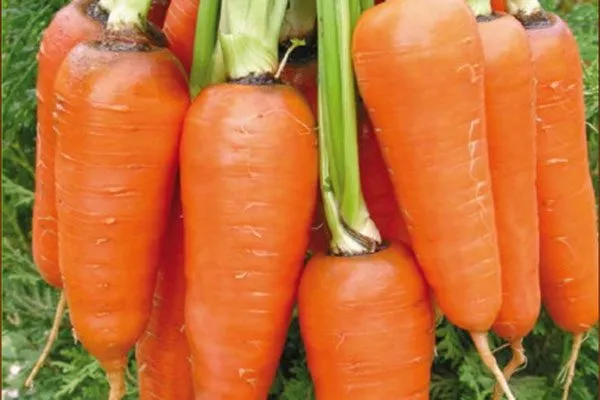
- Fruits – Conical with a rounded end, uniformly colored an intense dark orange. The skin is thin, smooth, shiny, and has a small number of threadlike roots.
- Weight - varies from 105 to 220 g.

Taste characteristics and purpose
Root vegetables are very sweet, with sugar content ranging from 5.2% to 8.4% and dry matter content of 9.4%. They also contain carotene and other beneficial substances. Ripe vegetables are eaten fresh, added to various dishes, frozen, canned, or used to make nutritious juices.
Ripening and yield
This early-ripening hybrid takes only 90-95 days from the first shoots to harvesting the fully formed roots. It is noted for its high yield. Often grown commercially, it achieves impressive yields of 420 to 560 centners per hectare.
Resistance to diseases and pests
It's rarely affected by diseases, making it easy to care for while growing. However, it can be susceptible to attack if weakened or under-nourished. Carrot flies, moths, rodents, and mole crickets are common pests.
Necessary climatic conditions
Plant the crop in level, weed-free areas. Experienced gardeners recommend choosing slightly elevated sites with adequate sunlight and warmth. It's important to ensure deep groundwater to avoid excess moisture and stagnant water.
The main advantages and disadvantages of a hybrid
Before planting a new variety in your garden, be sure to research its pros and cons. Abaco has many advantages:
Features of planting and growing
Growing the crop is straightforward and requires minimal attention. The key is to ensure proper and timely care.
Soil preparation
Choose a suitable location for the garden bed. Choose sunny areas with sandy-clay soil that has a loose structure. Beds where tomatoes, cucumbers, cabbage, onions, or potatoes were grown are considered excellent precursors.
- ✓ Optimal soil pH should be in the range of 6.0-6.8 to prevent diseases and ensure maximum nutrient absorption.
- ✓ The depth of the arable layer should be at least 25 cm to ensure free development of root crops.
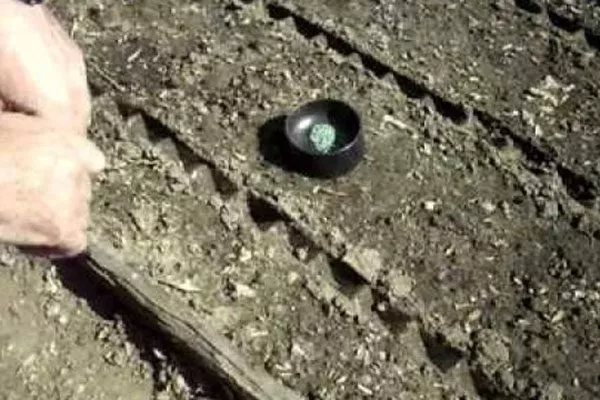
Begin preparing the site in the fall. When digging, add 5 kg of compost or humus and 300 g of ash per square meter. For acidic soils, add slaked lime or dolomite flour.
Sowing seeds
Sow seeds in spring, in April or May, depending on climate conditions, provided the soil has warmed to 7°C. For an earlier harvest, sowing in the fall before frost is possible.
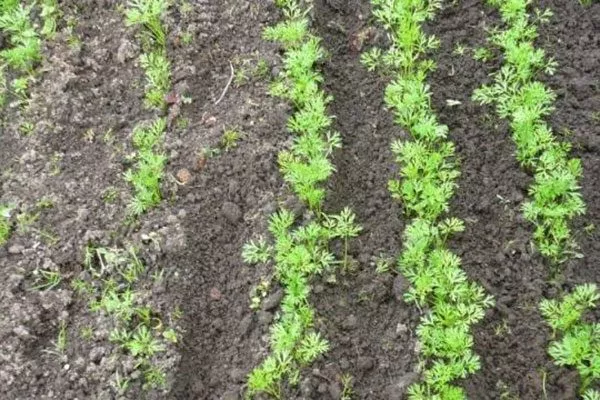
Follow these recommendations:
- Place the dry seeds at a depth of 2-3 cm, spacing the rows about 20 cm apart, and compact the surface lightly. In the spring, cover the beds with plastic to speed up soil warming.
- In early spring, sow the seedlings without pre-treatment into moist soil to a depth of 1 cm, with a distance of 20 cm between rows. Use film or agrofibre for protection until the seedlings emerge.
For later sowing, when the soil warms to 16°C (early to mid-June), soak the seeds in growth stimulants or germinate. Sowing should be done in the same manner, watering the beds generously until the seedlings emerge. Fruit from late sowings is good for long-term storage.
Carrot care
Carry out regular care, including watering, loosening the spaces between rows, and thinning in several stages. Begin the first thinning before the plants reach 1 cm in height. At this stage, remove weak and stunted leaves to promote the development of strong specimens.
Carry out the next thinning once the plants reach a certain size, ensuring a distance of at least 4 cm between shoots. This allows each carrot to receive sufficient nutrition and space to develop, which is important for a good harvest.
Water young plants during dry periods using settled water. Use 5 liters of water per square meter of soil. For mature plants, about 6-8 liters per square meter is sufficient. The soil should be moderately moist, as both excessive drying and overwatering can negatively affect the root vegetables.
- Three weeks after germination, apply nitrogen fertilizer (10 g of ammonium nitrate per 1 sq. m) to stimulate leaf growth.
- During the root formation phase (6-8 weeks after germination), use potassium-phosphorus fertilizers (15 g superphosphate and 10 g potassium salt per 1 sq. m) to improve the quality of the crop.
Top dressing
Fertilize the plants every 3-4 weeks to maintain their health and development. In addition to aqueous solutions of mineral fertilizers, use weekly infusions of mullein and bird droppings in a 1:10 ratio. Organic fertilizers improve the nutrient composition of the soil and stimulate vegetable growth.
Pest and disease control
If not properly cared for, the crop can become infected with powdery mildew. To combat this disease, water and spray with specialized solutions, such as Baikal-M and Immunocytophyte. Spray the plants with a 1:2 solution of whey.
To protect against pests, use chemicals such as Pochin and Zemlin. A popular folk remedy is nettle infusion (500 ml per 10 liters of water). To prevent insects, sprinkle the leaves with tobacco dust or ash, and spray the rows with a soap and soda solution.
Harvesting and storage
The last watering should be done two weeks before harvest, especially if there has been no rain during this period. Don't peel the vegetables after watering, as the remaining soil helps prevent wilting during long-term storage. Use sand and pine sawdust. These materials help keep the harvest in good condition.
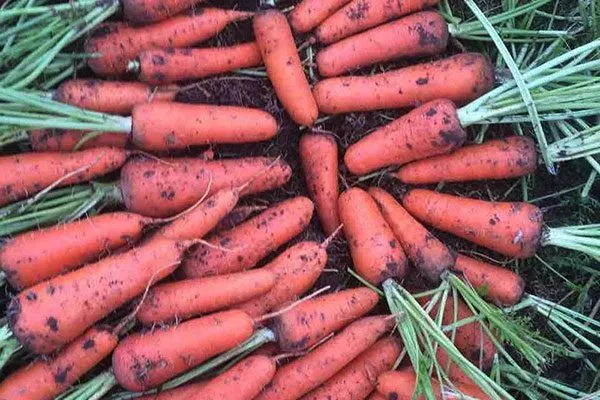
The recommended storage temperature is between +1 and +4°C. Maintaining these conditions helps preserve the taste and appearance of the harvest.
What difficulties may arise when growing
Growing this crop is generally problem-free, but some difficulties are possible, such as deformation and cracking. This can occur due to overwatering in hot weather. Water the plants at a rate of 20 liters per square meter to avoid overwatering.
There's a risk of greening of the tops of the roots. This can occur due to sunlight affecting the parts remaining above the soil surface. To prevent this, regularly earth up the plantings throughout the summer.
Reviews of the Abako F1 carrot hybrid
The Abako carrot constantly surprises with its excellent capabilities and advantages. Its adaptability to various climates, high resistance to diseases and pests, and excellent taste make this variety popular for large-scale cultivation. With proper and comprehensive care, it can produce large volumes.