
"Golden Barrel" is the name of a shallot variety. Vegetable lovers appreciate its salad-like flavor, early maturity, excellent winter hardiness, and ease of care. It is grown both for its greens and for its bulbs.
Description of the variety
Zolotoy Bochonk is a vegetable variety with a medium yield of 2-2.5 kg per square meter.
The list of the main characteristics of the variety also includes:
- the speed of harvest ripening (you will receive it within a few months after sowing the seeds);
- excellent frost resistance (onions can withstand frost down to -25°C, winter hardiness zone 4);
- Possibility of cultivation in any region of the Russian Federation;
- lack of tendency to bolt;
- excellent shelf life of the bulbs.
Characteristics of the appearance of the plant and bulbs
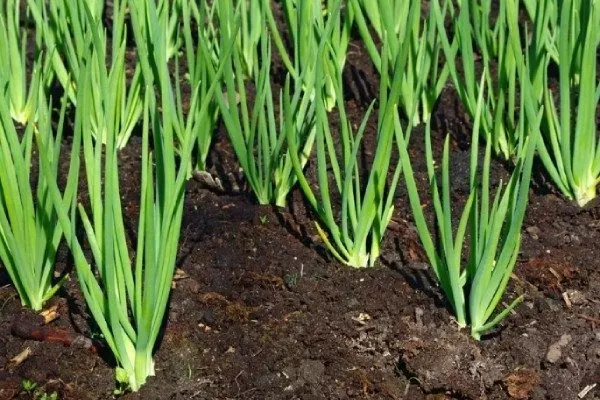
Shallot is a type of onion commonly known as the family onion, the nest onion, or the bush onion. It is a perennial plant with beautiful foliage:
- thin;
- tubular;
- light green;
- spreading;
- reaching a height of 25 cm.
Bulbs form underground. They form a nest—a head resembling a garlic clove. Within it, the mother bulb is surrounded by 5-20 daughter bulbs.
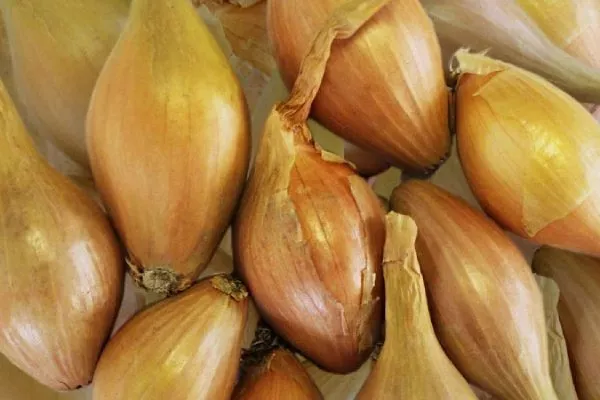
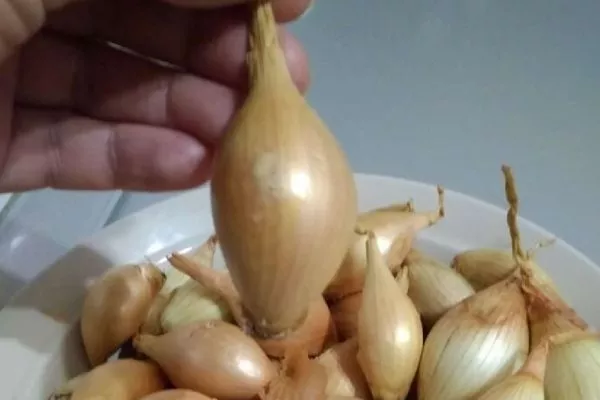
The Golden Barrel harvest is distinguished by its marketable appearance. Its bulbs have the following characteristics:
- weight - 20-30 g;
- oblong shape;
- dry scales of golden color.
This vegetable is delicious fresh or cooked. Housewives add it to dishes:
- salads;
- soups;
- sauces;
- Fried or stewed, it is added to a side dish, or used to complement oven-baked meat or fish.
Growing and care
Plant shallots within the following timeframes:
- in April after the snow cover has melted and the soil has warmed up to +7°C (in the south);
- in May (for the Middle Belt);
- in October, 20 days before the soil freezes.
Select a site for planting the Golden Barrel that meets the following requirements:
- well lit;
- with fertile and well-loosened soil that has neutral or low acidity;
- with deep groundwater to avoid rotting of plant roots.
- ✓ Make sure that the area is not subject to standing water even after heavy rains.
- ✓ Make sure the soil has good drainage to avoid bulb rot.
If you're planning a spring planting, prepare it in the fall. If you're planning a fall planting, prepare it in August. Follow these steps:
- Dig over the soil to remove weeds and their roots and destroy pest eggs.
- Add organic matter such as mullein, compost, and wood ash.
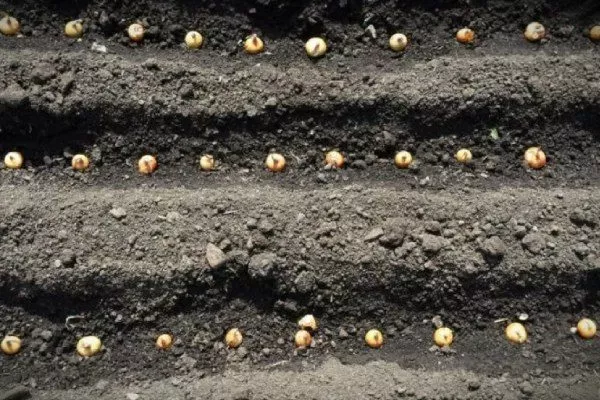
Level the soil in the area. Make furrows 2-3 cm deep. Sow the Zolotoy Bochonok seeds, spacing them 10-15 cm apart. Cover them with loose soil, creating a 2 cm layer.
To get a bountiful harvest, care for your shallot plantings properly:
- Water itAvoid overwatering the soil to prevent the bulbs from rotting and the vegetable crop from being affected by fungal diseases. Avoid watering during rainy weeks.
During dry weather, water the shallot plantings every 2-3 days. The water should be soft, settled, and lukewarm. - Loosen the soil and weed out the weedsLoosen the soil after every watering and rain. Prevent the formation of a dense soil crust that prevents air from reaching the plant roots.
Get rid of weeds to prevent them from choking out the vegetable crop. If left unchecked, the bulbs will grow small and tasteless. - Thin out the plantingThis measure will allow you to get large bulbs. Remove excess greenery starting in mid-summer.
- Feed the cropFertilize twice per season. Apply the first fertilizer 10 days after the first shoots emerge. Water the planting with a 1:15 chicken manure solution to provide nitrogen. When the bulbs begin to form, apply a potassium fertilizer.
Reviews from gardeners
Zolotoy Bochonok is a fashionable shallot variety favored by gourmets. The excellent flavor of the greens and bulbs, along with the marketable appearance of the harvest, make it appealing to many domestic gardeners. Most importantly, this variety requires little care.