
The branched onion is known by various names: wild, Chinese, fragrant, Tatar, fragrant, and dzhusai. This perennial herbaceous plant, belonging to the onion family, has unique flavor and properties. It can be planted in various ways, and care requires a comprehensive approach.
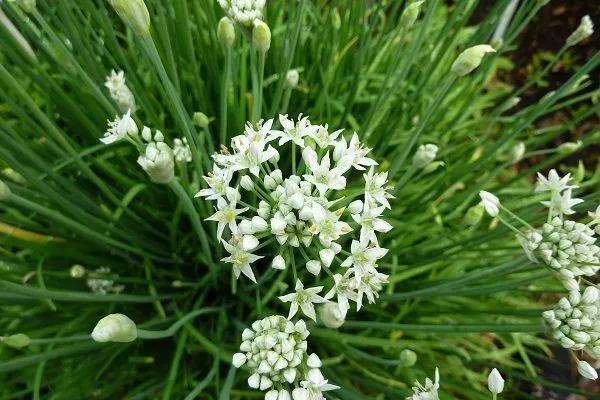
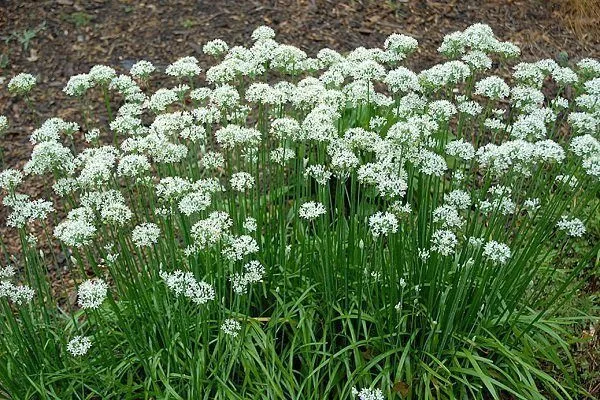
The flowers of the branched onion have a pleasant aroma.
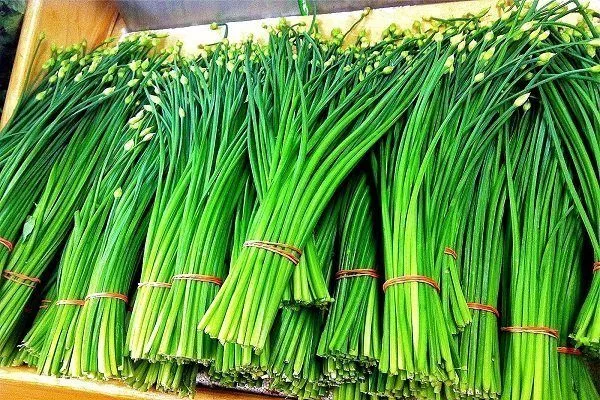
Branched onion
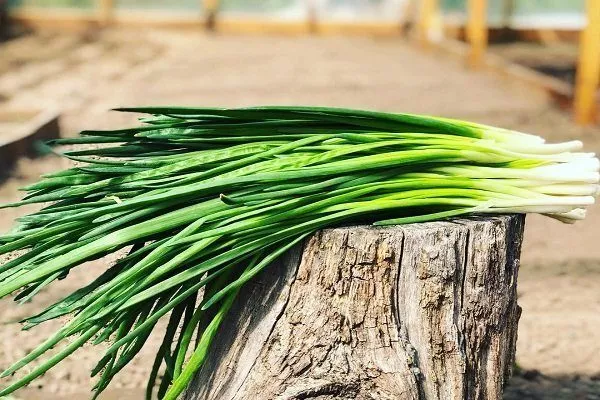
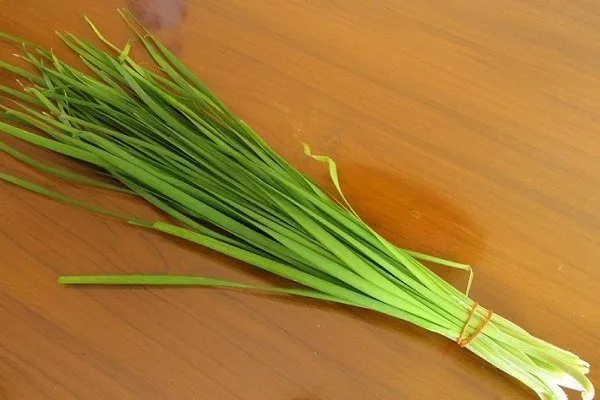
The leaves have an onion-garlic flavor.
Plant characteristics
It's believed that the branched onion originated in the Chinese and Mongolian mountainous regions and was spread by nomadic tribes. Dzhusai has the following characteristics:
- the height of the flowering stem reaches 60-70 cm;
- the leaves are flat and fleshy, reaching 35-60 cm in length and 1 cm in width, dark green in color, with a light waxy coating;
- 6-12 leaves are formed on one shoot, the total weight reaches 70 g;
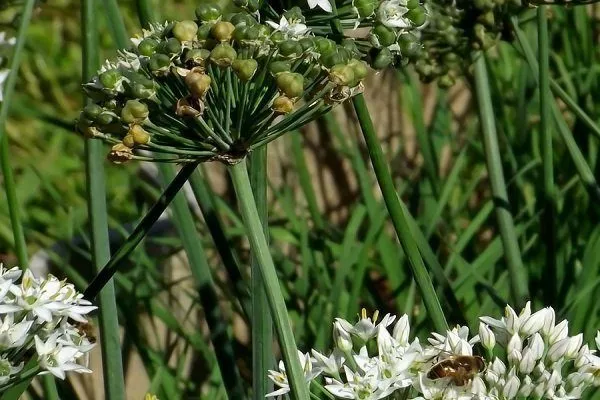
- The flowers are white, star-shaped, and have a purple vein in the center, forming dense, spherical umbrellas - it is for the pleasant and delicate scent of the flowers that the plant began to be called fragrant onion;
- The leaves of the plant, which have an onion-garlic taste, are most often used as food - this is the main reason for the cultivation of branched onions;
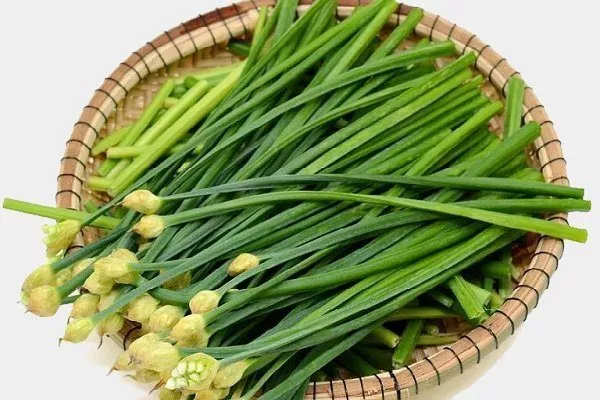
Chives have a wide range of culinary uses. They are eaten raw, pickled, and added to salads, appetizers, and hot dishes. Not only the leaves but also other above-ground parts of the plant are edible. Even the flower stalks are used, pickled like wild garlic.
Onions are valued not only for their flavor and aroma, but also for their medicinal properties. They are rich in vitamin C and other beneficial substances, making them effective in treating various ailments.
Varieties of branched onions
| Name | Ripening period | Yield (kg/m²) | Frost resistance |
|---|---|---|---|
| A priori | Mid-early | 2-3 | High |
| Fragrant | Early | 4.5 | High |
| Benefit | Mid-season | 4.5 | High |
| Dzhusai | Mid-season | 3 | High |
| Astrologer | Mid-season | 3 | High |
| Caprice | Mid-season | 3 | High |
| Spicy | Mid-season | 3.5 | High |
There are several known varieties of this crop. The most popular are:
- A prioriThis variety is suitable for various Russian regions, is mid-early, and frost-resistant. The foliage is dark green and juicy, reaching 30 cm in height and 1 cm in width. Three cuttings yield 2-3 kg of foliage per square meter.

- FragrantThe greenery appears early, with plumes reaching 30 cm in length, dark green in color, and a waxy coating. A square meter of planting yields up to 4.5 kg of greenery.
- BenefitThis mid-season variety is frost-resistant. The plumes reach 40 cm in height and have a garlicky aroma. Up to 4.5 kg of greens can be harvested per square meter.
- DzhusaiThe feather reaches 30 cm in height, has a delicate flavor and a subtle garlic aroma. A square meter yields up to 3 kg of greens.
- AstrologerA mid-season variety, the greens are used fresh. The stems reach 50 cm in height, the greens are abundant, and have a waxy coating. The harvest can be obtained earlier than with other varieties, with a square meter yielding up to 3 kg of greens.
- CapriceA mid-season salad variety. Its broad stems grow up to 50 cm, have a dark green color, a mildly spicy flavor, and a garlicky aroma. A square meter of planting yields up to 3 kg of greens.
- SpicyThis mid-season variety is considered a salad crop. The plums are juicy, dark green, and have a delicate flavor with hints of garlic. A square meter of planting yields up to 3.5 kg of greens.
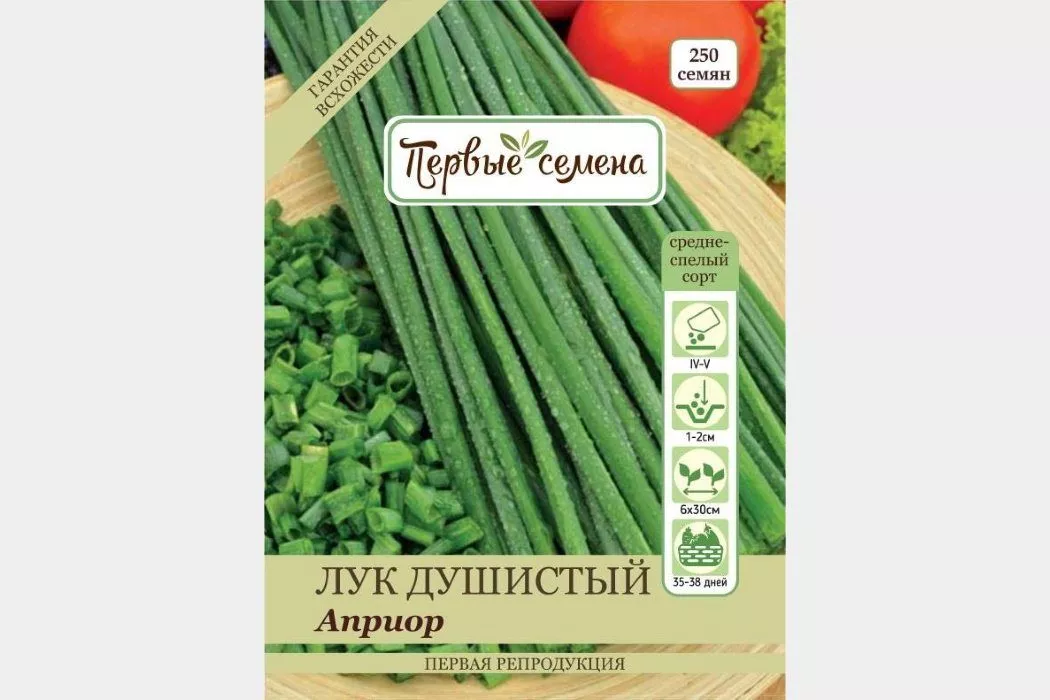
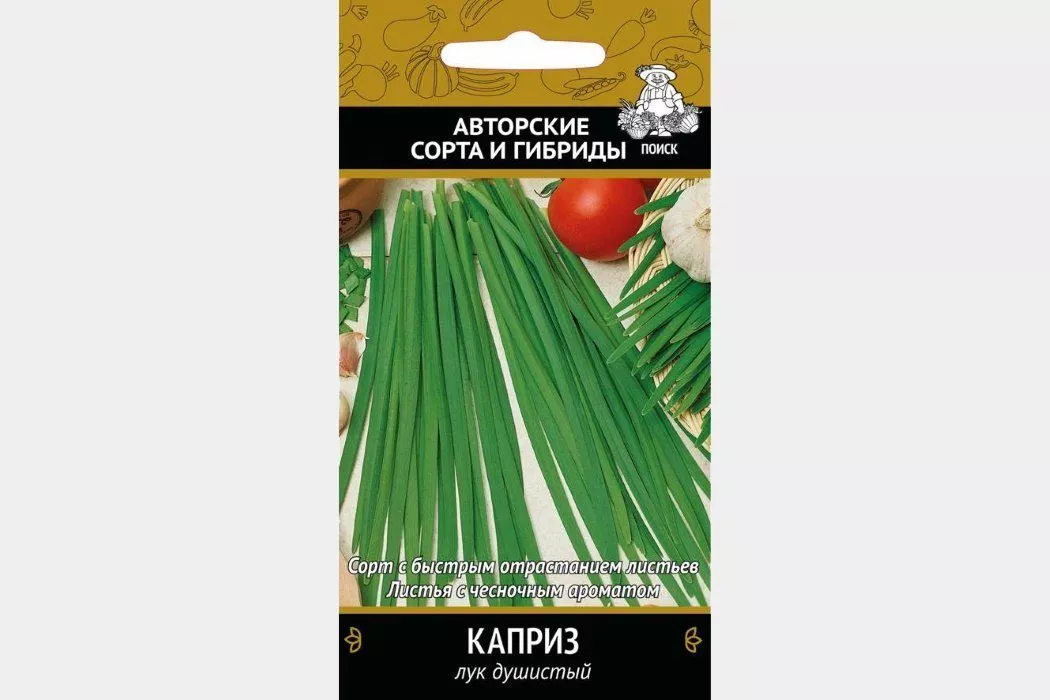
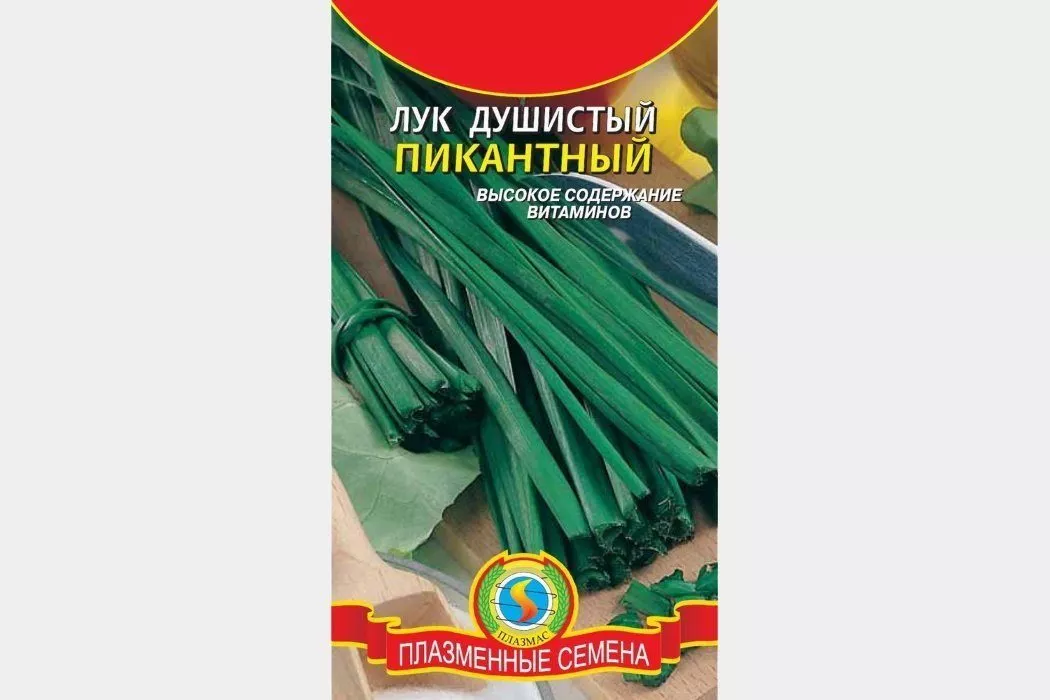
When choosing a variety, consider the climate of your region. The crop's ripening time and frost resistance are also important.
Growing conditions, soil requirements
Sweet chives are a perennial plant, and can be grown in the same area for 3-4 years. They are appealing for their ease of cultivation. For normal growth, they require the following conditions:
- Crop rotationChinese onion plants do well after pumpkins or legumes. They don't thrive after cabbage, potatoes, and other nightshades. They also shouldn't be planted after onions or other members of this family.
- The right areaIt should be elevated and sunny. North-facing slopes are not recommended, but you can plant the crop in the shade of trees or shrubs – the greenery will grow more slowly but will become especially delicate.
- Snow coverMany varieties of onion are frost-resistant, but the plant still thrives in warm weather. Ensure it receives a sufficient layer of snow during the winter.
Onions are relatively undemanding when it comes to soil conditions. Fertile soil benefits the greens: their texture becomes more tender, and their flavor and aroma are richer. The soil should be fairly loose. If the soil is acidic, limestone should be added.
Soil preparation should begin in the fall. During digging, apply a complex fertilizer at a rate per square meter:
- wood ash – 1 glass;
- potassium fertilizer – 1 tbsp;
- compost – 1 bucket;
- superphosphate – 1.5 tbsp. l.
In spring, loosening the soil is necessary. At this time, ammonium nitrate is added at a rate of 1 teaspoon per square meter.
Landing
There are different ways to plant chives, each with its own unique characteristics.
- ✓ The optimal soil temperature for planting seeds should be at least +5°C.
- ✓ The distance between rows when planting bulbs should be at least 20 cm to ensure sufficient space for growth.
Seeds
When choosing this method, planting can be done at different times. This will determine the timing of seedling emergence and the first harvest. The optimal timing is as follows:
- winter sowing – seedlings appear in March, the first cutting is carried out in mid-summer;
- April – the plant will get stronger in the first year, pruning is carried out the following year in the spring;
- summer – planting is carried out until mid-July, the first cutting is carried out in the spring of the following year.
Regardless of the chosen planting time, it must be carried out according to the following algorithm:
- Prepare the planting material. Place the seeds in hot water at 40 degrees Celsius (104 degrees Fahrenheit) for 8 hours. Then place them in warm water for 24 hours, changing the water at least three times.
- Prepare the site. The soil needs to be loosened and leveled, and rows need to be marked out, leaving 25 cm between them.
- Moisten the soil and make holes. Plant them 1-1.5 cm deep, leaving 5 cm between adjacent plants.
- Sow the seeds, sprinkle with soil and humus.
- Thin the beds. Wait until 2-3 true leaves appear and thin the plants. Extra plants can be transplanted. Thinning is done in several stages. In the first year, leave 10 cm between seedlings, and in the second year, double this distance.
By dividing the bush (shoots)
This is one method for propagating branched onions. It's done in spring or fall. The plant can be divided in its second year, but it's better to use a three-year-old plant.
You need to act according to the following algorithm:
- Prepare the area for transplanting the shoots. Moisten the soil thoroughly and make holes, leaving 25-30 cm between them.
- Carefully dig up the bush chosen for division.
- Divide the bush into several parts. Each shoot should have 2-3 bulbs.
- Place each shoot in a separate hole, rake the soil from different sides and press down.
- Water the newly planted plants generously.
The shoots should be planted as deep as the bush was planted before division.
Bulbs
Another option for propagating the crop. This method is used in early spring when the first green shoots appear.
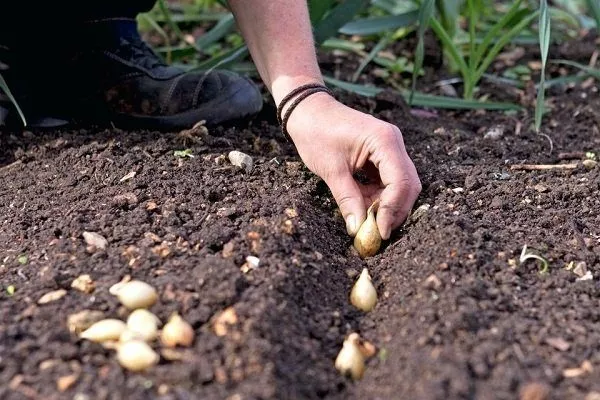
The algorithm is simple:
- Prepare the area for new planting.
- Make furrows, leaving a distance of 20 cm between them.
- Dig up the bush and separate the young bulbs. Select only the largest and strongest specimens for planting.
- Plant the bulbs in the prepared furrows. Large bulbs should be planted 5-7 cm deep, and small bulbs 2 cm deep.
It's not recommended to plant bulbs in the fall. This may prevent the plant from taking root and establishing itself properly, and it will simply die over the winter.
The plant can also be dug up in the fall to harvest the bulbs. In this case, trim the tops by a third and store the plant. This is best done in a cellar at a temperature of 0-2 degrees Celsius.
Caring for a plant in open ground
Regardless of the planting method, branched onions require further care, which should be comprehensive.
Watering
Watering requirements for branched onions depend on their age. During the first year, the plant should be watered as needed, when the soil becomes too dry or when a hot, dry period sets in. Regular watering is not necessary.
In the second year, the situation changes. The plant requires abundant but infrequent watering—8-10 times per season is sufficient. For every square meter of planting, 40-50 liters of water are needed. If the plant lacks moisture, its leaves begin to coarsen.
After each cutting of leaves, branched onions require abundant watering.
Weeding and loosening
Timely weed removal ensures proper crop development. This care must be regular. Otherwise, moisture will remain on the surface, reducing the onion's resistance to fungal diseases and causing rot.
Don't forget about loosening the soil, which is best done after watering. It's best to combine this process with weeding. This combination of measures is essential for proper air exchange, which ensures good plant growth.
Top dressing
This stage of caring for branched onions should not be ignored, since fertilizing provides the nutrients that the crop needs for good growth and development.
The following fertilizers are used for Chinese onions:
- The first feeding should be done in early spring. Chicken manure is a good choice at this time. Make a solution of it by adding 12 parts water.
- After seedlings emerge, urea is also effective. Apply 5 grams of fertilizer per square meter. Spread the dry fertilizer over the beds and then water them with warm water.
- Ferovit can be used two weeks after fertilizing. This product improves photosynthesis. Follow the instructions for use.
- The plant also benefits from mineral fertilizers. They should be applied after each cutting. A good choice is the complex fertilizer Nitrophoska. For branched onions, add 40 g of the fertilizer to a 10-liter bucket of water.
Diseases and pests
One of the main enemies of onion plants is the onion fly. It typically appears in mid-May, laying eggs in the soil and on the plant. These hatch into larvae, which feed on the plant. As a result, the plant wilts, the stems dry out, and rot sets in. Insecticides are used to control this pest. Another popular method involves a mixture of tobacco dust, black pepper, and ash. The plant is dusted with this mixture or sprayed with a water solution.
Another potential problem for onion plants is downy mildew, also known as peronosporosis. It appears as rapidly growing oval spots on the leaves. The solution is fungicides.
Harvesting and storage
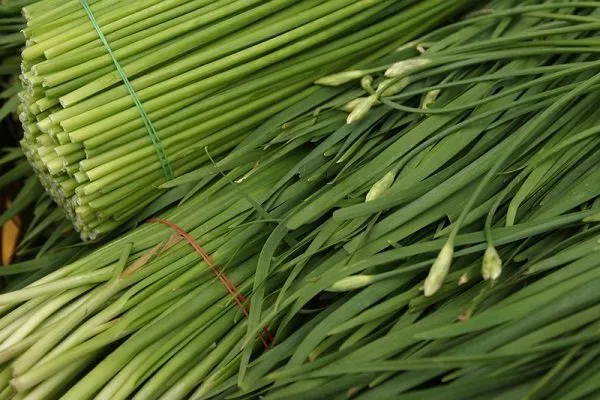
Chives' leaves are pruned several times during the growing season. Only the outer row is removed, leaving the central shoot intact for further growth. This is not a whim, but a necessity—without pruning, the plant begins to wither and turn yellow.
Three cuttings are typically made per season. Feathers at least 25 cm long should be cut.
The optimal time for the final pruning depends on the region's climate – it should be done two months before the cold weather sets in. The plant should be left alone for the next few months to gain strength for winter.
Cut leaves don't keep for long, so they can be preserved or frozen. For canning, the harvest is salted, fermented, or pickled. To freeze, rinse, dry, and chop the greens, then place them in sealed bags and freeze.
| Method | Shelf life | Conditions |
|---|---|---|
| Freezing | Up to 12 months | -18°C and below |
| Salting | Up to 6 months | Cool place |
| Drying | Up to 24 months | Dry, dark place |
If the crop has been growing in the same spot for 3-4 years, it's time to clear the area. Carefully dig up the plants with a trowel, taking care not to damage the bulbs. Clear the soil from the bushes, let them air-dry, and then place them in perforated boxes. Choose a dark, dry, and ventilated area for storage. If all conditions are met, the harvest can last up to a year.
Onion is a fascinating plant with a distinctive flavor and aroma. It should be planted so that the leaves can be harvested from early spring to fall. It's best to eat onion fresh—this ensures maximum benefits.