
Vesta onions boast high yields and excellent flavor, while also demonstrating good disease and pest resistance. Thanks to its versatility and ease of cultivation, this variety is suitable for both experienced growers and novice gardeners. The key is to provide it with proper care.
History of the variety's development
It was developed by plant breeders I. M. Faustova, G. I. Tarakanov, V. V. Trippel, V. A. Kokareva, and O. A. Kostyrkina. It possesses numerous advantages and was approved for use in 1993.
The concept of a honeycomb
It is characterized by excellent ripening, which allows it to be grown in virtually any region of the country. Ripe vegetables can be stored for 2-3 months, maintaining their flavor and appearance. The pulp is rich in magnesium, potassium, phosphorus, carotene, riboflavin, and other beneficial substances.
Description of the plant, taste and purpose
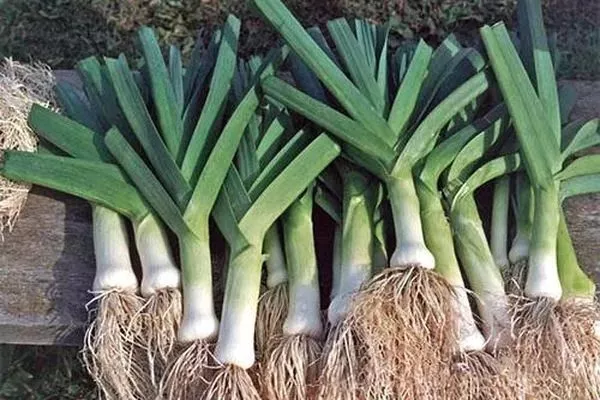
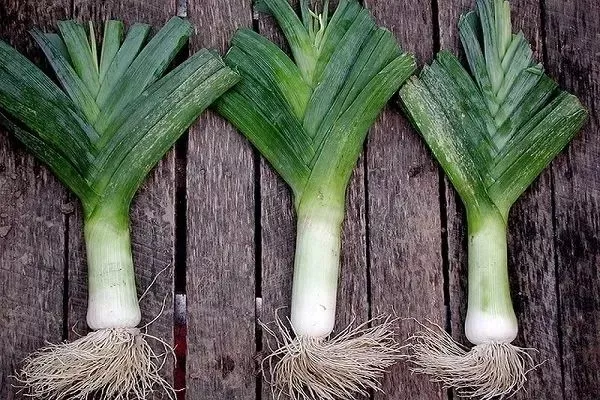
The rosette of leaves is compact, with light green leaf blades and a slight to pronounced waxy coating. They reach 70 cm in length. The bulbs' succulent scales are white.
Ripening time
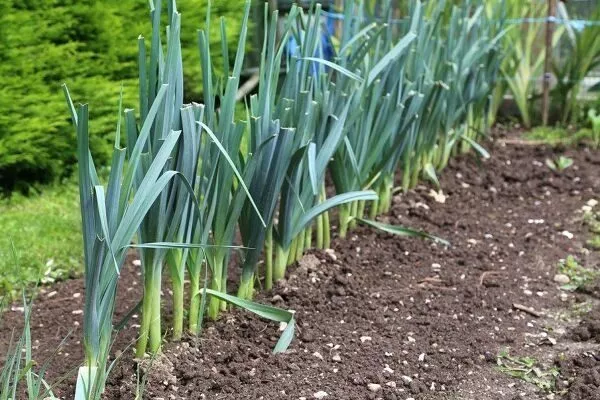
From the beginning of germination to harvesting, it takes 120-135 days, which is typical for early maturing varieties of leeks.
Growing regions
Zoned for cultivation in various climatic zones of Russia, it demonstrates excellent adaptability and high yields in a wide range of conditions. The main regions where this variety is recommended for cultivation are the Northern, Central, Volga-Vyatka, Central Black Earth, North Caucasus, Middle Volga, and Lower Volga regions.
Productivity
The Vesta variety is known for its high yield. With proper care, you can get up to 5.7 kg of juicy and healthy greens per square meter.
Resistance to diseases and pests
The crop has strong immunity to diseases and insects, but it can still be affected by certain parasites. One possible disease is mosaic. Destroy affected plants, and as a preventative measure, use 2-3-year-old seeds to allow the virus to die.
Another threat to this onion is powdery mildew. Leaves affected by this disease should not be eaten, and the plant should be dug up and burned.
Subtleties of cultivation
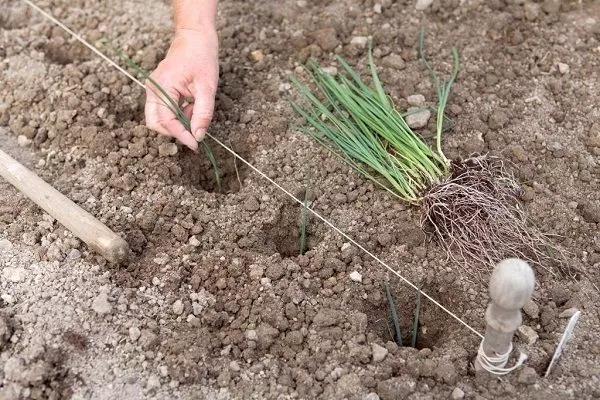
In temperate climates, plant onions from seedlings, ideally in March-April. Transplant them outdoors in May-June, adhering to the optimal planting pattern of 7-10 x 50-60 cm.
Follow the recommendations:
- When growing seedlings, use transparent containers with good drainage, filling them with a non-acidic, light and nutritious soil mixture.
- Place the seeds superficially, covering them with a thin layer of soil and compacting them gently. Then thoroughly moisten the planting site with warm water.
- After 5 days, moisten the seedlings again and cover them with film until shoots appear.
- Transplant the seedlings into open ground when they are 50-60 days old and have three true leaves. Trim the tips of the leaves before planting to prevent the stem from sagging under their weight. This will promote strong plant growth.
- Plant Vesta in sunny areas. Good predecessors include beans, tomatoes, potatoes, and eggplants.
Proper care will ensure a high yield and excellent quality greens. Key aspects of care include:
- Watering. Leeks require regular watering, especially during active growth. Water in the evening to allow the water to be absorbed and minimize evaporation. The soil should be constantly moist, but not waterlogged.
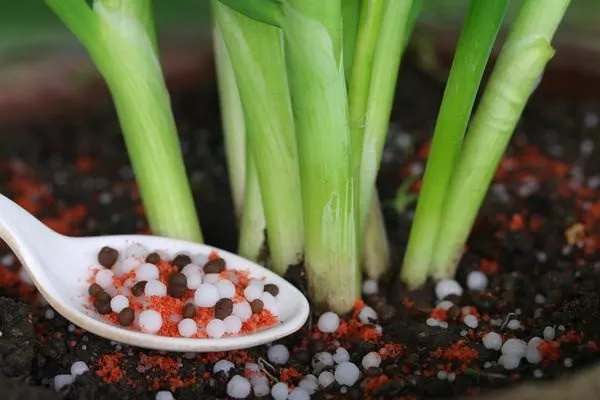
During dry periods, water 1-2 times a week, increasing the frequency during high temperatures and lack of precipitation. - Top dressing. To ensure a perfect harvest, fertilize regularly. Three to four weeks after planting outdoors, apply an organic fertilizer, such as mullein infusion (1:10) or chicken manure (1:20).
Apply the second feeding 2-3 weeks after the first. Apply a complex mineral fertilizer containing nitrogen, phosphorus, and potassium. Apply the final feeding 30 days after the second. Use organic fertilizer or a special fertilizer for onions. - Hilling. This is an important procedure for developing a whitened stem, which gives the plant a high market value. Hill up the plants for the first time when they reach a height of 15-20 cm. Then, every 3-4 weeks, adding soil to the base of the plants to keep the stems white and tender.
Remove weeds regularly and loosen the soil to allow air to reach the roots.
What are the pros and cons?
The Vesta leek is a very productive variety with many positive qualities, but also some drawbacks. Gardeners note the following advantages:
Among the disadvantages, summer residents note:
Reviews
Vesta onion is a variety that has gained popularity among gardeners and lovers of tasty and healthy greens. Its combination of high yield, excellent flavor, and ease of cultivation makes it an ideal choice for cultivation. This variety thrives in a variety of climates, but requires careful care.