
The Troy onion variety has gained popularity among gardeners thanks to its reliability and excellent yields. Developed for temperate and continental climates, it has proven to be an ideal choice for those who value ease of cultivation and high productivity. These qualities can only be achieved with proper and timely care.
Description and characteristics of Troy onion
Troy is very popular among gardeners. It has a piquant and refined flavor and can withstand temperature fluctuations and adverse weather conditions.
Which regions is it suitable for?
Recommended for cultivation throughout Russia, with the exception of the Far North.
Troy's appearance
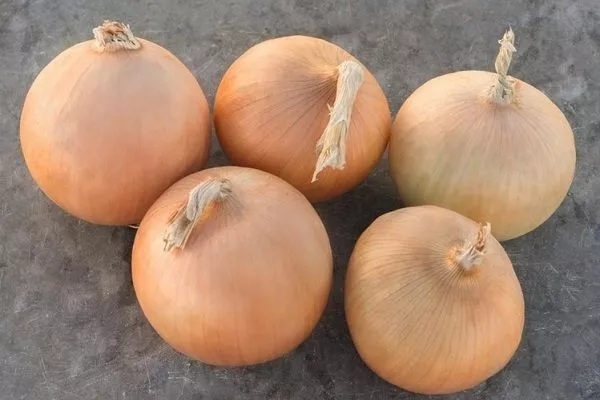
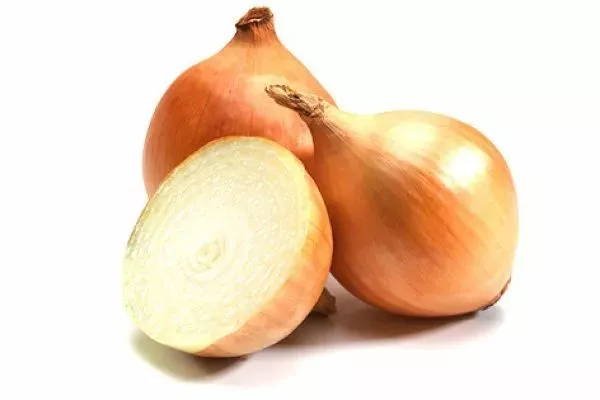
The bulb is round and slightly elongated, weighing approximately 70-80 g and reaching up to 8 cm in diameter. The peel is golden or light brown, and the interior consists of white, juicy scales. The vegetable has a thin, short neck.
The feathers are tubular, dark green in color, and coated with a waxy coating. They reach 35-40 cm in length. They have a rigid structure and longitudinal fibers.
Composition and beneficial properties
Contains many beneficial substances, including the following:
- vitamins C, E, PP and group B;
- bioflavonoid quercetin;
- phytoncides;
- prebiotic inulin;
- fructose and glucose;
- pectin;
- macro- and microelements such as calcium, magnesium, iron, phosphorus, etc.;
- essential oils;
- dietary fiber;
- organic acids.
These elements make the vegetable a beneficial food. It helps with diabetes, purifies the blood and normalizes digestion, stimulates metabolism, and improves hematopoiesis. Onion juice is used as a natural antibiotic due to its tonic, strengthening, and antibacterial properties.
Ripening period and yield
This is an early hybrid. When planted in spring, it matures approximately 90 days after sprouting. Winter onions germinate earlier and mature in 75 days. In southern regions, harvesting begins in mid-July; in temperate climates, it begins at the end of the month. The yield is high—approximately 5-6 kg per square meter.
Resistance to diseases and pests
The variety is characterized by strong immunity, so it rarely gets sick or is susceptible to pest attacks. This is provided it is properly cultivated and maintained.
Application of the variety
It's widely used in cooking due to its unique qualities. It's added to salads to impart aroma and flavor, fried, boiled, and used in a wide variety of dishes. It's often included in recipes for preserving vegetables for the winter and added to convenience foods like pelmeni, vareniki, and cutlets.
It is an important ingredient in the production of sausages. In medicine, it is used to create antimicrobial medications, such as Allylchep, which is indicated for dysbiosis and intestinal atony.
In cosmetology, the vegetable is used for skin whitening and freckle removal. It is effective in strengthening hair follicles and preventing flaking.
Advantages and disadvantages
Before planting a new crop in your garden, it's important to familiarize yourself with its positive and negative characteristics. Among its advantages are:
Among the disadvantages, gardeners note:
It ripens early, has high nutritional value, and is versatile. Its simple cultivation techniques and lack of stems make it easy to grow.
Planting Features of Troy Onions
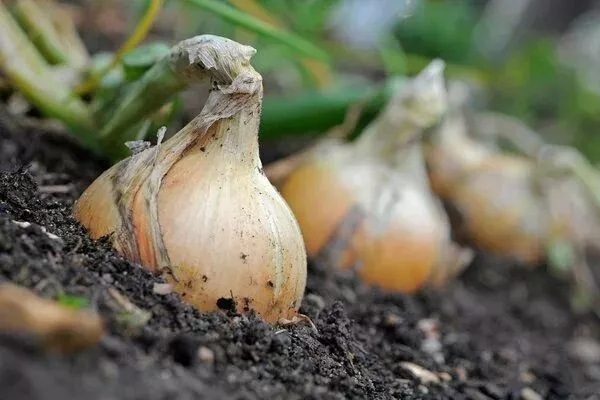
Troy is a fairly demanding variety in terms of light and will not thrive in the shade. It can be grown both in the fall and in the spring. Before planting, the seeds are trimmed at the shoulder to stimulate germination and soaked in Energen growth stimulant.
Soil and site requirements
Prefers light, nutritious soil with good water and air permeability and a neutral pH. If the soil is acidic, apply lime a few months before planting. Use lime, dolomite flour, chalk, or wood ash to ensure optimal conditions.
Planting Troy onions in winter
This perennial bulbous plant can be planted in the fall to ensure it thrives and blooms the following year. Step-by-step instructions:
- Choose healthy, large bulbs without signs of damage or rot.
- Plant in the fall, between September and October, to give the bulbs time to root and prepare for winter.
- Plant the bulbs at a depth of about 5-7 cm. The distance between them should be approximately 10-15 cm.
- Press them deeper into the holes. Then carefully cover them with soil.
- After planting, water them well to help them establish.
- Cover planted bulbs with a layer of mulch (such as peat moss or dried leaves) to retain moisture and reduce weed growth.
Once the soil begins to warm up, the onions will begin to grow vigorously. Ensure regular watering, especially during periods of drought. At the beginning of the growing season, apply a complex mineral fertilizer to promote growth and flowering.
Planting Troy onions in spring
In southern regions, plant onions in the third ten days of April, and in temperate climates, in the first half of May. Begin preparing the plot in the fall:
- Dig over the beds and remove weeds.
- Spray them generously with copper sulfate to prevent diseases.
- After the first frost, carry out a moisture-recharging watering, and in winter, cover the bed with snow drifts for protection.
For the spring procedure, follow these steps:
- Dig up the area and add organic fertilizer along with complex mineral fertilizer.
- Form furrows 5 cm deep with an interval of 8-10 cm between them.
- Place the seeds at the specified distance.
- Cover them with a 2-2.5 cm layer of soil.
- Level the surface and water with a solution that stimulates plant growth.
These measures help ensure a good start in the spring and create favorable conditions for growth and development.
Caring for Troy's Onions
The hybrid is unpretentious but requires minimal care, which includes certain recommendations. Follow these simple care steps:
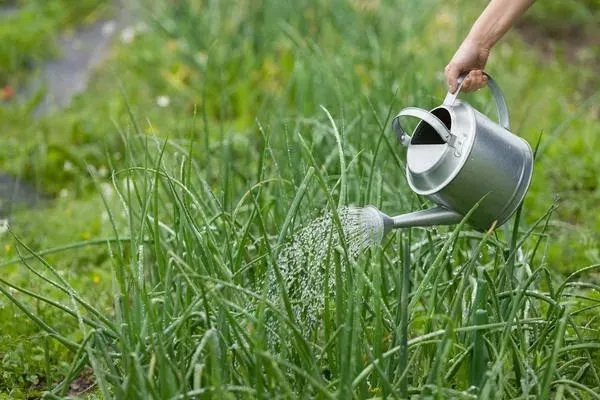
- Water regularly but moderately to avoid excessive moisture and waterlogging, which can cause vegetable rot. Based on the soil condition, moisten it to a depth of 3-5 cm. Pour room-temperature water between the rows to avoid contact with the sprouts.
- A few weeks before harvesting vegetables, stop watering to allow the bulbs to fully form and dry out.
- Fertilize the crop several times per season: in early May, apply organic fertilizers (rotted manure, compost), and in late June, use liquid mineral fertilizers containing sodium and phosphorus. Water the soil between the rows with an infusion of medicinal herbs: nettle, chamomile, and dandelion.
- Loosen the soil between the rows every other day after watering to enrich it with oxygen and improve moisture circulation.
Weed the area every 10-14 days: remove weeds by hand around the bulbs, and use a cultivator or other tools between the rows to avoid damaging the surface of the plants.
Pest and disease control
The hybrid is disease-resistant if the beds are located in a properly selected, sunny, and dry area. Wet conditions can cause the bulbs to rot, making it difficult to save the plants.
As a preventative measure, treat fully formed green plant matter with Hom or copper sulfate. Regular loosening and weeding will help prevent pests. For additional prevention, plant strong-smelling plants, such as calendula, near the garden bed.
Harvesting and storage
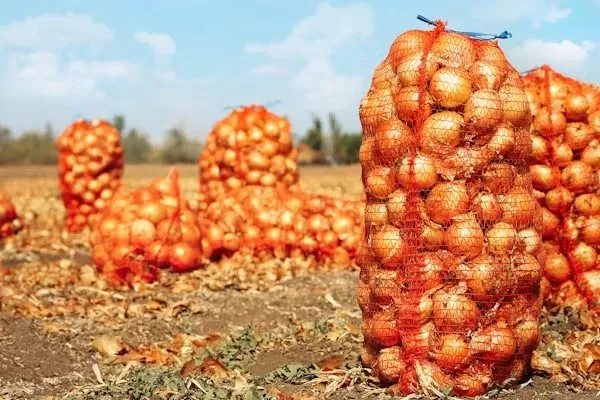
Readiness is assessed by yellowing and wilted leaves. Below are recommendations for harvesting and storing vegetables.
How and when to collect?
Harvest in late June or early July, preferably on clear, sunny days. Use mechanical harvesting on large plots, and hand-harvest on smaller plots. Pull onions from the ground, digging them up with a shovel first.
Storage features and shelf life of the hybrid
After harvesting, inspect the vegetables and sort them carefully, discarding any damaged ones or setting them aside for quick consumption. Dry the harvest in the sun or under a canopy for two weeks.
Once the stems are completely dry, the vegetables are ready for storage. To do this, place them in a dark room with a temperature of 0-3°C and maintain humidity between 75-90%. Hang the onions in braided nets or lay them out on a dry surface. The shelf life is 4-5 months.
Difficulties in growing
When growing Troy onions, farmers often face several challenges. These include:
- Turnips rot due to excessive watering or water accumulation. Excessive moisture, especially after rain or heavy watering, can cause vegetables to rot.
- Premature germination and excessive formation of green mass with excess nitrogen fertilizers. Using too high a dose can result in rapid feather growth by inhibiting the formation of the bulbs.
Gardeners' reviews of the Troy onion
The Troy onion is popular among beginning and inexperienced gardeners due to its disease resistance, generous yields, and excellent flavor. These characteristics make it an ideal choice for a variety of regions. With proper care, this hybrid exhibits only positive qualities, producing large, high-quality vegetables.