
Onions are biennial plants and belong to the Liliaceae family. They have been cultivated for 6,000 years, so today there are many known varieties. They are classified by ripening time, taste, and other characteristics. Read on to find out what these varieties are.
Selection of varieties by ripening period
This criterion is often key when choosing an onion variety. According to it, the plant is classified into three types, each of which we will examine separately.
| Variety | Yield (kg/m2) | Bulb weight (g) | Shelf life (months) | Disease resistance |
|---|---|---|---|---|
| Bessonovsky local | 1.1-2.6 | 40-65 | 8 | Low |
| Hercules | 8 | 120-160 | — | High |
| Timiryazevsky | 3.8 | 60-70 | — | Average |
| Ermak | 4 | 100-200 | 8 | High |
| Stuttgarter Riesen | 3 | 90-130 | — | Low |
| Carmen | 2.5 | 50-120 | — | High |
| Yukon | 3 | 100 | 8 | — |
| Karatalsky | 4.4 | 50-120 | — | — |
| Globe | 5 | 130-250 | — | High |
| Heroic strength | 6 | up to 500 | — | — |
| Rambo | — | up to 150 | 4 | High |
| Red Semko F1 | 4-5 | 80 | — | — |
| Strigunovsky local | 1.1-3.2 | up to 90 | — | Average |
| Centurion | — | up to 100 | — | — |
| Jatoba F1 | — | — | — | — |
Early maturing
This group includes varieties with a growing season of 65-80 to 100 days. The best among them are considered to be:
- Bessonovsky localThis variety was developed in the Penza region and is ideal for cultivation in temperate climates, including the Moscow region. The bulbs, with multiple nests, are small – weighing between 40 and 65 g. They have a rounded and slightly flattened shape, a thin neck, and golden, dry scales. The flesh is dense, crisp, and has a pungent, spicy flavor. A 1 square meter bed yields up to 1.1-2.6 kg of small bulbs, with a shelf life of up to 8 months. This variety is ideal for growing for greens. Its disadvantages include susceptibility to disease and rot, and the need for preventative spraying during the growing season.

- HerculesThis variety produces a bountiful harvest—up to 8 kg of bulbs can be harvested from a 1 sq. m. bed. The plant has a well-developed root system, allowing it to withstand dry periods. Hercules also exhibits resistance to disease and rot. The bulbs, weighing 120 to 160 g, are elongated oval in shape and covered with a dense, golden-yellow skin. They have a spicy, but not bitter, taste, leaving a piquant aftertaste.
- TimiryazevskyThis variety is ideal for cultivation in cold regions. It produces rounded bulbs weighing 60 to 70 grams, covered in yellow or light brown skins and with brownish necks. These dense bulbs are distinguished by snow-white flesh with a firm texture and a tangy flavor. Yields are up to 3.8 kg of bulbs per square meter. In good weather, germination rates rise to 98-100%, while in wet weather they drop to 70%. The variety has weak resistance to downy mildew but moderate resistance to neck rot.
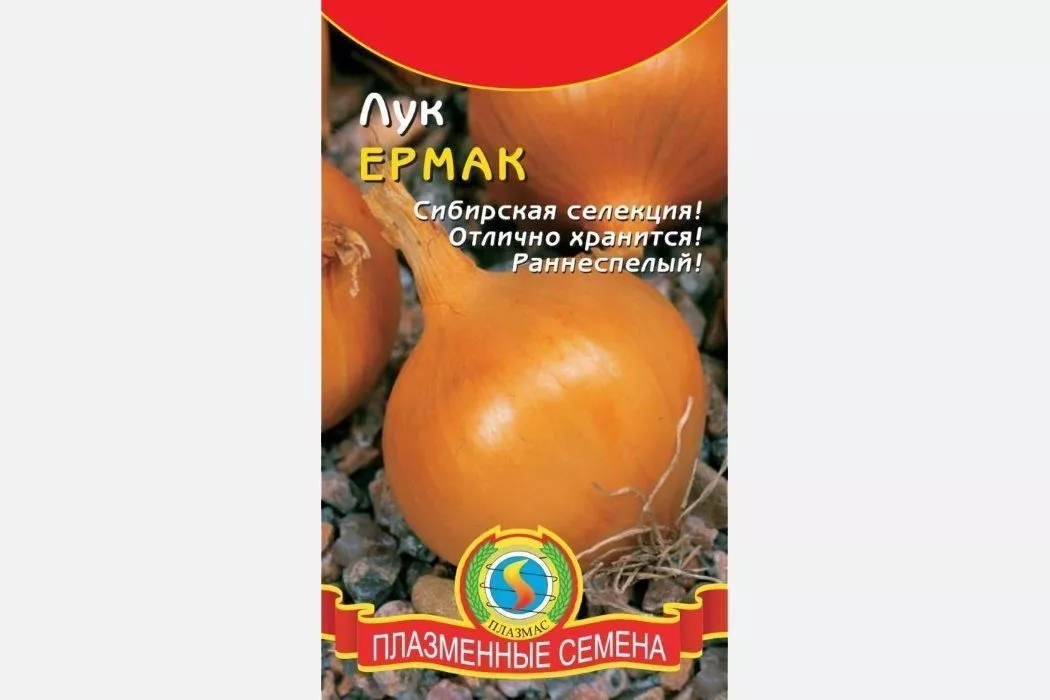
- ErmakThis variety is often found in northern regions due to its resistance to low temperatures and downy mildew. It is best grown from sets. The bulbs develop a spherical shape, become covered with yellow scales, and weigh between 100 and 200 g. The flesh is firm and has a piquant, semi-sharp flavor. The yield is good – up to 4 kg per square meter. 80-90% of the bulbs ripen in the garden, requiring further ripening for 10-14 days. After this, they can be stored for 8 months or more.
- Stuttgarter RiesenA well-known early variety from German breeders, it's undemanding to weather conditions and suitable for growing from sets in various regions of Russia. Yields approximately 3 kg per square meter of garden bed. Bulbs Stuttgarter Riesen The cherries develop a dense, golden husk and white flesh with a piquant, distinctly sharp flavor. Each cherries weigh 90-130 grams on average, have a flattened, round shape, and a dense texture. The variety is susceptible to fungal diseases, and in poor years can develop neck rot or downy mildew.
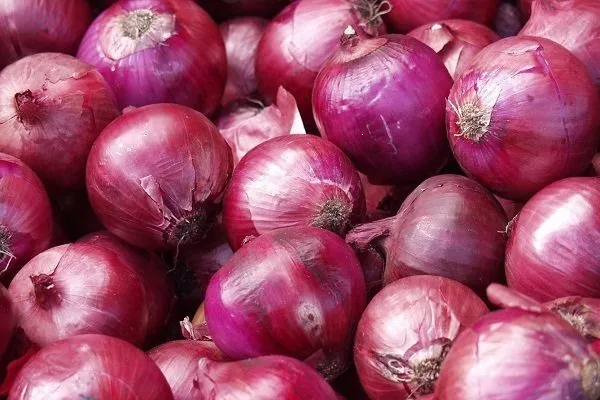
- CarmenA Dutch variety with a medium yield—up to 2.5 kg per square meter of garden bed. These round, flat turnips weigh from 50-70 to 120 g, with purple skins and white flesh with a reddish tint. They have a semi-sharp flavor with a distinctly aromatic aroma, making them suitable for both salads and cooking. Carmen is disease-resistant and stores well.
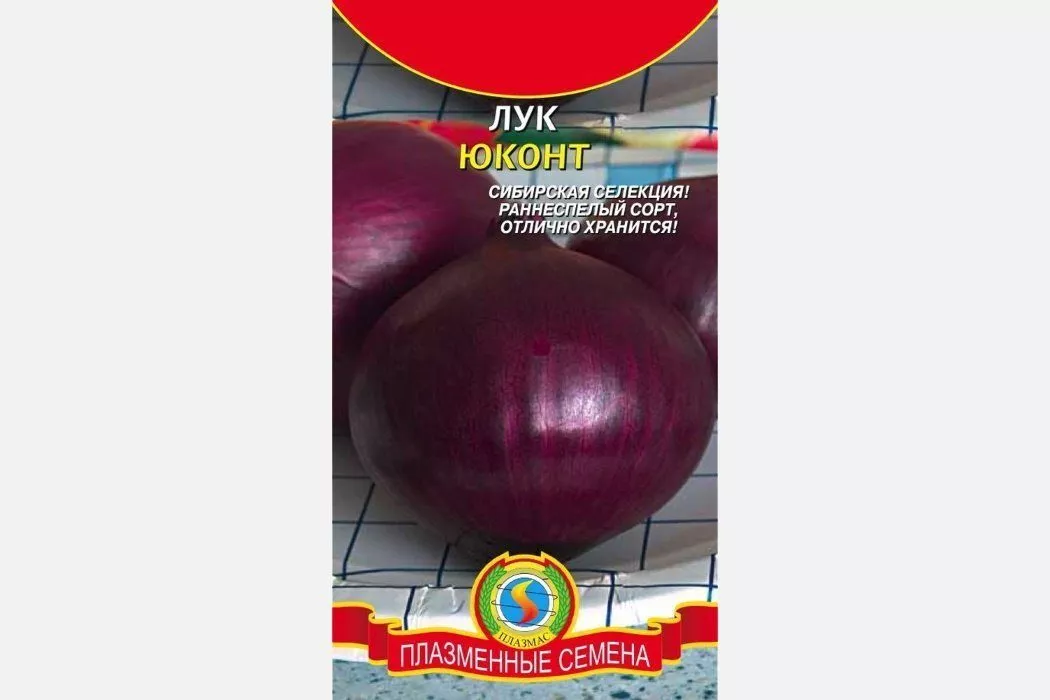
- YukonThis variety can be grown from sets or seeds. The former has a growing season of 62-73 days, while the latter can last up to 90 days. The bulbs are flattened and round, weighing an average of 100 g. They are covered with bright, dry, purple scales with a purplish-crimson tint, but the flesh itself is white and tangy. The variety has a 93% germination rate, and 1 square meter of garden bed yields approximately 3 kg of fruit. They can be stored for up to 8 months without significant loss.
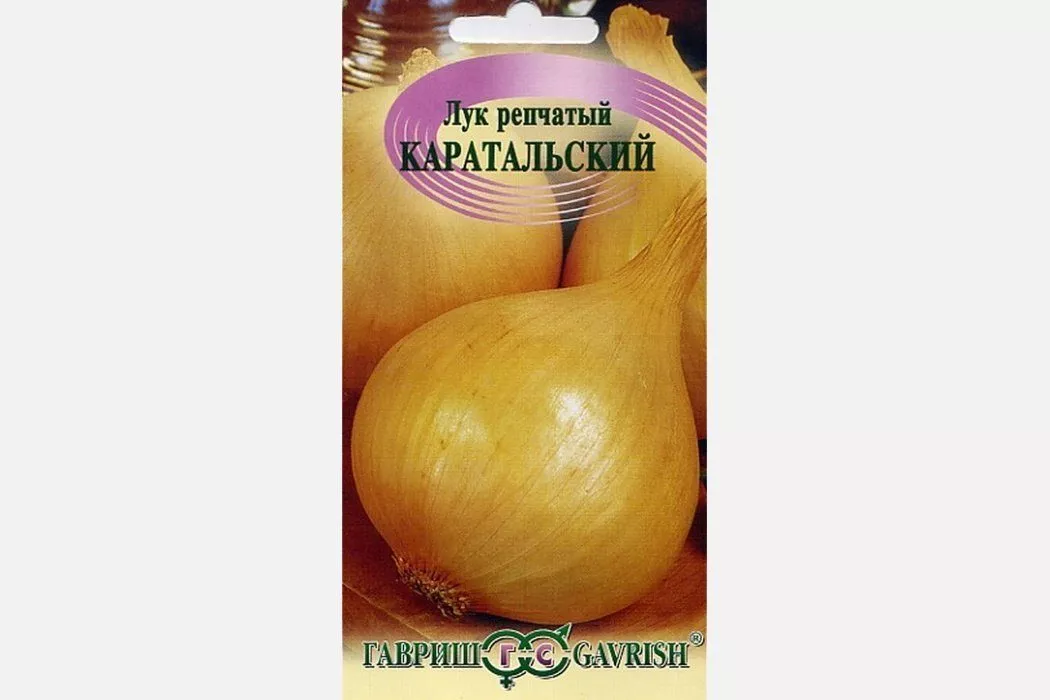
- KaratalskyThis variety will reward you with a good harvest even in arid climates and low-fertility soils. On average, 1 square meter of garden bed yields up to 4.4 kg of bulbs. They are round in shape and weigh between 50 and 120 g. Their dry scales are yellow or golden-yellow, and the flesh is white and has a distinct, pungent flavor. Karatalsky is a multi-embryonic variety and, when forced for feathers, produces an excellent yield of green feathers.
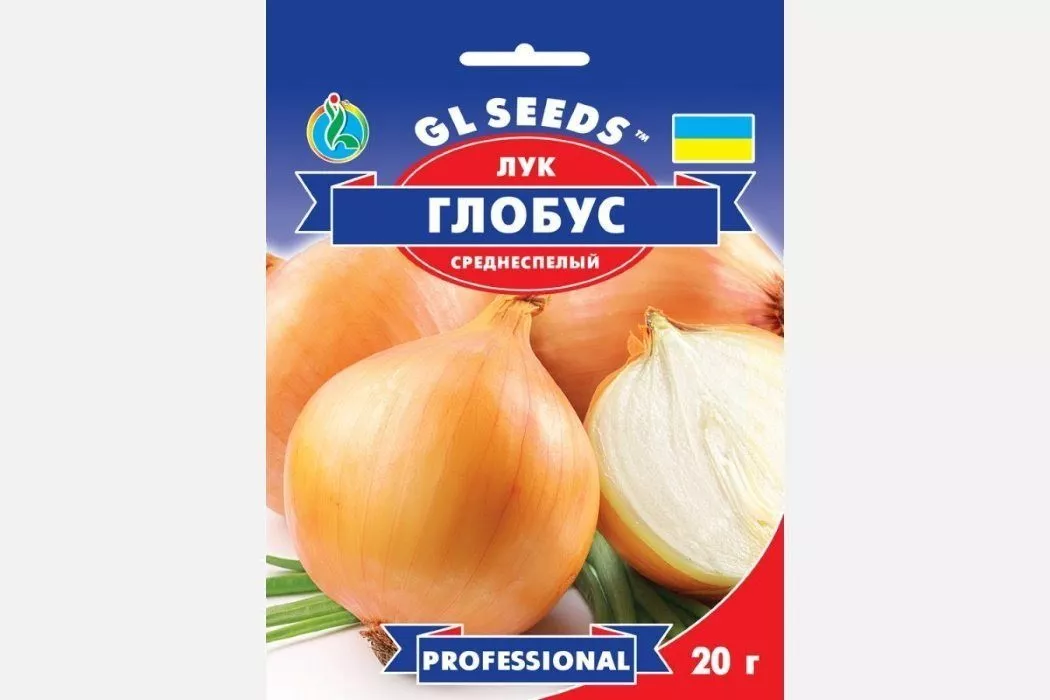
- GlobeIf you plant onions in late spring, by the end of summer you can harvest about 5 kg of round, oval, or elongated-round bulbs weighing from 130-160 to 250 g from a 1 sq. m. bed. They are covered with a light brown or brown skin and have juicy flesh with a pungent flavor. Globe onions are best grown as an annual crop. They exhibit resistance to downy mildew and can be stored for a long time.
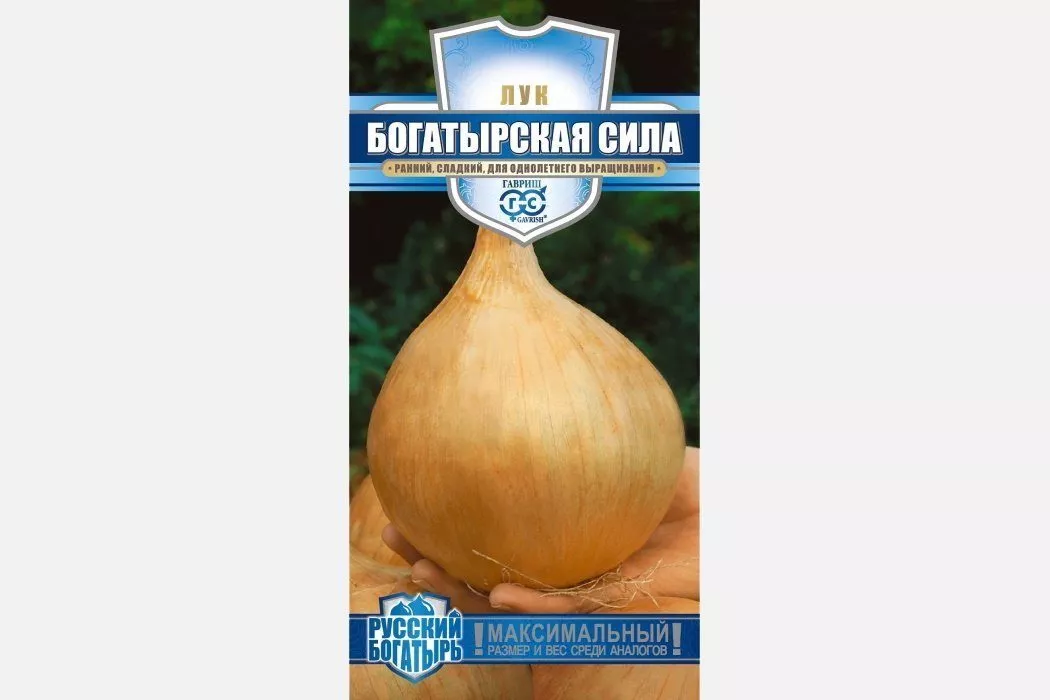
- Heroic strengthIf you're growing onions primarily for salads, this is an excellent variety. It produces large, uniform, round bulbs weighing up to 500 g, with a mild, sweet flavor. The plant isn't picky about soil, but in most cases, it requires organic fertilizer. With proper care, you can harvest up to 6 kg of onions per square meter.
- RamboThis variety is suitable for growing in regions with frequent weather fluctuations, as it tolerates temperature fluctuations and is rarely susceptible to fungal diseases. The plant produces attractive, uniformly rounded bulbs weighing up to 150 g, light brown in color, and with juicy white flesh and a mild flavor. To ensure a good harvest of fruits and plums, the soil should be fertilized with mineral fertilizers when growing Rambo. Another drawback of the variety is that the bulbs cannot be stored for more than four months.
- Red Semko F1A hybrid from Dutch breeders, it can be grown from seed in regions with long daylight hours, and from sets in colder climates. A 1-square-meter plot yields up to 4-5 kg of round bulbs weighing approximately 80 g, with purple skins and firm white flesh with noticeable dark red stripes and a semi-sharp flavor. This variety is suitable for long-term storage.
- Strigunovsky localSuitable for cultivation throughout the Non-Black Earth Region of Russia. A 1 sq. m. bed yields 1.1 to 3.2 kg of bulbs weighing up to 90 g. They are round or flattened and covered with yellowish or pinkish, dense, dry scales. The inner scales are white and have a pungent flavor. The variety is cold-hardy and resistant to silk rot.
- CenturionAnother variety native to Holland that can be grown in both cold and warm regions. Centurion It produces bulbs weighing up to 100 g, which are elongated, with a narrow neck and small base. They are covered with bright straw-colored scales, but the flesh itself is white and slightly pungent. The bulbs are suitable for canning and eating fresh, and they also have a long shelf life.
- Jatoba F1A Dutch-bred hybrid that produces round bulbs reaching 5-8 cm in diameter and covered with dry, bronze-colored scales. These onions can be grown for their leaves. The uniform, rich green tops with a waxy coating are smooth, upright, and attractive, making them popular at market.
Mid-season
These varieties have a growing season of 90-100 to 120 days. Almost all of them have good transportability and shelf life, but are better suited for consumption after heat treatment rather than fresh. Popular mid-season onion varieties include:
- AlekoThey can be grown from seeds or sets. The latter method yields a later harvest, but is 1.5-2 kg heavier. The bulbs are single-celled, round, and weigh between 80 and 120 g. They have dry, deep purple scales and dense, snow-white flesh with lilac stripes, which has a sharp, intense flavor. The dry scales adhere tightly to the bulb and are purple with a purplish tint. The bulbs mature up to 94% of the way through the plot, so they require a short ripening period and then store well.
- Iceperl F1 (Icepearl F1)This hybrid has a shelf life of approximately 7-8 months. The round fruits, weighing up to 350-400 g, resist rotting during storage thanks to their shiny, dense scales. The flesh is snow-white and has a pleasant, tangy flavor. The plant has a good root system, ensuring a nearly 100% germination rate. This hybrid can also be grown for its plumes, which are uniform, beautiful, and have an attractive color.
- Valero F1A popular Dutch hybrid for cultivation in various climates. It produces bulbs with dense, dark-brown scales. They develop a round shape and moderate size, reaching 6-8 cm in diameter. This hybrid can be stored for 4 to 6 months. It does not bolt and is resistant to fusarium wilt and pink rot. The variety is suitable for mechanical harvesting.
- Grateful Red F1A Dutch salad hybrid with excellent commercial qualities and resistance to fusarium, downy mildew, and pink root rot. Yields are stable—approximately 2.5-3.5 kg per square meter. The bulbs are round, with dense, burgundy-red skins and mildly pungent white flesh. They average 130-250 g in weight, but some larger specimens weigh up to 600 g. This variety exhibits excellent shelf life and adaptability to various weather conditions.
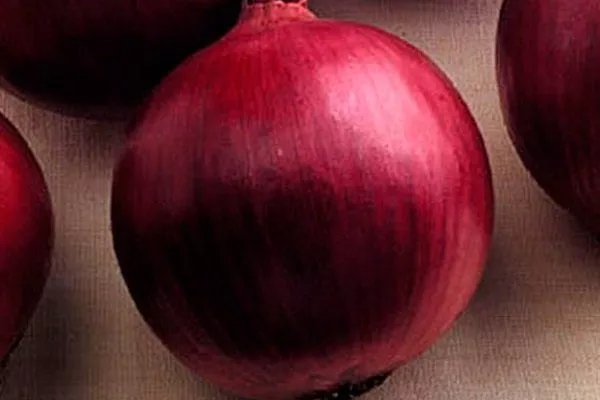
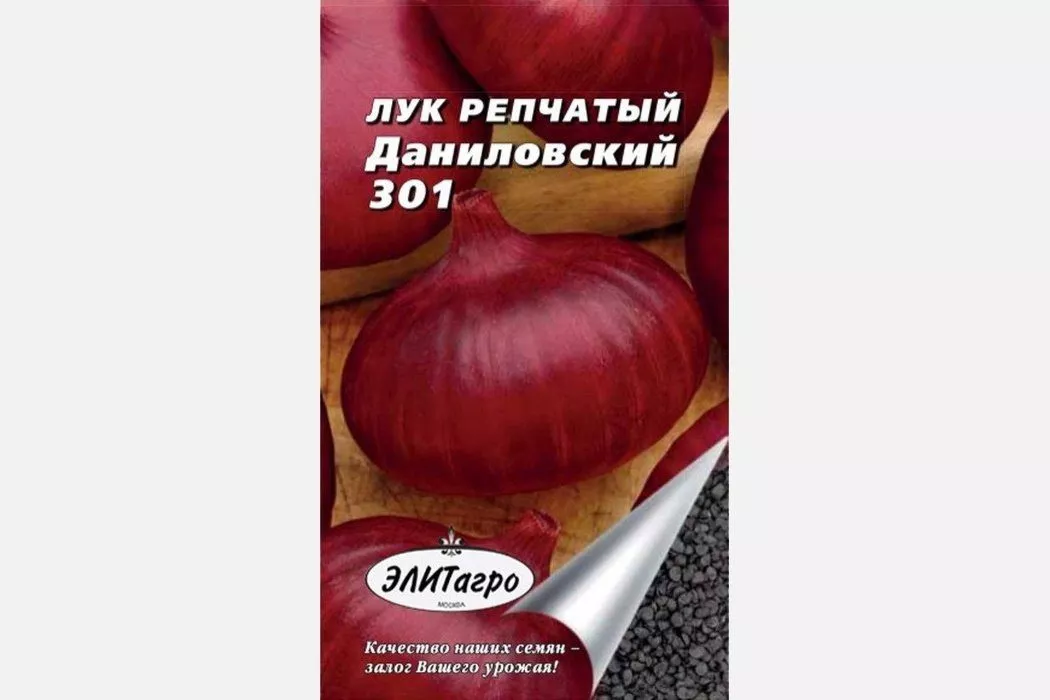
- Danilovsky 301A domestically bred variety, approved for cultivation since 1950. It is recommended to grow it as a biennial from sets, yielding 1.2-3.3 kg per square meter. The bulbs are flat or round-flat, weighing 80-150 g on average. They are covered with dark red scales with a purple tint, and the flesh itself is light lilac, juicy, and has a semi-sharp, almost sweet, flavor. When properly stored, this variety is resistant to rot and does not sprout.
- RainbowA versatile variety that can be grown mid-season in a single season, eliminating the need to purchase or grow onion sets. Round onions weigh 100 to 150 grams on average, although some weigh up to 250 grams. They have firm red scales and white flesh. Purple rings are visible when cut, making them ideal for salads. They have a pleasant, semi-sharp flavor, close to sweet. Rainbow is disease-resistant and does not tend to form nests.
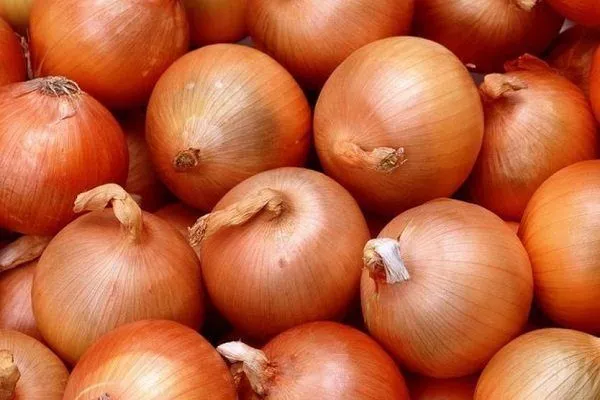
- LucyA Czech-bred variety that produces attractive, rounded bulbs with dense, yellow-bronze outer scales. Their necks are thin, allowing them to dry quickly and store well. The flesh itself is white, moderately juicy, and tangy. The bulbs weigh an average of 130-150 g.
- Krasnodar G 35A domestically bred variety, grown as an annual crop from seed since 1943. It produces round, uniform bulbs weighing 90-114 g. They are covered with yellow-brown scales with a slight pink tint. The flesh itself is white and semi-sharp in flavor. Yields are up to 2-4 kg per square meter. Depending on weather conditions, germination rates range from 50-95%. Among the disadvantages, it is worth noting that the variety is susceptible to fungal diseases, neck rot, and downy mildew.
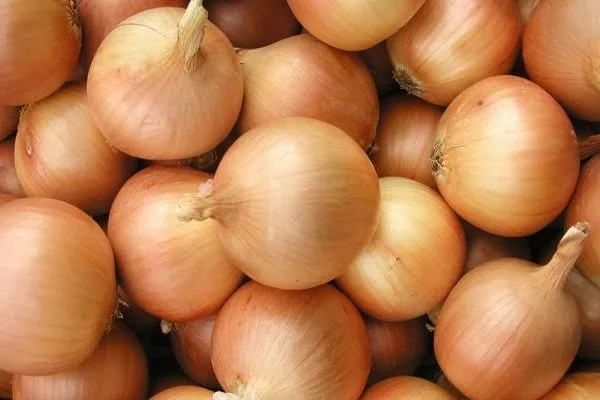
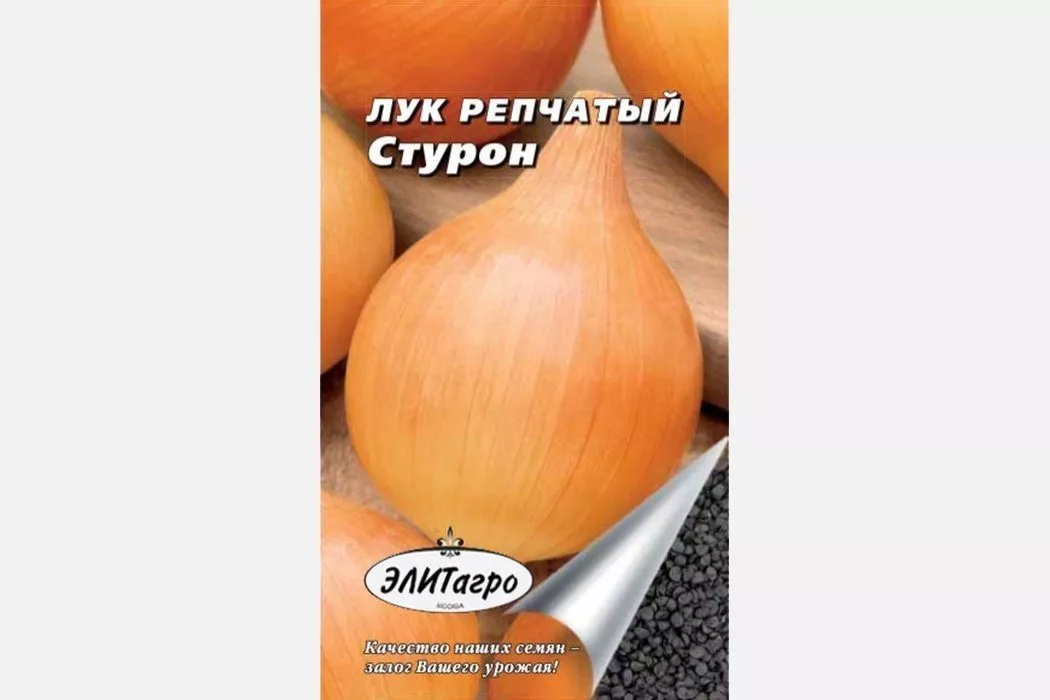
- SturonA Dutch-bred variety suitable for growing in warm or temperate climates. It produces spherical heads weighing approximately 110-180 g, with tightly fitting, dry, rich golden scales and white, pungent flesh. The variety yields 6 kg per square meter, and has a shelf life of up to 9 months. Sturon It exhibits resistance to diseases and rot, and is rarely affected by pests.
- SettonA Dutch-bred variety for professional cultivation, it produces elongated bulbs weighing approximately 100-120 g. They have golden skins, elongated brown necks, and cream-colored flesh with a mild pungency. With proper cultivation, up to 5-6 kg of fruit can be harvested from 1 square meter of garden bed. The plant does not bolt and has moderate susceptibility to fungal diseases.
- StarterIf you plan to harvest mechanically, this variety is an excellent choice. It produces bulbs weighing up to 130-140 g and reaching 6-8 cm in diameter. They are rounded and have a thick skin, allowing them to be stored for 7-8 months. The onion's dark green leaves have excellent flavor, making them suitable for the fresh green market. The plant is rarely susceptible to disease and does not produce bolts.
- Solstice F1This mid-season Dutch variety is highly sought after in cooking due to its snow-white, juicy core and piquant flavor. The bulbs themselves are round with dry, white scales. They can be stored for 6-7 months without losing their marketability. The crop has high resistance to fusarium wilt, but only moderate resistance to pink root rot.
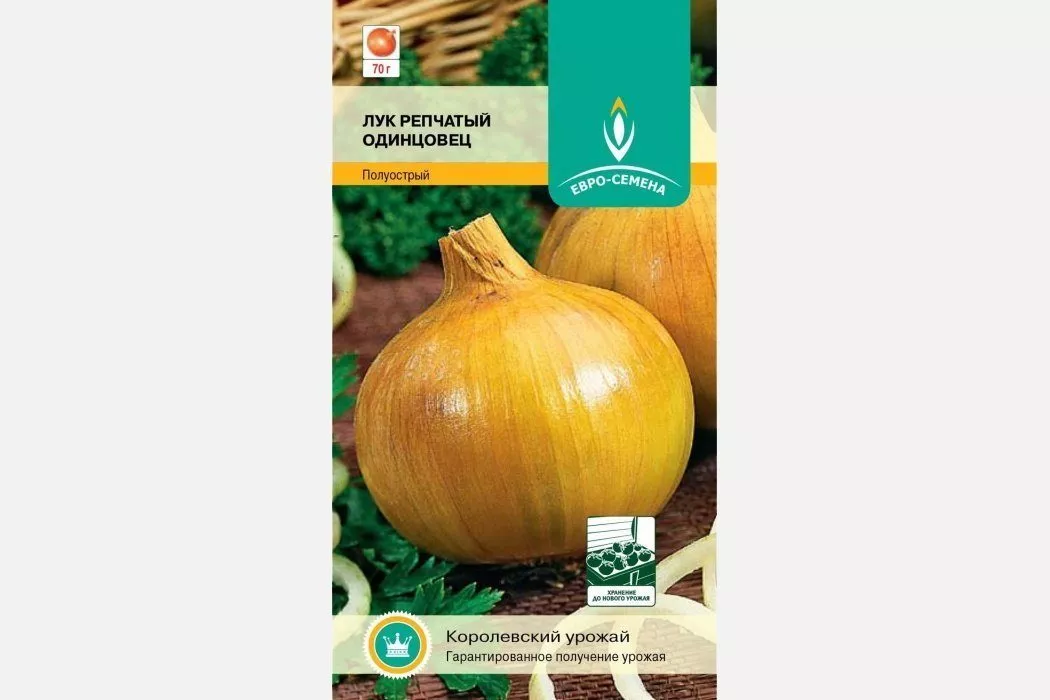
- OdintsovetsIt produces round bulbs that are suitable for mechanical harvesting and have excellent shelf life and transportability. Each bulb weighs approximately 60-80 g, has creamy-white flesh with a slight pungency, and is covered with dense bronze-amber scales. The crop yields moderately—approximately 1.5 kg per square meter. Its susceptibility to neck rot and downy mildew is also considered a drawback.
- ElistaThis Czech variety differs from its relatives with its unusual oval shape, which makes it easy to cut even rings of uniform diameter. The bulbs are covered in beautiful bronze-colored scales, weigh approximately 110-120 g, and have juicy, snow-white flesh, suitable for fresh salads and main dishes.
| Variety | Yield (kg/m2) | Bulb weight (g) | Shelf life (months) | Disease resistance |
|---|---|---|---|---|
| Aleko | — | 80-120 | — | — |
| Iceperl F1 | — | 350-400 | 7-8 | — |
| Valero F1 | — | — | 4-6 | High |
| Grateful Red F1 | 2.5-3.5 | 130-600 | — | High |
| Danilovsky 301 | 1.2-3.3 | 80-150 | — | High |
| Rainbow | — | 100-250 | — | High |
| Lucy | — | 130-150 | — | — |
| Krasnodar G 35 | 2-4 | 90-114 | — | Low |
| Sturon | 6 | 110-180 | 9 | High |
| Setton | 5-6 | 100-120 | — | Average |
| Starter | — | 130-140 | 7-8 | High |
| Solstice F1 | — | — | 6-7 | Average |
| Odintsovets | 1.5 | 60-80 | — | Low |
| Elista | — | 110-120 | — | — |
Mid-season turnips are characterized by high yields, but require special care during cultivation and harvesting, as excess mineral fertilizers or mechanical damage significantly reduce their shelf life.
Late-ripening
Varieties with a growing season of more than 4 months are late-ripening and are intended for growing in regions with little sunlight and warm days. Popular varieties include:
- AmphoraA variety with a unique teardrop shape that distinguishes it from its rounder counterparts. Each bulb averages 100 to 120 g, and each bulb has a pleasant bronze color with a red tint. The flesh itself is snow-white, juicy, and crisp. Amphora is best grown as an annual from seed, but can also be grown from onion sets.
- Spanish 313The crop produces round bulbs weighing 150-200 g. They are covered with pale pink scales and have juicy, white flesh of moderate density. The onion has a sweet flavor, a rare trait among cold- and disease-resistant varieties. Spanish 313 also boasts a high yield of 4.6 kg per square meter.
- BambergerOne of the newest onion varieties, Bamberger is well-suited for growing as both bulbs and green onions. The bulbs are small, elongated, and have a mild flavor with a tangy edge. The outer scales are yellow, and the juicy flesh is a milky white. Bamberger is resistant to bolting and is rarely affected by fungal diseases.
- Stardust F1A snow-white winter onion that can be planted before winter in various regions. The small bulbs weigh 40-50 g each and have firm flesh with a sharp flavor. Yields up to 3 kg per square meter. The plant is undemanding and frost-resistant. This hybrid is a multi-embryonic variety and is suitable for forcing green onions.
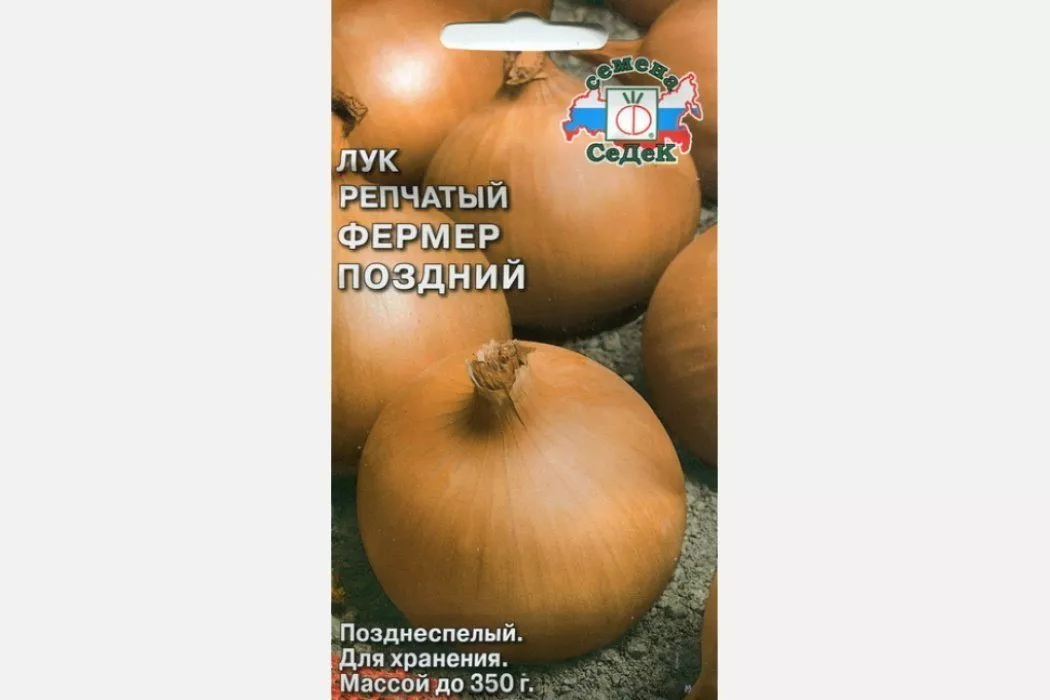
- Late FarmerA variety for mass cultivation, it can be grown by direct seeding into the ground to produce round bulbs weighing up to 250 g. When grown from seedlings, specimens weighing up to 350 g can be obtained. This onion has brown scales with an amber tint and white flesh with a sharp, intense flavor. This variety is prized for its versatility, resistance to fungal diseases, and good shelf life.
- RadarA winter variety with good yields, producing large, round bulbs weighing up to 300 g. They have white flesh and dense, golden-yellow scales, ensuring good shelf life and the ability to withstand temperatures as low as -15°C in winters with little snowfall and as low as -23°C in heavy snowfall. This variety does not bolt and is resistant to pests and diseases, but it is highly depleting of the soil, so it should not be grown in the same area for two consecutive seasons.
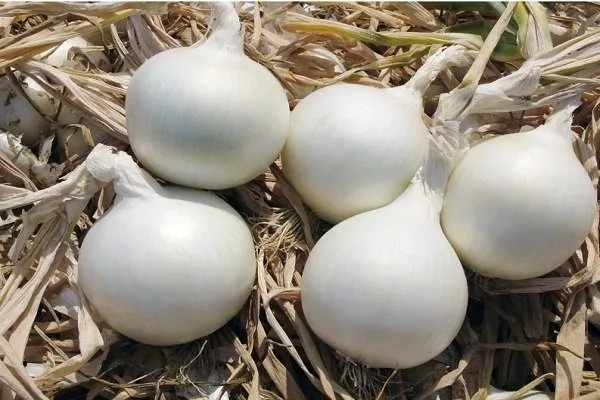
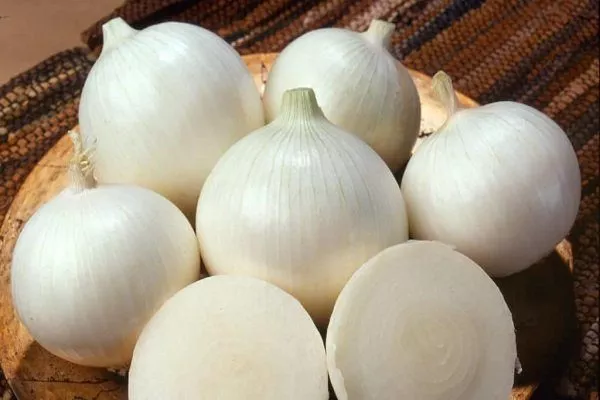
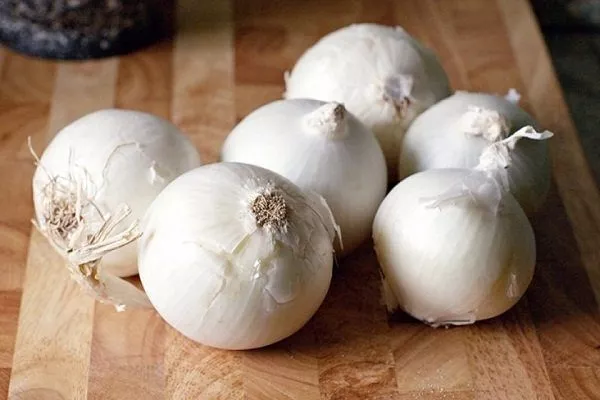
- SnowballThis is one of the best white onion varieties. It resembles a snowball in appearance, as the bulbs, weighing 145 to 160 grams, are white and round. The flesh is very juicy and semi-sharp, which distinguishes Snowball from its peers. The bulbs can be stored for up to 6 months. They are resistant to bolting and many diseases.
- Red BaronThis variety can be grown in regions with a variety of climates. It produces red bulbs with dense, uniform flesh. The flesh is crisp, sweet, and not bitter. Its contrasting color makes it a great addition to vitamin-rich salads. The plant itself is resistant to rot and disease, but requires ample watering during dry periods. However, excessive moisture should be avoided, as this will cause the bulbs to crack.
- Costanza F1It bears round bulbs weighing up to 150-170 g, covered in dense, rich red scales with a bronze tint. The snow-white flesh is juicy and ideal for mass processing. This variety rarely suffers from diseases and tolerates sudden temperature fluctuations. The hybrid can be harvested mechanically, making it suitable for large-scale cultivation.
- ExhibitionAn original Dutch-bred onion that produces large fruits weighing up to 500 g, sometimes up to 800 g. They have a rounded, elongated shape, golden, dry scales, and sweet white flesh. The variety yields up to 3-4.3 kg per square meter. Exhibition can be stored for up to 4 months.
| Variety | Yield (kg/m2) | Bulb weight (g) | Shelf life (months) | Disease resistance |
|---|---|---|---|---|
| Amphora | — | 100-120 | — | — |
| Spanish 313 | 4.6 | 150-200 | — | High |
| Bamberger | — | — | — | High |
| Stardust F1 | 3 | 40-50 | — | High |
| Late Farmer | — | 250-350 | — | High |
| Radar | — | up to 300 | — | High |
| Snowball | — | 145-160 | 6 | High |
| Red Baron | — | — | — | High |
| Costanza F1 | — | 150-170 | — | High |
| Exhibition | 3-4.3 | 500-800 | 4 | — |
A selection of varieties to suit your taste
Turnips can also be classified into three groups based on their taste. We'll examine the best representatives of each group separately.
Sharp
Onion varieties characterized by a pungent flavor are primarily fast-growing crops with a long shelf life but low yields. Popular among these are the varieties mentioned above:
- Timiryazevsky;
- Stuttgarter Riesen;
- Strigunovsky local.
The following varieties can be added to this list:
- Arzamas localAn early-ripening variety that produces medium-sized roots weighing up to 70-90 g. They are round or oblong in shape, with dry, brown-yellow scales and white, juicy flesh. This variety produces few nests and, when grown as a biennial, yields approximately 3.2 kg per square meter of garden bed. Disadvantages include susceptibility to downy mildew and onion fly.
- ChalcedonyA mid-season variety bred in Moldova that produces versatile root vegetables. Clusters typically contain a single oval or round bulb with bronze-brown scales and white, juicy flesh. Each bulb weighs an average of 90 g. Under favorable conditions, the yield can reach up to 5 kg per square meter. A unique feature of this variety is that the bulbs remain above the soil surface during development, accelerating their ripening and facilitating harvesting.
- Golden SemkoA pungent, small-nest hybrid with an early ripening period, it is primarily grown in northern regions as sets. It produces bulbs weighing up to 80 g, covered with a yellowish-brown husk and possessing juicy white flesh. The crop yields up to 3.5 kg per square meter. The roots can be stored for 6-7 months without losing their marketable appearance. Golden Semko will please you with its resistance to low temperatures and diseases.
Semi-sharp
These varieties are more productive, but their harvesting and storage are more challenging, as the bulbs are easily damaged and spoiled. The best semi-hot varieties include the aforementioned Carmen, as well as the following:
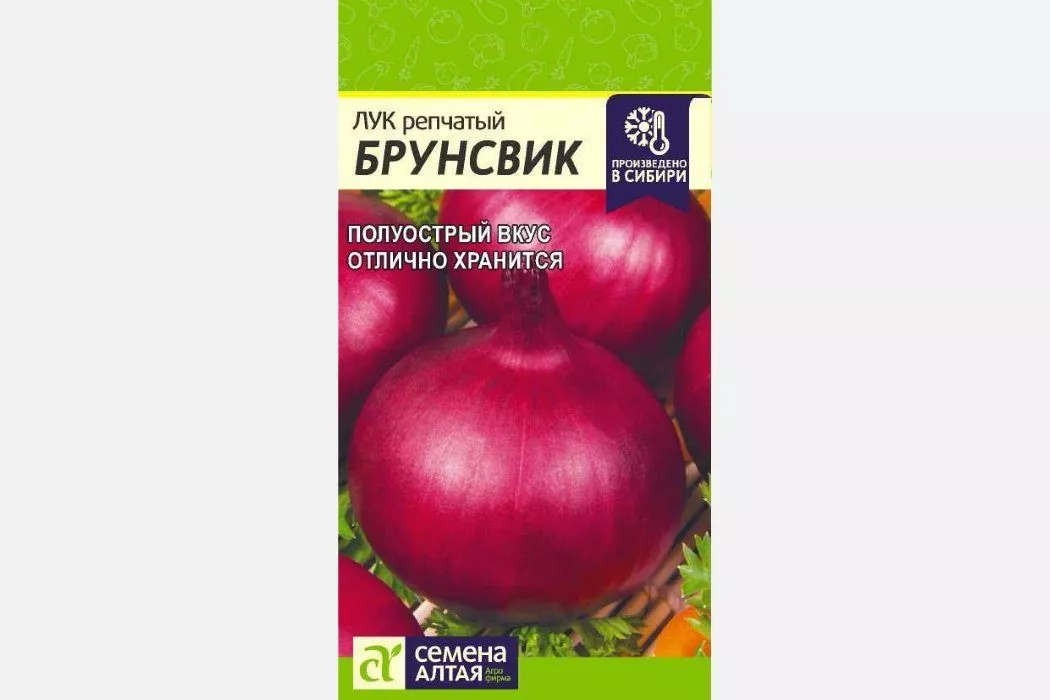
- BrunswickIt produces cherry-red bulbs that are round, slightly flattened, and weigh up to 120 g. The flesh is white, and the onion rings have a raspberry hue and a semi-sharp, piquant flavor. The harvest can be completed 130 days after planting. A 1-square-meter bed yields approximately 3.2 kg of root vegetables. It is recommended to grow the crop using sets to protect it from bacterial blight.
- KabaRecognized as one of the best late-ripening varieties with a semi-sweet flavor, it is often used fresh in salads. The bulbs are large (up to 200 g) and covered with golden-yellow, dry scales with a brown tint. The flesh is slightly loose, so care must be taken when harvesting the bulbs to avoid damaging them. This variety is best grown as an annual crop, from seed through seedlings. The bulbs should be harvested as they ripen and consumed immediately, as they are not suitable for long-term storage.
- Spirit F1A Dutch-bred hybrid that, unlike previous varieties, is suitable for winter storage and also exhibits resistance to sprouting and rot (bacterial and neck). It is best grown as an annual crop from seed. The bulbs are round and flat, medium-dense, and have 2-3 rudiments. They are covered with dry bronze scales, and the flesh is white and juicy. The yield of this early-ripening hybrid is promising: 0.8-2 kg per square meter.
Sweet
Most sweet varieties are suitable for fresh consumption, have high yields, and a short shelf life. The best regions for their cultivation are southern regions. Among the varieties mentioned, Exhibition and Red Baron are sweet. The following varieties could be added to this list:
- YaltaA popular salad onion, it boasts a very sweet flavor without bitterness or pungency. The bulbs are always flattened and weigh about 150 g. They are covered in purple scales with a raspberry tint and have thick inner rings with a lilac tint. These onions are best eaten raw, as cooking them depletes many of their beneficial nutrients. They can be stored in a cool place for up to 4-5 months, braided beforehand.
- CaramelThis variety produces elongated salad-grade bulbs, reaching 10 cm in length and weighing up to 60 g. They are covered with dense purple scales and have white, sweet flesh with a mild aroma. Karamel is best grown from seedlings in May to yield an early onion harvest in June or July. If you plan to store the vegetable for the winter, planting should be done in April or May, and harvesting the roots in August or September.
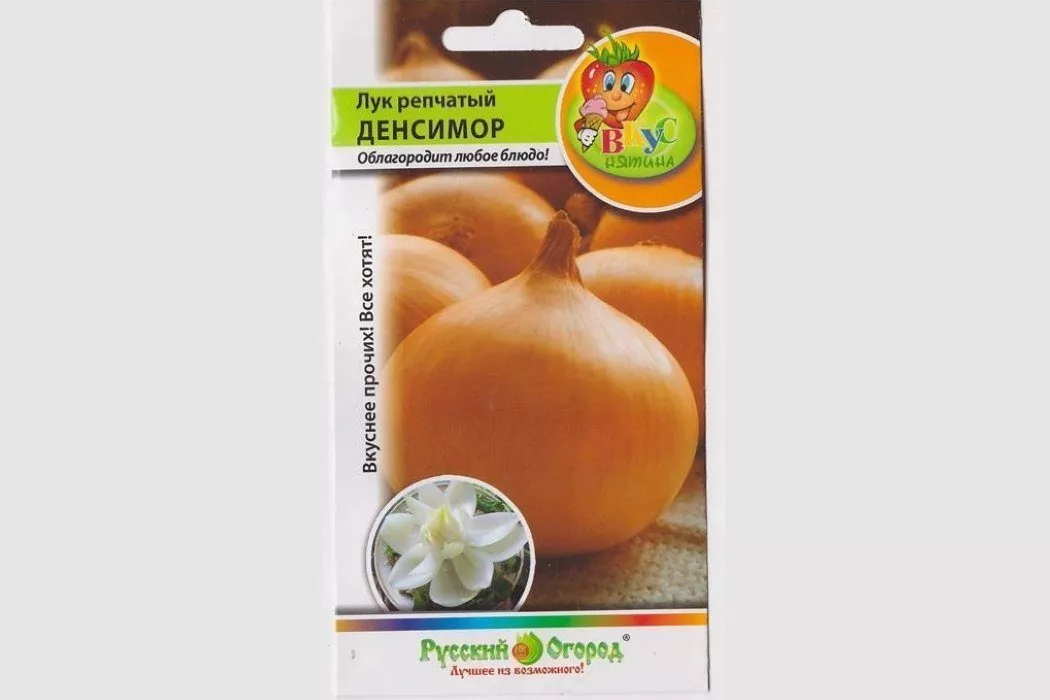
- DensimoreA mid-season onion for growing as an annual crop, it boasts excellent storage and transportability. It produces uniform, round bulbs with a thin neck, each weighing approximately 120-130 g. The bulbs have golden scales with a bronze or greenish tint. The white flesh has a sweet and delicate flavor. The bulbs can be stored well without losing their marketability in well-ventilated areas.
Red varieties
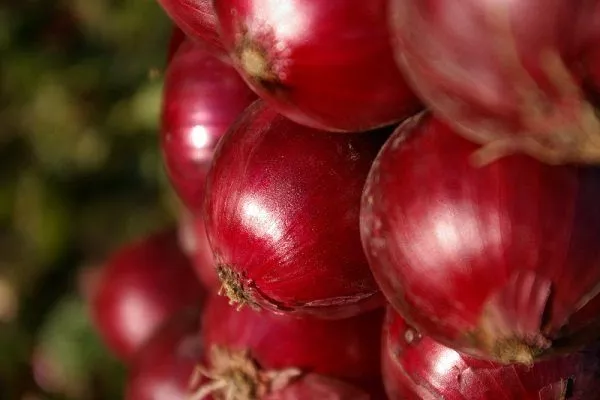
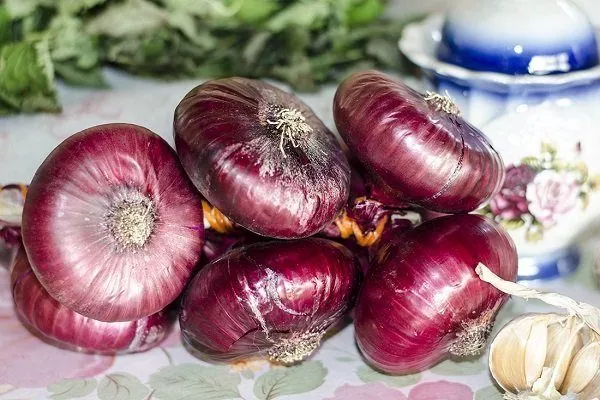
In addition to the aforementioned Red Baron and Brunswick, some other crops can be considered popular varieties of red onions.
Red Brunswick
A mid-early variety distinguished by its vibrant purple color, it can be grown from seed or sets. Depending on the planting method, the harvest can be completed in 70-110 days.
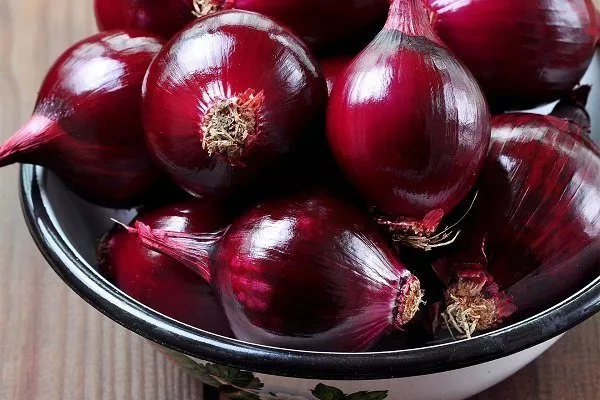
The plant produces round, flat bulbs that average 100 grams in weight. Their inner scales are white with purple edges. The onion has a pleasant, semi-sharp flavor.
The crop yield is 2.5-3 kg per 1 square meter. The plant exhibits high resistance to fungal diseases and requires short-term ripening.
Campillo F1
A mid-season hybrid – if sown in April, you can harvest uniform, round bulbs weighing 110 to 150 g as early as August-September. They have raspberry-red scales and thick, dense flesh with a whitish-pink hue.
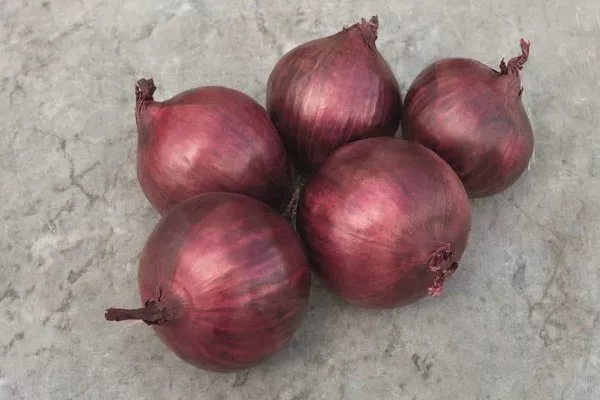
Mature bulbs should be dried in the garden bed and then placed in a dry room to ripen for 7-14 days. This process ensures good storage and resistance to rot and fusarium.
The Black Prince
This domestically bred onion can be grown safely in cold climates. It produces burgundy, rounded bulbs weighing up to 100 g. The bulbs are covered with dry, dark purple scales with a raspberry tint. The flesh is white and juicy, with a semi-sharp flavor and high sugar content.
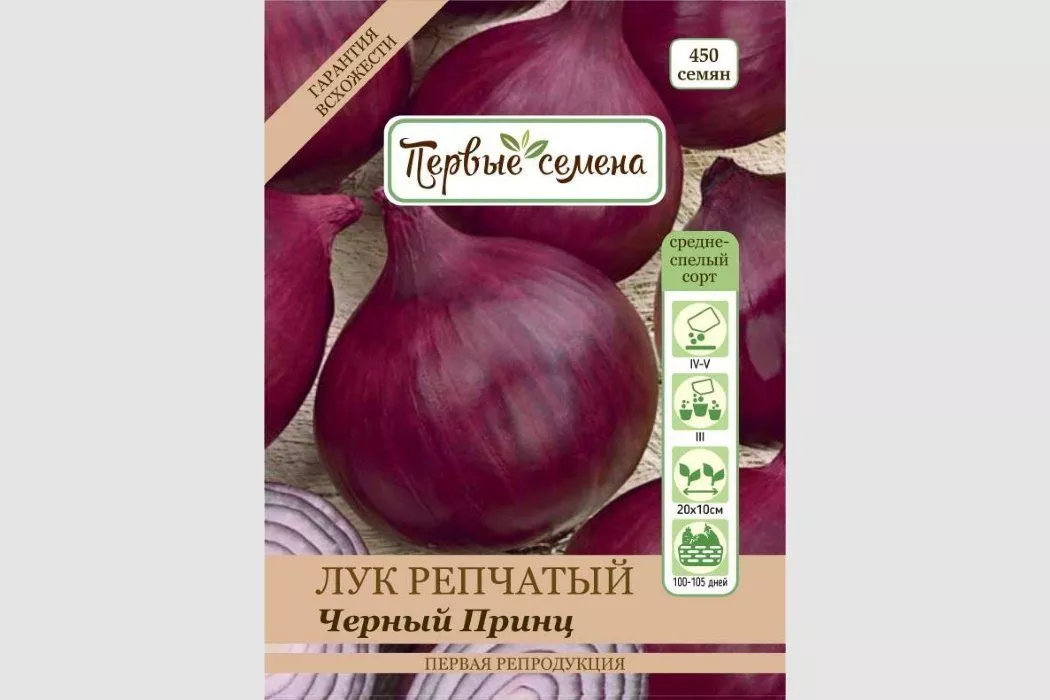
Black Prince can be harvested 100-110 days after the first shoots emerge. A 1 square meter bed can yield up to 4-5 kg of bulbs, which are suitable for long-term storage and are resistant to long-distance transportation.
Large varieties
Among onion varieties, those that produce particularly large bulbs stand out. Popular examples include the aforementioned Exhibition, as well as several other varieties.
Globo
A late-ripening salad variety, it's recommended to grow from seedlings, starting the seeds as early as early March. With supplemental lighting and mineral fertilizer, you can harvest bulbs with the following characteristics in just 120-130 days:
- in shape they resemble a wide ellipse;
- on average they weigh 700-800 g, although there are huge specimens weighing up to 1 kg;
- have a yellowish-orange husk and internal white scales;
- They taste sweet and very juicy, but lack the pungent onion smell.
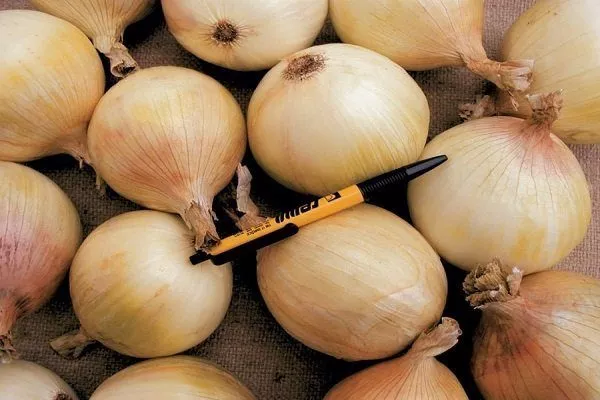
The yield per square meter of garden bed is approximately 9-12 kg. The bulbs should be eaten immediately rather than stored for long periods, as they are prone to sprouting.
Russian size
If you grow the crop from seedlings, sowing the seeds in February, you can already have huge bulbs weighing a record 3 kg by August-September. They are round with a slightly elongated neck and covered with golden-yellow scales with a greenish tint. The flesh itself is creamy white and has a delicate, piquant flavor. It does not have a strong characteristic odor.
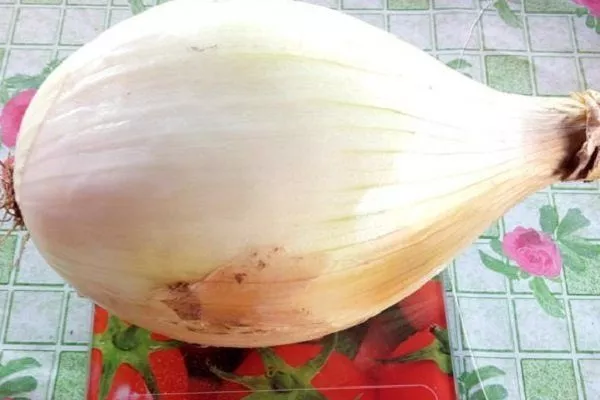
Bulbs weighing 3 kg each have a poor shelf life, so they should be used immediately in salads or preserves.
White Wing
A hybrid onion characterized by robust roots and leaves. Within 90-100 days of planting, the plant produces round, snow-white bulbs of impressive size—averaging 400 g. The flesh is also white and very juicy.
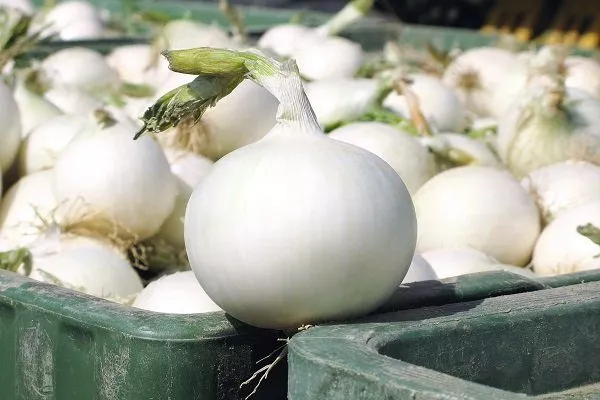
This hybrid can be grown in any climate zone. It requires little care, tolerates heat and drought, and is resistant to fungal diseases. The bulbs can be stored for up to 5 months. They are suitable for both fresh eating and canning.
To grow onions in your garden, you first need to choose the right variety. The most popular varieties of this crop were described above. Thanks to the wide variety of cultivars and hybrids, every gardener will be able to find the perfect one.