
The Snowball onion is a popular variety, recognized by vegetable growers for its high productivity and excellent flavor. Suitable for fresh consumption and canning, it's easy to grow even in limited space. It's prized for its early maturity and resistance to adverse conditions. Timely care is key.
Breeding history
Developed by Dutch breeders, it is a mid-early variety and, despite its recent introduction, has quickly gained popularity in Russia.
Description of the variety
Snowball is one of the best varieties of white onion due to its low maintenance and excellent flavor.
Characteristics of the appearance of the plant and bulbs
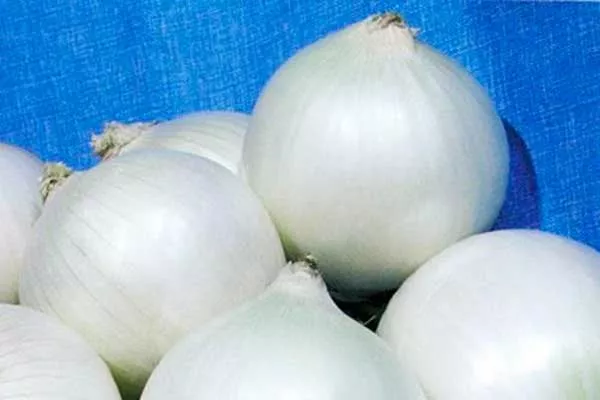
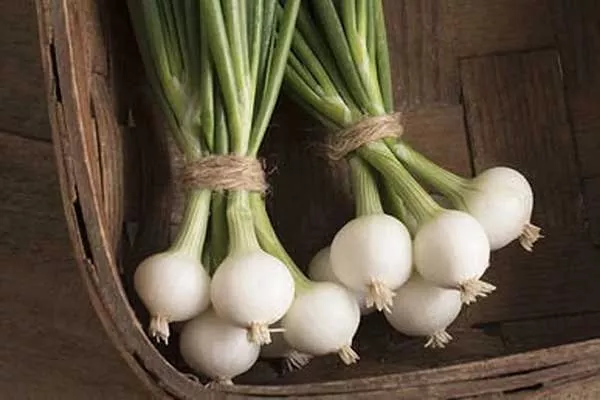
The variety gets its name from its snow-white color and rounded shape. Its key characteristics include:
- Form - almost round.
- Weight - up to 150 g
- Color of scales – white.
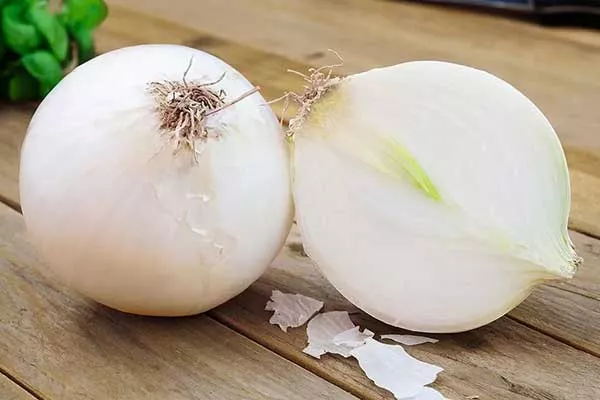
The thick skin makes the vegetable suitable for long-distance transportation. On average, two bulbs form per cluster, and under the right conditions, the shelf life is up to six months.
Purpose and taste
The semi-sharp flavor of the Snowball onion is highly praised by tasters. This variety is ideal for salads, but is often used in various dishes or eaten fresh.
Beneficial properties
This vegetable is rich in vitamins and minerals, including vitamin C, B6, potassium, and folate. Its antioxidant properties help strengthen the immune system.
This low-calorie product is suitable for dietary nutrition, helps improve digestion and reduces blood cholesterol levels.
Maturation
It belongs to the mid-early varieties, ensuring the formation of bulbs 100 days after planting seeds or sets in the ground.
Productivity
Snowball is characterized by high productivity. With proper cultivation practices, up to 4.7 kg of high-quality white bulbs can be harvested per square meter.
- ✓ The optimal soil pH level should be between 6.0 and 7.0 to ensure the best growth and development of onions.
- ✓ The soil should be well-drained to avoid waterlogging, which can lead to bulb rot.
Soil requirements
The soil for planting should be loose and neutral in pH, as the plant does not tolerate acidic conditions. Therefore, add dolomite flour or ash to such soils.
In the fall, dig up the area thoroughly, add some humus and about 25-30 g of phosphorus mineral fertilizer per 1 sq. m.
Resistance to diseases and pests
The variety has a strong immune system and resists most diseases and insects typical for it. However, improper care can reduce yields and quickly kill the plant. To avoid this, disinfect the seeds and carry out preventative spraying during active growth.
How to grow onions from seeds?
High-quality planting material is the foundation of a good harvest, so choose it carefully. Use seeds if they are fully ripe, properly collected, and stored in a dry place. Suitable seeds for sowing are: uniform in size, dry, black, shiny, and free of impurities and mold.
Preparing the soil for sowing onions
Choose a suitable planting location. The best seedlings will emerge in areas where zucchini, cucumbers, tomatoes, or cabbage were grown last year. Avoid onion beds, as they can harbor pathogenic bacteria and onion flies.
Follow these recommendations:
- Choose a sunny and well-ventilated area, dig the soil and apply fertilizer about a week before sowing.
- Add 5 kg of rotted manure or compost and 20 g of nitrophoska, Kemira Universal, Rastvorin or another complex mineral fertilizer per 1 sq. m to loose, breathable soil.
For heavy clay soils, add 10 kg of sand and rotted sawdust to this mixture, and for acidic soils, use 100 g of ash or dolomite flour per 1 sq. m.
Preparing onion seeds for sowing
The seedlings have a hard shell, so soak them first. To do this, place the seeds in a damp cloth and mist them regularly with warm water to prevent them from drying out. As soon as the first seeds sprout (usually within 1-3 days), begin sowing.
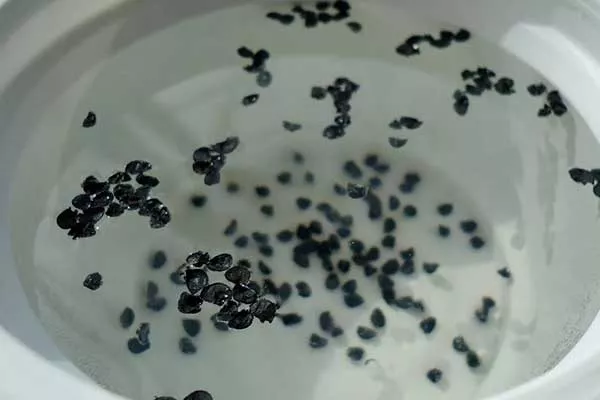
If you're unsure about the quality of your seeds, for example, if they've been stored for several years, check their germination rate. Soak the nigella seeds in water and place them in a warm place. Within a few days, more than half of the seeds should sprout. If this doesn't happen, replace them or sow them more densely.
Sowing onion seeds
Growing this crop doesn't take much time, and even a novice gardener can easily handle it. Follow these important guidelines:
- In the central part of Russia, start sowing in the second-to-last or last week of April. Residents of other regions should determine the timing based on the weather. Don't rely on recurrent frosts (onions can withstand them), but rather on the average daily temperature, which should be above 15-18°C.
- Winter planting is possible, but keep a few nuances in mind. Prepare the beds the same way as in spring, but not before October. Perform this procedure on frozen ground or after the first snow, when no thaw is expected.
Sow the seeds slightly more densely than in spring, be sure to sow them dry, and immediately cover them with prepared soil or peat. Cover the bed with a thick layer of spruce branches.
Step-by-step algorithm:
- On the chosen day, moisten the prepared beds with warm water, then make furrows no more than 3 cm deep. The distance between rows should be about 15 cm. Dust the bottom with ash.
- Place the seeds 1.5-2 cm apart.
- Sprinkle the plantings with a thin layer of soil, peat or sand, and mulch the bed.
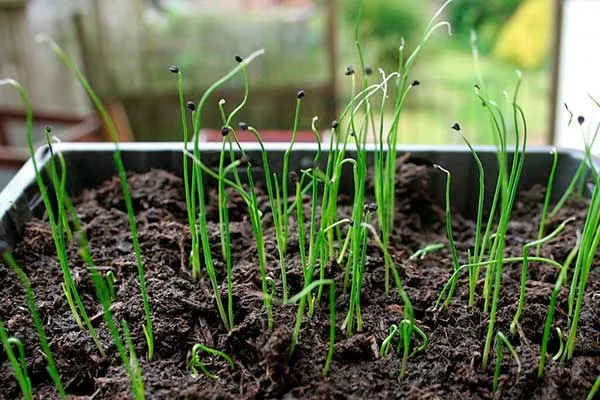
If the seeds have sprouted, no additional watering is required – they will emerge within a week. Gently moisten dry seeds – they will germinate in no less than 10 days.
Caring for onion seedlings from seeds
Snowball planting material germinates slowly, and young leaves develop just as slowly. Seedlings will emerge within a couple of weeks after sowing, and full-fledged leaves will appear only after a month. Despite their pale appearance, maintain them regularly, otherwise they may be displaced by more aggressive weeds.
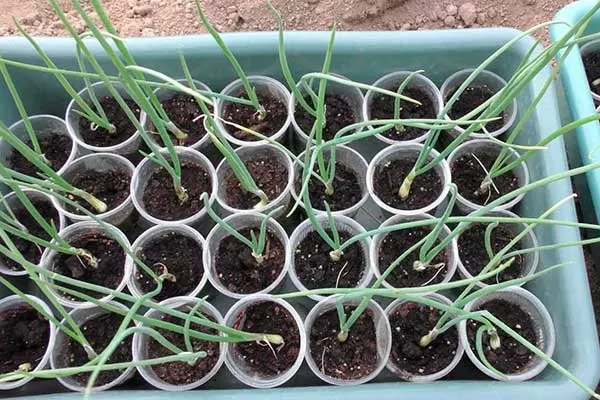
Provide the crop with proper agricultural technology:
- As the soil dries out (approximately every 3-4 days), moisten the seedlings with warm water.
- Regularly loosen the space between the rows to break up the soil crust.
- When each plant has 3-4 true leaves, thin the seedlings, leaving 3-4 cm between plants.
- The first feeding should be carried out 2 weeks after the emergence of seedlings, using nitrogen fertilizers to stimulate foliage growth.
- Perform the second feeding 3-4 weeks after the first, using complex fertilizers with a predominance of phosphorus and potassium for the development of bulbs.
- The third feeding should be carried out a month before harvesting, using potassium fertilizers to improve the shelf life of the bulbs.
Apply two fertilizer applications, 10 days apart. For the first application, dissolve 20 g of urea in 10 liters of water. For the second application, use the same ingredients but add 5 g of superphosphate and potassium sulfate. When applying fertilizer, water the furrows, avoiding contact with the leaves to avoid burning.
Growing onions from sets
If you're planning to plant for feathers or heads in the fall, begin preparing the bed in early September by applying a fertilizer similar to that used when sowing seeds. Begin cultivating in late September or early October.
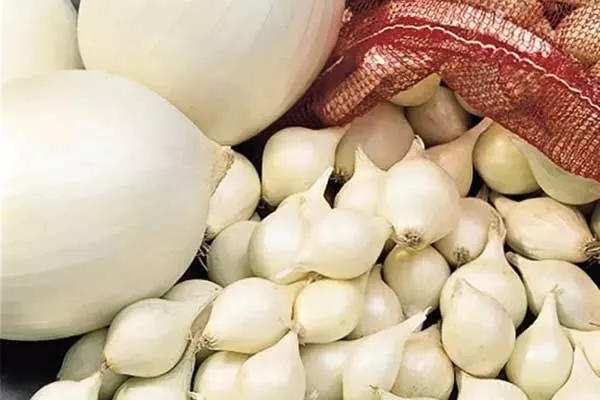
Follow these tips:
- Disinfect the selected (too small) bulbs in a pink solution of potassium permanganate for 30 minutes, then dry. Plant in furrows 4 cm deep, spaced 10-12 cm apart. The neck of the bulb should be covered with a 3-5 cm layer of soil, covered with soil or peat.
After planting, don't water the bed, but mulch and cover it with spruce branches. If snow falls, pile it on top. - In the spring, remove the cover, and when two true leaves appear, feed the onions with urea (10 g per 10 liters of water). Further care is the same as for spring planting.
- When purchasing planting material, choose nurseries, garden centers, or specialty stores to avoid contamination of the material.
Sort the onion sets, discarding any rotted or sprouted bulbs. Dry them on a windowsill for 3-4 days, then disinfect them in a pink solution of potassium permanganate for 30 minutes before planting. - Prepare the soil for planting the same way as for seeds. Place the sets 15 cm apart at a depth of 4 cm. Cover with a 2 cm layer of soil, press lightly, and water thoroughly.
- Water weekly, then less frequently, depending on the weather. Stop watering two weeks before harvest. A month after the leaves appear, apply urea (15 g per 10 liters of water) – this solution is sufficient for 1 square meter.
After 2 weeks, repeat the feeding, then after two weeks, fertilize the onion with a solution of potassium sulfate (30 g) and superphosphate (20 g) per 10 liters of water.
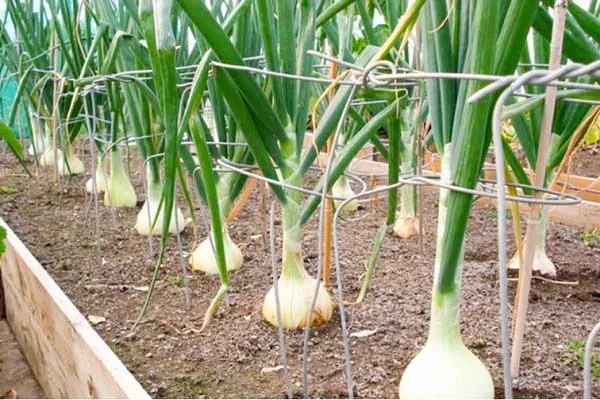
How to get onion seeds?
To save money on planting material, you can collect it yourself. To do this, follow these steps:
- Select 5-7 large and healthy onions.
- In May, plant the vegetables in the ground, adding 150 g of compost under each head. Space them 50 cm apart.
- Regularly loosen and hill up the plants, and apply nitrogen fertilizer to the soil twice.
- Tie the onion flower stalks to stakes and protect them from birds.
After the flower stalks turn yellow, cut them off and hang them in a dry, warm place to ripen. Shake the ripe seeds out of the flower head, place them in a paper bag, and store.
Growing onions from seeds in one season
There is a feasible, albeit rather labor-intensive, technology. However, the Snowball variety is ideal for implementing such a plan.
Growing onion seedlings from seeds on a windowsill
Plant the seedlings in 10 cm deep boxes between March 5 and 12. For germination, use peat soil with microelements or enrich it with wood ash at a rate of 100 g per 5 kg.
Follow the recommendations:
- Place the sprouted seeds 1 cm deep and leave the container at room temperature. Moisten regularly.
- After the seedlings appear, reduce the temperature to +14-16°C, then thin out the plants, leaving 2-3 cm between them.
- Water the seedlings every other day with warm water.
Fertilize twice during the growing season with a complex mineral fertilizer, following the instructions. By the time of planting, each plant should have 3-4 true leaves.
Planting onions in the ground
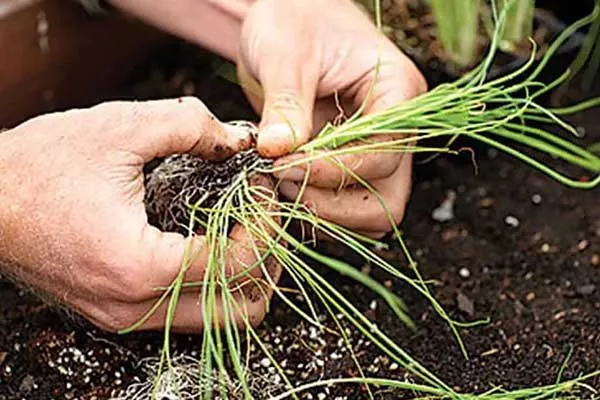
By mid-May, the seedlings are usually ready for transplanting to their permanent location. Preparation involves the following steps:
- abundant watering;
- careful removal from the box;
- cutting off leaves and roots by a third;
- dipping the roots in a clay mash.
Harvesting and storing onions
Begin harvesting in late summer or early fall, when the leaves begin to yellow and dry. To preserve the bulbs in good condition, dig them up and leave them in the sun for a few days to dry.
Place the vegetables in nets or boxes and store in a cool, dry place. They will keep for up to 6 months. Refrigeration is acceptable, but first pack the heads in a perforated bag to allow air to pass through. This will keep them fresh for up to 3 months.
Positive and negative qualities
Before you start growing a crop, carefully review its advantages and disadvantages. This will help you avoid any potential negative consequences.
Some gardeners note several negative qualities of this variety: it requires a lot of sunlight and requires periodic fertilizing.
Reviews
Snowball onions attract vegetable growers with their low maintenance, strong immunity, and excellent commercial qualities. By following simple farming guidelines, you can grow these vegetables and appreciate their crisp texture, adding them to various dishes to enhance their aroma and flavor.