
The Siberian golden onion is noteworthy for its versatility and adaptability to a variety of growing conditions. It boasts numerous advantages and is grown in both small and large plots. Proper care is essential to ensure bountiful harvests.
Characteristic features
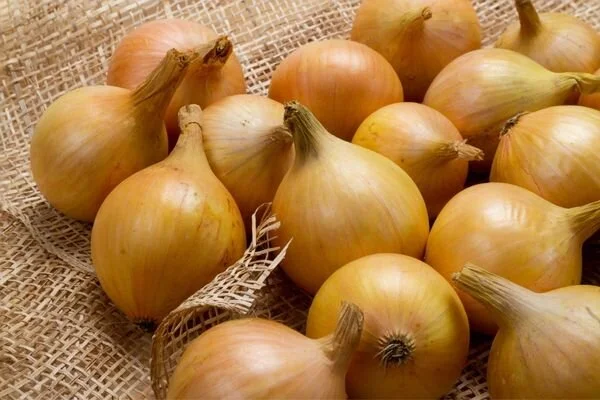
This versatile onion variety is suitable for a variety of culinary uses and has a long shelf life. The plant grows to a height of 30-40 cm, and the bulbs are oval in shape and medium in size. Each bulb weighs between 120 and 220 g, and the dry scales are golden in color.
It's used in a variety of dishes thanks to its semi-piquant flavor, which adds a special touch to any dish. It's an early-ripening variety: it takes about 83-90 days from germination to mass lodging of the leaves.
Growing and care
The plant prefers light, fertile soil with a neutral or slightly acidic pH. In the fall, before planting, fertilize the soil with well-rotted manure or compost (3-4 kg per square meter). In the spring, loosen the soil and apply mineral fertilizers: superphosphate (20-30 g per square meter) and potassium fertilizers (10-15 g per square meter).
Follow the recommendations:
- Sow seeds in early spring, as soon as the soil warms to +5…+6°C. Plant them 1.5–2 cm deep, and space the rows 20–25 cm apart.
- After sowing, compact the soil slightly and mulch with peat or humus.
- For an early harvest, grow onions from seedlings. Sow seeds in February-March in boxes or greenhouses. When 2-3 true leaves appear, thin out the seedlings and plant them outdoors in April-May.
Caring for the plants is quite simple. The key is to follow simple agricultural practices:
- Onions require regular but moderate watering. Keep the soil moist, but avoid standing water. During the active growth period, water more frequently, then reduce the frequency to prevent bulb rot.
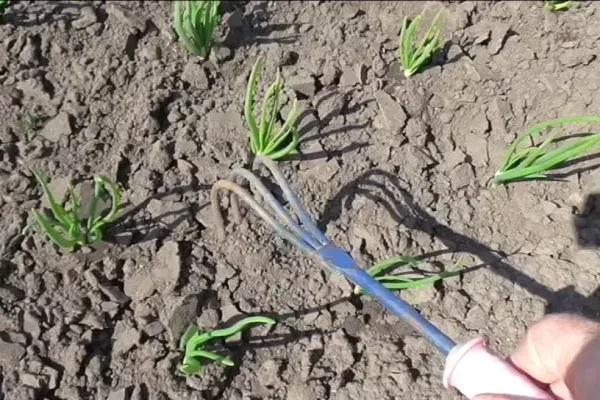
- Loosen the soil around the plants regularly to improve aeration and remove weeds. Perform the first procedure one week after planting, then repeat every 2-3 weeks.
- Fertilize the plant 2-3 times per season. At the beginning of growth, use nitrogen fertilizers to stimulate feather growth. During bulb formation, add phosphorus-potassium fertilizers.
- Onions are susceptible to onion flies and various fungal diseases. To prevent these, treat plants with insecticides and fungicides as needed. Practice crop rotation, avoiding growing the same crop in the same location for several years in a row.
- Remove yellowed and dried leaves to encourage new growth.
Reviews
The Siberian golden onion is deservedly popular among gardeners due to its positive qualities. It is characterized by high productivity, resistance to adverse conditions, and excellent flavor. By following the care and growing recommendations, you will enjoy a bountiful harvest.