
The Siberian Giant onion is a unique variety that attracts gardeners with its excellent salad flavor and enormous size. This enormous onion boasts excellent flavor, making it a favorite among both domestic and international gardeners.
Botanical description
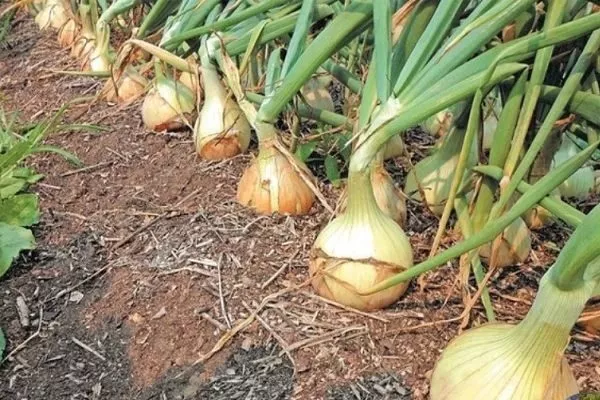
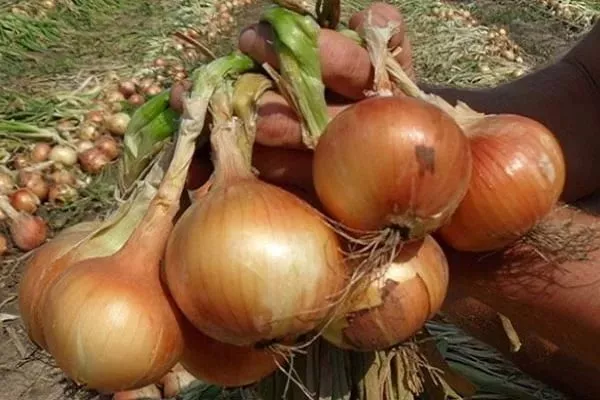
The Siberian Giant onion is an early-ripening salad variety. The plant height is 50-60 cm. The bulbs are large, round, and slightly elongated. Each bulb can weigh up to 1.5 kg, with individual specimens reaching 2 kg. The scales are golden-yellow. The bulbs have a dense structure.
Taste and purpose
The Siberian Giant onion has a wonderful, slightly sweet flavor, making it ideal for eating raw. This onion is perfect for salads, soups, stews, and roasts. Giant onions can also be frozen and canned.
Pros and cons
The unique Siberian Giant onion, in addition to its size, has other advantages that it would be a good idea to learn about before planting.
Pros:
No shortcomings were found in the Siberian Giant variety.
Landing features
This variety can be grown by sowing directly into the ground or from seedlings. However, giant bulbs only grow when using seedlings; if you simply sow the onions in open ground, the bulbs will be standard-sized. This variety can be grown as an annual or biennial crop.
Landing features:
- The variety prefers well-drained, breathable soils that are fertile and low in acidity.
- Seeds are sown into the soil when it has warmed up sufficiently. In temperate climates, sowing time is April.
- The sowing depth is 1-1.5 cm. Sowing is carried out according to the 30x4 cm pattern. Later, the seedlings are thinned out.
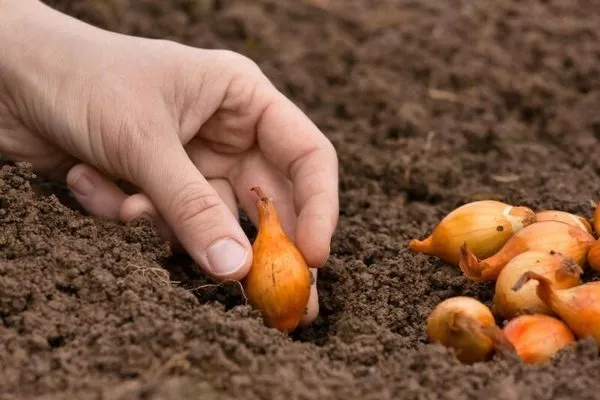
For seedlings, sow seeds in January-February. Sow in containers or cups—either plain or peat. When the weather warms up, transplant the seedlings into the ground at a 15x15 cm spacing. This spacing allows for fairly large onions. Choose a well-lit area with no shade.
How to care?
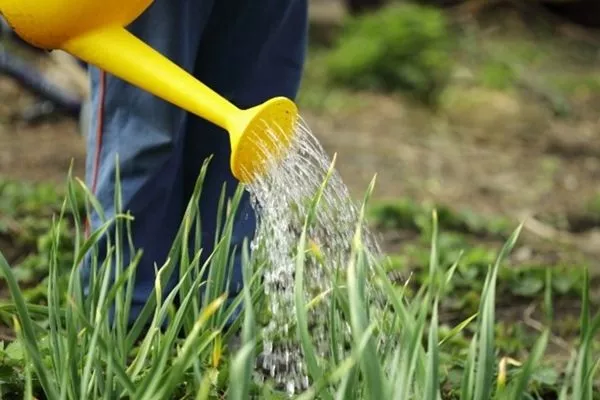
To ensure large onions, the green leaves are not picked. The beds containing giant onions are regularly watered and loosened—these measures are essential for producing large, juicy bulbs.
Pest and disease control
This variety has increased resistance to various onion diseases, including downy mildew. The most effective way to prevent any disease is prevention, which involves following all onion growing practices.
How to harvest and store crops?
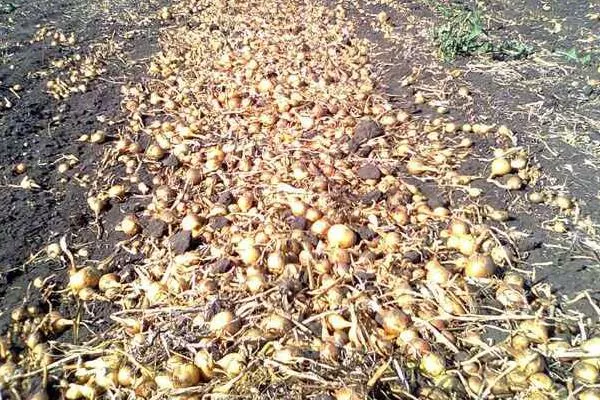
The harvest begins in August. It's important not to be late, otherwise the bulbs won't store well. Harvesting time is indicated by the bulbs' yellowing and falling to the ground.
Reviews
The Siberian Giant onion will appeal to lovers of large and unusual vegetables. Large onions are useful for those who cook in large quantities, such as in large families. One onion is enough for a two-course meal, with some left over for a salad.