
The Siberia onion (not to be confused with the Siberian onion) is a turnip variety developed by Bejo Zaden BV and approved for cultivation since 2009. This salad onion is ideal for both fresh consumption and canning. It is considered a high-yielding annual.
Characteristic qualities of the variety and appearance
One of the unique characteristics of this variety is its high ability to be stored for a long time – up to 7 months or more without losing its taste and nutritional qualities.
Please note other varietal characteristics:
- It is distinguished by its rich green leaves with a light waxy coating, which attracts buyers with its appearance.
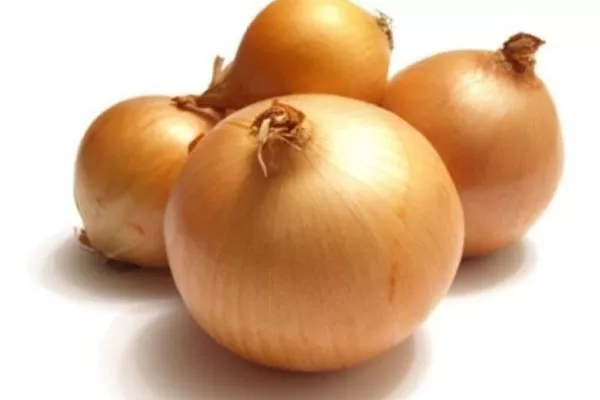
- The bulbs have a shape from broadly elliptical to almost round, with a smooth surface and a weight of 80 to 110 g. There are also giant specimens weighing 190-200 g.
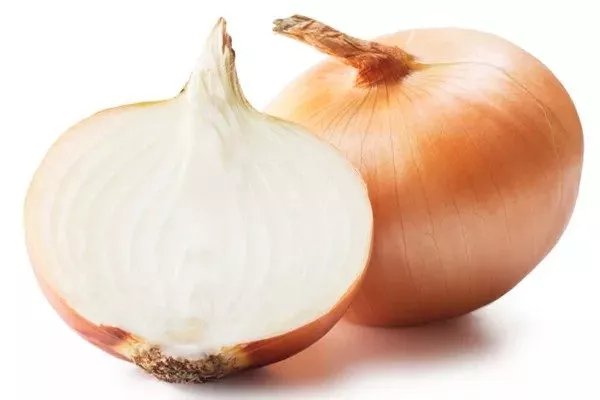
- Dry scales are colored yellow with a brown tint, while juicy scales are white.
- Onions have a high density and contain 8.6-8.8% dry matter.
- The taste is characterized by moderate spiciness and tenderness, without any bitterness.
- It is distinguished by a high yield, reaching up to 5 kg per 1 square meter. With mass cultivation, a minimum of 220 centners and a maximum of 530 are dug up from 1 hectare.
- The variety is an ideal complement to a variety of salads and side dishes, and is also a key ingredient in culinary recipes.
- Rich in vitamin C and sugars, it is valuable for strengthening the immune system, maintaining cardiovascular function and optimizing metabolism.
Planting and care rules
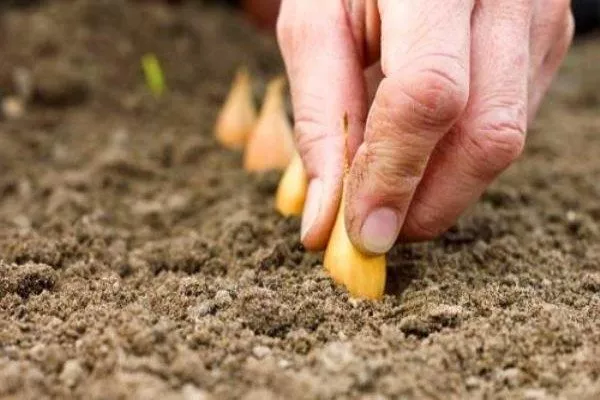
Siberian onions prefer bright light and moderate humidity, so choose a location with maximum sun exposure per day. Ideal soil for planting is loamy or sandy loam. If the soil is acidic, neutralize it by adding lime. Don't store onions for two years; plant only fresh seeds or sets.
Other features of planting and further cultivation:
- For planting, it is necessary to properly prepare the planting material:
- Two days before planting, dip the seeds or sets in a weak solution of potassium permanganate or in clean water, keep them at a room temperature of at least +20-22 degrees.
- If the onion sets were stored in a cold room, place them at normal temperature for two days to avoid an excessive number of shoots and small bulbs.
- Plant the sprouted seeds, burying them a maximum of 2 cm deep in the soil. Be sure to water the beds immediately after planting.
- Maintain a distance of 3-4 cm between plantings if you are planting sets to obtain onions, and 12-15 cm if you are using seeds.
- To stimulate rapid germination, apply fertilizer. A simpler option is to use peat mulch, which enriches the soil with essential elements.
- The best time to plant onions is early May, when soil temperatures reach 14-15 degrees Celsius. Planting too late or too early will slow down the plant's growth and development.
- Water your onions about 3-4 times a week until June, when the bulbs are ripening. After that, you can reduce the frequency of watering, but it's important to regularly loosen the soil and remove weeds.
- Siberia is susceptible to pest attacks, so it's important to detect them early and know how to effectively combat them. To protect against pests, it's recommended to use a mixture of 2 teaspoons of copper sulfate powder and 2 tablespoons of brown laundry soap per 18-20 liters of water. To combat onion flies, it's recommended to use salted water for irrigation.

How is this onion stored?
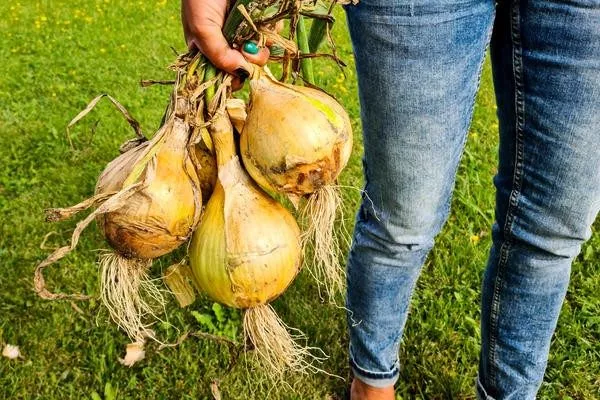
Dig up the bulbs in late August or early September to avoid subsequent frosts, which could interfere with long-term storage. It's recommended to remove the onions from the ground with the roots and store them that way until the root system is completely dry.
After the onions have dried, trim their roots to a short stalk no longer than 4 cm. Then place them in boxes or crates with ventilation holes and store them in a cool, dry room—a pantry, loggia, or cellar.
How to use the onion crop?
Siberian annual onion is a versatile ingredient for a variety of culinary masterpieces:
- From salads to side dishes for various dishes.
- Pickled onions are ideal as an aperitif for a festive table.
- Used for preserving or pickling mushrooms and vegetables.
- This variety imparts a unique aroma when frying meat.
- Siberia produces delicious onion soup, onion and egg pies, or baked onions with cheese.
Advantages and disadvantages
This variety is especially prized by gardeners and summer cottage enthusiasts for its quick ripening and long-lasting freshness. Dried bulbs can be stored until summer or even longer without loss of quality.
Pros:
This variety has no significant disadvantages.
Reviews
The Siberia onion is a bulbous variety planted both in spring and autumn, before winter. It is characterized by abundant yields, disease resistance, and relative susceptibility to harmful insects. It has a long shelf life and is not damaged during transportation. The key is to follow proper agricultural practices.