
Barbecue onions are a type of onion known as Welsh onion, suitable for a variety of uses—frying, boiling, freezing, and eating fresh. They have a delicate flavor and aroma, ripen early, and require sunny locations. They are particularly sensitive to soil moisture.
Description of the variety
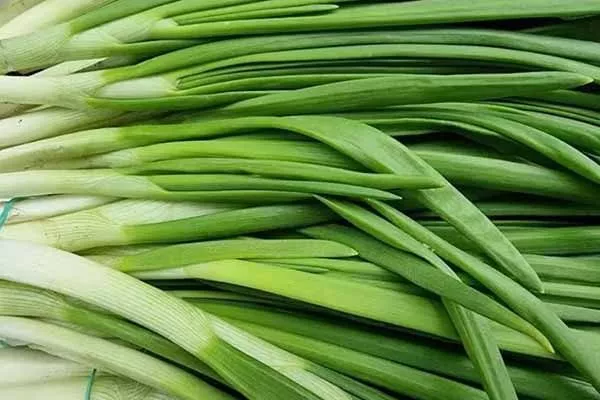
Barbecue onions are distinguished by their early ripening—from sowing to harvesting, a maximum of two months pass. They have attractive dark green leaves. Their distinctive feature is their delicate and refined flavor.
Other characteristic features of the variety:
- Growing is not difficult - the main requirements are regular watering and a high-quality soil mixture when sowing.
- Due to its high resistance to low temperatures, it can be planted in winter.
- From 1 square meter of area you can collect up to 1.5-2 kg of greens.
- This onion can withstand temperatures as low as -30 degrees Celsius, so it overwinters easily in the ground. It's suitable for winter planting.
- It's an ideal choice for fresh greens. It's rich in phytoncides, ascorbic acid, carotene, essential oils, sugars, vitamins, and microelements.
- It is a good candidate for commercial cultivation.
Characteristics of the appearance of the plant and bulbs
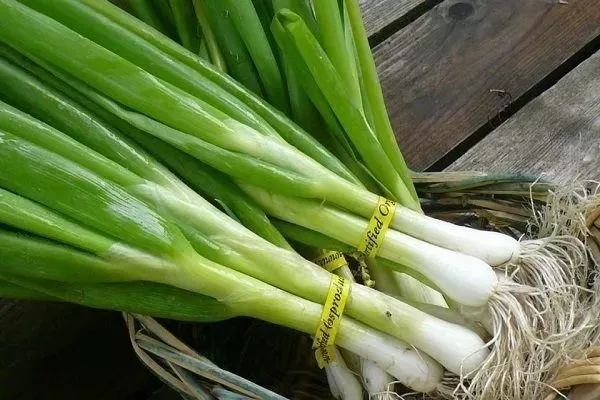
Barbecue onions, being a Welsh onion, do not form bulbs used in cooking—instead, they have a snow-white part underneath, which is used for food. Features:
- feather height reaches up to 40-45 cm;
- the color of the above-ground part is classic dark green, but with an emerald tint;
- the structure of the leaves is tender and juicy;
- bush - grows luxuriantly;
- aroma – strongly expressed.
This onion is excellent for eating fresh and can be frozen for later use. Its delicate flavor and excellent pairing with meat dishes make it an ideal ingredient for shashlik. It also makes a wonderful addition to salads and can be used as a side dish.
Growing and care
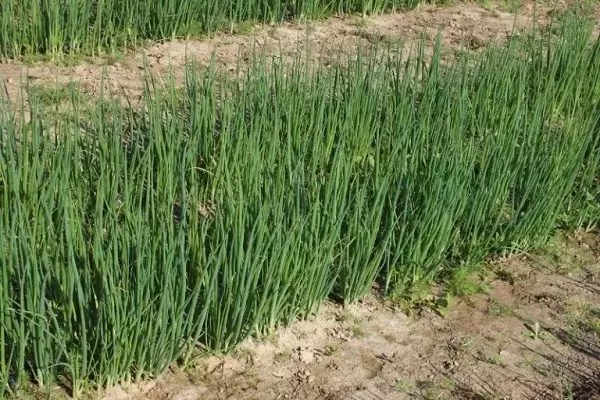
Welsh onions are sown directly into the ground without using seedlings. Planting begins in the first days of spring or before winter. When grown in winter, welsh onions promise a fairly early harvest—after frosts have passed. This plant can grow in the same plot without replanting for 3-5 years.
Nuances that are important to know when growing barbecue onions:
- To grow batun, choose a place where cabbage, radishes, cucumbers, legumes, tomatoes or potatoes were previously grown.
- The seeds need to be processed: first, soak them in a solution of potassium permanganate (the color should be pink), and then in a growth stimulator.
- Before planting onions, the soil is soaked with a solution of Fitosporin.
- A month before planting, loosen the soil and enrich it with organic matter – 3-6 kg of humus/compost per 1 square meter. It is not recommended to use fresh manure.
- The bulbs are planted in furrows with a distance of 25-35 cm between rows and 5, maximum 6 cm in one row.
- After planting, moisten the soil and mulch.
- When planting in winter, cover the beds thoroughly with spruce branches or other suitable material to protect them from frost.
- Weed as the plant grows.
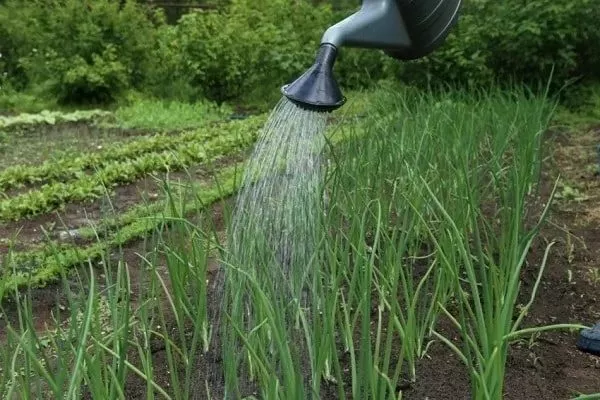
- Water as needed, using room-temperature water. Avoid drought and prevent overwatering.
- Welsh leeks don't require frequent fertilization. At the start of the growing season, it's recommended to use nitrogen-rich fertilizers, such as a 1:20 solution of chicken manure or 1:10 mullein.
Uric acid is a suitable alternative. Mid-season, it's helpful to add a small amount of superphosphate and potassium sulfate. Avoid overdosing, as this can lead to a buildup of harmful chemicals in the feathers. - After watering, be sure to loosen the soil.
Advantages and disadvantages
The shashlik variety is praised for its many positive aspects, but the following advantages are particularly highlighted:
Based on reviews from gardeners and consumers, the variety has no negative qualities.
Reviews
The Shashlychny variety is the perfect choice for onion lovers with a delicate flavor and the ability to be planted before winter. This onion is the basis for a variety of recipes, pairing perfectly with both meat dishes and side dishes. Its early maturity ensures a quick and abundant harvest.