
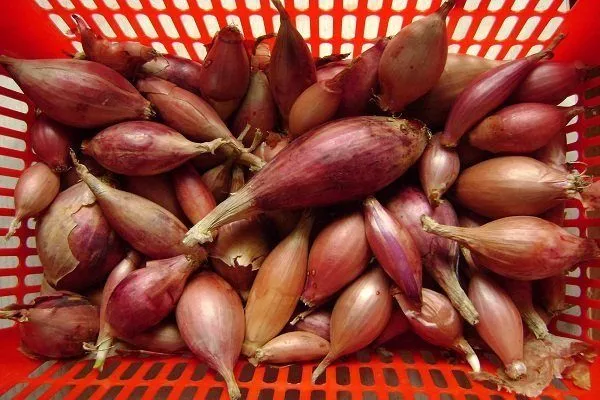
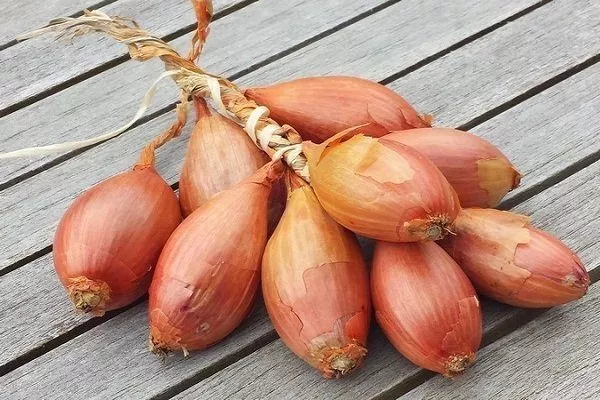
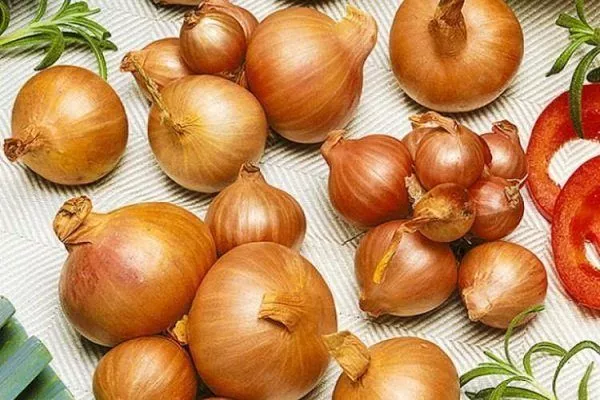
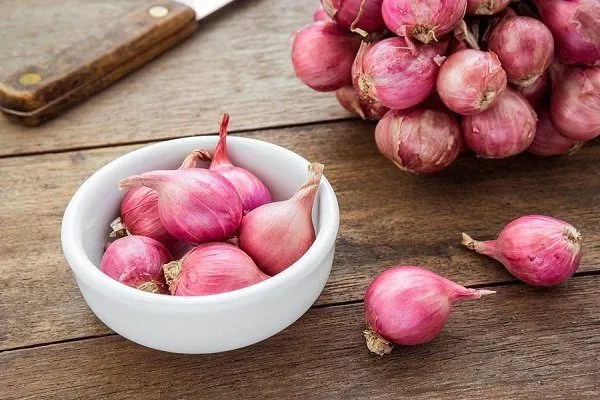
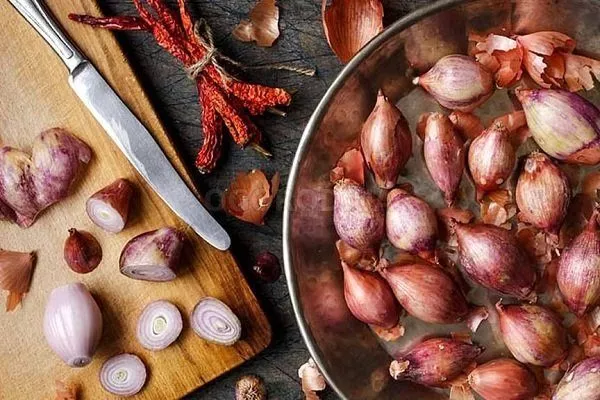
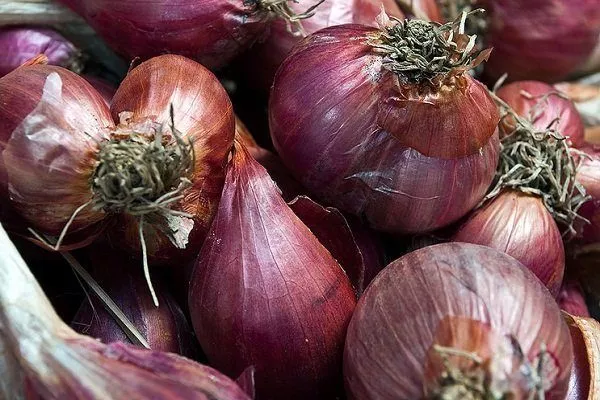
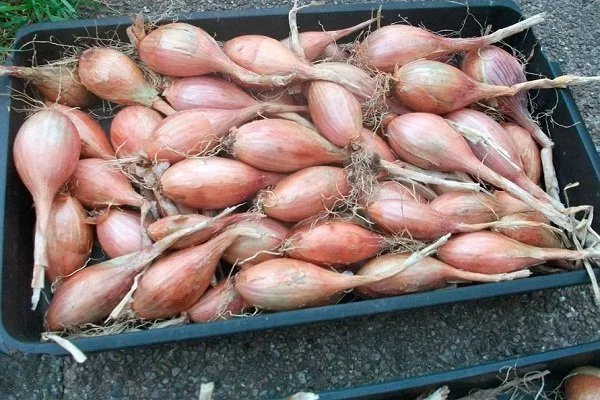
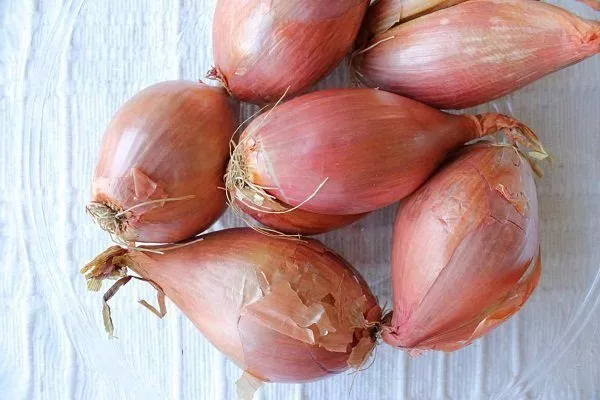
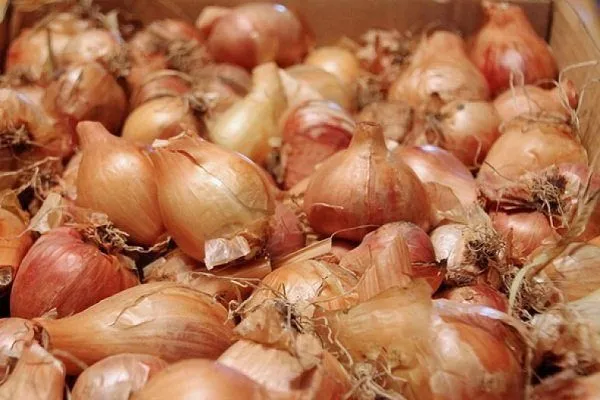
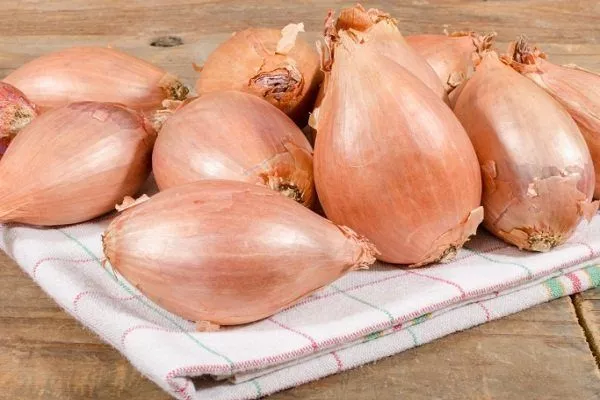
A delicacy in the onion family, shallots are a biennial herbaceous plant that, when ripe, develops numerous small cloves, reminiscent of garlic. They are related to onions, but differ not only in appearance but also in taste. Let's explore what shallots are and how to grow them in your garden.
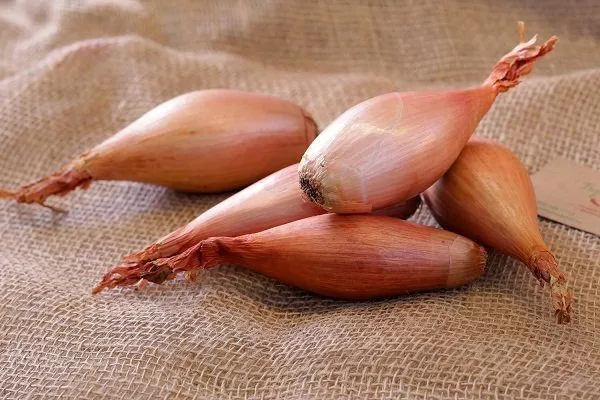
Shallot is a biennial plant.
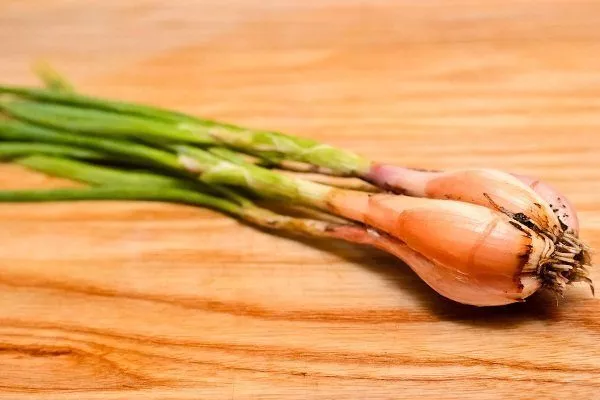
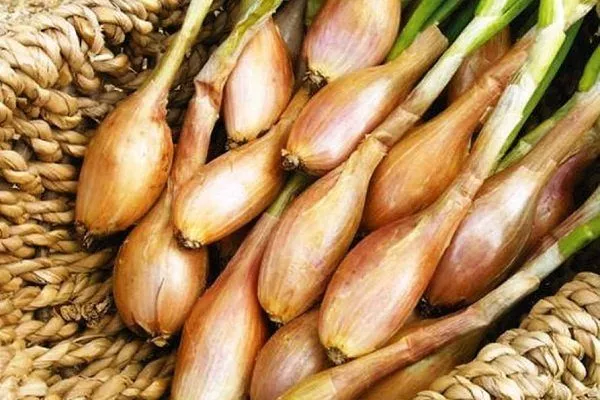
Not only shallot bulbs, but also the tops are considered tasty.
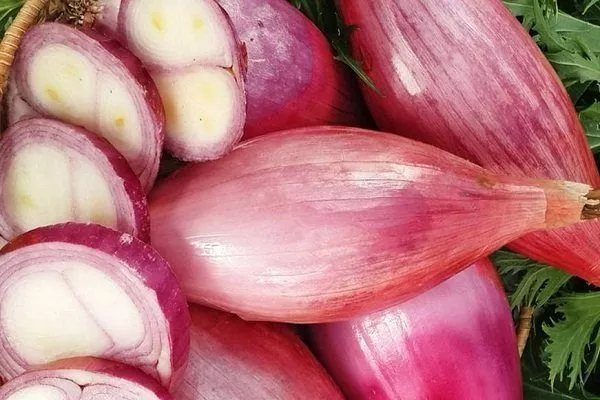
Shallots have a delicate, sweet taste.
Description of shallots
The early-ripening shallot is a biennial plant, with records dating back to the 3rd century BC. Today, it is particularly popular in France and is rapidly gaining more shelf space worldwide. The plant's characteristics, which all gardeners should be aware of, are presented in the table below:
| Parameter | Description |
| Origin | The origin of this plant is unknown. The first mentions of it are found in the works of Theophrastus (372-287 BC).
There's a theory that it was first consumed about 5,000 years ago in southwestern Israel, more specifically in the city of Ashkelon. For this reason, it's also called the Ashkelon onion (Allium ascalonicum). According to other sources, shallots originate from Asia Minor. Some experts believe they originate in the Mediterranean region. The plant is believed to have reached Central Europe from Greece in the 13th century, thanks to Crusader knights. Shallots first appeared in the CIS countries in 1958, when they were bred by breeders from the Kuban and Kharkiv regions. |
| Cultivation areas | The most favorable regions for shallot cultivation are the southern regions. In practice, it is widely planted not only in Western Europe, but also in Ukraine, Moldova, the North Caucasus, and Transcaucasia. Some varieties of the vegetable are acclimatized and suitable for cultivation in northern regions. These include Bonilla, Serezhka, and Red Sun Shallot. |
| Growing period | The crop is suitable for growing year-round. In spring and summer, you can harvest the fleshy, waxy, and flavorful leaves, and in autumn and winter, you can harvest the bulbs themselves. |
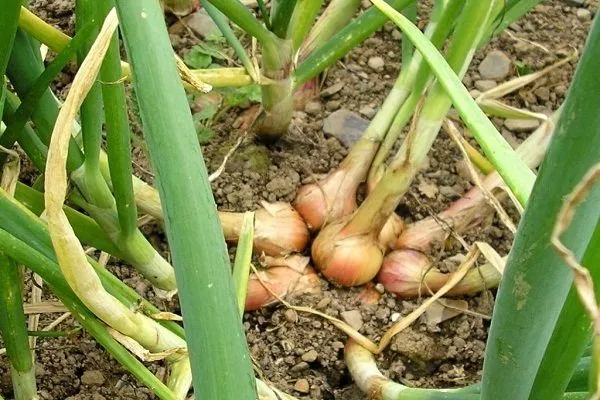
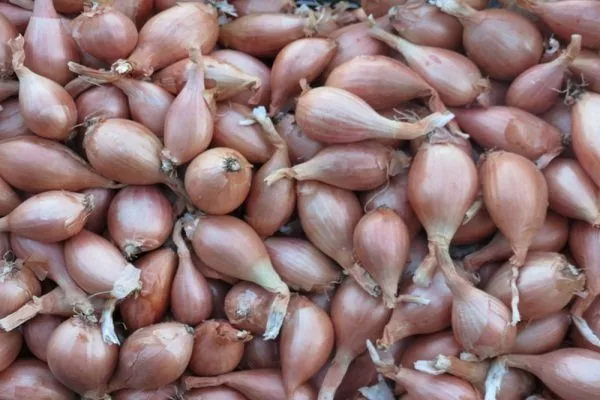
| Germination method | The bulbs grow simultaneously, forming a unique nest of small heads. A single plant can produce anywhere from a few to several dozen bulbs. Because of this characteristic, this onion is also called a family or nest onion. Another name for it is "forty-tooth onion." Each bulb weighs approximately 200-300 g. The stalks, from which loose, umbel-shaped inflorescences emerge, reach a height of about 100 cm. These flowers also contain small flowers, which have no ornamental value. |
| Fruit characteristics | The main vegetative organ of the plant is a small bulb, which has the following characteristics:
|
| Planting material | Shallots are often grown by planting bulbs, so there's no need to sow seeds for sets to obtain good planting material. Instead, you simply need to save a portion of the harvest for planting next season. For this characteristic, they're also called potato onions.
However, when propagating vegetatively, it's important to keep in mind that the bulbs lose their varietal characteristics over time and gradually accumulate diseases, which negatively impacts yield. To remedy this, use fresh planting material or grow your own sets from seeds that remain viable for 2-3 years. In the first year, they will produce heads resembling garlic, splitting into five bulblets. If planted early in the following season, nests of numerous bulblets can be formed. |
| Benefits of onions | Shallots are prized for their medicinal properties – they help with gastrointestinal and eye conditions, are gentle on the stomach lining due to their delicate flavor, have an anti-inflammatory effect, and help prevent tumor development thanks to their flavonoid content. Shallots are also beneficial due to their:
|
| Culinary uses | Both the bulbs and the greens are used in cooking. They can be eaten fresh, fried, baked, or marinated. In Iran, a distinctive sauce of grated shallots with yogurt is traditionally served with shashlik, while in China, they are used to make popular chips. Shallots are especially popular in France, where they are used to make most sauces, delicacies, and dishes with poultry and game. |
| Contraindications | Shallots should not be consumed in large quantities if you have problems with the gastrointestinal tract or urinary system, as they can make urination difficult.
It is recommended to completely eliminate it from the diet if you suffer from bronchial spasms, kidney disease, or liver disease. Furthermore, onions are contraindicated for people with high stomach acidity, as they increase acid levels and thereby irritate the mucous membrane. |
The secrets of shallots are discussed in the following video:
Differences from onions
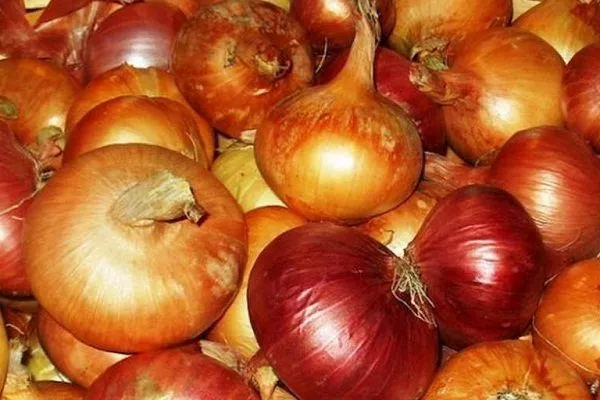
Shallots resemble common onions, with a fleshy head and long green tips, as well as a two-year growing season. However, there are differences between the two crops, as follows:
- shallots grow in nests, while onions grow singly;
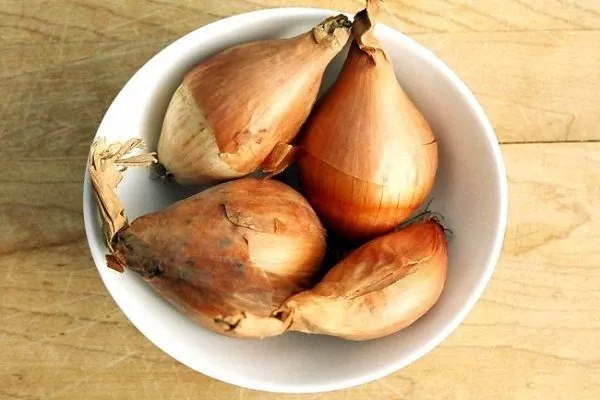
- The shallot head consists of several cloves, which resembles garlic and differs from an onion, which when cut consists of concentric rings;
- shallots have a more tender and pleasant pulp, but the aroma is not as sharp as that of their relatives;
- Shallots can withstand lower temperatures and ripen much faster than onions;
- Shallots can be stored even at room temperature, but onions are more sensitive to storage conditions and quickly fade;
- Shallots contain a high amount of sugar, which is why they have a higher calorie content per 100 g – 72 kcal versus 40 kcal for onions.
Popular varieties
There are many varieties of shallots on the market, which can be classified into three groups based on ripening time. Let's look at each of them separately.
Early
| Name | Ripening period | Bulb weight, g | Yield, kg/sq.m |
|---|---|---|---|
| Vitamin basket | 18-22 days | 20-30 | 1.2-1.4 |
| Emerald | 18-22 days | 20-30 | 1.2-1.4 |
| Snowball | 18-22 days | 35 | 1.9 |
| Sprint | 18-22 days | 20-35 | 1.5-1.6 |
| Belozerets 94 | 18-22 days | 21-27 | 15 |
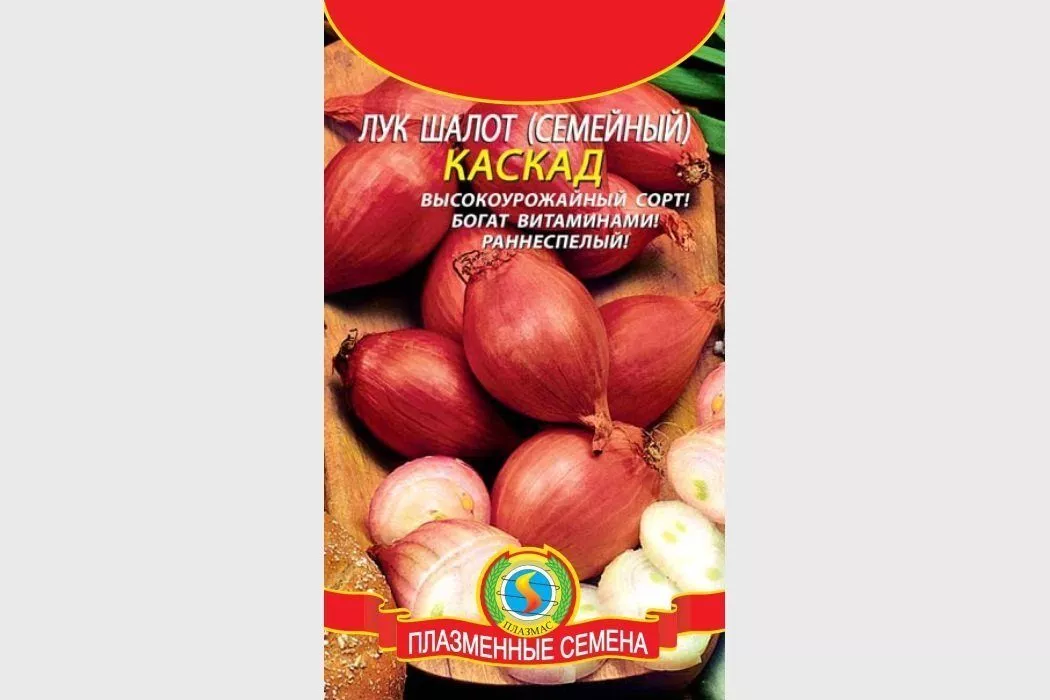
| Cascade | 18-22 days | 35 | 17 |
| Family | 18-22 days | 22-25 | 1.5-1.6 |
| Sir-7 | 18-22 days | 20-35 | 18 |
| Star | 55-60 days | 20-30 | 1.5-1.6 |
| Off-season | 18-22 days | 20 | 1.5-1.6 |
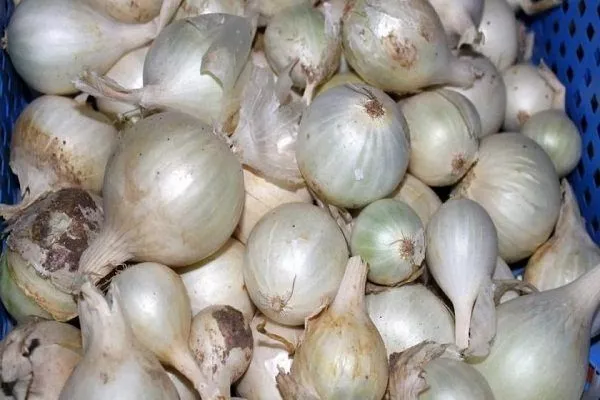
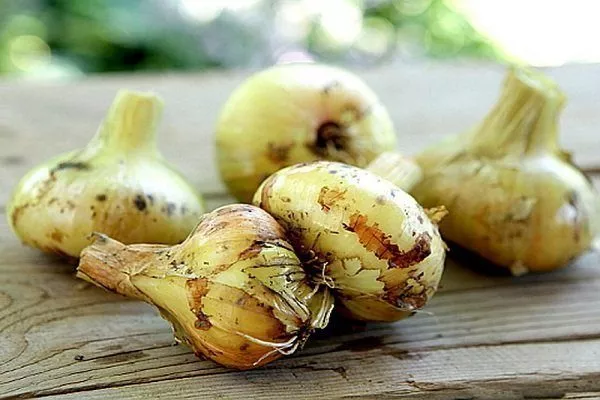
These include varieties whose green feathers mature in 18-22 days, and whose leaves lodge 65-70 days after emergence. Popular early varieties include:
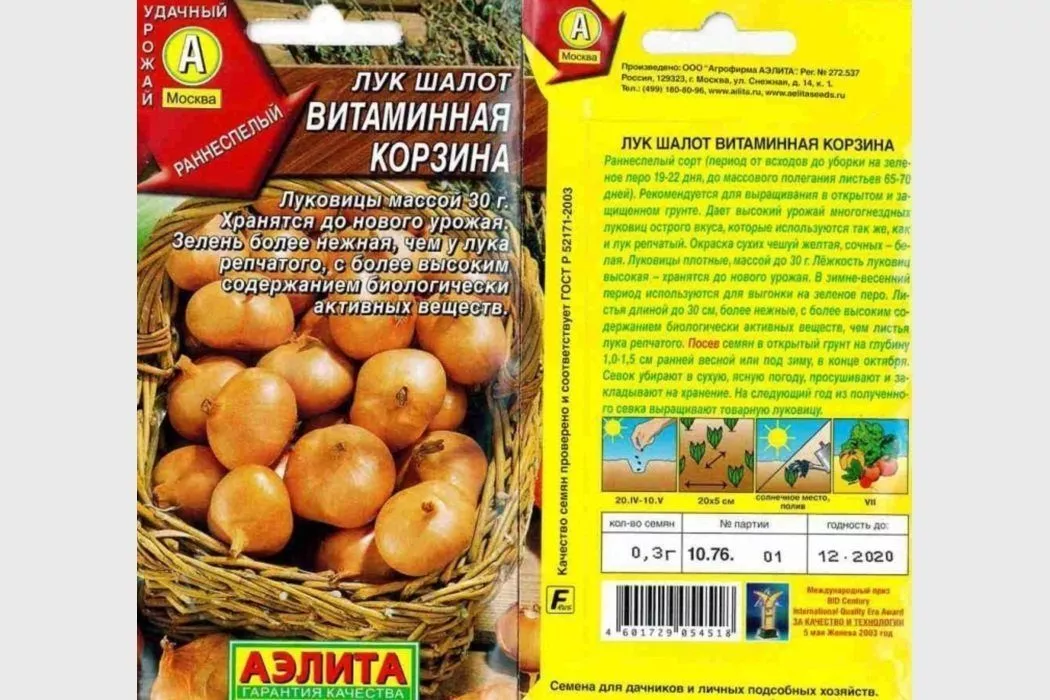
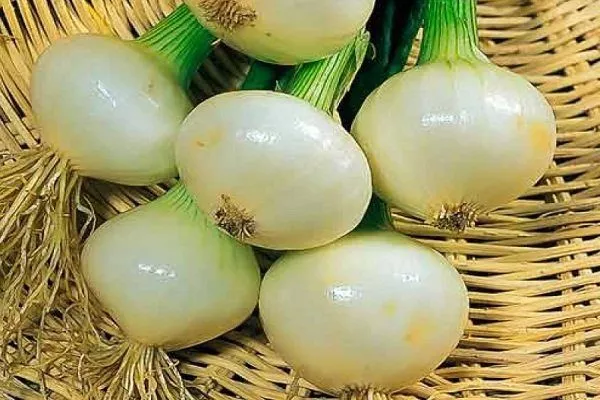
- Vitamin basketAn excellent choice for growing both in greenhouses and open ground. The bulbs, weighing up to 30 grams, have yellow skins and juicy, crisp white flesh.

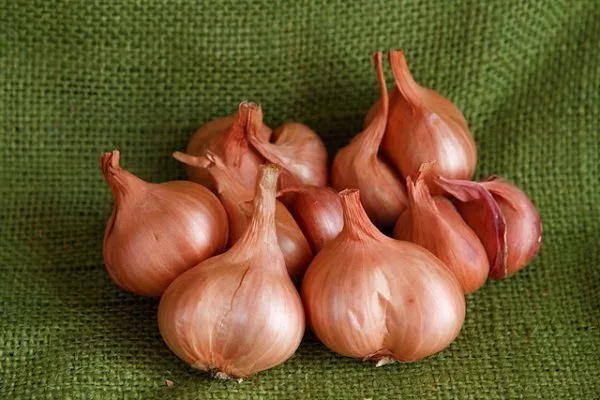
- EmeraldIt produces round bulbs weighing 20-30 g. They are covered with a brownish-pink skin and have white, semi-sharp flesh. A cluster contains 4-5 bulbs. A plot of 1 square meter can yield 1.2-1.4 kg of fruit. Their shelf life is up to 10 months.
- SnowballThe bulbs are ovoid, weigh up to 35 g, and have a pungent flavor. A 1 square meter bed can yield up to 1.9 kg of harvest. The fruits can be stored for up to 7 months.
- SprintA mildew-resistant variety, the harvest can be completed as early as late July. It's excellent for growing greens. The bulbs themselves weigh 20-35 g. They have tangy, light yellow flesh with a pink tint.
- Belozerets 94Developed at the P. P. Lukyanenko Krasnodar Research Institute of Agriculture, this variety is prized for its good shelf life and high yield (up to 15 tons per hectare). The bulbs are oval-round or round, weighing an average of 21-27 grams, and have sharp, juicy, lilac-purple flesh. The bulbs are covered with a pale lilac skin with a yellowish tint.
- CascadeThe plant produces bulbs weighing up to 35 grams, which are broad, ovoid, with juicy flesh and light pink skins. Each cluster produces 5-6 bulbs. A 1-hectare plot yields 17 tons of fruit.
- FamilyIf you're looking for a frost- and disease-resistant variety, this is an excellent choice. The plant produces round bulbs weighing 22-25 g. They are covered in a brownish-yellow skin with a purple tint and have white flesh with a mild, semi-sharp flavor. Three to four of these bulbs appear in a single cluster. They are excellent for salads and vegetable dishes.
- Sir-7Developed by breeders from the Siberian Research Institute of Crop Breeding, it is suitable for cultivation in northern regions. This variety produces fruits weighing approximately 20-35 grams, with yellow scales tinged with pink and a pungent flavor. Each cluster produces 4 to 7 bulbs. One hectare can yield approximately 18 tons of fruit.
- StarOne of the earliest maturing plants, it produces mature onions in 55-60 days. The bulbs, with yellowish-pink scales and white flesh, have a pungent flavor and are drought-resistant.
- Off-seasonThis variety is best grown for its greens in winter and spring. The plant produces bright green leaves up to 30 cm long and round, flat fruits weighing up to 20 g. Their scales are yellow, and the inner segments are white. A cluster contains 8-10 fruits.
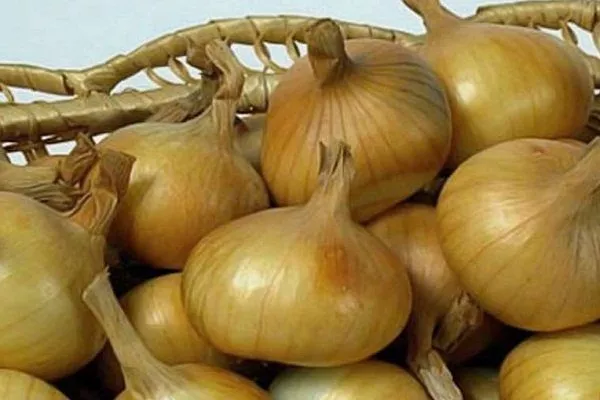
Mid-season
| Name | Ripening period | Bulb weight, g | Yield, kg/sq.m |
|---|---|---|---|
| Albik | 70-80 days | 20-30 | 20 |
| Airat | 70-80 days | 15 | 1.5-5.7 |
| Andreyka | 70-80 days | 25 | 1.8 |
| Afonya | 70-80 days | 30 | 2 |
| Bonilla F1 | 70-80 days | 32 | 1.5-1.6 |
| Guarantee | 70-80 days | 25-32 | 1.5-2.4 |
| Miner | 70-80 days | 16-18 | 1.5 |
| Guran | 70-80 days | 26-28 | 1.7-2 |
| Kuban Yellow D-322 | 70-80 days | 25-30 | 16-28 |
| Kushchevka Kharkiv | 70-80 days | 25-30 | 1.5-1.6 |
| Earring | 70-80 days | 25 | 1.5-1.6 |
| Sophocles | 70-80 days | 25-50 | 1.5-1.6 |
| Ural violet | 70-80 days | 25-40 | 1.5-1.6 |
| Chapaevsky | 70-80 days | 40 | 1.5-1.6 |
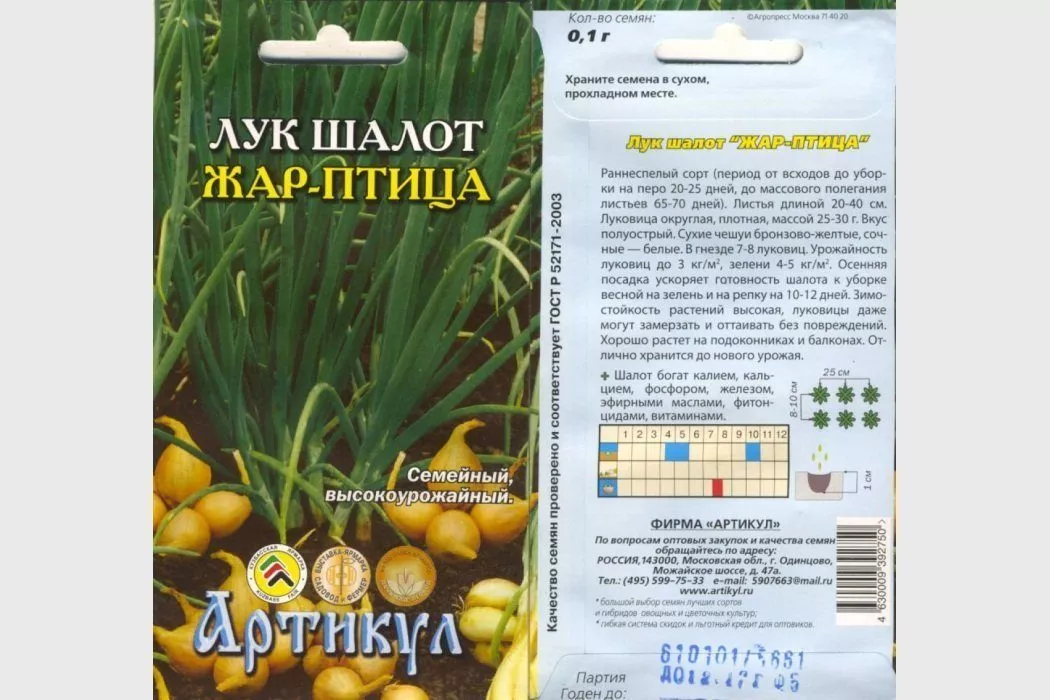
| Firebird | 70-80 days | 25-30 | 1.5-1.6 |
This group includes varieties that take approximately 70-80 days from germination to lodging. These include:
- AlbikProduces yellow, round, flat bulbs weighing up to 20-30 g. The bulbs and leaves have a pleasant, semi-sharp flavor, making them ideal for adding to fresh salads and vegetable dishes. A single cluster produces 4 to 8 bulbs, and the yield per hectare reaches 20 tons.
- AiratAn onion with a pungent yet delicate flavor, often grown for its greens. The rounded bulbs have yellow or orange skins and weigh an average of 15 g. Up to 5-6 bulbs form in a single cluster, yielding up to 1.5-5.7 kg of harvest per square meter.
- AndreykaA semi-sharp onion with juicy pink flesh and dark brown skin. The bulbs are transversely elliptical and weigh 25 g. Yields up to 1.8 kg per square meter.
- AfonyaA semi-sharp variety that produces broadly ovoid bulbs weighing up to 30 g. They are covered with dark red scales and have juicy, reddish-hued segments. Four to five bulbs form in a single cluster, yielding up to 2 kg of onions per square meter.
- Bonilla F1An annual hybrid, often grown from seed for its greens. The bulbs weigh up to 32 g, are oblong-round in shape, have dry yellow-brown scales, and a semi-sharp flavor. Each cluster contains 4-5 bulbs, yielding up to 1.5-1.6 g per square meter.
- GuaranteeThe plant produces round, flat bulbs weighing up to 25-32 g. They have a brown skin with a grayish tint and brown flesh with a mild, semi-sharp flavor. This variety can be grown for bulbs and greens. A 1 square meter bed yields 1.5-2.4 g of fruit, suitable for both eating and canning.
- MinerThis variety produces semi-sharp, yellow, round bulbs weighing 16-18 g. Five to seven bulbs form in a single cluster, and the yield per square meter is approximately 1.5 kg.
- GuranA perennial plant that produces bulbs with a medium-spicy flavor, rounded in shape and weighing up to 26-28 g. Their husks are brownish-gray, brown, or light orange. Each cluster produces 5-6 daughter bulbs, and the yield per square meter reaches 1.7-2 kg.
- Kuban Yellow D-322This variety was developed by breeders at the P. P. Lukyanenko National Center for Plant Genetics and has been zoned since 1958. Each cluster produces 4-5 bulbs, which are oval-flat, weigh up to 25-30 g, have a brownish-yellow husk, and juicy, semi-sharp flesh that is white or pale green. Yields range from 16 to 28 tons per hectare.
- Kushchevka KharkivA versatile table variety, each cluster produces 6-7 oval-shaped bulbs weighing up to 25-30 g. They have yellow-brown scales with a purple tint and juicy, light purple flesh with a semi-sharp flavor. This variety is resistant to low temperatures and tolerates low soil moisture.
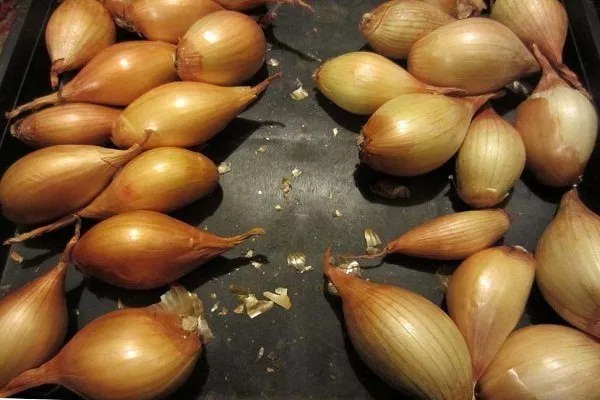
- EarringA multi-germ plant grown from sets in a biennial culture. The bulbs are round, dense, and weigh up to 25 g. They have yellow scales and juicy white flesh. They can be stored for up to 8 months.
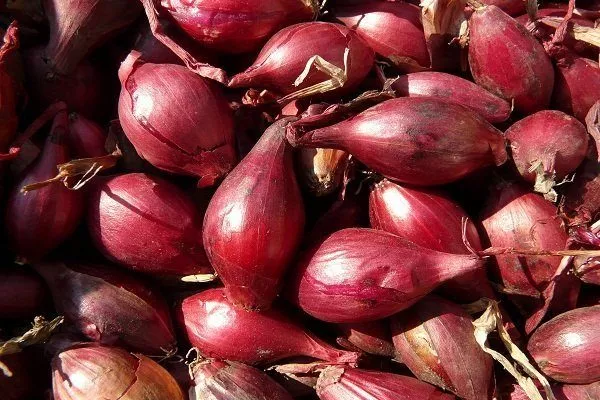
- SophoclesA productive variety that grows well in any soil and is resistant to fusarium. Each cluster produces 4-8 bulbs weighing 25 to 50 g. They have a red or brownish-red outer covering and a purple center with a pungent flavor.
- Ural violetUnlike other varieties, this one has particularly large nests—each containing 15 bulblets. They are oval-flat, weighing up to 25-40 g, and have a semi-sharp or slightly sweet flavor. The outer scales are purple-brown, while the inner segments are pink. The plant does not bolt and is resistant to rot.
- ChapaevskyA versatile variety, each cluster produces 3 to 8 bulbs. They are round-flat or round in shape, with dry, light-purple scales and the same semi-sweet flesh. Each bulb weighs 40 g.
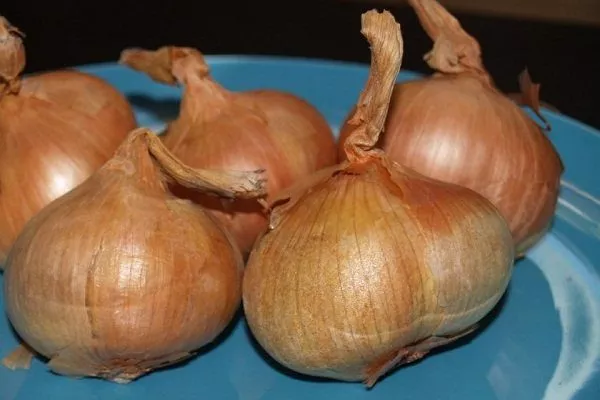
- FirebirdA semi-sharp variety that produces round, flat bulbs with dry, yellow-brown scales weighing 25 to 30 g.
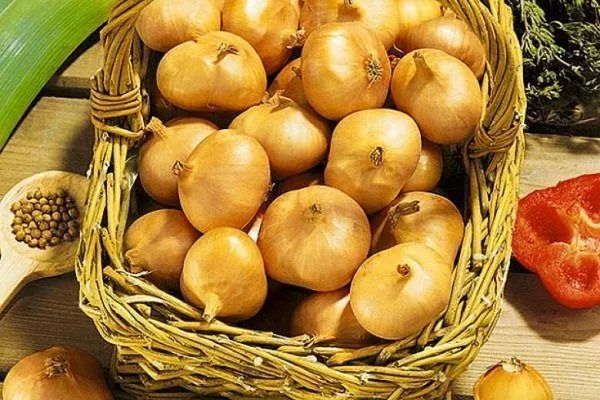
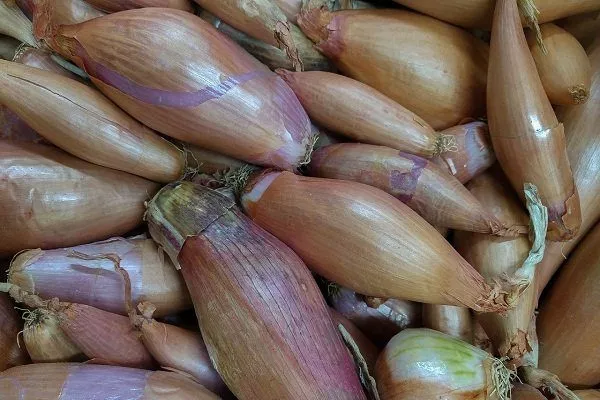
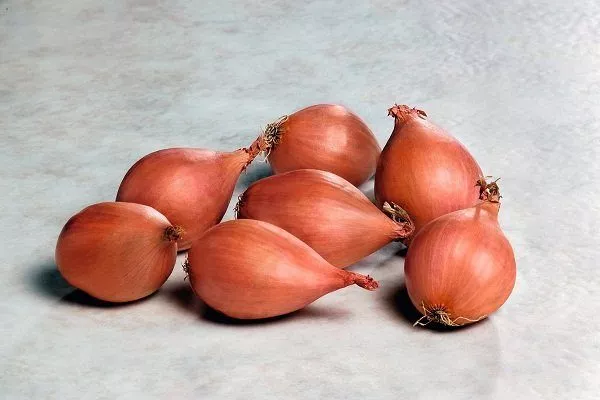
Late-ripening
| Name | Ripening period | Bulb weight, g | Yield, kg/sq.m |
|---|---|---|---|
| Vonsky | 80-95 days | 30-70 | 1.5-1.6 |
| Kunak | 80-95 days | 25-30 | 2.6 |
| Strongman | 80-95 days | 23-52 | 17 |
| Siberian amber | 80-95 days | 28-30 | 2 |
| Merneulsky (Bargalinsky) | 80-95 days | 50-90 | 1.5-1.6 |
Varieties with a growing season of approximately 80-95 days. Popular ones include:
- VonskyThis variety can be grown in unfavorable conditions, as it is resistant to temperature fluctuations, pests, and diseases. A single cluster can produce 3-4 bulblets, each weighing approximately 30-70 g, with red skins and white flesh with a light purple hue and a semi-sharp flavor.
- KunakAnother variety with a semi-sharp flavor, bred at the P. P. Lukyanenko Krasnodar Research Institute of Agriculture. Each cluster produces 3-4 bulbs, round-flat or round, with yellow skins and white flesh. One square meter of plot can yield approximately 3 kg of greens and 2.6 kg of onions.
- StrongmanThis variety is resistant to rot and rarely bolts. A single cluster produces 4-5 bulbs, each weighing 23-52 g, with pink scales and pale purple, juicy flesh with a semi-sharp flavor. One hectare yields 17 tons of bulbs, which are excellent for pickling. This variety is suitable for winter planting.
- Siberian amberThe plant tolerates cold temperatures and is resistant to rot diseases. Each cluster produces up to 5-8 table-quality onion cloves, which have white flesh with a semi-sharp flavor, covered with orange or yellow scales, and weigh 28-30 g. Up to 2 kg of fruit can be harvested from 1 square meter of garden bed.
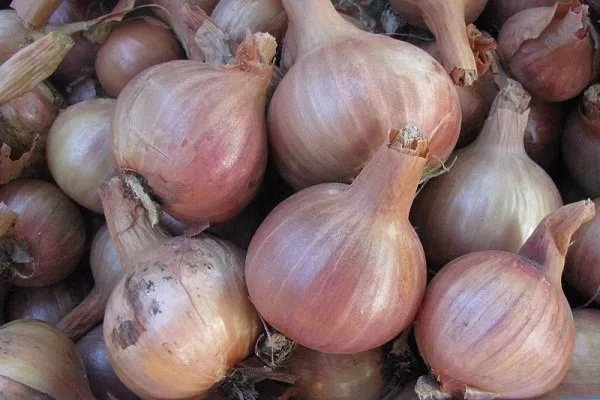
- Merneulsky (Bargalinsky)Unlike the plants mentioned above, this variety produces large bulbs, weighing between 50 and 90 g. They are elongated-oval in shape, with yellow-pink skins and juicy white flesh. Four to five bulbs grow in a single cluster.
When to plant?
Depending on the purpose of cultivation, the timing of planting shallots may vary:
- In the fallTo obtain an early harvest of onion leaves, it is recommended to plant them before winter, that is, in the fall – in mid- to late October, as the crop is frost-resistant. However, it's important to keep in mind that about a month should pass between planting and the onset of persistent cold weather, allowing the plants time to establish roots but not begin to grow. This planting will speed up the harvesting period by two weeks.
If planted before winter, the tops can be cut as early as April, and the bulbs can be harvested in June. To ensure a healthy supply of greens throughout the winter, the bulbs should be forced indoors.
- In the springTo produce full-sized heads, shallots should be planted in late March or early April. To determine the most favorable planting time, consider weather conditions—the soil should warm to 8-10°C. Under these conditions, the plant will be able to absorb a large volume of meltwater. It is not affected by residual frosts; in fact, it will grow stronger and gain vitality more quickly.
Shallots are frost-hardy crops—they can withstand temperatures down to -20°C and remain vigorous even after complete freezing. However, winter planting should only be done in southern regions.
What explains this peculiarity? In the Urals, Siberia, and temperate latitudes, winter planting can result in the death of about half of all bulbs due to severe frosts. The surviving plants will produce more foliage than those planted in the spring, as the foliage of winter plantings begins to actively grow immediately after the snow melts.
To determine precise planting dates, gardeners can also refer to the lunar calendar. It states that favorable days for shallot cultivation are:
- in March – from 10 to 12, from 15 to 17, from 23 to 25, from 27 to 30;
- in April – from 2nd to 9th, from 11th to 15th, from 24th to 27th, 29th and 30th;
- in May – from 1st to 4th, from 12th to 14th, 26th and 27th, 30th;
- in October – from 4 to 7, from 15 to 17, from 19 to 21, from 23 to 25, 27;
- in November – from 1 to 3.
The lunar calendar determines not only favorable but also unfavorable days for planting shallots. These include:
- in March – 6, 7, 21;
- in April and May – 5, 19;
- in June – 3 and 4, 17;
- in July – 2 and 3, 17;
- in August – 15 and 16, 30 and 31;
- in September – 14 and 15, 28 and 29;
- in November – 12 and 13, 26 and 27.
Preparatory work
To plant shallots on schedule, all preparatory work must be completed in a timely manner. This includes properly cultivating both the bed and the planting material. Let's look at each step separately.
Preparing the garden bed
First, you need to select a suitable site for shallot cultivation. To do this, consider the following:
- IlluminationThe area must be well-heated by the sun's rays, otherwise the plant's fruiting will significantly deteriorate in the shade.
- The best predecessorsCrop rotation rules state that shallots are best grown in areas where the following crops grew in the previous season:
- cucumbers;
- tomatoes;
- zucchini;
- legumes;
- potato;
- cabbage.
- The worst predecessorsOnions should not be grown in areas where the following crops were previously cultivated:
- corn;
- garlic;
- sunflower;
- beet;
- carrot;
- other representatives of the onion family (replanting is possible only after 3-5 years).
- NeighborhoodExperienced gardeners recommend avoiding shallots near onions, as these plants can easily cross-breed, which will negatively impact their yields. Carrots are best grown near shallots, as they repel harmful pests. Good neighbors also include:
- cucumbers;
- various types of salad;
- radish;
- strawberries.
- SoilShallots thrive best in loose, moderately moist soil with a slightly or neutral acidity; otherwise, the bulbs will shrink and the greens will quickly turn yellow. Loamy or sandy loam soil is an excellent choice.
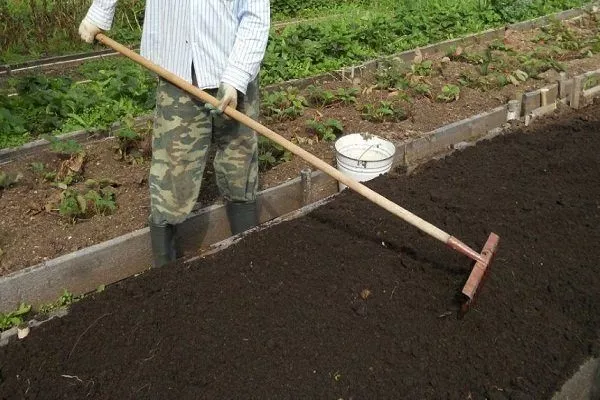
A suitable site should be prepared in advance. For spring planting, the optimal time is autumn. The beds should be dug to a depth of 20-25 cm, all weeds and plant debris removed, and then fertilized (per 1 square meter):
- 30 g superphosphate;
- 15-20 g of potassium fertilizers;
- 2-3 tbsp. wood ash;
- 3-4 kg of compost or rotted manure;
- 1 teaspoon of urea.
With the arrival of spring, all that remains is to add nitrogen fertilizer (25 g per 1 sq. m) to the formed beds and mix it with the soil.
If planting is planned for winter, then the site must be prepared in the summer, following the above sequence.
Processing of planting material
To protect future plantings from diseases and stimulate their growth, planting material must be properly prepared. This can include:
- OnionsFirst, they need to be sorted. The best specimens are considered to be those weighing around 30 grams and measuring 30 mm across. These are the ones that produce the most bulbs.
Larger specimens produce too many small heads, while smaller ones have low yields and only produce late harvests of table and ornamental greens, so they are best planted before winter. The selected material must be processed:- 7 days before planting, place in warm water (+40…+42°C) for 8-10 hours;
- Before planting, trim the neck of the onion sets to the shoulders to speed up the appearance of greens (this manipulation can be skipped if desired, as it will reduce the yield of both the onion sets and the greens);
- soak the seedlings for 30 minutes in a solution of potassium permanganate or a fungicide (for example, in the preparation Maxim).
Criteria for selecting planting material- ✓ The optimal size of bulbs for planting is 30 mm in diameter, weighing about 30 g.
- ✓ Small bulbs (less than 20 g) are best used for winter planting for greens.
If you plan to get an early harvest of greens, it is better to plant sprouted shallots in the ground, warmed in a warm room with high humidity for 2 weeks.
- SeedsTo renew your planting stock, you need to grow new bulbs from seeds. If you plant in the spring, you can get sets as early as September. These are small nests consisting of small bulbs. They can be used as new planting stock the following season.
To grow high-quality onion sets, sprout the seeds by soaking them in a damp cotton cloth or gauze for 1-2 days. To prevent moisture from evaporating, regularly mist the seedlings with warm water. Allow the sprouted seeds to dry and then scatter them throughout the garden bed.
Planting shallots
Prepared planting material should be planted in moist soil, following this pattern:
- distance between rows – 30-40 cm;
- the distance between bulbs in a row is 20-30 cm;
- the distance between seeds in a row is 8-10 cm;
- The depth of planting the bulbs is 2-3 cm (if they are planted deeper, the growth of the greenery will be delayed and the yield of the variety will decrease, and if they are planted at a shallower depth, the bulbs will protrude from under the soil);
- The seeding depth is 11-13 cm with the bottom down (however, in the southern regions, shallots should not be planted deeper than 10 m, as planting too deeply will increase the harvesting time).
After planting, the bulbs should be covered with soil mixed with wood ash (3:1) and watered. The area should also be mulched with a 3.5 to 4 cm layer of peat or humus. If the onions are planted in the fall, the beds can be covered with spruce branches, which should be removed in early spring.
If seedlings are not additionally protected from the cold, they can withstand temperatures as low as -25°C. At lower temperatures, crop yields can be reduced by a factor of three.
The video below clearly demonstrates and explains how to plant and grow shallots:
Caring for Shallots
After sowing, the final stage of growing begins, which involves caring for the seedlings. This involves several manipulations.
Watering
Throughout the growing season, the bed should be watered at least three times. When doing so, consider the following recommendations:
- The crop should be watered generously only after sowing. Subsequently, simply moisten it, preventing the soil from drying out too much.
- When watering, adjust the watering schedule to the weather conditions. Avoid additional soil moisture on rainy days, and water once every 7 days during dry periods.
- Minimize the application of nutrient moisture 21-28 days before harvest to allow the feathers to turn yellow and dry completely.
- Stop watering at the beginning of July, otherwise the bushes will grow greenery excessively, and the bulbs themselves will turn out very small.
Loosening and weeding
To ensure the plant receives sufficient oxygen, the soil should be loosened regularly—1-2 times a week. This will prevent a thin crust from forming on the soil surface, which would impede the even distribution of moisture to the plant roots.
Along with loosening the soil, weeding should be done to remove fast-growing weeds that can choke out useful plantings. Weeding is also considered an effective method of pest control and viral disease prevention.
Top dressing
During the growing season, the crop needs to be fertilized at least twice, following this schedule:
- The first feeding is when the first 3 feathers appear.You can fertilize the planting with various compounds:
- organic fertilizer - a solution of mullein (1:10) or bird droppings (1:15) at the rate of 1 bucket per 10 sq. m;
- a mixture of ammonium nitrate and superphosphate in a ratio of 10:10 g per 1 sq. m;
- with a solution of 1 tbsp. of urea or carbamide and 0.5 tbsp. of potassium fertilizer per bucket of water.
- The second feeding is at the stage of bulb formation or with the appearance of the 5th feather.During this period, the plant especially needs phosphorus and potassium, so it should be fed with a mixture of 10 g of potassium chloride and 15 g of superphosphate per bucket of water.
Stop all fertilizing completely 30 days before harvesting, otherwise the greenery will actively develop to the detriment of the bulbs.
Thinning
As soon as the shoots appear, they should be immediately broken off, preventing them from reaching 10 cm. In the first days of July, the nests should also be thinned out – rake away the soil and remove all the small heads along with the greenery, leaving 5-6 of the most developed rudiments.
This will allow you to harvest larger bulbs. The harvested bulbs and tops can be used for cooking or freezing.
The video below demonstrates how to thin out family onions:
Protection from diseases and pests
The following fungal diseases pose a danger to shallots in rainy and cloudy weather:
- powdery mildew;
- downy mildew;
- neck rot;
- Fusarium wilt, etc.
Infected plants will begin to develop various lesions and gradually wither. Saving them is virtually impossible, so it's essential to dig up and destroy the diseased plants as quickly as possible. The remaining plantings should be treated with a fungicide such as Mikosan, Quadris, or Pentofag.
After spraying with chemicals, shallots should not be consumed for some time (the duration of exposure to toxic elements is indicated in the instructions for use of the product).
The following pests are no less dangerous for shallots:
- Onion flyIt appears with the flowering of cherry trees and dandelions. The fly's larvae cause leaf tips to turn white, rot, and eventually wither. To combat this pest, the bushes and the surrounding soil should be treated with wood ash.
- WormsTo get rid of them, the plant's foliage needs to be watered with a saline solution (1 glass of salt per 1 bucket of water).
- Onion nematodeIt causes the base of the mother bulb to bend and infects the entire planting. To prevent the entire crop from being lost, affected plants must be removed immediately. Proper treatment of the planting material will help protect against nematodes: either soak it in warm water for 60 minutes or soak it in a 4% formalin solution for several minutes.
- Garden aphidThey settle on the plant's feathers and gradually suck out their vital juices. To combat aphids, seedlings can be treated with a decoction of pepper, potato peels, or chamomile. Verticillin is an effective chemical.
Harvesting and storage
Beginning in mid-July, you should begin cutting off the leaves; otherwise, during harvesting, you could trigger active growth of the shoots and the development of green feathers. The harvest itself should be harvested at the end of July. This is indicated by the drying and yellowing of most of the leaves, as this process is accompanied by the death of the roots at the base.
Ripe bulbs should be dug up with a shovel and carefully pulled out of the ground, then shaken out and dried in the sun for 20-30 days. In cloudy weather, the onions should be removed from the soil and placed in a shaded area for several days to dry.
Dried leaves should be trimmed off, leaving only a thin neck 3-5 cm high. Next, the dried bulbs should be separated into bulblets. They can be stored in boxes, crates, or nets in a cool, dry place. In this form, the vegetable can be stored for 5-7 to 12 months. Regularly inspect the bulblets, promptly removing any rotted specimens.
You can also store the extracted bulbs frozen. Follow these steps:
- Peel the onions.
- Cut large heads into pieces.
- Moisten the bulbs slightly and place them in the freezer to freeze.
- Place the frozen product in a plastic container and put it back in the freezer for storage.
Shallots can be frozen using the same technique. This method of storage preserves all of their beneficial properties.
You can see how shallots are harvested in the video below:
Video: Growing and Storing Shallots
Agricultural Sciences Candidate Lyudmila Nikolaevna Shubina provides detailed information on how to grow and store heirloom onions:
A more tender and sweet alternative to the onion, shallots are easy to grow even for novice gardeners. The plant easily adapts to adverse weather conditions and requires little maintenance. At the same time, they produce an excellent harvest of versatile greens and bulbs. They can be eaten immediately or stored for up to 12 months.