
The Northern Lights onion has gained popularity thanks to its excellent characteristics and ease of care. This variety is captivating not only for its appearance but also for its rich flavor, which makes it an excellent addition to a variety of dishes. This crop produces a bountiful harvest even with minimal effort from the gardener. The key is attention and care throughout the growing season.
Characteristics of the variety
Northern Lights is an ideal choice for lovers of fresh vegetables. This variety has a pleasant, rich flavor, making it popular for gardening. Following simple care guidelines will ensure consistent harvests.
This vegetable is rich in vitamins and minerals: vitamin C, B6, folate, and potassium. It contains antioxidants that help protect the body's cells from damage. Thanks to its high fiber content, onions improve digestion.
Beneficial properties:
- Vitamin C increases the body's defenses.
- Potassium helps normalize blood pressure and improves heart function.
- Antioxidants help reduce inflammation in the body.
The period of mass lodging of feathers is 85-90 days after sowing seeds and 60-70 days after planting sets. Closely monitor the condition of the plants and promptly remove diseased or damaged leaves. The average yield reaches 3 kg per square meter, making it one of the most productive varieties on the market.
Features of the appearance of the plant and bulbs
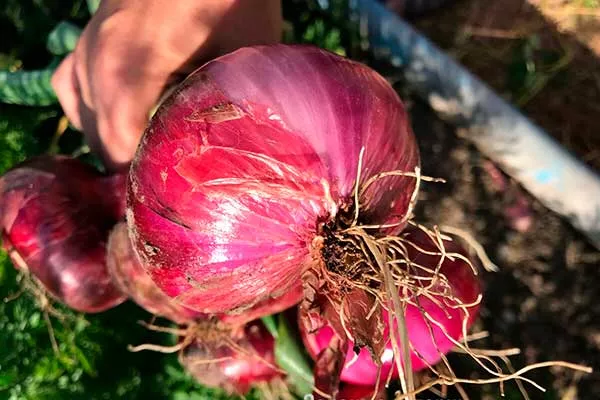
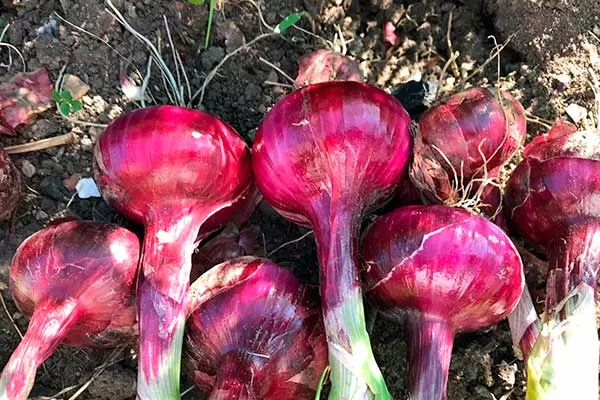
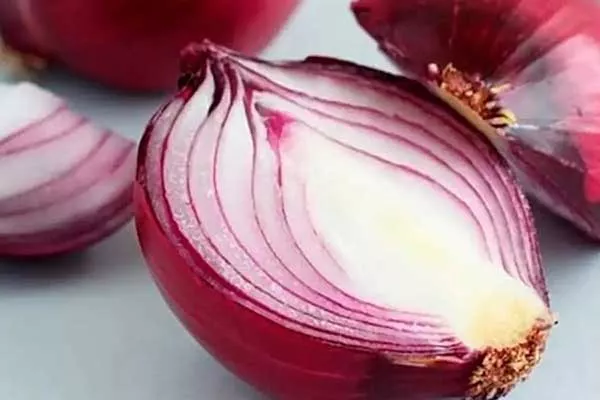
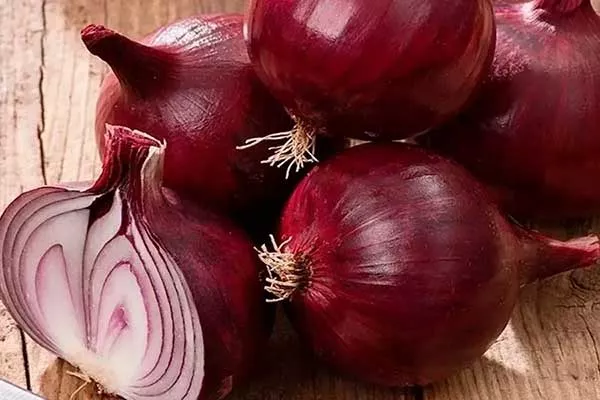
The bulb has a round, flat shape and weighs up to 200 g. Dry scales are colored dark burgundy, while juicy ones are pink to light lilac.
Taste characteristics and purpose
The vegetable is characterized by a sharp and rich flavor. Its dry matter content reaches 15%, and its total sugar content is up to 10%. It significantly improves the flavor of various dishes.
The variety is suitable for fresh consumption, it is used for canning, preparing sauces and marinades.
Subtleties of planting
For successful onion cultivation, choose the right site. Onions prefer well-lit areas, as sunlight promotes growth and development. The bed should be protected from strong winds to prevent damage to the plants.
Follow these recommendations:
- Avoid growing the plant in a location where other allium crops (onions, garlic, or greens) have been grown for the past 3-4 years. It's best to alternate it with legumes, tomatoes, cabbage, and root vegetables.
- The plant grows successfully in light, nutritious and well-drained soils with a neutral or slightly acidic reaction (pH 6-7).
- A month before planting, add organic fertilizers (humus, compost) and mineral compounds (ammonium nitrate, superphosphate).
- Thoroughly dig the bed to a depth of 20-25 cm, removing all weeds and stones. This will ensure good drainage and aeration.
- ✓ The soil pH level should be strictly within 6-7, measure it before planting.
- ✓ The soil must contain at least 3% organic matter to provide nutrition.
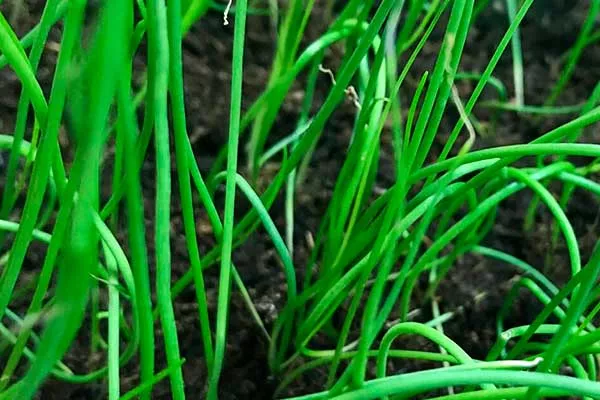
There are two main ways to plant onions:
- Sowing seeds in open ground. Plant seeds in early spring, when the soil warms to 10°C. Plant at a depth of 1-2 cm. Space 20-25 cm between rows and 5-10 cm between seeds. After planting, water the beds and mulch to retain moisture.
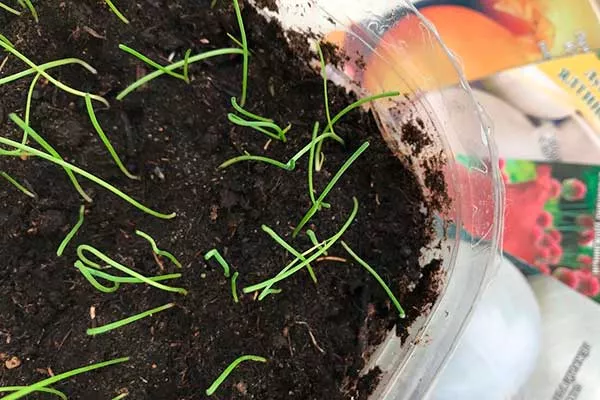
- Growing bulbs from seeds. Place the seedlings in pots or trays and place them indoors for 6-8 weeks before planting outdoors. After sprouts appear, transplant the young bulbs to their permanent location once the danger of frost has passed. Plant them 2-3 cm deep, spacing them 10-15 cm apart.
The plant has a strong immune system, but if not properly cared for, it can be susceptible to disease or insect attacks. It's important to begin treatment promptly:
| Diseases/Pests | Symptoms | Control measures |
| Powdery mildew | White powdery coating, yellowing and drying of the feather. | Fungicide treatment: Topaz, Skor, Fundazol. Improve ventilation and remove diseased plants. |
| Fusarium wilt | Wilting and yellowing, rotting of bulbs. | Spraying with fungicides: Previkur, Topsin-M. Crop rotation. |
| Ascochytosis | Grayish-brown spots on leaves and stems, bitterness of fruits. | Use Bordeaux mixture and copper sulfate. Remove affected parts. |
| White rot | Wet spots at the base of the stem, resembling a web. | Use fungicides: Hom, Ordan, Topaz. Crop rotation and soil sanitization are recommended. |
| Onion fly | The leaves turn yellow and worms appear at the base. | Setting traps (for example, with odorous plants), treatment with insecticides: Actellic, Decis. |
| Onion thrips | Silvery spots, curling and drying of the feather | Effective insecticides include Fitoverm, Karate, and Aktara. Traps and agroprotection are also recommended. |
Further care
Caring for your crop involves several important aspects that will help ensure healthy growth and a high yield. Follow these simple agricultural practices:
- Provide regular watering, especially during the active growth period. Water 1-2 times a week, depending on weather conditions. Avoid overwatering or overdrying the soil. Pour warm, settled water under the roots to prevent rot.
- Two to three weeks after planting, apply nitrogen fertilizer (such as ammonium nitrate) to stimulate foliar growth. Subsequently, use complex mineral fertilizers with added potassium and phosphorus to improve bulb development. Fertilize every 3 to 4 weeks.
- Check your beds and remove weeds that may compete for nutrients. Loosen the soil between rows to improve aeration and moisture retention.
- If flower stalks begin to form, remove them so the plants can focus all their energy on developing bulbs. This will increase productivity.
Reviews
The Northern Lights onion has many positive qualities. Gardeners appreciate its high productivity and disease resistance. With proper planting, you'll be able to obtain fresh, flavorful bulbs that enhance the flavor and aroma of a variety of dishes. With proper care, the plant will reward you generously with a bountiful harvest.