
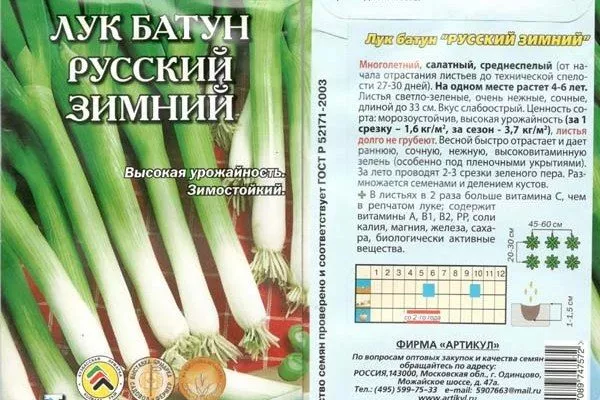
The Russian Winter onion belongs to the Welsh onion cultivar category. Its name speaks for itself: it is highly frost-resistant and resistant to recurrent frosts, making it recommended for cultivation in harsh climates. Its distinctive feature is that the onions grow regardless of weather conditions, even at temperatures as low as 10 degrees Celsius, which is unusual for most onion varieties.
What kind is this?
The Russian winter thyme belongs to the bulbous family and is part of the Asparagales group. This vegetable is distinguished by its thick, yellowish-hued tuber and feather-shaped foliage. In its second year, this plant forms a long stem topped with an umbrella. This is the edible stem.
Peculiarities of origin
The history of this variety's development begins with the work of several Russian scientists: M. V. Dubova, A. F. Agafonov, I. I. Ershov, and Yu. V. Abrakhina. Their goal was to create a variety of Welsh onion that could compete with the already existing and widely known varieties in the country.
Thanks to numerous innovations, the use of advanced breeding technologies, and extensive testing, Russian Winter has become more versatile and technically advanced. It was registered in the State Register in 2001 and has since gained popularity among Russian gardeners and large-scale farmers.
After more than twenty years of development, Russian Winter has become a classic variety cultivated in various climatic zones of Russia. Development was carried out at the Federal Scientific Center for Vegetable Growing.
External data
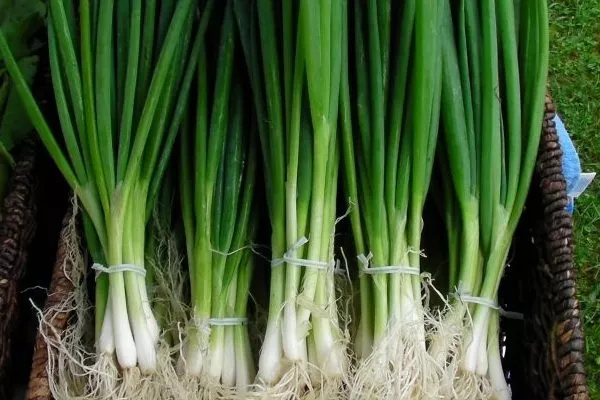
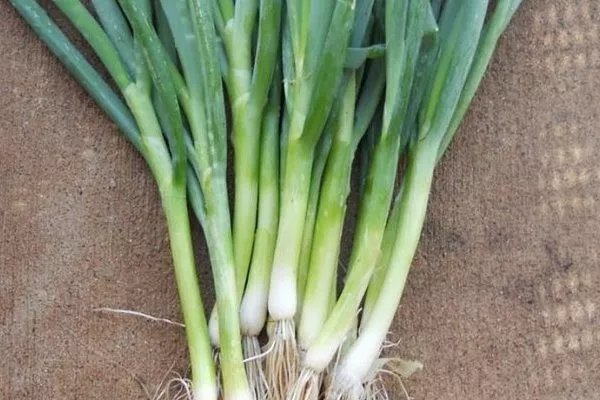
The leaves are a rich green, with pointed tips and a light waxy coating. Unlike common varieties, this onion lacks a distinct bulb; instead, it has a small, thick, yellowish tuber at the very base of the stem.
In its second year, onions begin to form long stems up to 45 cm tall with an umbel-shaped inflorescence. Budding occurs in June, and the seeds reach maturity in July. After the false bulb dies, a replacement bud appears in its place.
Taste characteristics and purpose
The leaves of this onion variety have a mild and slightly tart flavor. Russian winter onion is most often used fresh. Some prefer it as a green onion. Not only is Russian winter onion delicious, but it's also rich in vitamin C, making it an ideal ingredient for salads, first courses, and main courses.
Ripening and yield
This variety belongs to the mid-early group of Welsh onions and reaches full maturity approximately 70-75 days after the first shoots emerge. Technical maturity is reached 30 days after the leaves begin to grow.
The Russian Winter variety is known for its productivity – it can yield 1.5-1.6 kg of plumes per square meter from a single cutting, for a total yield of 3.6-3.7 kg over the entire season. However, when grown commercially, this variety can yield 15-18 tons per hectare.
Growing regions
This onion variety boasts uncompetitive yields and is resistant to low temperatures and drought, making it recommended for cultivation in a variety of climates, with the exception of the Far North. Russian Winter Onion can be grown throughout Russia and neighboring countries.
Advantages and disadvantages
This variety is a favorite among a wide range of people—large-scale farmers, summer residents, and consumers. It has earned this distinction thanks to the following qualities:
The disadvantages include:
Step-by-step instructions for growing
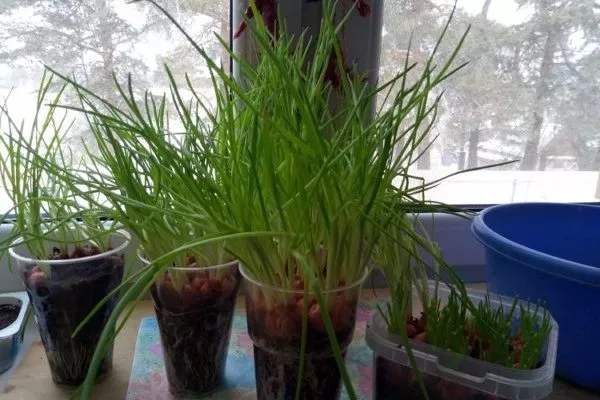
The Russian Winter Welsh onion is truly unique – it can be planted not only in open beds and greenhouses, but also grown indoors (in apartments). Moreover, in the latter case, it can produce fruit year-round.
At home
There are two main methods for growing chives indoors: on a windowsill or on a balcony. In the former case, the plant will thrive year-round, while on a balcony, the harvest can be from April to September-December, depending on the climate zone and the insulation of the balcony.
Suitable conditions
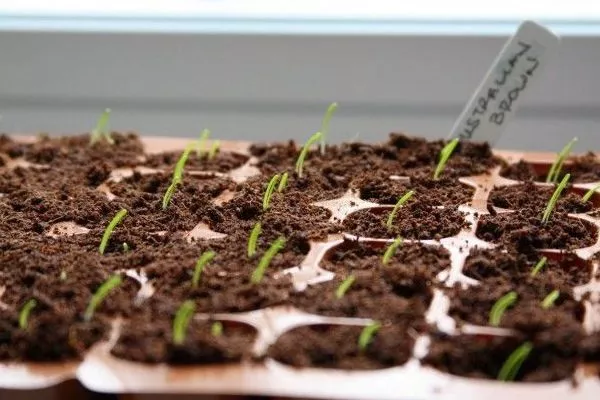
To begin growing chives on a windowsill in winter, warmth from a heating system and a temperature of about 18-22 degrees Celsius are sufficient. Initially, after planting the seeds, it is recommended to create a microclimate under plastic film to maintain the desired humidity level.
After the green shoots appear, the cover can be removed, leaving it only at night.
To plant chives you will need the following tools and materials:
- cardboard or plastic containers, you can also use clay ones, but they are heavy;
- universal extended pallets, the parameters of which must correspond to the capacity of the containers;
- tools for indoor flowers – mini-shovel, etc.;
- drainage material - usually small pebbles, crushed stone, stones, shells, expanded clay and the like are used (take enough so that the drainage layer in each pot is 1-1.5 cm.
The key condition is the presence of holes in the bottom for drainage.
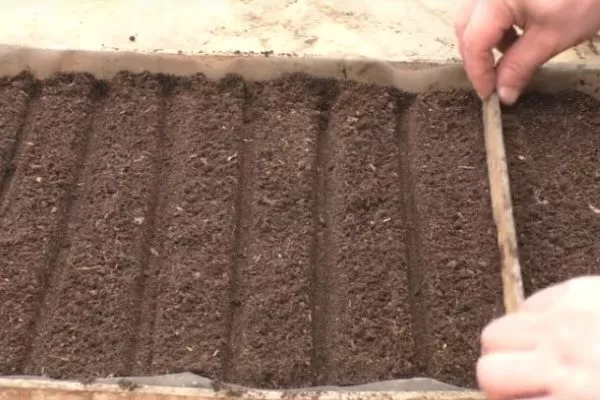
Priming
Onions require fertile soil with a neutral pH. There are ready-made soil mixes, but you can also make your own, which can significantly save your family budget. Which soil mix is considered optimal?
- take an equal amount of compost with turf soil;
- Pour 200 g of wood ash and the same amount of sand into a 10-liter container;
- Add the previously mixed substrate here – the bucket should be full;
- mix thoroughly until smooth;
- Treat the mixture with a 3% solution of potassium permanganate for disinfection.
Preparation of material
It's important to select seeds with a high germination rate. To do this, place them in a deep bowl of warm water and let them sit for 15-20 minutes. After this time, remove any hollow seeds from the surface of the water. Use the seeds that settle to the bottom for sowing.
Preparatory activities include the following actions:
- Place the seeds in a small bowl.
- Pour a small amount of warm water over them, but so that each micro-bulb is covered with liquid.
- Leave for 12-14 hours.
- The next day, drain the water.
- Prepare a light pink solution of potassium permanganate.
- Fill the planting material with it.
- Keep for about 30-45 minutes.
- Remove to paper and cloth towels.
- Dry the seeds for ease of sowing.
Scheme and technology
Place the seeds 1.2-1.6 cm deep in the prepared substrate. If you're using a long planting container, leave 3 cm between each seedling. Cover with soil, lightly moisten with a spray bottle, and cover with plastic wrap. Place in a warm location for germination and wait for the first green shoots to emerge.
Care activities
During the first month, while the young seedlings are developing on the windowsill, they need to be provided with nutrients and artificial light. In winter, it is recommended to provide light for an additional 4 hours per day using phytolamps or fluorescent lamps.
Please also note other important details about growing Russian Winter Welsh onions at home:
- This onion prefers a moist environment, so regular watering is essential. Avoid overwatering by ensuring a drainage system in the tray. Use only warm water that has been left to stand for several hours. Keep in mind that watering should be increased in summer and decreased in winter.
- The seedlings need to be ventilated, but avoid drafts and sudden cold snaps.
- During the first week after planting, apply an initial fertilizer using superphosphate, then potassium sulfate, following the instructions on the fertilizer packaging. Repeat this procedure every two weeks thereafter. Vermicompost or wood ash can be added monthly to enrich the soil mixture and protect plants from pests.
- Once the seedlings have established themselves, remove the plastic wrap and move the containers to a bright window sill at 18 degrees Celsius (64 degrees Fahrenheit). At a warmer temperature, the sprouts will grow faster, but the color will be paler, and the leaves will be brittle and fragile.
- When the plant reaches a height of 15-17 cm, you can harvest the first crop, carefully trimming the outermost leaves with scissors. It is not recommended to pull them off by hand.
At the summer cottage
People with their own plots of land sow Russian Winter Welsh on beds. In this case, the conditions are slightly different from growing them indoors.
When to plant?
There are two methods for planting Welsh onions outdoors: using seeds, which is done in the fall or spring, or using seedlings, which are planted only after the winter. Each gardener must assess the soil's readiness for planting, taking into account the climate of their area.
Place and soil
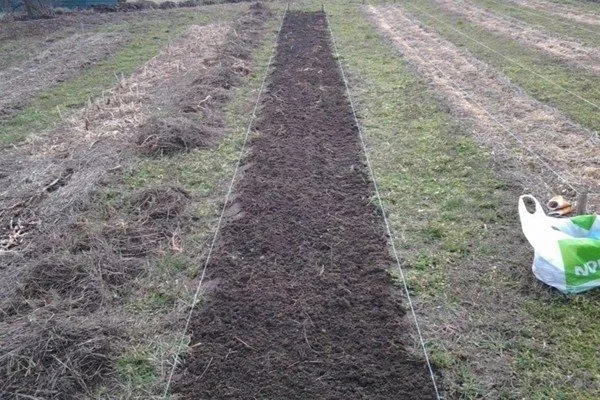
If the site hasn't yet been selected, the optimal direction for planting onions is southeast. Welsh onions should be planted in areas where cabbage, greens, or tomatoes were previously harvested.
To rejuvenate the soil, it is recommended to take half of the regular soil and add one-third of humus or compost, along with a small amount of sawdust and sand. Keep in mind that the use of chemical fertilizers is not recommended.
Seed preparation
Before planting onion seeds, soak them in warm water for 12 hours. Next, soak them in a mild potassium permanganate solution for half an hour. After this, dry the seeds until they no longer stick to your hands.
Sowing rules
To minimize the risk of pests, alternate onion beds with carrots and garlic. Cover the soil with peat to prevent weeds. Onions should not be planted in the same places where they were already growing. With proper crop rotation, you can achieve high yields.
Scheme and technology
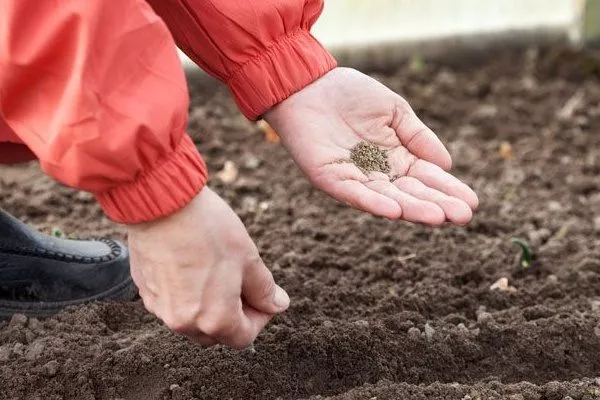
Before planting, it's important to thoroughly prepare the soil and loosen it to ensure sufficient oxygen. Next, follow these steps:
- Create furrows with a spacing of 25-30 cm between them. Plant the seeds at a depth of 1.5-1.8 cm, keeping a distance of 3 cm between them.
- Cover the plantings with plastic film, and after the first shoots appear, remove the cover.
- Thin the seedlings immediately if necessary and remove weeds, making sure there is 5-6 cm between plants.
How to properly care for plantings?
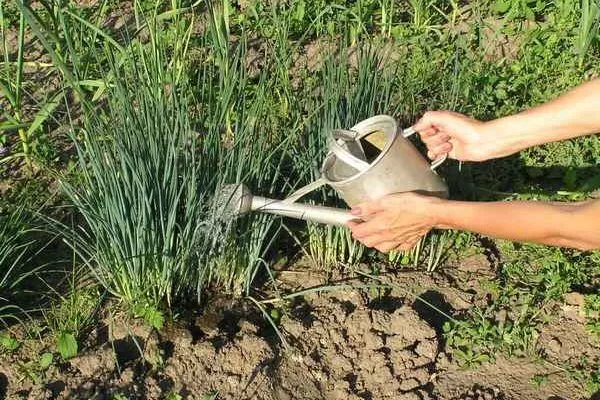
When caring for plants taller than 15-18 cm, it's recommended to water them with a watering can, applying water directly to the roots once a week. There are also other requirements:
- During the first year, feed the bushes using ash, which is evenly distributed over the bed and lightly dug in.
- As the onions begin to grow, the soil becomes more difficult to loosen, so to maintain moisture it is generously mulched with organic materials.
- To effectively care for chives, mulch the beds regularly.
- Thin and remove weeds.
- Control pest populations.
Wintering
Russian onion varieties are well adapted to local weather conditions and can withstand winter temperatures down to -40°C (-40°F), even without snow cover. Despite this, before the onset of cold weather, it is recommended to protect the soil with a layer of mulch, which can be made from peat or compost.
This will prevent freezing and protect the Russian Winter onion from strong winds. For additional safety, you can use branches, tops, and plastic film.
Harvesting and storage
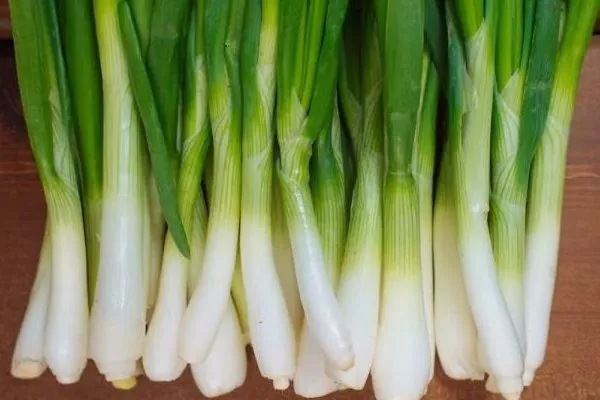
For Welsh onions that grow for several years, leaf harvesting should begin in the second year of cultivation. When cutting the leaves, leave at least 5 cm from the base to avoid damaging the plant. Harvesting should be completed one month before the onset of winter frost.
If you don't want to continue growing the vegetable in this location or the fruiting period has ended, you can harvest it whole by digging it up. For the first month after harvesting, the crop can be stored in a humid environment in the lower section of the refrigerator. After that, the leeks should be packed in a container and placed in the freezer.
Pests and diseases
Despite their low maintenance, Welsh onions are often attacked by pests such as the onion beetle, onion flies, and root mites. To control them, the use of the latest insecticides is recommended. Vegetables grown in garden beds can be protected by using spunbond, wood dust, or tobacco powder.
Among the diseases that can affect plants, downy mildew, white mold, and other fungi are particularly dangerous. To prevent their development, regularly spray the plants with a solution of Fitosporin-M, prepared by mixing 15 ml of concentrate per 10 liters of water. For increased effectiveness, add 1% copper oxychloride, Bordeaux mixture, and copper sulfate.
Review of reviews
The Russian Winter Onion, an innovative yet established Welsh onion, provides a daily dose of many vitamins and minerals. This variety is easy to care for, can be planted in a variety of ways, produces fruit for a long time, and is virtually immune to infections. To achieve this, simply follow crop rotation, purchase high-quality planting material, and adhere to proper agricultural practices.