
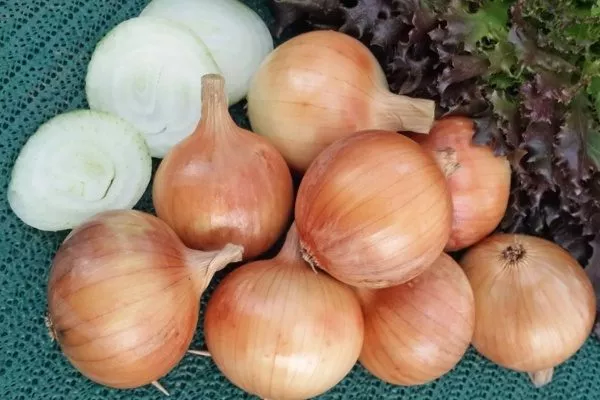
"Russian Size" is one of the most popular onion varieties. Its large, juicy bulbs, excellent flavor, and resistance to some diseases make it a welcome addition to gardens. It's suitable for both beginner and experienced gardeners. The key is to follow simple care guidelines to ensure a bountiful harvest.
Who developed the variety and when?
The "Russian Size" onion was developed by Ivan Vasilyevich Michurin in the early 20th century. He worked on developing new varieties resistant to the harsh climate of our country. This variety combines all the necessary qualities.
Description of the plant and bulbs
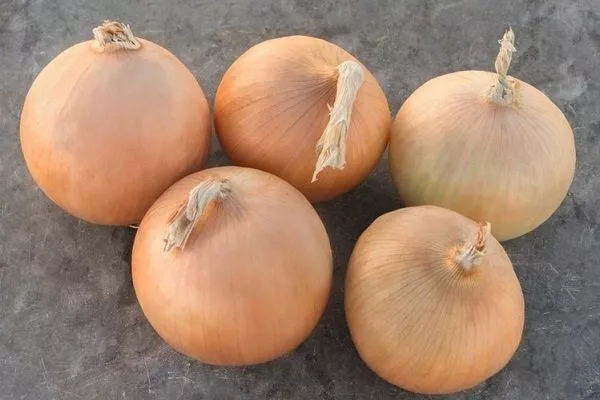
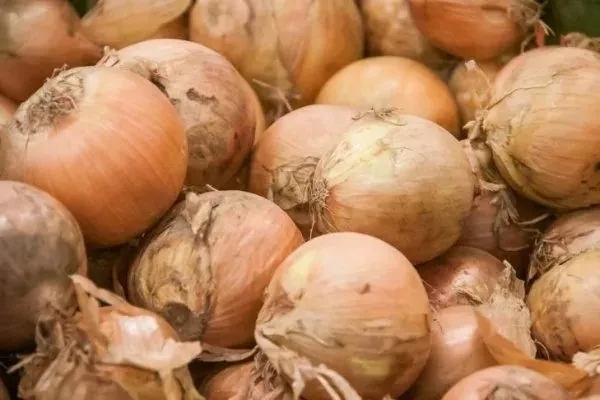
The plant reaches a height of approximately 50-60 cm. Its leaves are narrow, green, and can be up to 40 cm long. The bulbs are large, reaching 15-20 cm in diameter. They are flat and light yellow in color. Each bulb weighs up to 3 kg.
Taste characteristics and purpose
The Russian Size onion is a salad variety. Its delicate sweet flavor with slightly spicy notes makes it ideal for adding to a variety of salads and appetizers. This variety is well-suited for canning or pickling, which preserves its flavor and aroma for a long time.
Ripening and yield
This is a mid-season variety. It takes approximately 130-140 days from germination to harvest. The average yield can reach up to 18 kg per square meter, making it quite productive and popular among gardeners.
Landing features
Sow onion seedlings in April, 40-45 days before planting outdoors. To stimulate growth, soak the seedlings in a special growth stimulant for 12-18 hours. Plant the seeds 1 cm deep at temperatures between 20 and 25°C.
To avoid the need to transplant seedlings, plant the seeds immediately, spacing them 5-7 cm apart. Once the seedlings emerge, move them to a sunny but cool location with temperatures ranging from 16 to 20°C.
For planting, choose a site at a higher elevation in the garden where the snow will melt first, which will help speed up soil warming. The soil should be loose; fertilize it in the fall to ensure large bulbs. Experienced agronomists recommend growing the crop in areas previously occupied by legumes, cucumbers, and potatoes.
Subtleties of agricultural technology
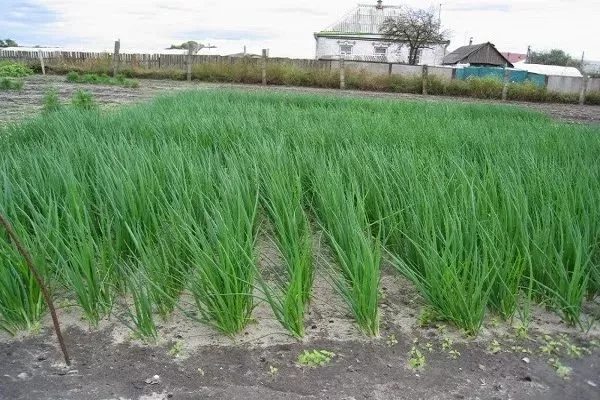
Caring for this crop is quite simple. Provide it with timely agricultural practices:
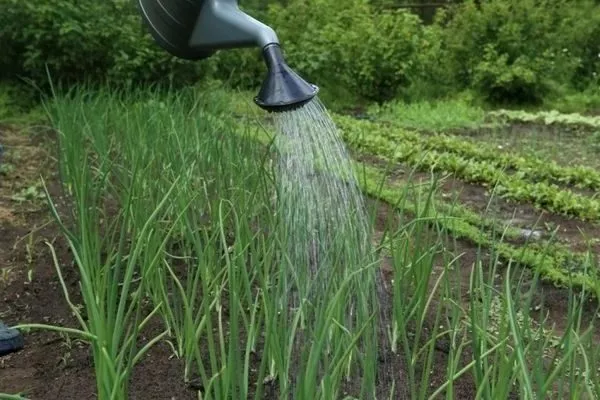
- Watering. Onions require regular watering, especially during dry periods. Make sure the soil remains moist but not waterlogged.
- Top dressing. Fertilize the plantings with mineral or organic compounds every 2-3 weeks to ensure good growth and development.
- Weeding and loosening. Regularly weed around the onions and loosen the soil to ensure oxygen reaches the roots.
- Removing arrows. If bolting begins prematurely, remove the bolts so that the energy is directed towards forming bulbs.
Resistance to diseases and pests
The Russian Size onion has good resistance to certain diseases and pests, making it popular among agronomists. However, like any crop, it can be susceptible to certain problems. Common diseases and insects include:
- Downy mildew (leaf spot). This is a fungal disease that affects the bulbs and feathers. To prevent it, ensure good air circulation and avoid over-watering.
- Late blight (rot). Another fungal disease that can damage crops. Monitor soil moisture levels and avoid overwatering.
- Onion fly. This pest can cause significant damage to bulbs by feeding on their sap. Use specialized insecticides to control the insect.
- Onion aphid. The pest attacks crops by sucking the juices from vegetables. Regular inspection and appropriate protective measures will help prevent damage.
Pros and cons
The Russian Size is a popular onion variety characterized by large, juicy bulbs. It has both advantages and disadvantages that should be considered when growing.
Reviews
The "Russian Size" onion attracts gardeners with its juicy, versatile vegetables. They are very large, so just one is enough to prepare several dishes. Caring for the crop is simple, but it plays a significant role in yield, as the bulb size depends on it.