
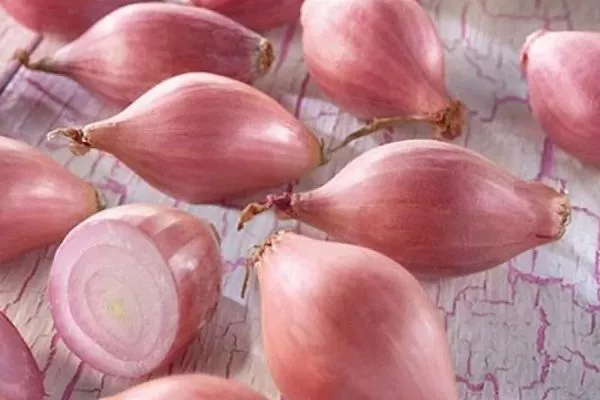
The Rossana onion, also known by other names (Rossana, Rozzana), is a high-yielding onion variety used for table purposes. Its main distinguishing feature is the increased sweetness of the inner scales and a slightly spicy flavor. It is a mid-season variety, with minimal fussiness and excellent shelf life and transportability.
Peculiarities of origin
Rossana is a product of Dutch breeding work, created by a team of specialists from ISI Sementi SPA and introduced in 1998. This variety was officially registered for agricultural use in 2003.
This onion variety is actively cultivated in the North Caucasus region, where it can be planted in both small private plots and large farm fields. Rossana has become a popular variety for cultivation in various regions of the Russian Federation.
What kind is this?
Rossana bulbs are exceptionally durable during transportation and can be stored for a long time if kept in a dark, dry, and cool place in basements and cellars. However, keep in mind that at temperatures between 15 and 20 degrees Celsius, the shelf life of these bulbs is reduced by half.
Main features of the plant
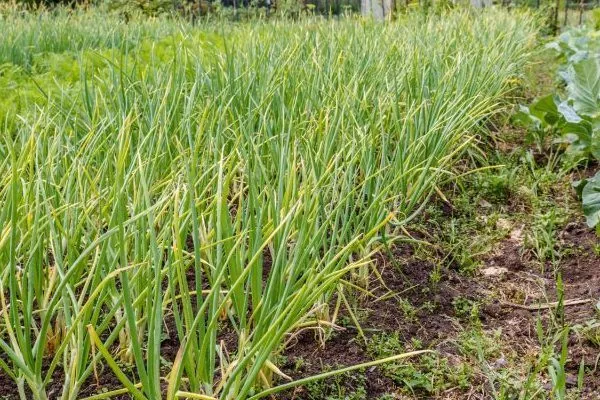
Rossana is distinguished by its compact, well-groomed appearance. Its stems grow upright, have a unique tubular shape, a uniformly rich green color, a light waxy coating, medium density, and rare small stems. Under ideal conditions, this plant reaches 30-40 cm in height.
Other varietal characteristics:
- The average weight of the bulbs ranges between 50 and 70 g, although sometimes there are specimens weighing up to 130-150 g.
- The head usually reaches 7-8 cm in diameter.
- It can be oval, round or elongated.
- The onion density is high.
- The variety is classified as a small-nested one, as it consists of one bulb.
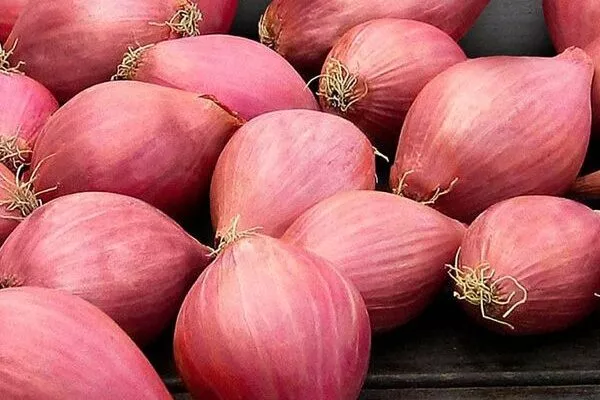
- The fruit scales are smooth, thin, but quite strong, consisting of 3-5 pieces, with a uniform color of rich red.
- The onion flesh is striking in its unusual pink tint.
Taste characteristics and purpose
The Rossana onion has an excellent flavor. Its delicate pink flesh delights with its juiciness, tenderness, slight crunch, and richness. This vegetable's flavor is characterized by piquancy, a delicate nutty aftertaste, sweetness, and a pleasant aroma. It has no toughness.
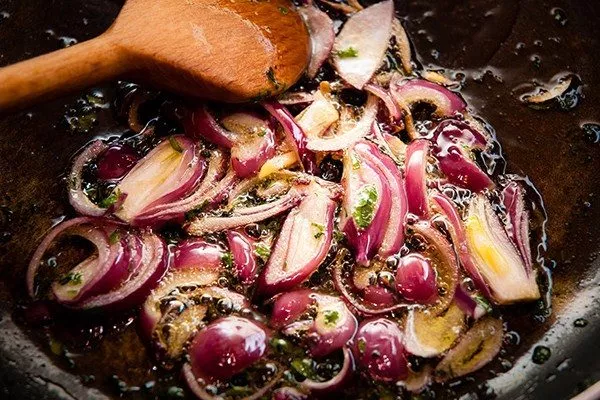
This variety has a wide range of culinary uses: it's ideal for salads, side dishes, pickled appetizers, and canning. Rossana onions are a wonderful complement to meat dishes, especially shashlik.
The benefits of onions
Rossana onions are rich in proteins, carbohydrates, fiber, and organic acids. They contain a wealth of vitamins B, C, PP, and E, as well as micro- and macronutrients, including potassium, sodium, magnesium, iron, phosphorus, and manganese. This vegetable is recommended for the prevention of vitamin deficiencies in the spring.
Ripening and yield
Rossana is a mid-season variety, with a ripening period of 110 to 125 days from sowing to maturity. Ripening is usually slow, but to speed up the process, you can lightly dig up the roots, exposing the tops to allow the bulbs to dry.
You should start digging up onions when a third of the leaves have bent towards the ground and dried out, which usually happens in late July or early August.
This variety is distinguished by its abundant yield: 3 to 5 kg of fresh onions can be obtained from 1 square meter. On an industrial scale, the results are equally impressive: 186 to 285 centners of this healthy vegetable can be harvested from a hectare of plantings.
Ripening is at a good level:
- before assembly varies from 88 to 94%;
- at the end of ripening it is up to 100%, but at least 95%.
Resistance to diseases and pests
The Rossana variety has decent disease resistance, but without proper care, it can be susceptible to diseases such as gray mold, yellows, powdery mildew, and downy mildew. The most common pests attacking onions are flies and root mites.
In which regions to grow?
This variety is highly adaptable and adapts to a variety of climatic conditions. It is included in the official list of varieties recommended for cultivation in the North Caucasus Highlands. It can withstand both frost and hot weather.
Breeders have adapted it to growing conditions throughout Russia. However, in the northern and Siberian regions, special attention should be paid to soil moisture control.
Features of planting and growing
Dutch onions can be grown using seedlings, seed sets, or direct sowing. In southern regions, seeding is preferable, while in northern regions, seed sets are more suitable.
Requirements and preparation
From late April to early May, plant onions in open soil when the soil is still moist and the air temperature is 12-15 degrees Celsius. Many people follow folk wisdom and sow onions after the bird cherry tree has shed its flowers.
Before planting, the bulbs must be carefully sorted and sized. Once sorted, the bulbs should be warmed. This can be done by exposing them to the sun for a couple of days or by alternately spraying them with cold and hot water. Then, the onions must be thoroughly dried. This approach helps prevent the plants from bolting.
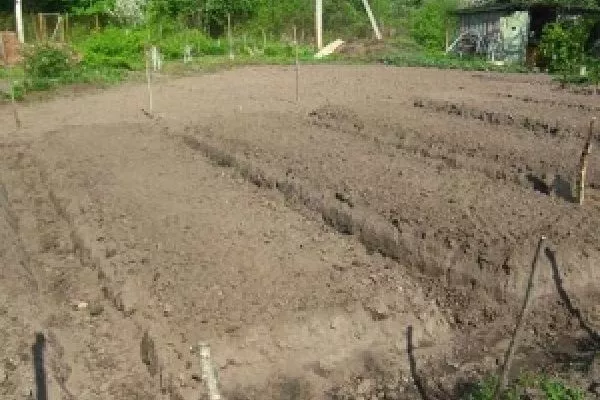
Before planting onions, you need to prepare the beds:
- dig up the soil;
- remove weeds and debris;
- for loamy soils add 4-6 kg of peat, 3-5 kg of humus, 1 tbsp. superphosphate and 0.5 tbsp. urea per 1 sq. m;
- In case of sandy soils, add a mixture of 6-7 kg of peat, 10-12 kg of humus, 2 tbsp. of superphosphate and 1 tbsp. of urea per the same square meter.
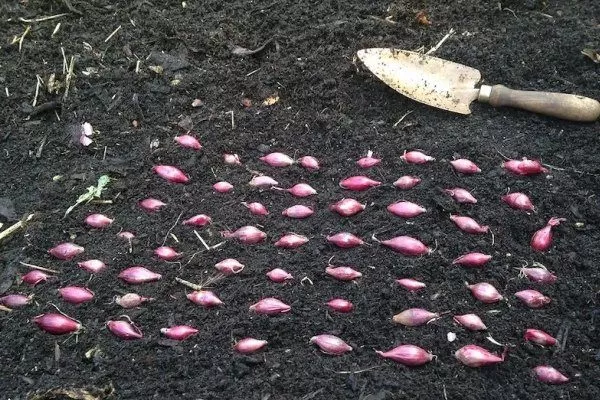
Furrows are placed on the beds at intervals of 18-22 cm, and the bulbs themselves are “planted” in holes at intervals of 9-12 cm, deepening them into the ground by about 4 cm.
Getting a harvest from seeds
Onion seeds are sown between late February and early March. Before sowing, the seeds are treated to strengthen their protective properties:
- soak in a solution of methylene blue (0.15 g per 500 ml of water) or permanganic acid (0.05 g per 500 ml of water).
- After this, place the seeds in a container and fill it with water so that it covers the seeds by 1-1.5 cm;
- leave overnight in a cool place with a temperature of about 22-25 degrees;
- After the seeds have swollen and become moist, carefully wrap them in a damp cloth and leave them to germinate for a week;
- Dry the selected seeds with sprouts that have begun to germinate slightly.
Features of the seedling method:
- Onion seedlings are grown in small containers or individual cups, up to 8-12 cm high.
- The soil in the boxes is warmed up to +20-24 degrees.
- Onions are sown in holes spaced 4 cm apart. The soil is then carefully filled in, lightly compacted, and watered.
- Containers with seedlings are covered with film (food or regular polyethylene) and placed in a room with a temperature of at least 20 degrees.
- After the first green shoots appear, the cover is removed.
- Onion seedlings need to be provided with sufficient lighting, regular watering (every day) and maintaining a temperature of 15 degrees during the day and 10 degrees at night.
- When the seedlings begin to develop their first leaves, they are fertilized with Vermisol or Humisol, repeating the procedure every 10 days.
- Every two weeks after planting, the plants are treated with Prestige to prevent diseases.
- Onions are transplanted into open ground after approximately 35-40 days, when the feathery greens reach 10-11 cm in height and have a well-developed root system.
- It is recommended to plant Rossana when the air temperature remains stable at 10 degrees, while the soil should still remain moist.
- The seedlings are placed in holes to a maximum depth of 5 cm, maintaining a distance of 10-12 cm between them and 20-22 cm between rows.
It's possible to sow seeds directly into the ground, but this will result in a lower yield compared to growing from seedlings. If you sow the seeds of this variety in the fall, you can harvest onion sets the following year, which can then be transplanted into the garden.
Planting onion sets
A week before planting, prepare the beds by treating them with a copper sulfate solution or Fitosporin. To do this, add 1-1.5 tablespoons of one of these solutions to 10 liters of water.
Other important aspects:
- About a month before planting the bulbs in the ground, store them in conditions with a temperature of about +10 degrees.
- 6-10 hours before planting, move the planting material to a place where the temperature will be +33-35 degrees.
- Before the actual sowing process, treat the bulbs with a specialized growth stimulator or a 1% solution of copper sulfate.
- Form furrows in the beds and plant the onions at a depth of 3-4 cm, spaced 5-7 cm apart. Space the onion rows 20-30 cm apart.
Caring for Rosanna's Onions
Rossana is not considered a demanding crop, so all care procedures are standard. However, please note some varietal standards and characteristics.
Watering
Irrigate your fields/vegetable gardens every ten days. Avoid using sprinkler irrigation, as this can cause the onions to rot if water gets between their leaves. Stop watering completely for two to three weeks before harvesting to prevent the onions from becoming too waterlogged.
Loosening
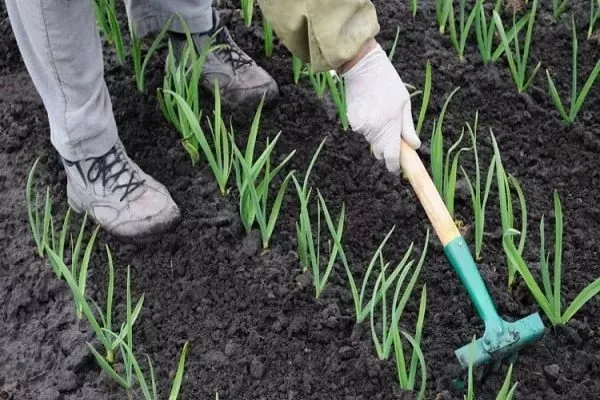
It's best to loosen the soil around the bulbs after irrigation and natural rainfall. This will ensure the soil has access to oxygen. It's important to promptly remove weeds, which interfere with the onions' development, deprive them of essential nutrients, and block them from sunlight.
How and how much to fertilize?
Throughout the growing season, Rosanna requires a couple of additional feedings:
- During the active growth stage, water the beds with water and a nutrient solution. To do this, dissolve 2 teaspoons of urea and about 200 g of bird droppings in 10 liters of water. Apply the fertilizer at a rate of 2.5-3 liters per 1 square meter.
- After two weeks, feed the plant again. This time, add 4 teaspoons of nitrophoska to 10 liters of water. Use 4.5-5 liters of solution per square meter.
Organic and mineral compounds promote onion growth, but do not exceed recommended levels, as this may reduce the shelf life of the bulbs.
How to harvest and store crops?
The longevity of onion stocks is determined by the efficiency and timeliness of their harvest. Key points:
- The time for harvesting bulbs falls at the end of July, in rare cases it is postponed to August when the weather is suitable - a dry and clear day.
- The onion is removed from the ground by holding it by the base.
- The harvest begins when a quarter of the onion beds show signs of ripening: the feathers of the thickened bulbs bend toward the ground and begin to dry out, turning yellow.
After harvesting, the bulbs are carefully inspected and sorted: damaged or underripe specimens are discarded or left for quick consumption.
Storage methods and shelf life:
- Whole, high-quality bulbs should be thoroughly dried, the roots and tops removed, and stored in cardboard boxes or wooden crates. Perforations in the containers are essential for air circulation.
- To store onions, choose a dry, dark, and well-ventilated room where the temperature is maintained between +15 and +20 degrees.
- The shelf life of this variety ranges from 5 to 8 months, and the onion does not lose its aroma and quality during this time.
What difficulties might arise when growing?
There may be some difficulties encountered in the process of growing the Rossana variety, but they are few:
- yellowing of young leaves indicates a lack of nutrients in the soil;
- Bulb rot is a consequence of excess moisture;
- Excessively early exposure of bulbs may be due to improper watering.
Tips from experienced gardeners
Horticultural experts offer the following recommendations to help you achieve maximum yield and root crop quality:
- Before the rains begin, especially in August, carefully apply the feathers to the surface of the soil, and 3 weeks before harvesting, carefully open the heads, clearing away some of the soil above them.
- When choosing the time for planting, it is best to follow folk rules - the ideal time comes after the bird cherry has finished flowering.
- Although the Rossana variety does not require special soil conditions, it is still preferable to choose fertile areas for it.
Reviews of the Rossana onion variety
Rossana is a leading onion variety due to its aromatic flavor, attractive appearance, and ease of care. This onion adapts perfectly to all regions of the Russian Federation, is highly resistant to common onion diseases, and offers a rich array of beneficial properties.