
Robin onion is a high-yielding variety for gardeners, gourmets, and healthy eaters. Its juicy, firm bulbs with an excellent flavor will become an indispensable ingredient for culinary experiments. It's important not only to plant the onion correctly but also to provide timely care to ensure a bountiful harvest.
History of origin
It is a variety of onion developed by the Dutch company Bejo Zaden. It was approved for use in 2008.
Characteristics of the appearance of the plant and bulbs
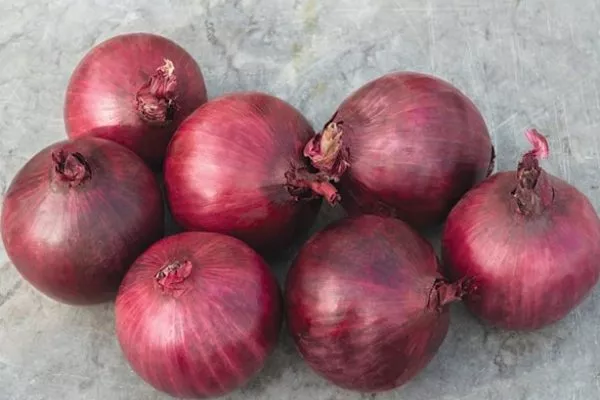
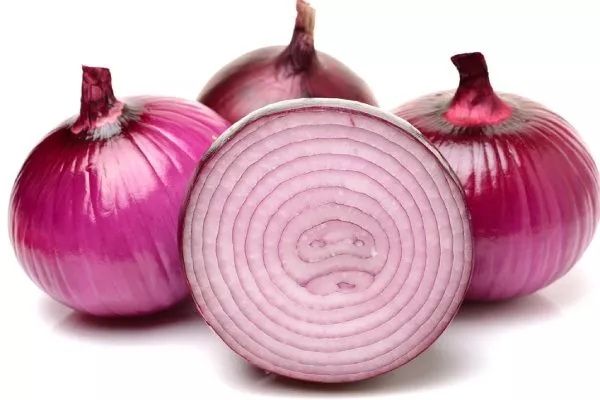
The dark green leaves are obovate. The bulbs are small, dense, and uniform in size, each weighing between 80 and 100 grams. The dry scales are red. The flesh is white with a reddish tint.
- ✓ The bulbs have a uniform red color of dry scales and white flesh with a reddish tint, which is unique to this variety.
- ✓ The weight of each bulb varies strictly from 80 to 100 g, which distinguishes it from other varieties.
The taste and uses of Robin onion
One of the key characteristics of this variety is its semi-hot flavor. The spiciness isn't overly pronounced, which is why many people enjoy it. This vegetable is ideal for use in salads, imparting a distinctive aroma and unique flavor.
Ripening and yield
Before harvest, onions reach 87% maturity, and after ripening, this figure increases to 95%. This mid-season variety matures 110-115 days after emergence. Yields are high, ranging from 275 to 390 centners per hectare.
Landing features
Robin onions prefer fertile, well-drained soil with a neutral or slightly acidic pH (6.0-7). Before planting, dig the soil and add organic fertilizer, such as compost or humus.
- ✓ The soil pH level should be strictly within 6.0-7.0, deviations can lead to a decrease in yield.
- ✓ The soil must be well drained, as stagnant water leads to the development of root rot.
Sow seeds in early spring, when the soil warms to 10-12°C. For an earlier harvest, use the seedling method, planting seedlings in the ground in late April or early May.

Subtleties of agricultural technology
Caring for the crop involves several key aspects that promote healthy growth and high yields. Follow these simple agricultural practices:
- Watering. Provide regular watering, especially during dry periods. Keep the soil moist, but avoid overwatering, which can encourage rot and other diseases. Water the plantings after planting the bulbs and during periods of active growth.
- Fertilizer. To ensure good growth and development, provide nutrients. Use a complete mineral or organic fertilizer before planting, then fertilize regularly throughout the growing season. Nitrogen fertilizers are especially important during the formation stage.
- Weeding and mulching. Regular weeding helps prevent competition with weeds for nutrients and water. Mulching between rows retains soil moisture, prevents weed growth, and protects roots from overheating.
- Protection from pests and diseases. Onions can be a target for various pests and diseases. For prevention, use biological or chemical products specifically designed to protect plants from diseases and pests. Regular inspection of plants will help identify signs of problems early.
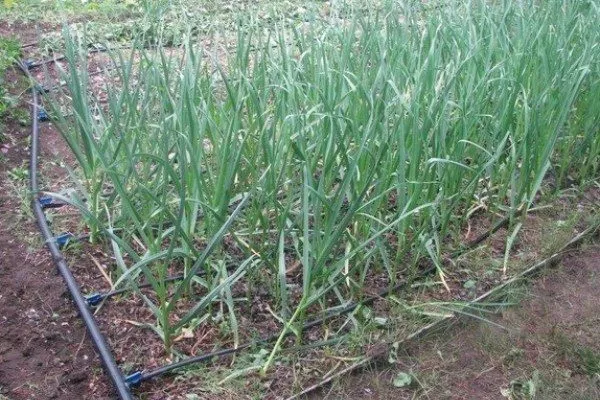
Before harvesting, stop watering to allow the bulbs to dry before storing. Harvest when the bulbs reach maturity and the tops begin to dry. Store the harvest in cool, dry conditions.
Reviews
The Robin onion exemplifies the combination of high yield and excellent flavor. It has gained popularity among gardeners thanks to its excellent varietal characteristics, making it an ideal choice for experienced farmers and novice gardeners alike. To boost its immunity and yield, it's important to ensure timely and proper care.