
Retro Onion is a healthy vegetable that has become very popular among gardeners in our country. This variety is characterized by excellent flavor, large bulbs, and an attractive appearance. With proper care, you can grow plants with strong immunity and abundant harvests.
Who developed the variety and when?
Created by Russian breeders S. V. Maksimov and N. N. Klimenko, the cultivar was added to the State Register in 2008. Currently, Retro seeds are produced by many large companies, so there is no shortage of material.
Introduction to the variety
Retro onion doesn't look outdated in the garden, especially if proper cultivation practices are followed. This late-ripening plant will yield excellent results with proper care.
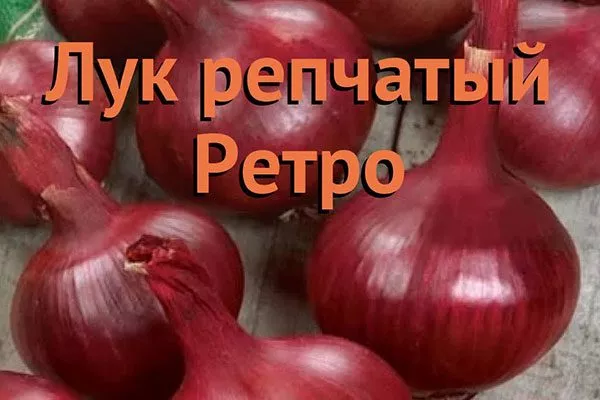
Characteristics of the appearance of the plant and bulbs
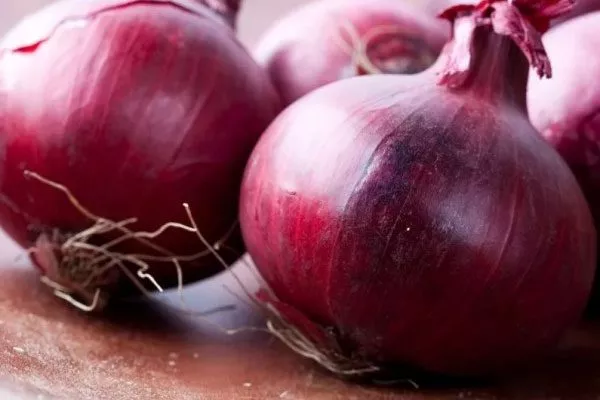
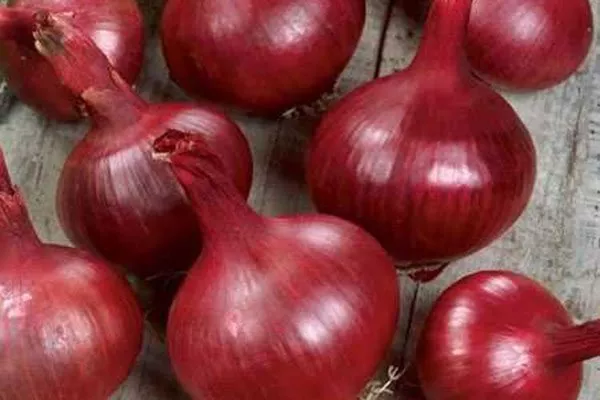
The leaves are short, narrow, and green. The fruit is large, transversely elliptical in shape. Each onion weighs 70-80 g. The juicy and dry scales are the same red color. This onion is a small-celled plant, with only one fruit per cell.
Taste and purpose
Retro is a sweet variety with a subtle spiciness and no bitterness. It's an ideal choice for salads and vegetable platters, but it also pairs harmoniously with other dishes.
Ripening and yield
This is a late-ripening onion variety. It takes 100 to 110 days from germination to maturity. Given the plant's developmental characteristics, begin growing seedlings approximately 50 days before transplanting to a permanent location.
- ✓ The soil pH level should be strictly within 6.0-7.0 for optimal nutrient absorption.
- ✓ The organic matter content of the soil should be at least 3% to ensure good initial growth.
Soil requirements
The crop prefers light, loamy soils with a high nutrient content and a neutral acid-base reaction.
Resistance to diseases and pests
The plant has a good immunity, but it is not completely immune to diseases. Retro onions are susceptible to fusarium wilt, rust, downy mildew, and other fungal diseases.
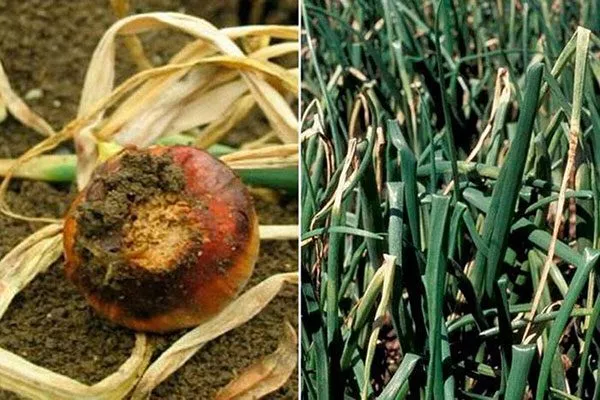
To prevent epidemics, spray the bushes when their feathers reach a length of 15 cm. To do this, dissolve 5 g of copper sulfate and about 40 g of laundry soap in 10 liters of warm water.
Necessary climatic conditions
This variety grows well in open ground in the central region of the country and thrives in the south. However, in northern regions, it should be grown in greenhouses, as it is not very cold-hardy.
Landing features
The procedure involves several important steps that will help ensure successful growth and a good harvest. Follow these recommendations:
- Choose sunny, well-lit areas with light, loamy soil.
- In the fall, dig over the area and add organic fertilizers such as humus or compost. In the spring, loosen the soil and add mineral fertilizers.
- If the soil is acidic, add lime.
- Grow seedlings 1.5-2 months before transplanting outdoors. Sow seeds in containers with fertile soil to a depth of 1-1.5 cm.
- Cover the seeds with plastic wrap until germination, maintaining a temperature of approximately 20-25°C. Once germination occurs, remove the plastic wrap and lower the temperature to 16-18°C.
- Water and feed the seedlings regularly with complex mineral fertilizers.
- A week before planting, begin hardening off the seedlings by gradually lowering the temperature and moving them outdoors.
- Plant outdoors when the danger of frost has passed and the soil has warmed to 10-12°C. Space bulbs 10-15 cm apart, and rows 20-25 cm apart.
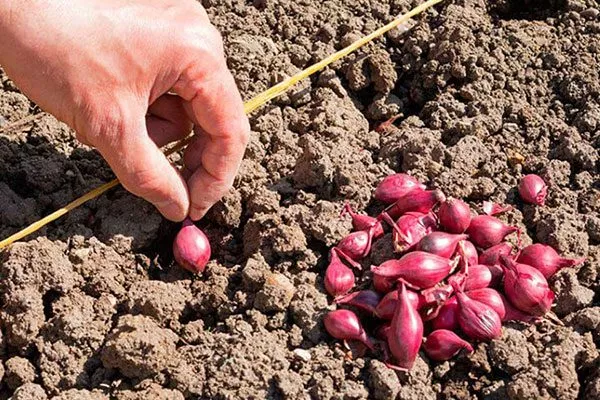
After planting, water the plants generously.
Subtleties of agricultural technology
Onions require regular watering, especially during the active growth period. Keep the soil moist but not waterlogged. Regularly remove weeds and loosen the soil to improve aeration.
- First feeding: 2 weeks after planting the seedlings, use nitrogen fertilizers to stimulate leaf growth.
- Second feeding: at the beginning of bulb formation, use potassium-phosphorus fertilizers to improve the quality of the bulbs.
- Third feeding: a month before harvesting, use potassium fertilizers to increase the shelf life of the bulbs.
Fertilize 2-3 times per season using mineral and organic fertilizers. Spray plants with a solution of copper sulfate and laundry soap to prevent fungal diseases. If pests appear, use natural or chemical pest control products.
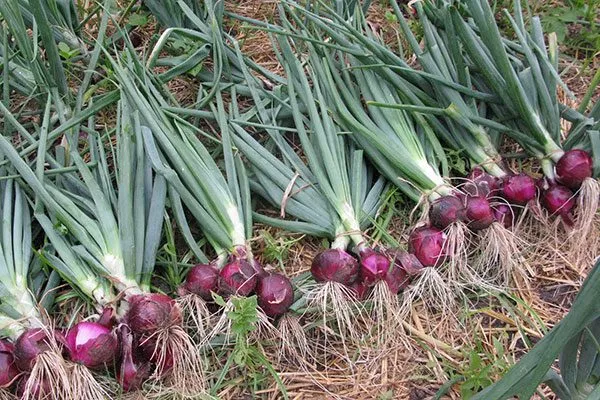
Harvest the bulbs when the leaves begin to fall over and dry out. Dig up the bulbs, dry them in the sun, and store them in a cool, dry place.
Reviews
Retro Onion is an ideal choice for both beginner and experienced gardeners. Its excellent taste, attractive appearance, and large size make it an indispensable kitchen item. With proper care, you'll enjoy abundant harvests and bulbs that last a long time.