
Onions are one of the most popular garden crops. There's a place for them in every garden. To get a decent harvest, you need to choose the right onion variety and know the basic rules for planting and caring for the plant.
The best varieties of onions
| Name | Ripening period | Fruit weight (g) | Taste |
|---|---|---|---|
| Yukon | 60-70 days | 100 | spicy |
| Carmen | 70-90 days | 70 | semi-sharp |
| Snowball | 65-80 days | 100 | semi-sharp |
| Strigunovsky local | early | 50-80 | spicy |
| Red Baron | early | up to 150 | semi-sharp |
| Setton | mid-season | 150 | semi-sharp |
| Aleko | 100 days | 60 | saturated |
| Kaba | late-ripening | up to 150 | semi-sharp |
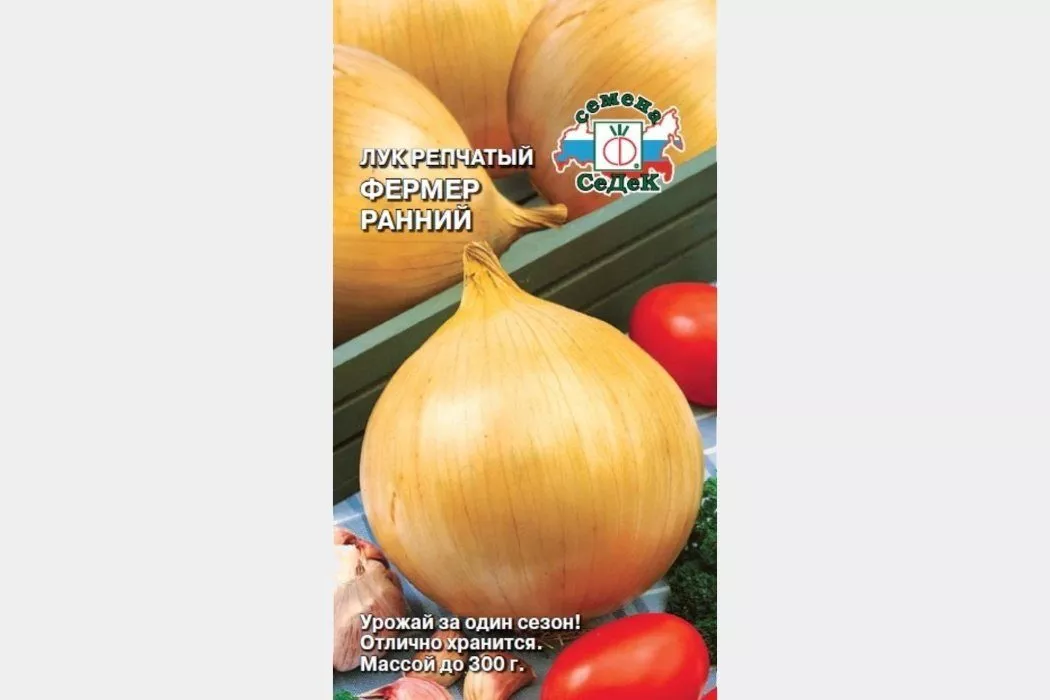
| Farmer | 130 days | 250-350 | spicy |
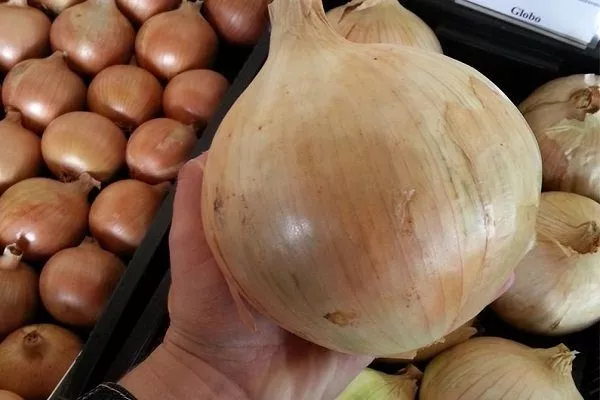
| Globo | late-ripening | 170-175 | gentle |
- ✓ Frost resistance: for northern regions, choose varieties with high frost resistance.
- ✓ Drought tolerance: in southern regions, varieties that can withstand long periods without watering are preferred.
- ✓ Disease resistance: In areas with high humidity, choose varieties that are resistant to fungal diseases.
Planting a crop begins with seed selection. To grow onions with excellent flavor, pest resistance, and long-lasting shelf life, you need to know the best varieties.
TOP 10 best varieties of onions:
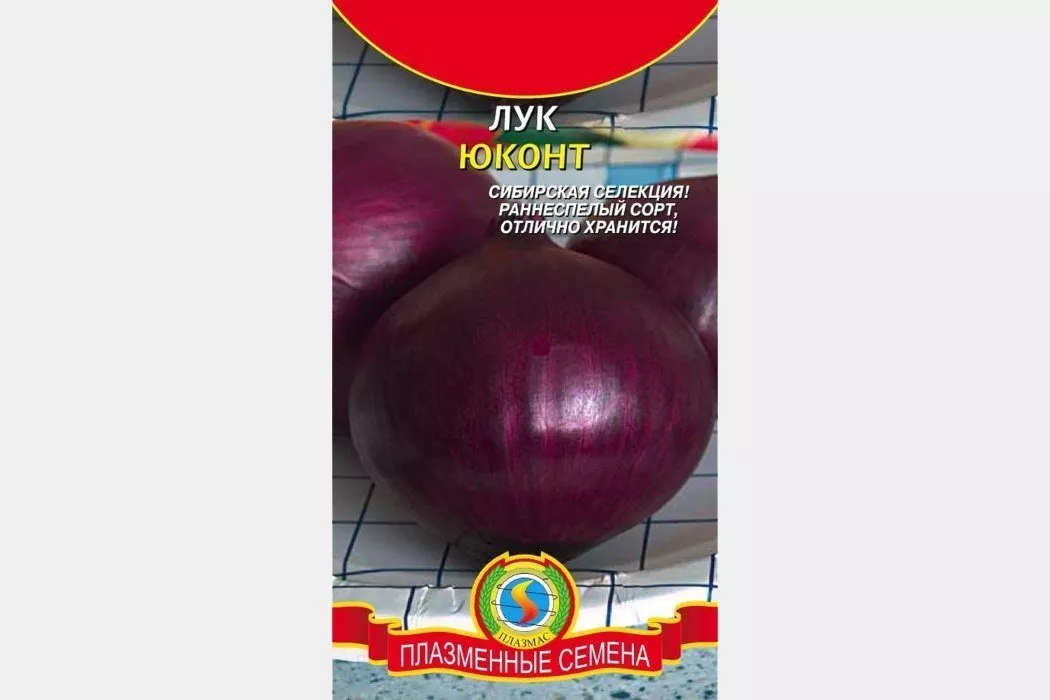
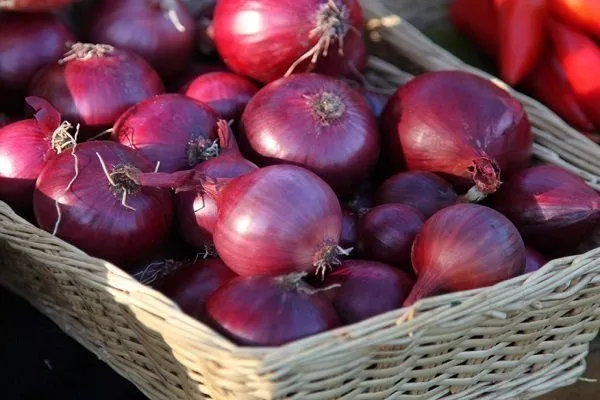
- YukonThis is an early-ripening purple onion variety that can be grown from both seeds and sets. The vegetable reaches maturity 90 days after planting using the former method and 60-70 days after planting sets. The average fruit weight is 100 g, and the germination rate is excellent, approaching 95%. The onion has a pungent flavor.

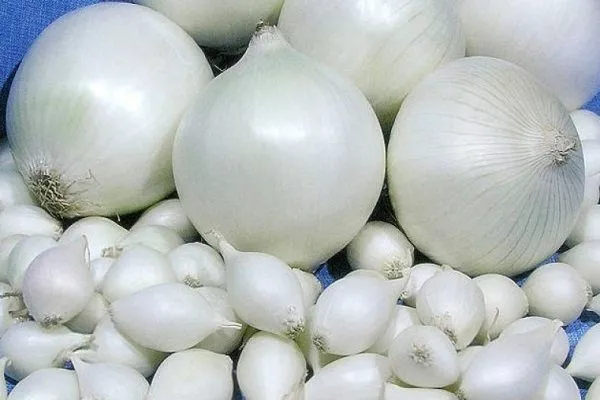
- CarmenIt is recommended to plant this early-ripening white onion variety as sets. It takes approximately 70-90 days for the crop to reach full maturity. The fruits are round, averaging 70 g in weight. A 10 square meter plot yields approximately 17 kg of harvest.
- SnowballAn early-ripening variety of white onion that produces fleshy fruits with a mild, pleasant flavor. The average weight of each onion is 100 g. The plant matures in 65-80 days. The harvest stores well, and the onions rarely bolt during growth.
- Strigunovsky localAn early onion variety with brown scales and light-colored flesh. Its undeniable advantage is its ability to produce high yields in both hot and cool climates. The fruits have an excellent pungent flavor. The average onion weight is 50-80 g.
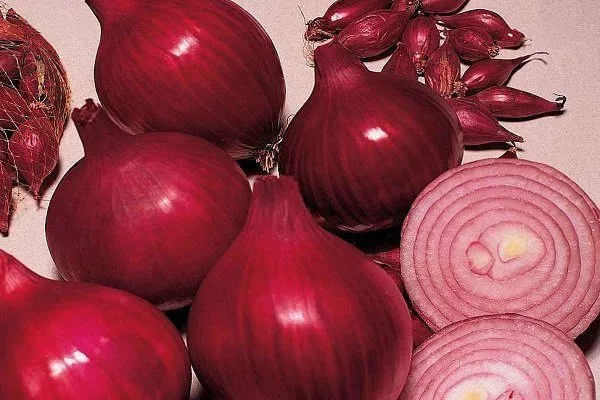
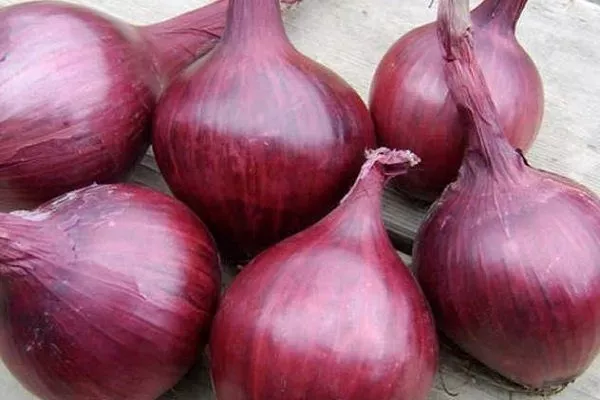
- Red BaronThe fruits ripen early, the flesh has a purple hue and a semi-sharp flavor, and the onion skins are red. For maximum yield, it is recommended to grow the plant from seedlings. This will allow you to harvest large bulbs weighing up to 150 g.
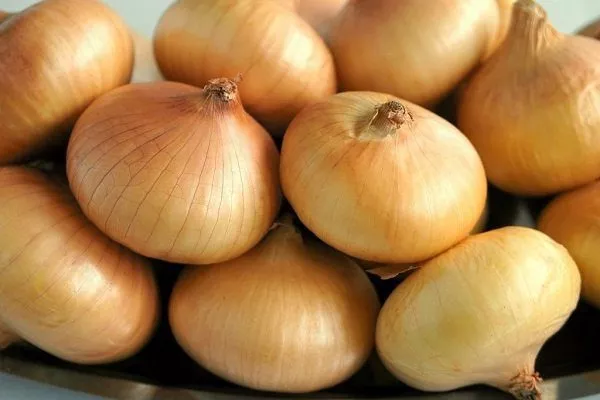
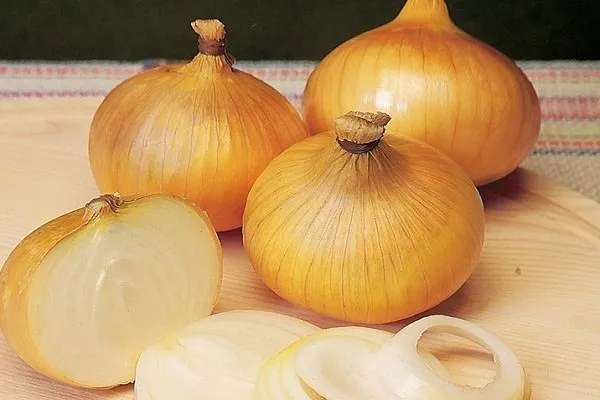
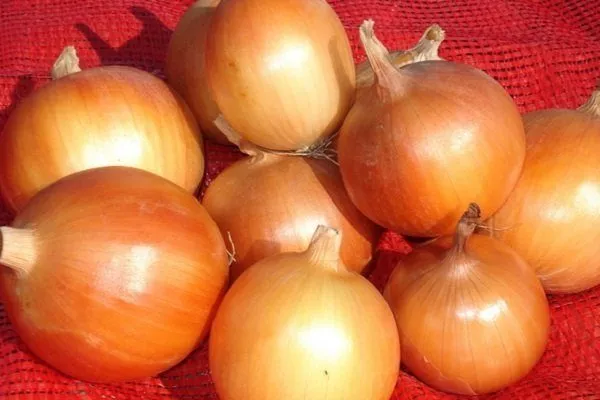
- SettonA mid-season variety with a long shelf life and excellent flavor, Setton produces a magnificent harvest. Under favorable conditions, up to 50 kg of onions can be harvested from a 10 square meter plot. The average weight of an onion is 150 g. The peel is yellow, and the flesh is creamy. The harvest is three months after planting.
- AlekoThis variety is mid-season. The harvest is 100 days after planting. The fruits are not very large, weighing no more than 60 g. The flesh is purple and the flavor is rich. Regardless of the planting method, the yield remains consistently high, reaching 94%. A 10 square meter plot can yield almost 20 kg of vegetables.
- KabaA late-ripening variety with light flesh and a semi-sharp flavor. The maximum bulb size is 150 g. It is best grown from seed. Its drawback is low resistance to powdery mildew and onion fly.
- FarmerThis late-ripening variety is chosen for long-term storage. Harvest can be expected no earlier than 130 days after planting. The bulbs grow massive. A single bulb can weigh up to 250-350 g. The flesh is white, with a characteristic crunch and a sharp flavor, while the scales are brown with a golden hue. The plant is resistant to fungal attacks.
- GloboA late-ripening variety that produces a high yield. The recommended planting method is from seedlings. Onions require additional mineral nutrition. Since seedlings are grown in March, it is necessary to provide them with adequate light. The fruit flesh is juicy and has a delicate aroma.
It's recommended to plant several onion varieties in a plot. This rule is especially important when using new hybrids.
Soil requirements
Onions are not particularly demanding plants, but high yields can only be achieved under optimal growing conditions. One of these requirements is the right soil.
Onions can grow in sandy loam and loamy soils. The seeds don't thrive in clay soil, as it's too dense for them. To combat this problem, add sand to the bed.
Soil acidity is an important parameter for a good harvest. Optimal pH values range from 6.4 to 7.9. Acidic soils need to be alkalized. This is done with slaked lime, chalk, or dolomite flour.
If the seeds are sown in loamy soil, the fruits will grow deliciously. High yields can be achieved in sandy loam soils.
Soil moisture deficiency negatively impacts yield. Under such conditions, plants grow poorly, and the fruits are small. Active soil moisture is needed early in the crop's development and during fruit formation. Once the fruits ripen, watering is reduced. It's important not to overwater, as too much will prolong the growing season. Carrots store poorly and are more susceptible to various diseases.
The site should be chosen so that it receives as much sunlight as possible. The plant, regardless of the variety chosen, does not grow well in the shade.
The optimal soil is one in which the following plants have been grown before:
- cucumbers;
- zucchini;
- tomatoes;
- legumes;
- potato.
Any other greens, such as dill, lettuce, and parsley, are considered excellent companions for onions. They also thrive with beets and carrots. Onions don't drain the soil of all its nutrients, so other sun-loving plants can be planted in the same area next year.
Planting dates
Most gardeners plant onions outdoors in May. At this time, the soil is sufficiently moist. These conditions are considered optimal for rapid bulb growth. The exact timing depends on the prevailing climate in a particular area.
It's important to pay attention to the weather on the day you plan to plant. If it's cool outside and the air is saturated with moisture, it's best to delay sowing the seeds. The soil temperature should be at least 12-15 degrees Celsius. Planting in cold soil will result in a poor harvest and an abundance of bolting.
Many gardeners rely not only on weather conditions but also on the lunar calendar, whose dates change depending on the year.
Onions are planted for winter in October or early November. It's important to allow a month before severe frosts. For example, in the Urals, winter onions are planted in late September, while in the south, they're planted in mid-November. About 14 days pass from planting until the plant takes root. The optimal air temperature is 5°C (41°F). Even if a 1-2 cm feather appears after sowing the seeds, don't worry. These plants overwinter well.
Methods of planting in open ground
There are three ways to plant onions in open ground:
- seeds;
- seedlings;
- onion sets.
Each method has certain features that must be taken into account to obtain a good harvest.
Seeds
Before planting seeds in the soil, you need to ensure they germinate. To do this, place several seeds in a damp cloth and place them in a warm place. If sprouts appear after a few days, you can begin planting them in the soil.
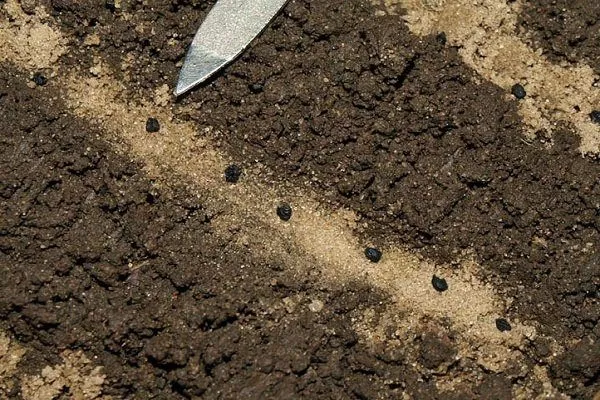
Store-bought seeds don't require any additional treatment. If they were grown home-grown, they are additionally disinfected with fungicides. A weak solution of potassium permanganate has good antiseptic properties. The seeds are soaked in it for 24 hours. To improve germination, they are soaked in hot water for half an hour and then in aloe vera juice for another 30 minutes. After this treatment, the seeds are placed in a cloth bag for 3-4 days and then immersed in water for 1.5 days. During this time, the water should be changed at least three times.
The prepared seeds are poured onto a damp cloth, covering them with a second layer of cloth. After two days, they will begin to sprout, after which you can begin planting.
The seeds are introduced into the soil using a ribbon technique, after loosening the soil first. The distance between seeds should be at least 1.5 cm. The furrows should be compacted to remove any remaining air. The soil is mulched with peat and then carefully watered to prevent erosion. To create optimal conditions for seed germination, the bed is covered with plastic. The plastic is removed after the seedlings emerge.
Seedlings
Seedlings are sown in March or late February. Pre-planting treatments are as follows:
- disinfection of seeds with potassium permanganate;
- activation in boiled water;
- planting seeds in boxes;
- Seedling care: regular watering and fertilizing, fertilizers are applied 2 weeks after emergence.
The bulbs can be planted outdoors once they have at least three leaves. To ensure easy removal from the containers, water the bulbs. Remove the seedlings from the original soil carefully to avoid damaging the future roots. Trim off any roots longer than 4 cm.
Step-by-step instructions for planting onion seedlings in open beds:
- The bed is watered with hot water, leveled and covered with polyethylene.
- After three days, make furrows in the prepared soil. The distance between rows should be at least 20 cm. If the fruits are large, the distance should be increased to 3 cm.
- The seedlings are placed into holes every 10 cm.
- The plant is planted 2.5 cm deep into the soil. To eliminate any air pockets, the soil is pressed down around the roots.
- To prevent onions from being damaged by frost, they are covered with a suitable material at night.
- During the first few days, you need to water the onions regularly, every 2 days.
- After three days, loosen the soil. This should be done with extreme caution to avoid damaging the plant's root system.
If all conditions are met, the seedlings will grow quickly.
Onion sets
Before planting onion sets in open soil, they need to be properly prepared. To do this, follow these steps:
- soak the onion sets in a weak solution of potassium permanganate;
- dry the bulbs at a temperature of 20 degrees, drying time is 20 minutes;
- warm up the seed onions for 10 hours at a temperature of 40 degrees;
- If desired, the seeds can be treated with a growth stimulant.
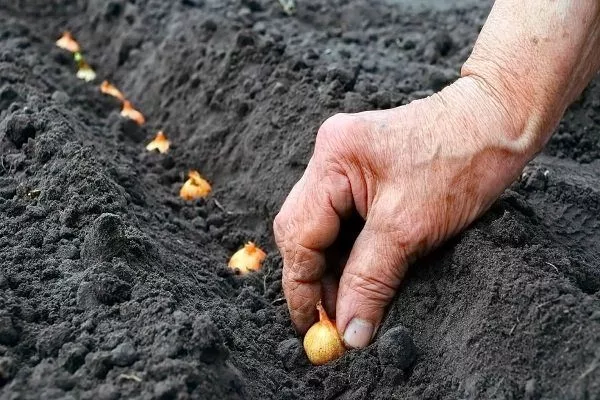
Plant the onion sets in even rows, spaced 25 cm apart. Bury the bulbs to a depth of 4 cm. Space the seeds 5-10 cm apart. This space can be increased if planting a variety with large roots. Once all the onion sets are in the bed, mulch them with peat. If planted correctly, seedlings can be expected within 10 days.
Caring for the crop
After planting, it's important to properly care for your onions. Regularly weed the soil, water the plants, fertilize them, and thin them out if necessary.
If the soil is moist, the first full watering should be done after two weeks. If the soil is dry, water should be added sooner than 10 days later. The soil should remain moist and loose. This is especially important during the initial stage of onion growth. The frequency of watering depends on the amount of seasonal rainfall. Watering should be stopped in June.
Thinning is necessary when planting onions from seeds or when planting sets in bunches. It's important to do this promptly, before the plant has more than four leaves. Thinning too late will result in a small harvest.
During the growing season, apply two additional fertilizers. The first application is in May, using organic matter. The second application is in mid-June. Phosphate-potassium fertilizers are best suited for this purpose.
Onions thrive on organic fertilizers. They are essential in soils with insufficient fertility, but experienced gardeners do not recommend adding fresh manure to the soil.
Diseases and pests
Onions are susceptible to various diseases and pests, which can completely destroy the crop. To prevent this, pest control must begin as early as possible.
The most common diseases and pests of onions:
- Powdery mildewRainy summers promote its spread. The fungus causes the plant to lose its viability. To combat the infection, beds are treated with special products such as Baikal EM. Seedlings are disinfected in a potassium permanganate solution. To reduce the risk of spreading the disease, leave sufficient space between seeds. If the disease has already affected plants, use control products such as Fitosporin, Trichodermin, and Fitocide M. At the early stages of powdery mildew, it can be controlled with a garlic decoction. To prepare it, 600 g of garlic bulbs are boiled in 10 liters of water for 3 hours. The resulting mixture is diluted and applied to the beds for a week.
- Gray moldThe disease affects the neck of the plant and negatively impacts the shelf life of the harvest. To prevent it, onions are sprayed with triazole fungicides in June.
- RustAffects onion leaves. To combat the disease, spray onions with compounds containing copper oxychloride. After treatment, the leaves become inedible.
- Onion flyThis pest causes the plant to stop growing, turn yellow, and eventually die. The insect larvae eat the bulb from the inside. Folk remedies with a strong odor are used to combat these pests. Ammonia and ammonia have proven effective. To prepare the solution, dilute 3 tablespoons of the chosen solution in 10 liters of water. Water the plants carefully, avoiding contact with the leaves.
Pests and diseases don't always affect onions. Sometimes the crop remains completely healthy throughout the entire growing season. This means all planting and care guidelines were followed.
Harvesting and storage
Onion harvesting begins in August or September. The plant's maturity is indicated by yellowed leaves held by thin stems. The skins become a vibrant, rich color. The bulbs should be dug out of the ground in dry, sunny weather.
The bulbs are easily removed from loose soil by hand. Heavy soil is dug with a pitchfork or shovel. After removing the bulbs, they must be cleared of soil by hand. Choose a sunny location for drying. Lay the bulbs in rows, with all the leaves facing the same direction. The harvest is placed on a cloth; do not leave it on the ground.
It's convenient to dry onions in bunches by tying the leaves together and hanging them in a draft. The average drying time is 14 days.
Before storing onions, they should be carefully inspected, removing any defective bulbs. The roots should be trimmed without damaging the plant's base. The harvest should be placed in baskets or boxes that allow air to pass through. Plastic bags should not be used. Optimal storage conditions for onions:
- air temperature – from -3 to -1 degrees;
- air humidity – 70-80%.
From time to time, the plants need to be sorted out, removing spoiled fruits.
For information on how to properly harvest and store onions, watch the following video:
If you choose your seeds wisely, choose the right planting location, and carefully care for your onions, you'll surely enjoy a bountiful harvest. With proper care, you can enjoy onions grown in your own garden until late spring.