
Onions are one of the vegetables that are planted before winter to ensure an early harvest. But to do this, you need to know a few rules—about selecting seeds, preparing the soil and beds, and much more. Read on to learn about these rules and what you need to do.
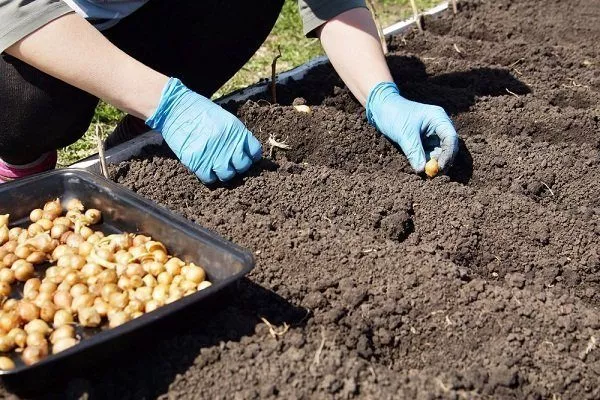
The pros and cons of planting onions in the fall before winter
Planting onions in autumn has its advantages and disadvantages.
Pros:
- Early harvest. Planting onions before winter allows you to harvest 20-30 days earlier than if you planted them in the spring. And if you build a greenhouse over the beds, the ripening period is reduced by another 10 days.
- Lack of bolting. Small bulbs used for winter planting do not produce bolting, while large onion sets always bolt.
- A healthy harvest. Natural selection during overwintering in open ground ensures you'll only get healthy crops.
- Less weeding. Weeds can't compete with early onion shoots, so the crop doesn't require weeding in the early stages due to the complete absence of weeds.
- Fewer pests. Various types of harmful insects are still dormant when early onions sprout.
- Adequate moisture. After winter, the snow melts, providing the soil with plenty of water, which is sometimes lacking for bulbs planted in the spring.
- A strong root system allows for larger, more succulent bulbs.
- Storage. Onions planted before winter store very well; the key is to dry them, braid them, and hang them.
But there are also cons:
- difficulty in determining the optimal time frame for carrying out work;
- not all the onion sets manage to sprout in the spring;
- If you make a mistake with the planting time, the harvest amount will be significantly reduced;
- The yield of winter onions is less than the yield of summer onions.
Which varieties are suitable for winter planting?
| Name | Cold resistance | Ripening period | Bulb size |
|---|---|---|---|
| Shakespeare | High | Early | Large |
| Arzamas | Average | Average | Average |
| Stuttgarter Riesen | High | Early | Large |
| Senshui | High | Early | Large |
| Kip-Vel | Average | Average | Average |
| Bessonovsky | High | Early | Large |
| Red Baron | Average | Average | Average |
| Ellan | High | Early | Large |
| Carmen MS | Average | Average | Average |
| Danilovsky | High | Early | Large |
| Strigunovsky | High | Early | Large |
| Radar | Average | Average | Average |
| Myagkovsky-300 | High | Early | Large |
| Odintsovets | Average | Average | Average |
| Chalcedony | High | Early | Large |
- ✓ Resistance to low temperatures below -15°C without snow cover.
- ✓ Ability to quickly take root before the onset of persistent frosts.
- ✓ Minimal tendency to bolt during spring temperature fluctuations.
Not all varieties of onions are suitable for planting winter onions, even if they include local varieties zoned for a given area, or those grown from seed. It's best to choose hybrid varieties or those suitable for medium and short daylight hours.
Winter onion varieties must meet the following requirements:
- to endure cold;
- provide maximum germination;
- grow quickly and actively in spring;
- form a healthy, strong bulb.
If you are planning to plant a crop for the winter, choose from the following varieties:
- Shakespeare;

- Arzamas;
- Stuttgarter Riesen;
- Senshui;
- Kip-Vel;
- Bessonovsky;
- Red Baron;
- Ellan;
- Carmen MC;
- Danilovsky;
- Strigunovsky;
- Radar;
- Myagkovsky-300;
- Odintsovets;
- Chalcedony.
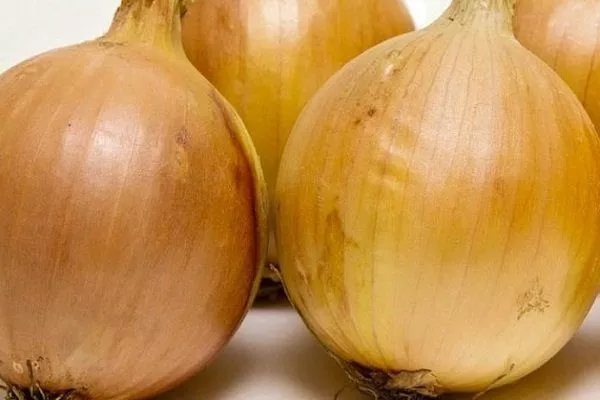
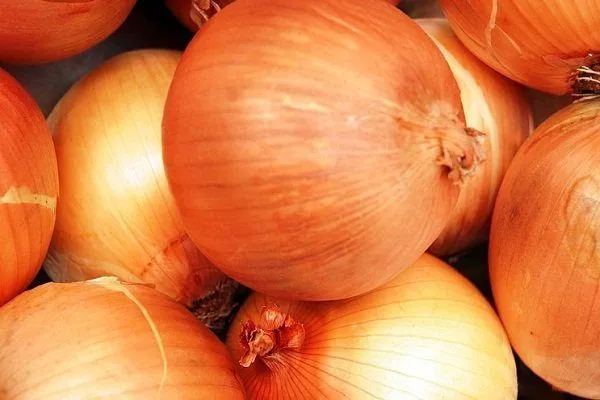
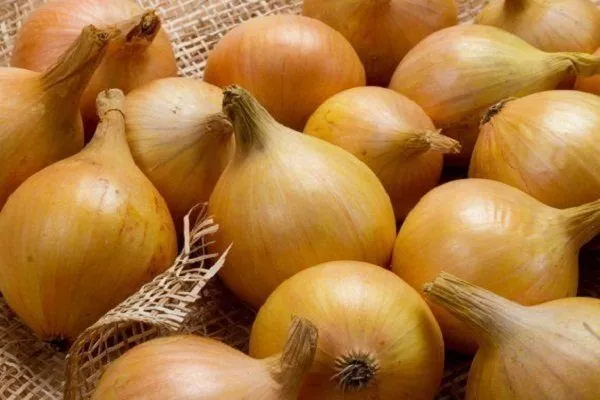
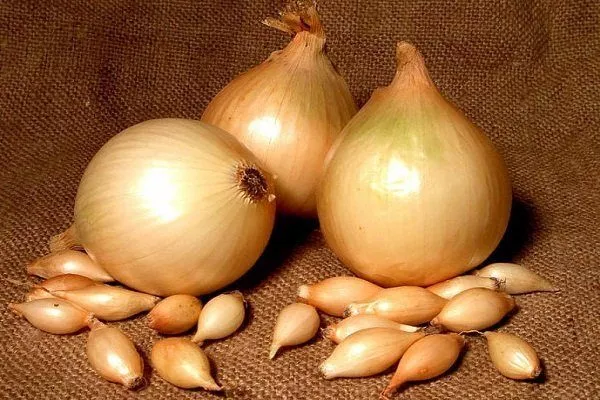
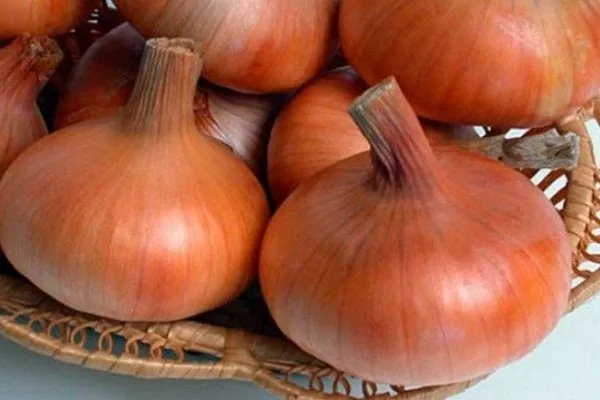
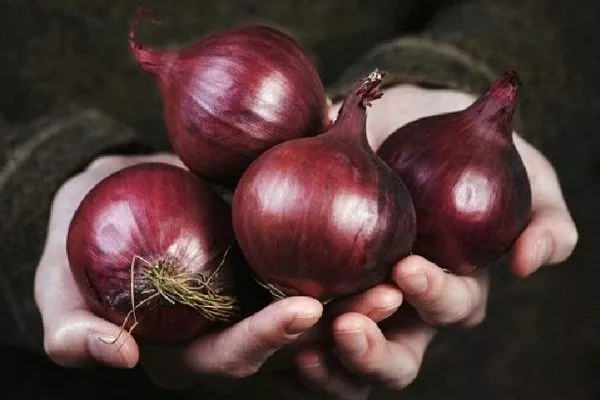
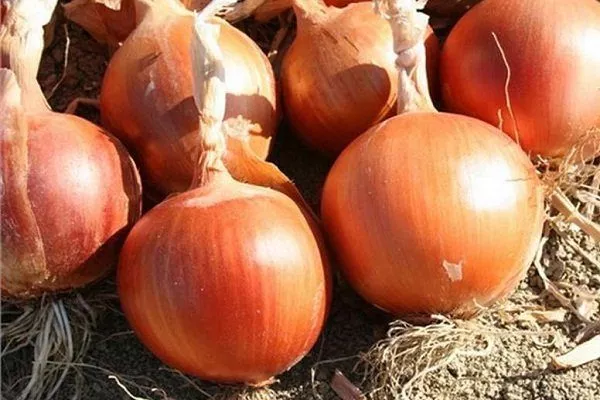
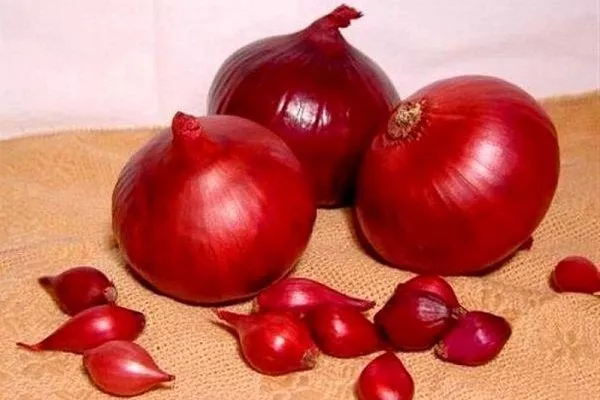
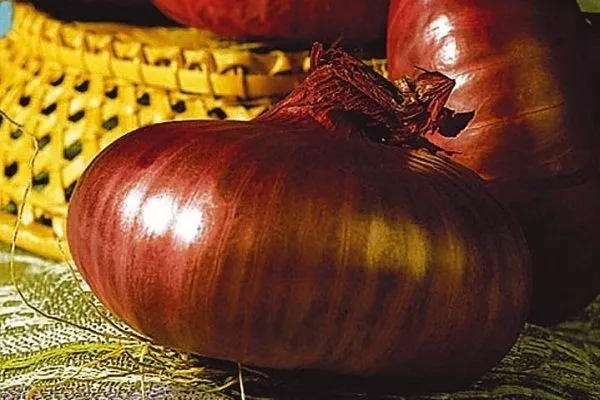
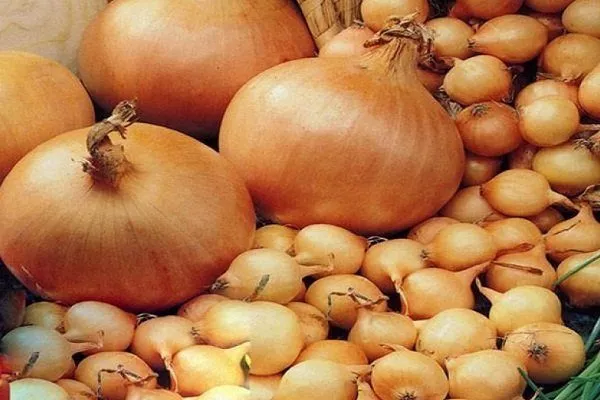
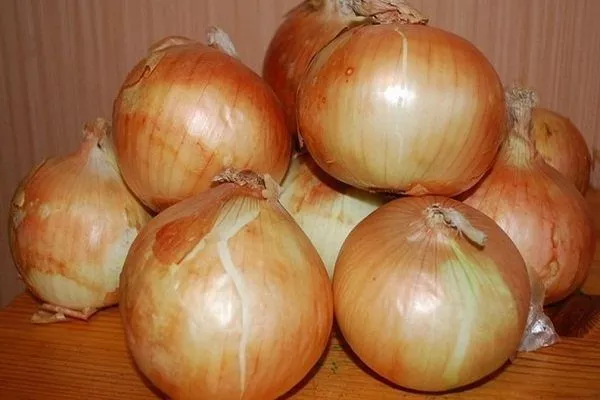
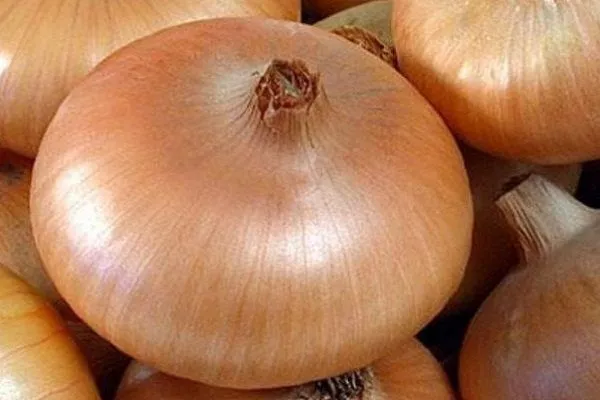
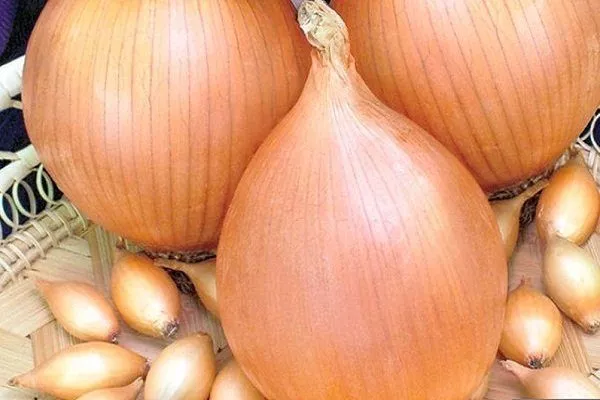
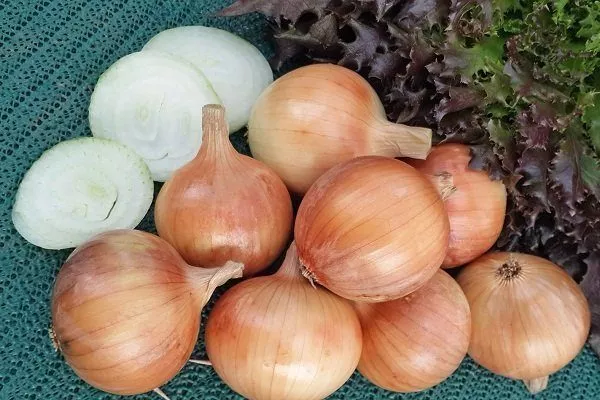
Pay special attention to Bessonovsky and Strigunovsky varieties – they are considered more resistant to bolting and are early-ripening, meaning the harvest will be ready by the end of June.
For autumn planting before winter in northern regions, one cannot use varieties that are planted in southern regions, and vice versa.
Landing conditions
It's best to plant winter onions before the first frost sets in. This usually occurs in October. Some gardeners recommend planting at the end of November, but this is incorrect – time your planting so the seedlings have time to take root but not sprout.
To determine the exact time, monitor the air temperature - if it remains at 6 degrees for a week, and a cold snap is expected, then this is the ideal time for planting.
For planting, select onion varieties zoned for the given region, with a dormant period lasting from December 15 to January 15. The diameter of the planted sets should not exceed 1 cm, and prepare the soil for planting in advance by adding humus, ash, and fertilizer, then digging the area deeply.
The beds should be raised, as onions grown in low soil can freeze in winter or become waterlogged in spring. The onions should be covered with at least 4 cm of soil once planted.
Planting dates
Until recently, planting onions before winter was not very common, especially in colder regions of our country. If you decide to undertake this procedure, you should be aware of the timing of planting winter onions.
Depending on the region
Russia's vast territory means that weather conditions vary across the regions. For this same reason, onion planting times vary.
Depending on the region, the deadlines vary as follows:
- Ural. Winters here are cold and snowy, so frost-hardy varieties are used for planting. Planting occurs at the turn of September and October, so the bulbs have time to root before frost sets in, but before sprouts begin to form.
- Siberia. The region is known for its frosts, and gardeners often avoid planting winter onions altogether. Planting is typically done around September. Be sure to select a frost-resistant variety and cover the beds for the winter.
- Krasnodar Krai. The weather is unstable: October can be rainy, frosts can hit at the end of the month, and then warmer weather can begin in November. It's important to stay on track and remember that winter onion planting can be done on any favorable day between October 20 and November 20.
- Moscow region. Here, gardeners delay planting until the very last minute, leaving only a month to plant onions—from September 20th to October 20th. During this period, the weather is usually warm and dry, making it ideal for winter onion planting.
- South. The favorable period for planting is considered to be the period from October 20 to November 15.
- Leningrad region. Here, winter onions are planted in the first ten days of October, and the best varieties are considered to be those that are zoned for a given region.
According to the lunar calendar
It's important to understand that the lunar calendar changes slightly each year, as the lunar phase, which is used to calculate favorable and unfavorable days, shifts each year. According to the lunar phases, sowing in 2019 should be done on the following favorable days:
- September – 9, 13, 19;
- October – 6-7, 16;
- November – 7, 12, 14;
- December – 6,17.
Favorable days for harvesting early greens:
- September – 5, 23, 25-27;
- October – 3-4, 20-22, 25, 30;
- November – 1-3, 19-20, 25, 30.
Planting technology
Once you've decided on the timing, you need to begin planting. To do this, familiarize yourself with the technology for planting winter onions.
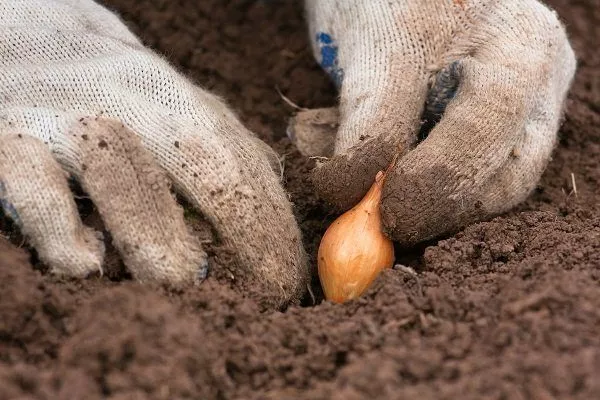
Choosing a location
Before planting onions, you need to decide the most important question: where exactly to plant them? Onions prefer loose, neutral soil (pH 6.0).
You can determine your soil's pH by purchasing a jar of litmus paper and a scale from any gardening store. Stir the soil in a glass of water for 15 minutes and then add the litmus paper. Wait 5 seconds and compare the color of the indicator with the scale. Depending on the result, you'll know whether you need to add lime at a rate of 250 grams per square meter or whether you can plant the plant immediately.
To ensure full onion development and a high yield, pay attention to the following factors:
- study what plants were grown in this place last season;
- Onions are a light-loving vegetable and require sunny areas protected from the wind by tall plants;
- Onion beds need to be cleared of weeds, as pests survive in them during the winter, and the plants themselves take away moisture and nutrients.
Before fall planting, it's recommended to disinfect the soil with a copper sulfate solution and fertilize it. Strong bulbs grow when a mixture of peat, wood ash, humus, potassium salt, and superphosphate is added to loose soil.
Arrangement of beds
Regardless of the onion variety, plant it in prepared and tilled soil. After the soil has been tilled, allow it to settle and compact before planting. The bed should be about 18-20 cm high, as a low bed will not provide protection from frost.
Crop rotation rules
To ensure a good harvest, follow planting and care guidelines. Poorly chosen neighboring plants or predecessors can harm the vegetable, while some, on the contrary, can help it thrive.
It is better to plant onions after crops that loosen the soil and saturate it with nutrients:
- mustard;
- phacelia;
- peas;
- any grains except oats;
- rape;
- vetch;
- beans.
It is also permissible to plant onions after the following vegetables:
- tomatoes;
- corn;
- salad;
- cabbage;
- cucumbers.
Since onions are root vegetables, it is believed that it is better to plant them after crops with a root system that goes deep into the ground.
Winter onions can also be planted after radishes, carrots, and beets, but only if these crops are fully harvested by the end of July. Many gardeners recommend planting winter onions after potatoes, but this can lead to damage from nematodes or wireworms.
There are many crop rotation schemes, such as a three-year cycle where leafy vegetables are grown in the same bed first, followed by fruit-bearing vegetables in the second year, and root vegetables in the third.
It is not recommended to plant winter onions after:
- celery;
- beans;
- alfalfa;
- radishes;
- parsley;
- red clover.
Planting winter onions in beds where the crop grew in the summer is only possible when there are no other options, and only if it has grown in the same place for no more than 2 years.
Preparation of seed material
Before sowing, the planting material is sorted, divided by size into:
- wild oats - with a bulb diameter of 1 cm;
- 1st category onion sets – 1-1.5 cm in size;
- 2nd category onion sets – 1.5-3 cm;
- onion selection – more than 3 cm in diameter.
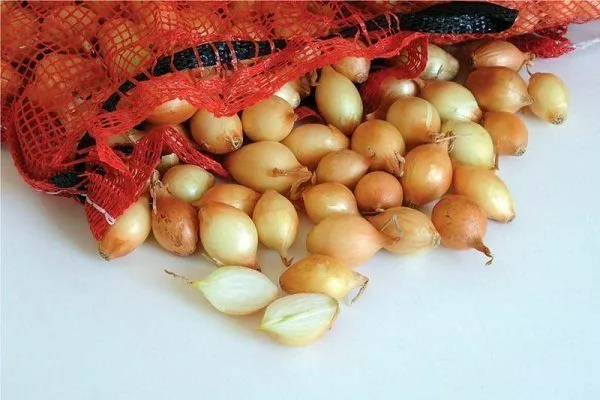
The smallest seeds produce the largest bulbs. These "small" seeds have a limited supply of nutrients, not enough for bolting, which significantly reduces the risk of crop damage, even during spring frosts.
The issue of disinfecting and subsequently drying seed material remains controversial. Proper drying is challenging – sowing raw bulbs risks freezing in the event of an unexpected frost before rooting, and overdrying leads to the loss of a future harvest.
Onion planting procedure
Planting onions has its own unique challenges. First, you need to sort the planting material to ensure uniform plantings. Arrange the bulbs by size, then you can begin the main steps:
- Dig up the area. Don't sow onions in the same spot for more than two years in a row—the soil needs to rest for two to three years. Follow the crop rotation rules discussed above.
- The soil should be drained, add humus and minerals when digging. fertilizersIt is recommended to sprinkle ash or dolomite flour immediately before planting.
- After the soil has settled, level the area with a rake and make furrows approximately 5-7 cm deep. The distance between furrows should be at least 20 cm.
- Place or plant the onion sets so that the collar is 1.5-2 cm below ground level. The distance between furrows should be 7-10 cm.
- To obtain early greens, the onion sets are planted in nests of 4-6 bulbs.
- Before planting, the onions are not soaked or the neck is trimmed, as is done in the case of spring planting.
- Sprinkle soil on top, compact it a little, and if desired, you can sprinkle it with humus or sawdust.
- 10 days after planting, provided there has been no rain, you can water the onions.
- When frost sets in, mulch the soil.
If the procedure is performed correctly, seedlings will appear in late February – early March.
Caring for onions after planting in autumn
Caring for winter onions in spring and summer is fairly simple: water, feed, weed, and occasionally thin them. Proper planting and subsequent care ensure a high-quality harvest.
How to cover garden beds?
Two weeks after planting the onions, the beds should be mulched with fallen leaves, hay, spruce branches, and peat. Don't cover them any earlier, otherwise the onion sets will be too warm and will sprout if the autumn is dry, but if it's damp, they'll get soggy.
- Immediately cover the beds with an additional layer of mulch (straw, sawdust) at least 5 cm thick.
- If there is no mulch, use agrofibre, securing it along the edges.
- After the temperature has stabilized, check the condition of the bulbs and thin them out if necessary.
If winters are very cold and snowless, the mulch layer should be thicker. If the beds are covered with lightweight material, place branches on top to prevent it from blowing away.
Covering a bed covered with fallen leaves with plastic is not recommended, as it doesn't allow air to pass through and condensation will form underneath. In winter, the onion sets will either freeze or rot.
If the winter is mild, you don't need to mulch the bed—everything adapts to the weather conditions of a particular region. For winter onions, the most important thing is that the soil doesn't freeze before rooting.
Once the cold weather ends, do not delay removing the insulation, as the bulbs will rot under the film, but the soil will warm up more slowly.
Protection from diseases and pests
After winter, onions are susceptible to a wide variety of diseases. This can be caused by poor-quality planting material or improper crop rotation.
To prevent diseases, the harvested crop is dried for several days in the sun or indoors at a temperature of +40 degrees.
| Disease | Symptoms | Control or prevention |
| White rot. | The leaves turn yellow and die. The plant dies and withers. | It is necessary to initially take healthy planting material, and also dry the harvest after collection. |
| Downy mildew. | The leaves turn yellow and dry out. A coating and pale spots appear on the feathers. | Remove affected onion sprouts, reduce the amount of organic fertilizers. |
| Rust. | The leaves dry out and light yellow convex pads appear on them. | Remove diseased plants and loosen the soil during the growing season. |
| Onion mosaic. | Affects feathers and inflorescences, transmitted by onion mites. | Remove diseased bulbs, control the disease carrier and select healthy planting material. |
| Black mold. | It attacks the upper scales, softens the bulbs, and severely affects unripe, undried turnips. | It is necessary to collect fully ripe fruits and dry them for 7-10 days at +35. |
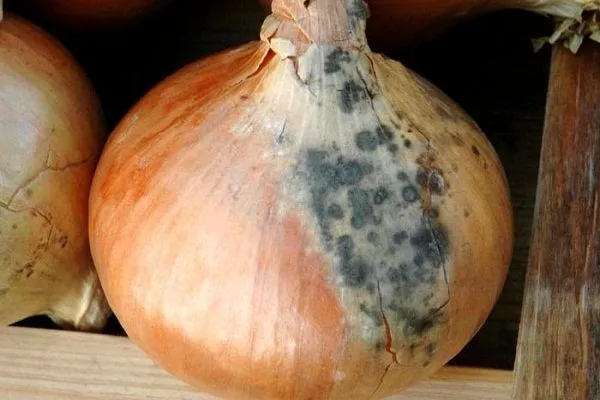
But it’s not only diseases that are dangerous for onions – pests eat the pulp, leaves, lay eggs, and often carry the same diseases.
| Pest | Symptoms | Methods of control or prevention |
| Root mite. | They gnaw through the bottoms of bulbs, feed on scales, and cause rotting. | Warm up the seedlings, disinfect storage facilities with sulfur dioxide gas. |
| Onion fly. | The larvae eat young bulbs. | Planting onions and carrots next to each other in winter, mulching with peat, treating with tobacco infusion. |
| Mole cricket. | Eats the roots and stems of plants. | Use the drug "Medvedtox". |
| Stem nematode. | It attacks turnips and greens, causing various deformations and stunted growth. The bulbs become loose and gray. | Warm up the sets and seeds, and maintain crop rotation. Dry and warm up the onions before storing. |
| Onion thrips. | Damages leaves - first white-silver spots appear, then the leaves turn yellow and die. | The preparation "Iskra DE" (1 tablet per bucket) - spray 100 sq.m. |
Top dressing
Start applying fertilizer as soon as the first shoots appear, using the following scheme:
- when the first feathers appear, use nitrogen fertilizer (a mixture of superphosphate, urea and potassium chloride in a ratio of 3:2:1);
- 2-3 weeks after the first fertilization, add a solution of nitrophoska (2 tablespoons per 10 liters of water);
- If the head has grown to a diameter of 3 cm, add a superphosphate solution or Effecton O fertilizer.
Watering
Onions should not be under-watered during the leaf-emerging and bulb-forming stages. Watering should be moderate and frequent, but reduce it while the onions are ripening for bulbing, and stop completely a month before harvest. Excess watering inhibits fruit ripening and promotes leaf growth.
Harvesting and storage of crops
Harvest timing depends on the variety. Climate, soil, weather, and other factors also play a role. The earliest harvest is by the end of May, but the average time is June or July. Gardeners leave the dug-up bulbs in the beds for 2-3 days. They need to be turned periodically to ensure all sides dry.
Once dried, you can trim the bulbs and store them. Use mesh bags, pantyhose, or containers with holes for storage. Humidity levels should not exceed 80%.
Reviews of autumn onion planting
Growing Winter Onions (Video Tips)
In the following video, you'll find a wealth of helpful practical tips on planting onions in the fall before winter from an experienced gardener:
The timing of onion planting in the fall before winter is determined by the weather. Growing a winter crop reduces the amount of work required in the spring and allows for an early harvest. Selecting a good variety, preparing the planting site, and knowing the planting procedure are essential.