
The Pobeda onion has gained widespread popularity due to its low maintenance, excellent taste, and beneficial properties. It attracts attention with its elegant green shoots and aromatic leaves. It is renowned for its unique health-promoting properties thanks to its high content of biologically active substances. Timely care is essential for this crop.
Botanical description
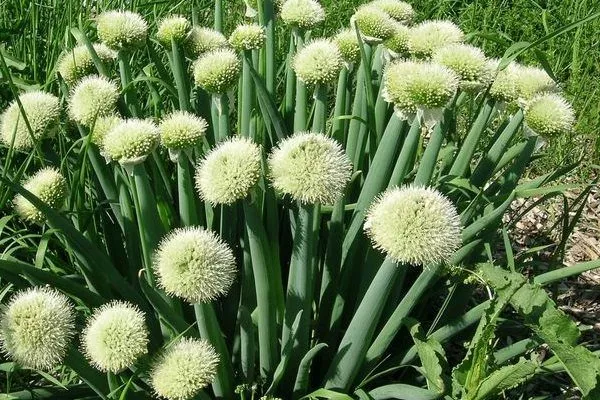
The Siberian wild garlic, also known as the Siberian ramson, is a perennial plant. It forms a vertical rosette of dark green, succulent, and tender leaves. The stems can reach a height of 30 to 70 cm.
The bulbs are conical-cylindrical, and their dry scales are light brown or grayish-brown. This variety is characterized by high yields and good transportability. The average yield is 1.6 kg per square meter.
Taste characteristics
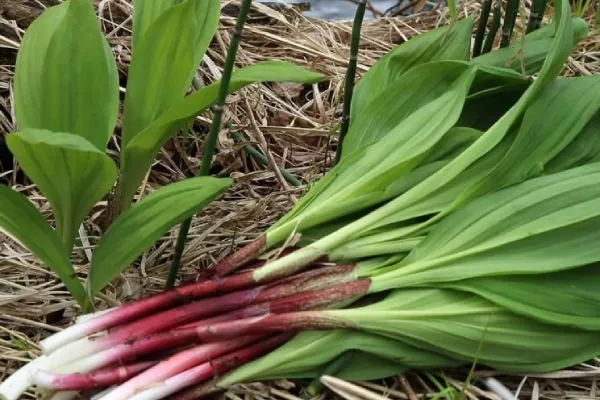
Onions are used both fresh and for canning. Their mild flavor makes them an excellent addition to a variety of dishes.
Chemical composition
All parts of the onion are rich in carbohydrates, essential oils (0.007%), prostaglandins and sulfur-containing compounds such as alliin and allyl isothiocyanate.
They contain the following substances:
- ascorbic acid (vitamin C) in a concentration of up to 750 mg% (in bulbs 50-100 mg%, in fresh leaves up to 7 mg%);
- flavonoids;
- saponins;
- aliphatic aldehydes;
- phenolic acids;
- phytoncides;
- mucus;
- sugar (0.3%;
- citric acid (0.05%);
- microelements: iron, manganese, zinc, copper, chromium, molybdenum and others.
Economic significance and application
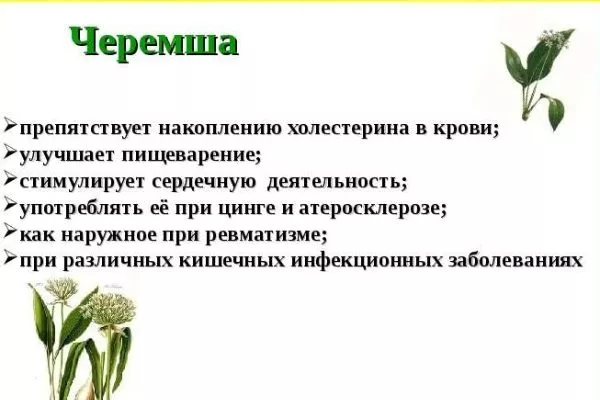
It has strong phytoncidal properties, which provide its antiscorbutic and antiviral effects. The plant helps lower blood pressure, improves intestinal motility, promotes the normal development of intestinal flora, and increases the amplitude and regularity of heartbeats.
The culture is distinguished by its anti-sclerotic, bactericidal, bacteriostatic, antifungal and antihelminthic properties.
Wild garlic is widely used in traditional medicine in various countries:
- In Mongolian and Bulgarian medicine, wild garlic is used for atherosclerosis, hypertension, flu prevention, treatment of calluses and warts, and as an anti-gout remedy.
- In Tibetan medicine it is used for bronchitis, neuroses, neurasthenia and gynecological diseases (inflammatory processes, amenorrhea).
- In Russian folk medicine, wild garlic leaves are applied to the eyes for conjunctivitis and are recommended as food for weakened vision.
- In Siberia, infusion and tincture of wild garlic are used for bronchitis, rheumatism, fever, gastrointestinal diseases, and as a diaphoretic and appetite and digestion improver.
In the Caucasus, Victory Onion is used to treat various intestinal infectious diseases.
Planting wild garlic of the Pobeda variety
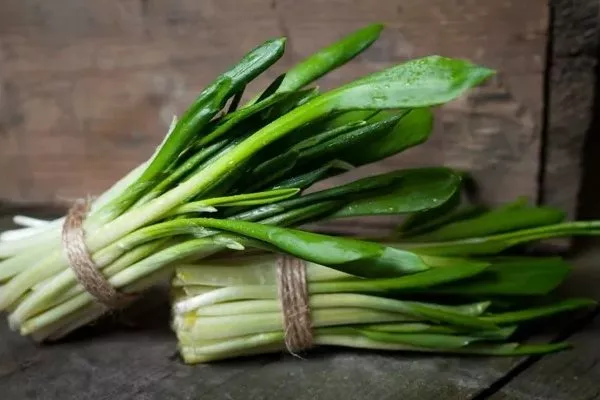
This crop is undemanding, resilient, and highly beneficial for gardeners due to its low maintenance requirements. Proper cultivation is essential for good growth and abundant harvests.
Landing site
It thrives in a variety of locations: in the shade, near shrubs and trees, and next to outbuildings and fences. This is especially beneficial for modern, small plots. The ideal location for growing onions is near bodies of water and various buildings, preferably in shaded areas.
- ✓ Take into account the groundwater level: it should be no closer than 1.5 m to the surface.
- ✓ Provide protection from strong winds that can damage delicate leaves.
Soil
It thrives in mixed forests with moist, loose soil. In autumn, fallen leaves cover the areas where wild garlic grows until spring. It's easy to create conditions in the garden that closely resemble natural ones.
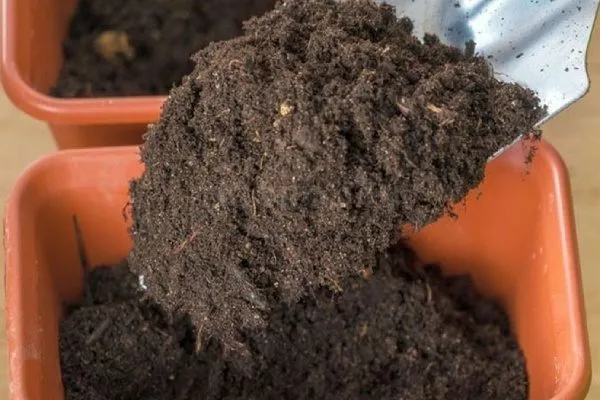
For optimal growth, the plant requires loose, deeply tilled soil (40-45 cm) and enriched with organic fertilizer. When planting, apply additional fertilizer:
- superphosphate (35-40 g);
- potassium salt (15-20 g);
- ammonium nitrate (15-20 g);
- compost or rotted manure (10 kg per 1 sq. m).
Sowing seeds
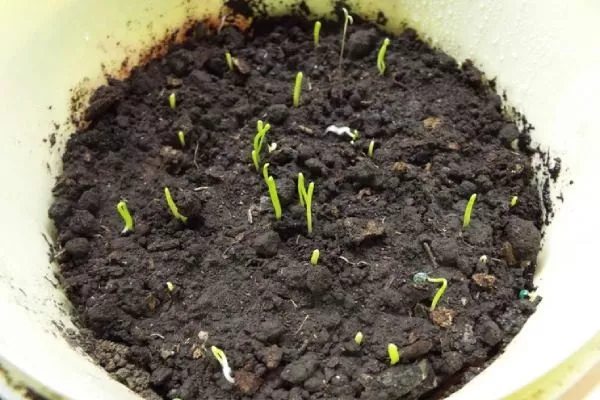
For successful cultivation, collect the seeds promptly; they begin to form and fall in early July. Sow them the same year, as germination declines over time. Sow the seeds in well-dug, deeply loosened, moist soil.
Follow these recommendations:
- The optimal time for sowing is autumn, late September - early October.
- Plant seeds at a depth of 2-3 cm. The harvest will only be possible three years after sowing.
- In the spring, wild garlic sprouts tender and fragile shoots that are easily damaged by weeding or tillage. Therefore, many gardeners first sow the seeds in boxes. In the fall, they are dug into the garden, covered with snow for protection.
- Immediately fence off the planting area to avoid trampling.
- Dig up the area thoroughly, remove weeds and apply fertilizer.
- Make shallow furrows (up to 5 cm) and sow the seeds, distributing them evenly at a rate of 10 g per square meter. Sprinkle the seeds with loose soil and compact them lightly.
Vegetative method
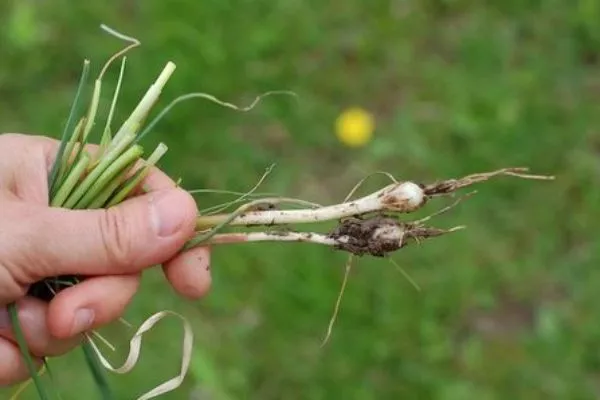
Plant wild garlic in early spring or fall. When planting, ensure that the above-ground portion of the bulb, specifically the interwoven "mesh," is above ground. Maintain a distance of 15-20 cm between them and 20-25 cm between rows, at a depth of 5-7 cm or 2-3 cm, depending on the bulb's size.
After planting, cover the bulbs with a 5-6 cm layer of loose soil. Transplant them between July and September, when they are dormant and can easily tolerate disturbance.
Caring for wild garlic of the Pobeda variety
This is an easy-to-grow crop that requires minimal care. It's important to follow a few standard agricultural practices.
Watering and fertilizing
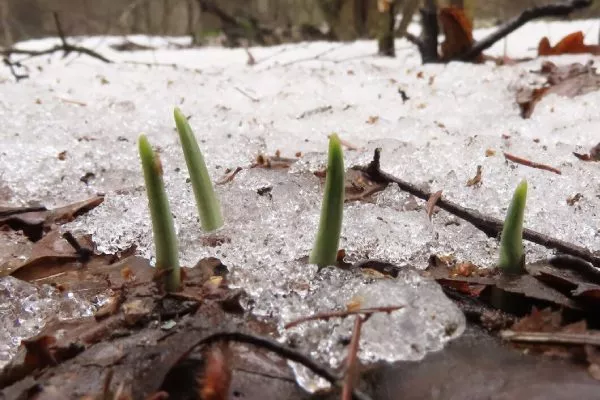
As soon as the first shoots appear, carefully clear the area of last year's vegetation. Maintain soil moisture throughout the growing season. Stop watering in mid-July, when the plant's leaves begin to turn yellow.
In mid-April, apply the first fertilizer using nitrogen fertilizer – 15-20 g of urea per 10 liters of water. In May-June, apply a mineral solution – 30-40 g of wood ash per 10 liters of water.
Powder
From the second year onward, regularly add soil around the plantings or compact them with fallen leaves. A thin layer of foliage creates favorable conditions for the plant's development, bringing it closer to natural conditions. This reduces the need for fertilizer.
Wintering
The Pobeda onion does not require additional insulation. However, if winter is light on snow, cover the plant areas with straw or spruce branches.
- ✓ Make sure that the area is not flooded by spring waters.
- ✓ Make sure that the mulch material does not contain weed seeds.
Pests and diseases
The strong garlic aroma of the leaves explains the plant's strong immunity and lack of pests. If damage appears on the plant, treat it with a saline solution (100-120 g of salt per 10 liters of water). Then, rinse off any residue with water from a watering can the following day.
Wild garlic rarely gets sick. If rusty spots appear, treat the affected areas with a copper oxychloride solution (1 tablespoon per 10 liters of water), adding liquid soap if necessary. Repeat the treatment after 1.5-2 weeks. During the treatment period, do not consume the leaves for 2-2.5 weeks.
Harvesting
Harvest 3-4 years after planting: trim off the outermost leaves. Don't cut them off completely, as they won't fully regrow during the season, and the plant won't be able to accumulate enough nutrients to prepare for winter or form a new bulb.
Storage
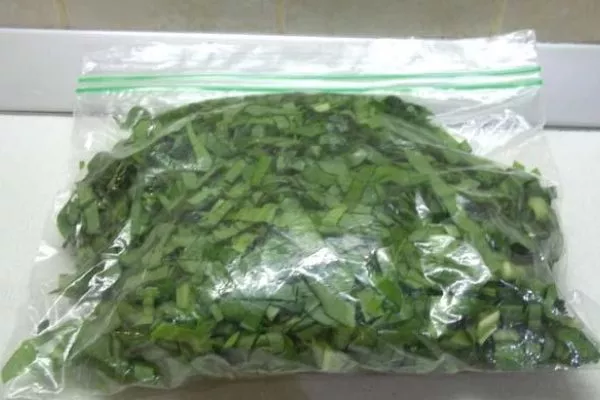
Freshly picked onions don't keep for long—only 3-4 days. To extend their shelf life, freeze them. To do this, wash and dry them thoroughly, chop finely, and pack them in plastic bags. This way, the onions will retain their nutritional value for 1-1.5 years.
Reproduction of wild garlic
The easiest way to propagate is by dividing the plant. In early spring or summer, choose a cloudy day and separate a section of a healthy, mature plant. These should have roots. Transplant the bulblets into new beds, spacing them 20-35 cm apart with rows spaced 30-45 cm apart.
Reviews
The Pobeda onion is easy to grow and requires minimal attention. This variety has received many positive reviews due to its good productivity and beneficial properties. With timely and careful care, you can enjoy consistent harvests and delicious, aromatic leaves.