
The Pobeditel (Winner) leek is a popular variety of leek, recognized by gardeners for its numerous characteristics. It boasts high yields and high-quality greens. This crop requires simple cultivation practices, which determine its marketability and flavor.
History of origin
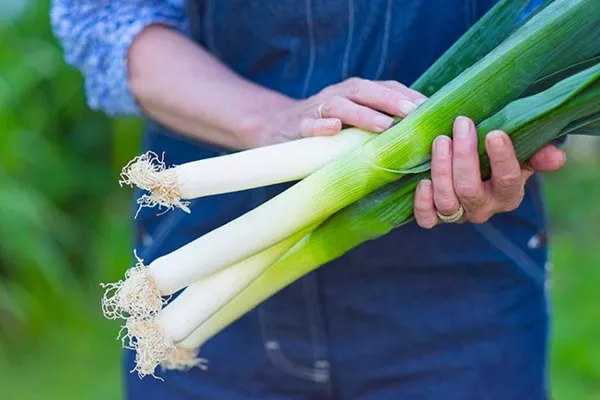
The Pobeditel (Winner) leek is a variety of leek developed by N. N. Klimenko and S. V. Maksimov of Agrofirma Poisk. It was approved for use in 2007.
Characteristic qualities of the variety and appearance
The plant is distinguished by its high yield, reaching 3.4 kg per 1 square meter. It has many distinctive qualities:
- Socket - medium height, with moderately dense arrangement of raised leaves.
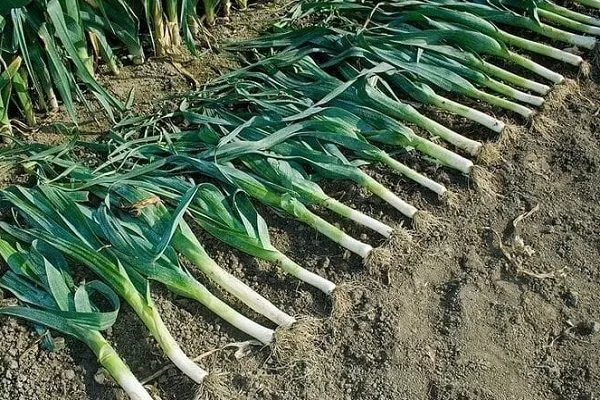
- Leaves - Gray-green in color, lacking anthocyanin coloration but with a light waxy coating. The greens are rich in vitamin C, and its content increases during storage.
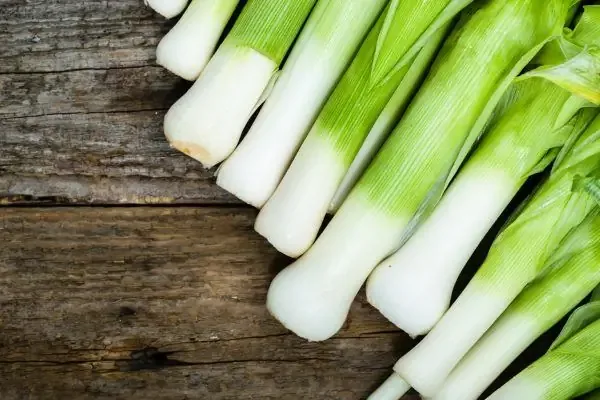
- Onion - weakly expressed, but at the base of the shoot there is a slight thickening of the leaf sheaths.
- Taste - pleasant, semi-sharp.
Planting and care rules
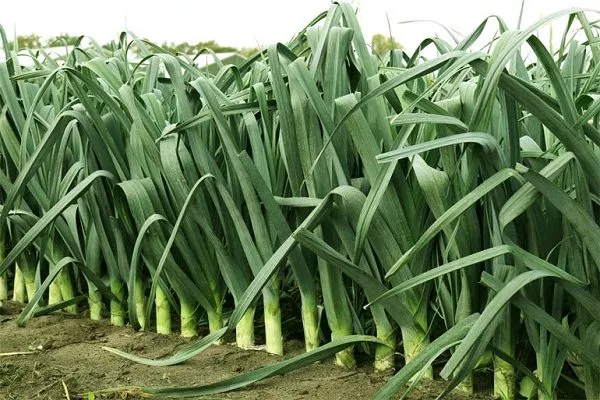
Planting requires following certain rules. Even a beginner can handle it, but it's important to follow these recommendations:
- Onions prefer sunny locations with well-drained soil. The soil should be light, fertile, and well-aerated. Loamy or sandy loam soils are ideal.
- In the fall, add organic fertilizers to the soil - humus or compost, at a rate of 5-6 kg per 1 sq. m. In the spring, before planting, dig up the area and add mineral fertilizers: superphosphate (20-30 g), potassium salt (10-15 g) and ammonium nitrate (10-15 g).
- Use high-quality seeds. To improve germination, soak them in warm water for 24 hours, then dry them slightly.
- Plant in spring or fall. In spring, plant in late April or early May, when the soil warms to 5-7°C. In fall, plant in September or October, giving the onions time to take root but not sprout.
- Plant the seeds to a depth of 1.5-2 cm. The distance between rows should be 20-30 cm, and between plants in a row – 10-15 cm.
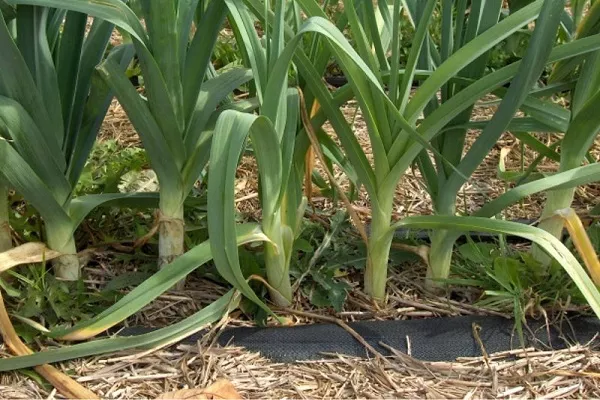
Caring for the Winner involves several important aspects. Ensure simple agricultural practices:
- Watering. The plant requires regular watering, especially during active growth. Water the plants once a week, increasing the frequency during dry periods. Water moderately to keep the soil moist, but avoid overwatering. Avoid standing water to prevent root rot.
- Top dressing. Apply the first fertilizer 2-3 weeks after planting. Use a complex mineral fertilizer containing nitrogen, phosphorus, and potassium. Additionally, apply organic fertilizers, such as mullein infusion (1:10) or chicken manure (1:20).
- Weeding and loosening. Remove weeds regularly to avoid competition for nutrients and water. Loosen the soil after every watering or rain to improve root aeration. Loosen the soil to a depth of 2-3 cm to avoid damaging the root system.
Diseases and pests
The Pobeditel onion, like other varieties, is susceptible to various diseases and pest attacks. To preserve the harvest and ensure healthy plant growth, it's important to know how to control them and take preventative measures:
- Downy mildew (peronosporosis). This is accompanied by the appearance of a gray-purple coating on the leaves, causing them to turn yellow and dry out. Use fungicides such as copper sulfate or Bordeaux mixture.
- Neck rot. An unpleasant odor develops. The rot spreads quickly. To combat the disease, destroy the infected plants and treat the crops with copper-containing preparations.
- Bacteriosis. Water-soaked spots form on the feathers, which then turn brown. Use biological and chemical treatments, such as Fitosporin.
- Onion fly. The larvae damage the bulbs, causing them to rot and the death of the plant. Use insecticides such as Actellic or Karbofos.
- Onion moth. Larvae damage leaves and bulbs, slowing plant growth. Treat with Decis or Intavir insecticides.
- Thrips. The leaves are turning silvery and covered with small black spots. Apply insecticides such as Fitoverm or Aktara.
Follow preventive measures:
- Don't plant onions in the same spot for several years in a row. Alternate plantings with crops that aren't related to onions.
- Use high-quality, healthy seeds and seedlings.
- Destroy all plant debris after harvesting to prevent disease development.
- Avoid overwatering, which can promote the development of fungal diseases.
Advantages and disadvantages
Before planting a crop, it's important to examine its positive and negative qualities. The Pobeditel variety has many advantages, but it also has its downsides.
Reviews
The Pobeditel onion is an ideal choice for gardeners seeking a bountiful harvest of high-quality greens. Its unique characteristics, including high yield, pleasant flavor, and beneficial properties, have earned this variety a well-deserved popularity. Despite its somewhat demanding care requirements, it's well worth the effort.