
Many gardeners across the country cultivate the Monastyrsky onion. This variety boasts numerous advantages, including disease and pest resistance, generous yields, and low maintenance. With proper care, it can improve quality and yield delicious fruits and greens.
History of origin
The variety was developed by Russian breeders in 2011. It received its name after its discovery in the Kostroma region, near the Ipatiev Monastery. Some sources claim that the vegetable was cultivated by monks several centuries ago.
Description and characteristics of the Monastyrsky onion variety
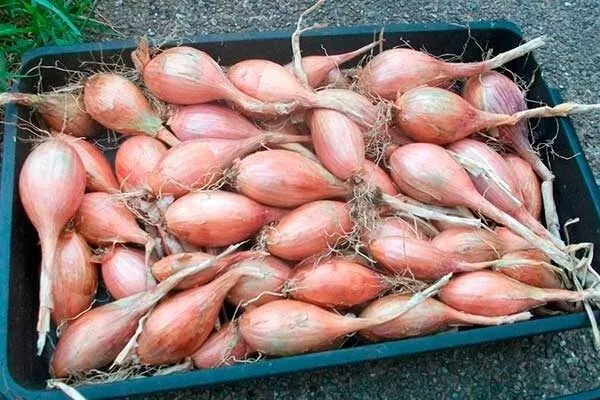
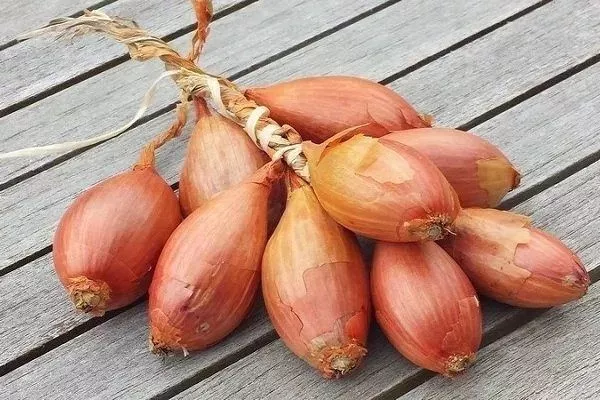
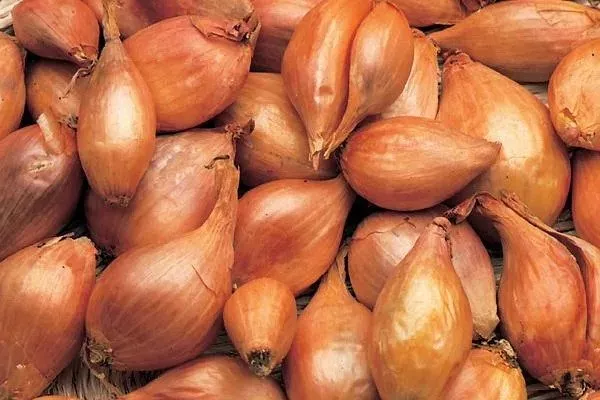
This is an early variety that produces large, round-elongated heads weighing 60-100 g. It has the following distinctive qualities:
- The husk is pinkish in color, and the white, pink flesh of medium density is aromatic and juicy.
- The taste is piquant and pleasant, slightly spicy with a slight sweetness.
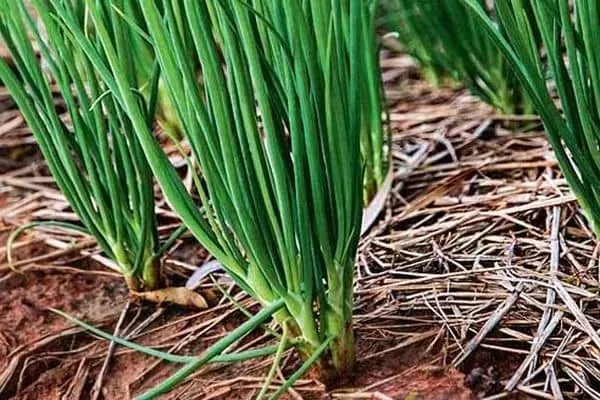
- The leaves are thin, rich green in color, and delicate in taste.
- Lukk is well suited for early cutting of the feathers, which can be done several times during the growing season.
- There can be up to eight heads in one nest.
- Due to its early maturity, the fruits can be harvested within 2.5 months after emergence or approximately 100 days after planting.
- With proper care, you can get about 5 kg of harvest from 1 square meter of plot.
Where can it be grown?
Monastyrsky grape is successfully cultivated in various regions of Russia. It adapts well to a variety of climatic conditions.
Diseases and pests
Shallots are resistant to many infections and pests, but can sometimes be susceptible to diseases such as downy mildew, which causes a purple-gray coating on the leaves, and alternaria, which causes purple spots.
Rarely, the plant suffers from root rot, which manifests itself as thinning roots with a pinkish tint, yellowing at the tips of the leaves, and wilting. If this occurs, use chemical treatments:
- Maxim;
- Quadris;
- Pentophagus;
- Verticillin;
- Mikosan.
Onion nematodes can attack crops, causing deformations and spreading through the soil to infect other plants. To protect against this pest, treat infected bulbs with hot water or a formalin solution.
Advantages and disadvantages
The Monastyrsky variety has gained significant popularity in recent years due to its many positive characteristics. Among them:
Among the negative qualities, gardeners note susceptibility to under-watering. Carefully monitor soil moisture to ensure optimal conditions for plant growth and development.
Planting Monastic Onion
To ensure a good harvest at the end of the season, follow all planting rules and recommendations. Grow biennials from sets. Sow seedlings in March, and if you choose to plant directly into the ground, do so no earlier than May. Well-lit areas are ideal.
Caring for Monastic Onion
Careful crop maintenance is the key to bountiful harvests of large vegetables. Follow these simple agricultural practices:
- Keep your onions moist throughout most of the season. Stop watering 4 weeks before the expected harvest date. During periods of prolonged rainfall, reduce the amount and frequency.
- Provide additional nutrition. Fertilize twice a season using superphosphate and urea.
- Loosen the soil and remove weeds in a timely manner.
- To obtain large bulbs, thin out the plantings. Do this in late June, removing some bulbs from each cluster.

Gardeners' reviews of the Monastic Onion
The Monastyrsky shallot holds a special place in gardens thanks to its unique characteristics and superior qualities. This variety has earned recognition among gardeners and gourmets for its excellent taste, high yield, and disease resistance. To ensure the variety fully develops its unique qualities, it is important to provide timely care.