
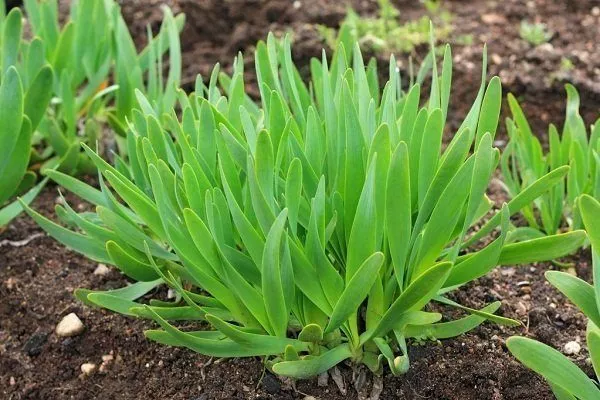
Perennial onions occupy a place of honor in many gardeners' plots. This is due to their high yield, the diversity of their varieties, their ease of care during cultivation, and the lack of need to replant the following year.
Characteristics of perennial onions, advantages and disadvantages
Perennial onions come in many varieties, some of which are quite dissimilar. Despite this diversity, perennial onions share a number of common characteristics that can be considered advantages or disadvantages of the plant.
Advantages:
- longevity in one bed - sowing once every 3-5 years;
- contains a large amount of useful microelements and vitamins;
- good frost tolerance (some species can withstand temperatures down to -40°C);
- high yield;
- ease of soil preparation;
- high immunity to many diseases;
- ability to develop under snow cover;
- harvesting the first crop after the snow melts;
- pleasant spiciness and aroma of many varieties;
- decorativeness of flowering varieties.
Flaws:
- using only the green top part of the plant, as opposed to the bulbs of annual onions;
- Mandatory systematic weeding to prevent the beds from becoming overgrown with weeds.
Gardeners enjoy growing perennial onions, not considering their shortcomings critical. They don't require frequent replanting or meticulous care, and the harvest is gradual, lasting almost from the moment the snow melts until the first frost. Thanks to the ornamental qualities of many varieties, planting this crop not only provides lush greenery year-round but also beautifully decorates the garden.
Varieties of perennial onions
Over 200 varieties of perennial onions have thrived in the Russian climate. Every year, more varieties are developed through the domestication of wild species. A list of the most popular and well-known varieties is available. Gardeners prefer them due to their high yields and ease of care.
| Name | Plant height (cm) | Ripening period | Frost resistance |
|---|---|---|---|
| Welsh onions | 30-60 | Early | High |
| Slime | 20-40 | Average | High |
| Multi-tiered | 40-130 | Early | Very high |
| Fragrant onion | 30-50 | Average | Average |
| Schnitt | 20-30 | Early | High |
| Shallots | 25-50 | Early | High |
Welsh onions
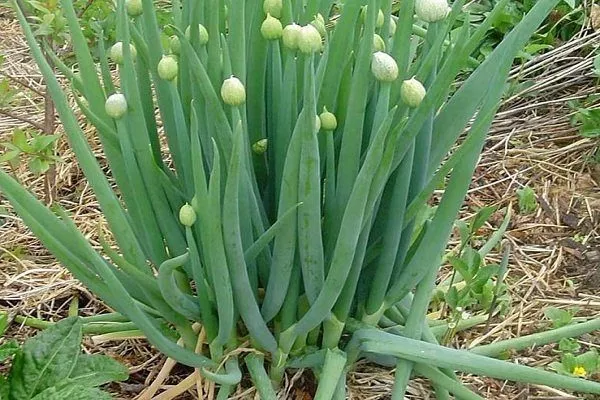
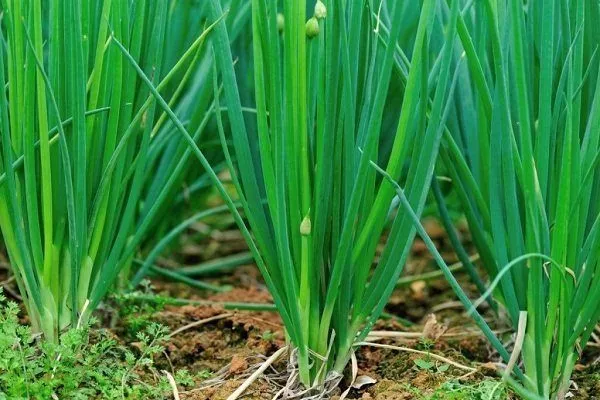
The leader in popularity among perennial species is Welsh onionsIt resembles an onion in appearance—the leaves are long, hollow, dark green, and tubular. It has no bulb, and the pseudobulb, which produces the leaves, is not particularly edible. The root system is strong and vigorous, beginning to push out the leaves immediately after the snow melts. It produces a good harvest in the same location for 5-6 years without any problems. The plant is propagated by division and seed.
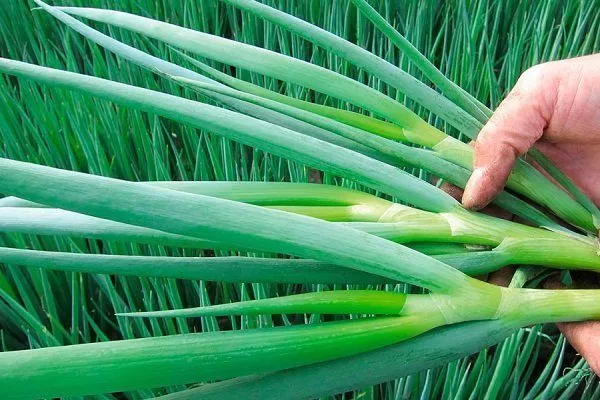
There are several subspecies of chives, which differ in their economic value.
Japanese
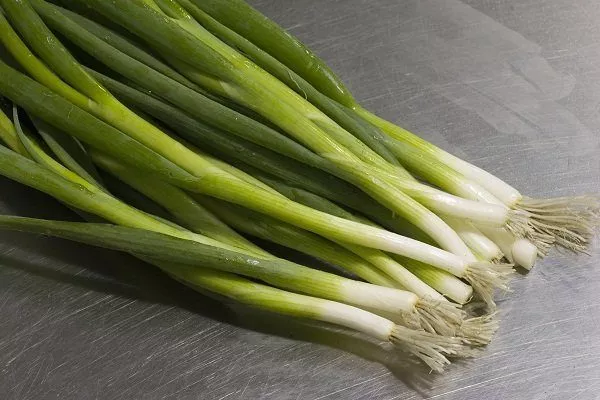
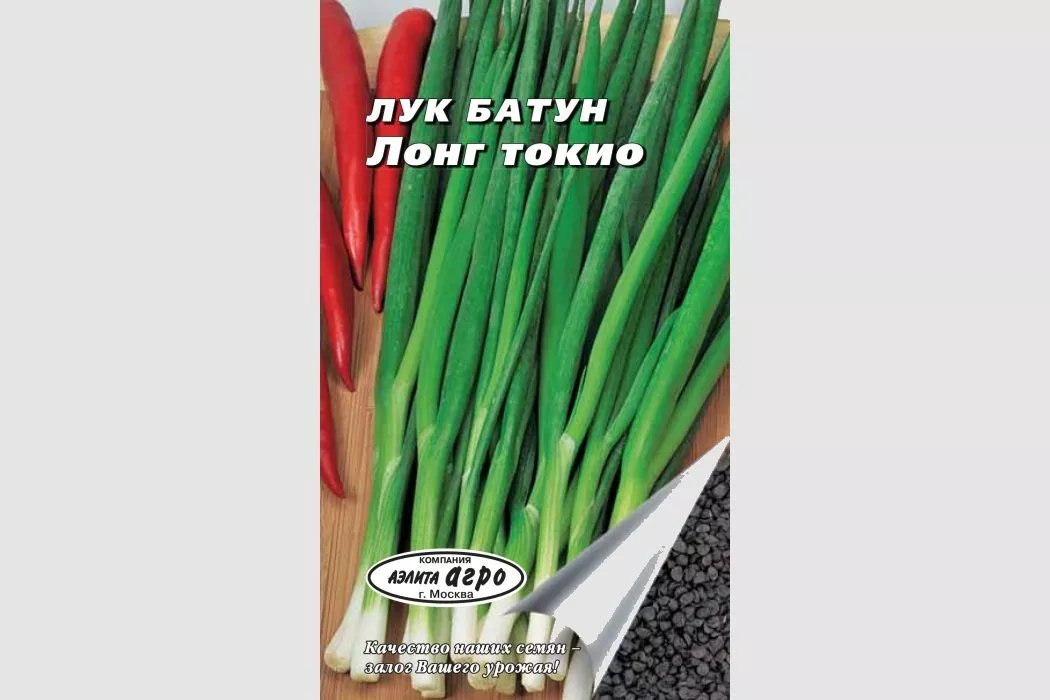
Onions of this subspecies grow to a medium size and have large leaves up to 60 cm long. Japanese subspecies have a pungent and spicy flavor and are characterized by moderate winter hardiness. The most common varieties of the Japanese subspecies of Welsh onion are:
- Harukioka;

- Salad 35;
- Long Tokyo.
Russian
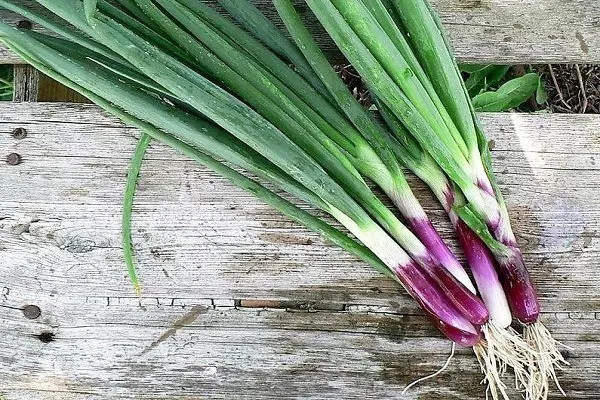
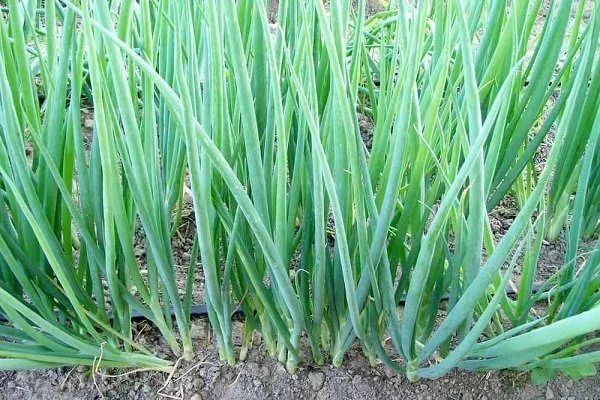
This subspecies has small, highly branched, dark green leaves up to 30-40 cm long. They have a pungent taste and contain a lot of ascorbic acid. The foliage quickly becomes coarser, gaining mass, but by the third year, it branches out to 40-50 shoots per bush. The Russian subspecies does not freeze even in the most severe cold.
Popular varieties of this subspecies of chives:
- May 7;
- Khibiny;
- Gribovsky 21;
- April 12.
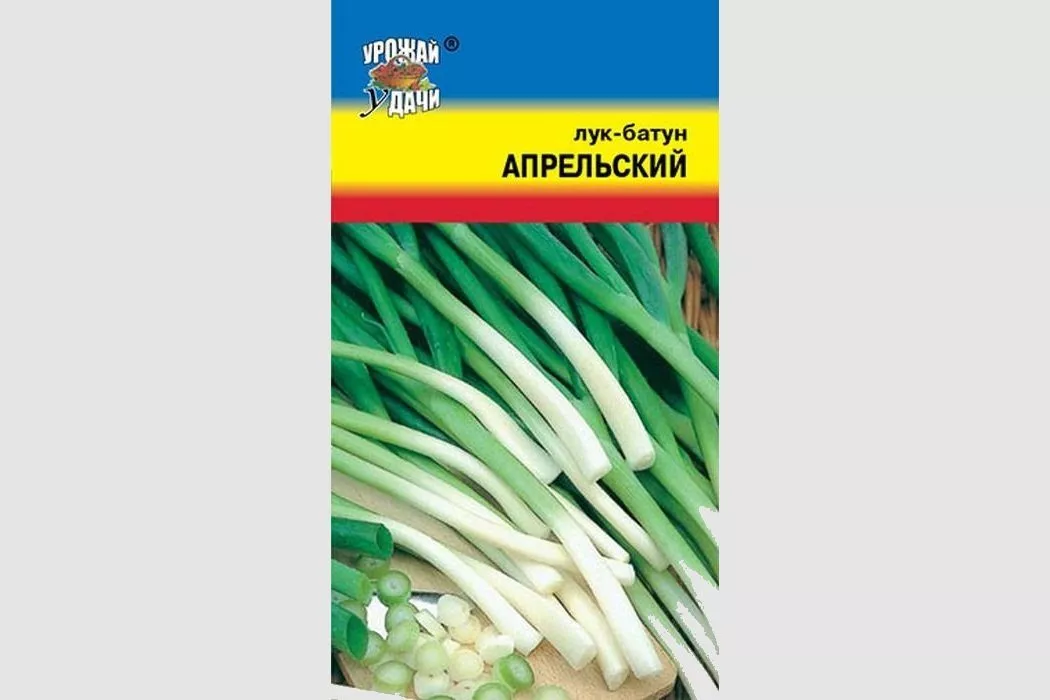
Chinese
The foliage of this subspecies grows very tall—up to 130 cm—and is unbranched, producing about 3-5 branches only by the second or third year. The greens are juicy and particularly pungent, but have low winter hardiness. This inability to withstand severe frosts is the main reason why the Chinese subspecies has only slowly spread across most of the country.
Slime
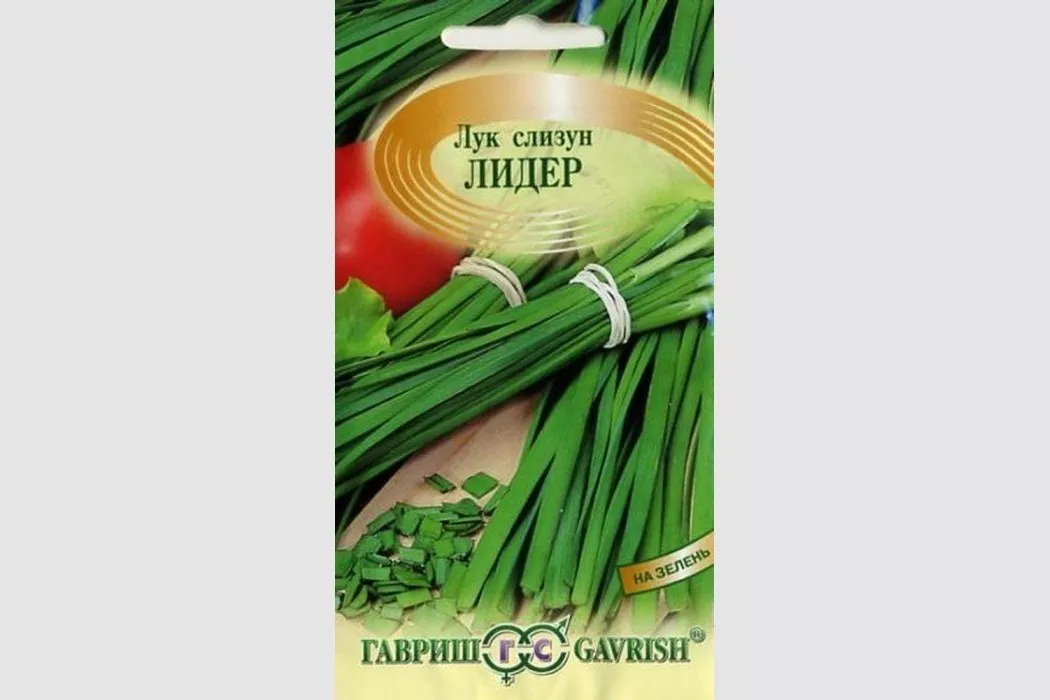
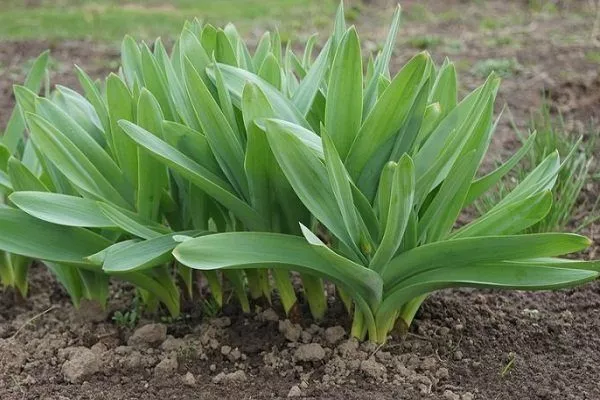
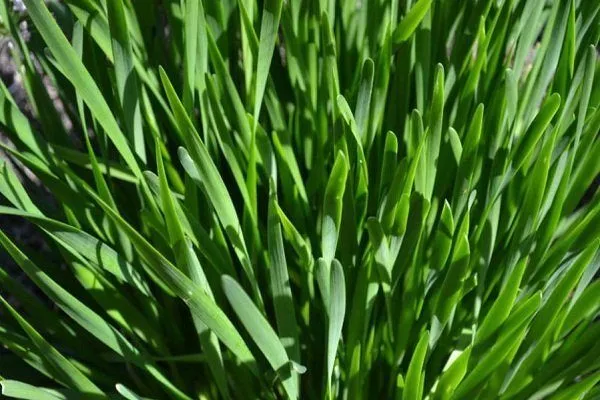
This perennial onion variety differs from its peers with its flat, wide, succulent leaves. Slizun doesn't require much light but enjoys good watering. With adequate nutrition, it produces a harvest in a single bed for five years, with roots extending 20-25 cm into the soil. It tolerates winter well.
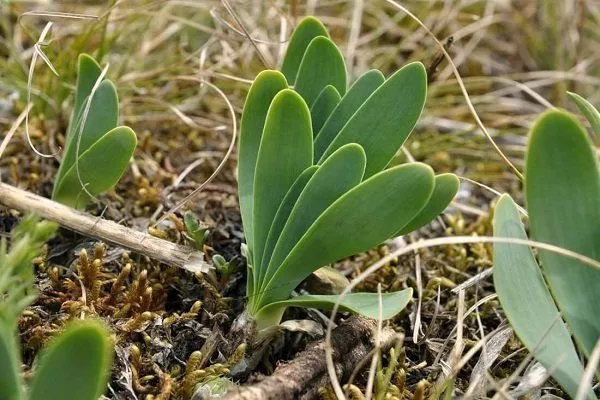
The juicy and tender leaves of the slime plant are often used to make marinades and as a seasoning for various dishes. Due to its abundance of beneficial substances, the plant is often used for therapeutic and preventative purposes, such as treating stomach ulcers and anemia.
Common varieties:
- Leader;
- Charm;
- Green.
Multi-tiered
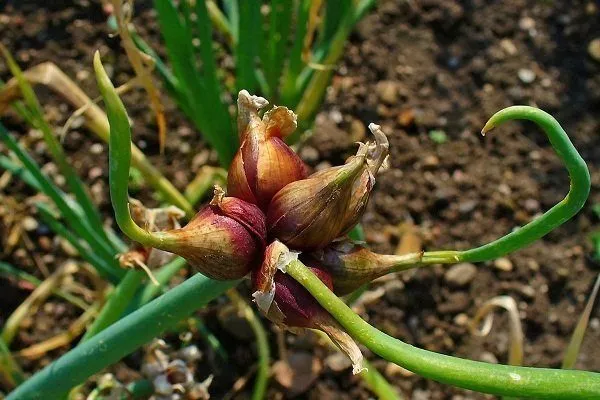
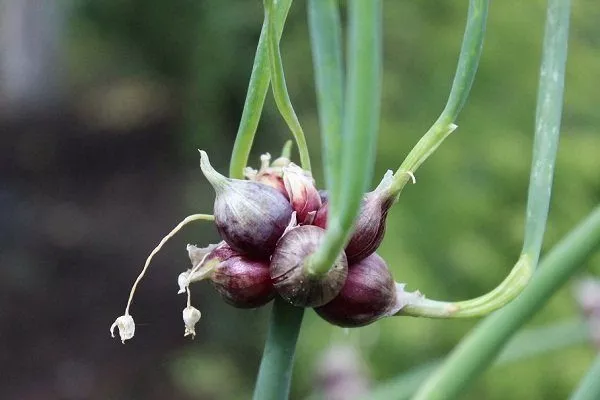
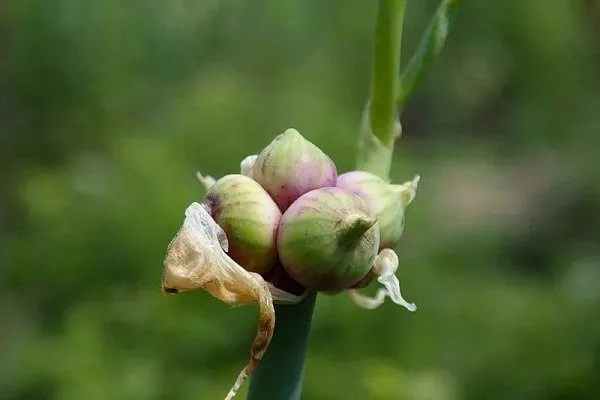
This variety is rightfully considered the most early-ripening perennial onion. As early as early spring, the first green leaves of this multi-tiered onion are harvested from the garden bed. As the onion grows, it forms 2-4 tiers of aerial bulblets instead of inflorescences. These tiers are the primary means of propagation, aside from division of the mother bulb.
Multi-tiered onions don't require a dormant period to grow, even in severe frosts, so they can be planted year-round. They bear fruit vigorously in the same location for up to seven years. All parts of the plant—the stems and the bulblets—are edible. The leaves are tender and remain firm on the plant for a long time, making them a favorite in salads, hot dishes, and marinades.
Popular varieties of multi-tiered onions:
- Memory;
- Chelyabinsk;
- Likova.
Fragrant onion
This perennial onion is known for its wide, large leaves, reaching up to 50 cm in length. The strap-shaped foliage has a delicate flavor, is high in vitamin C, and is low in fiber. The greens retain their rich flavor in both spring and fall, without altering their nutritional value. Fragrant onion It has a good ability to resume growth after cutting the feathers, so it can delight with a harvest until the end of November.
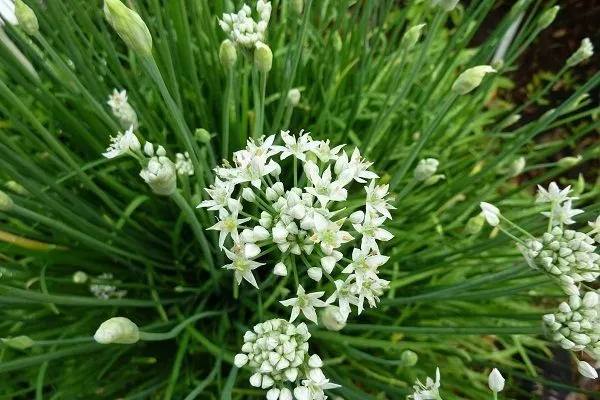
In its first year of growth, this species produces a pair of shoots, each bearing 4-6 leaves up to 30-35 cm long. In its second year, sweet chives produce stalks with white flowers. The inflorescences form a simple umbel and exude an almond-like aroma.
One of the most popular varieties of fragrant perennial onion is Stargazer. It grows everywhere, regardless of the country's climate. This variety is renowned for its rapid leaf growth, reaching up to 60 cm. The leaves, up to 1.5 cm wide, have a mild, semi-sharp garlic flavor.
Schnitt
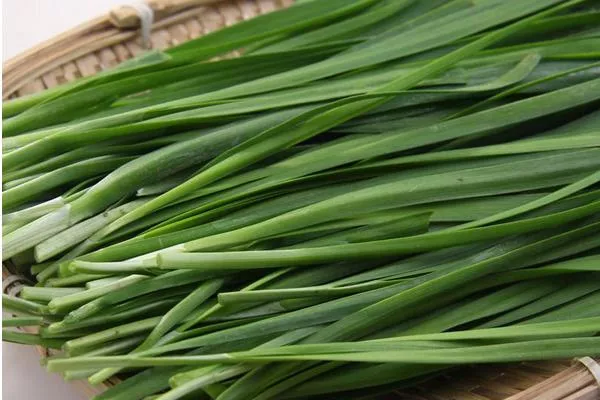
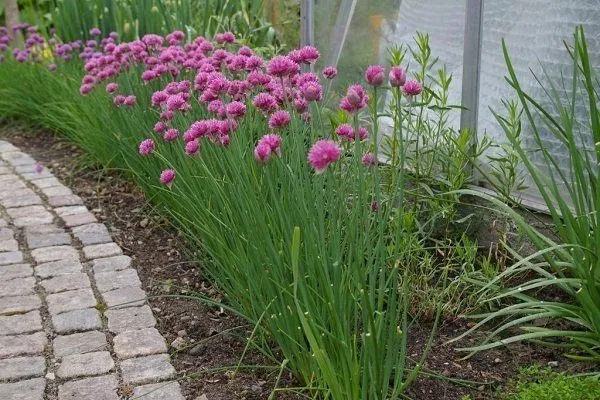
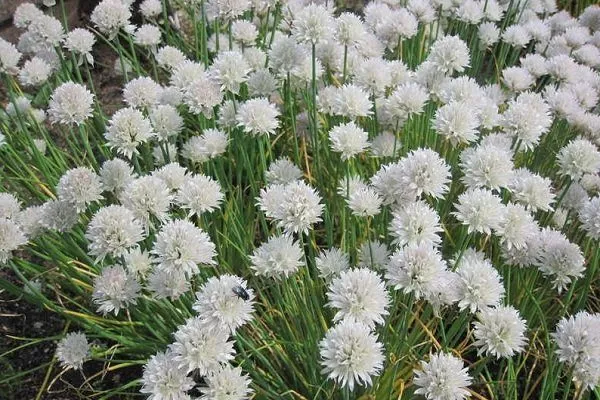
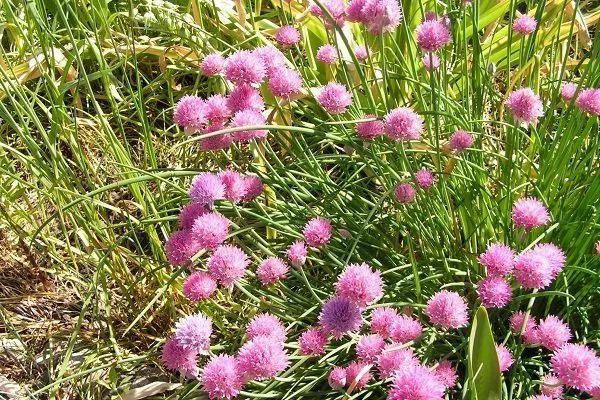
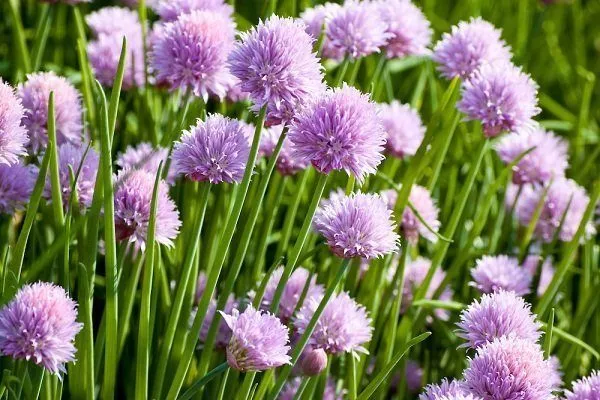
Small tubular leaves Schnitta They have a delicate, tangy flavor and excellent storage and transportation properties. The first leaves appear after the snow melts, thanks to this variety's good frost resistance. A full harvest can be harvested 2-3 times per season or pruned gradually as it grows. They perform well up to their third year in the same bed, after which they lose productivity and require replacement of planting material and a new location.
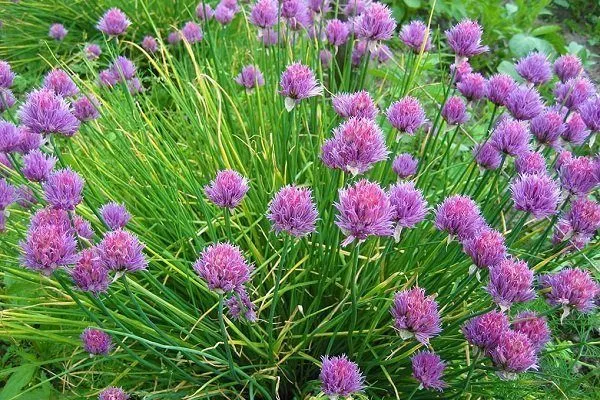
Due to the decorative qualities of many varieties, chives are often used as garden accents. The flowering onions resemble a colorful carpet due to the spherical umbels on the flower stalks. The color palette of this plant ranges from soft pink to deep purple.
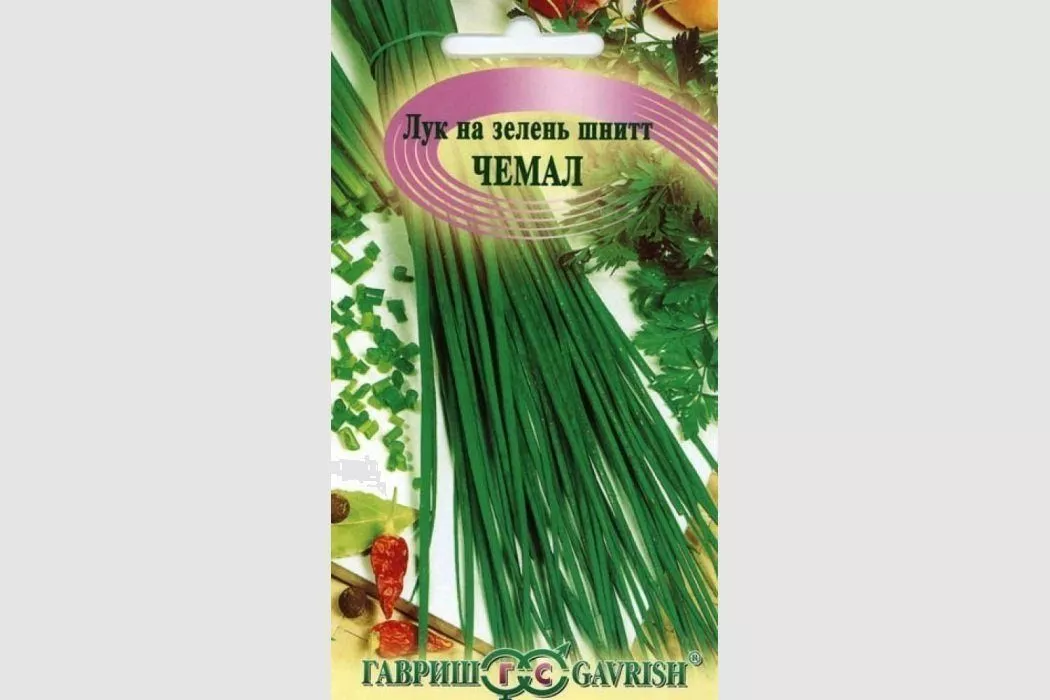
Chives varieties that are popular with gardeners and are distinguished by good yields of green chives:
- Chemal;
- Honey plant;
- Bohemia;
- Vitamin snob;
- Velta.
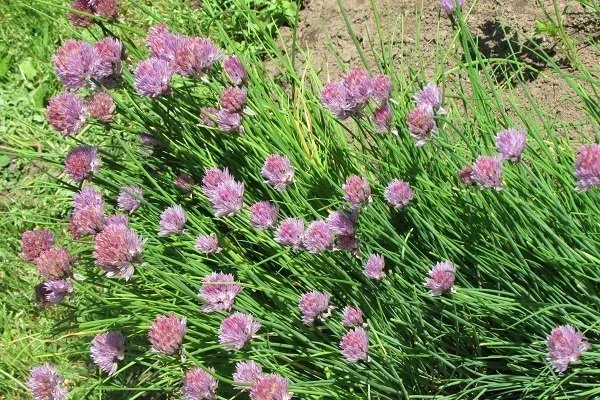
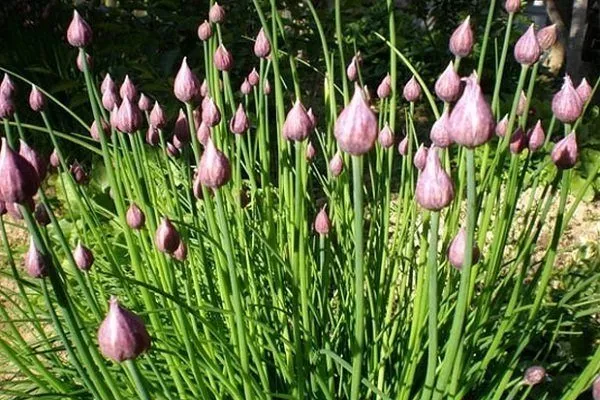
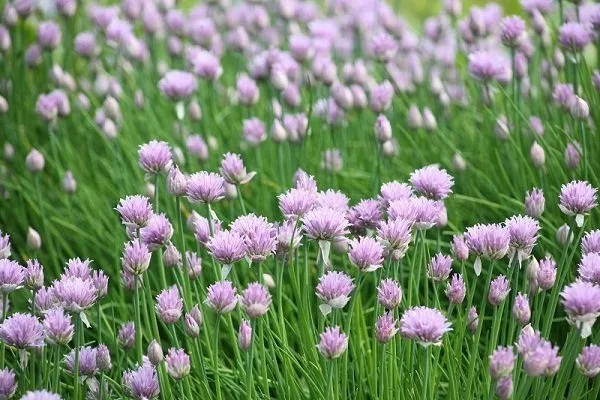
Ornamental onion varieties developed by breeders to decorate flower beds and garden borders:
- Curb;
- Elvi;
- Forescate;
- Moscow.
Shallots
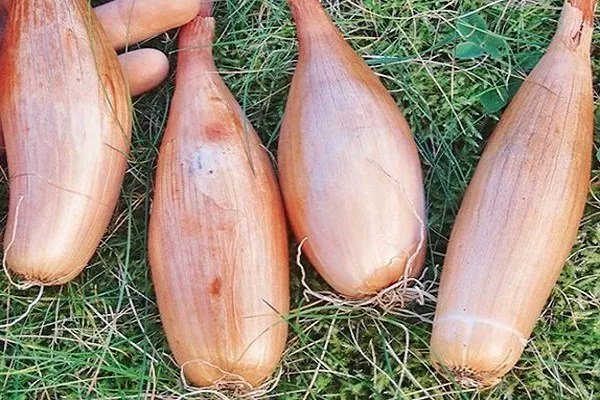
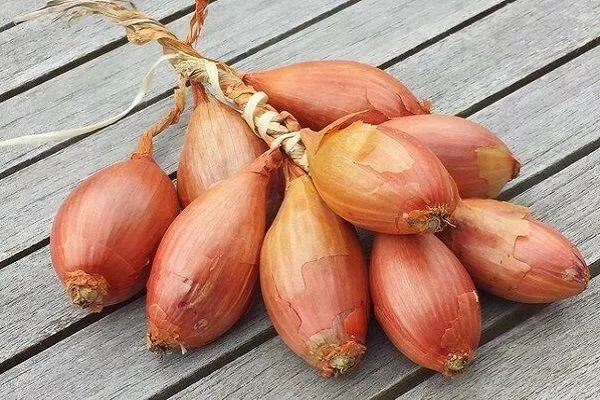
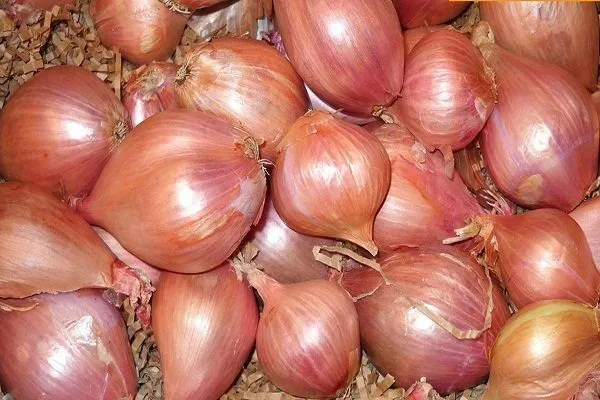
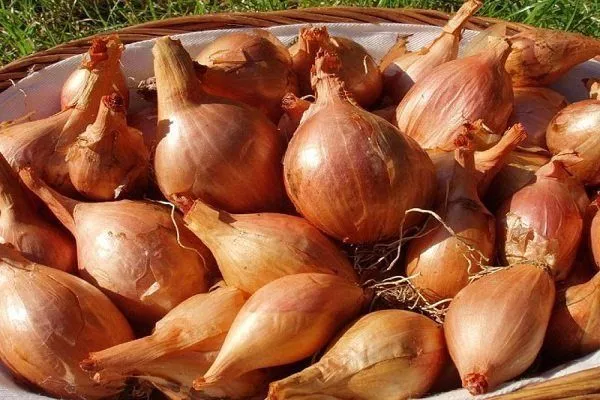
Shallots are a popular perennial crop due to their high nutritional and health benefits. They are nicknamed "shallots" due to the bulbs' multiple embryonic bulbs, which perform well when stored. A single mother bulb can produce approximately seven daughter bulbs, each growing up to 6 cm in length and weighing 50 g. Some varieties produce lobes even during storage.
Shallot greens are short (up to 25 cm), but very tender and juicy, tubular in shape and dark green in color. The greens grow quickly and luxuriantly, allowing you to harvest a substantial bunch of shallots from a single bulb within three weeks of sowing.
Popular varieties of shallots among gardeners:
- Siberian dacha;
- Kuban yellow D-322;
- Belozerets 94;
- Sprint.
Planting and replanting perennial onions
Despite the ease of care and low demands on the gardener's attention, there are rules and guidelines for planting perennial onions. To avoid problems and reap a bountiful harvest year after year from the same spot, it's essential to properly prepare the soil and plant the plants correctly.
Site preparation
Agronomists who grow perennial onions believe that soil preparation should begin in the fall. The optimal soil conditions for planting the crop are:
- without groundwater;
- light soil composition;
- slightly acidic or neutral soil – pH 6-7.
- ✓ The soil pH level should be strictly within 6-7; for accurate measurement, use a pH meter.
- ✓ The soil should be well drained, avoid areas with stagnant water.
To achieve such a balanced indicator, the following procedures are carried out:
- thorough digging of the area;
- removing weeds, the proximity of which is detrimental to perennial onions;
- application of phosphorus-potassium and organic fertilizers.
In the spring, before planting, it is necessary to apply nitrogen fertilizer, weed the beds and deeply loosen the soil to a depth of 15-20 cm.
When choosing a place for perennial onions, it is necessary to take into account that the area under the beds will be occupied by this crop for 5 years.
Planting perennial onions
There are virtually no strict planting times for onions—they are grown in the fall, summer, and spring. Perennials are planted by seed or by dividing the plant, with the choice of method depending directly on the variety.
Propagation by seeds
Perennial onion seeds are typically sown in the spring or before winter. This directly impacts the speed of germination and subsequent development.
Spring sowing
When sown in open ground, sprouts emerge no earlier than two weeks after planting. Subsequent development proceeds slowly, requiring periodic attention from the gardener.
Experienced agronomists, when planting perennial onion seeds outdoors, resort to the indoor seedling method to avoid a prolonged germination period. This process consists of several stages and begins in March:
- Processing perennial onion seeds: rinsing in potassium permanganate, soaking in water at room temperature for 24 hours, drying.
- Surface planting of seeds in seedling boxes.
- Growing seedlings at home for 2 months.
- Transplanting finished seedlings into beds to the site in May.
It is necessary to maintain the correct temperature in the room until the seedlings appear - 20-22 degrees, after - 18-20 degrees.
Before transplanting perennial onion seedlings into open ground, the soil is loosened, drained and fertilized as needed.
Winter sowing for early greens
To ensure a quick harvest of green onions in early spring, winter sowing is used. When soil temperatures drop to 3-4 degrees Celsius in autumn, dense sowing of perennial onion seeds is done. To effectively grow early green onions, the usual seed rate is increased by 20-25%.
With this type of planting, seedlings emerge 10-15 days earlier in the spring. This method is also convenient because the cool temperatures during the early spring growth period prevent the plants from bolting quickly. This allows gardeners to harvest succulent, high-quality greens for a long time.
Vegetative propagation
Some onion species can only be propagated vegetatively. There are perennial onion varieties that do not form seed heads or whose seed heads are unsuitable for propagation. Vegetative propagation involves two methods: dividing the main rhizome and using the aerial part of the plant.
Root division
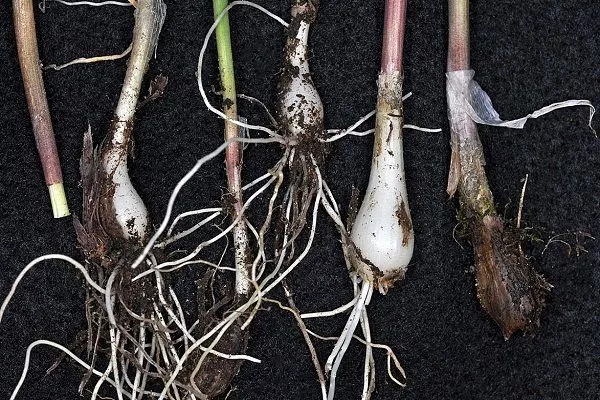
Gardeners typically divide onion bulbs in mid-spring or late summer. Only mature perennial onion rhizomes are used for this purpose. The bulbs are divided so that each bulb contains at least one mature root with a well-developed underground root system. They are planted in beds using a 20x70 cm pattern, with the perennial onion bush being planted 8-10 cm deep.
- ✓ Absence of mechanical damage and signs of disease.
- ✓ The presence of at least one mature root with a developed underground system.
If the root system of the planting bush is weak, it is planted 4-5 cm into the soil.
Using bulblets
Many varieties of perennial onions are propagated using bulblets, daughter bulblets, and spotting bulblets. As the flower stalk grows, it produces an inflorescence, which then develops into bulblets. The development of the bulblet doesn't stop there—the stalk extends from the bulblet, forming another layer of aerial bulblets every 20-30 cm. Each of these aerial inflorescences can contain up to 30 bulblets.
The optimal time to plant this material in open ground is immediately after the fall harvest. To do this, before the onset of frost, plant the bulbs 5-6 cm deep and 15-20 cm apart.
If you were unable to plant the aerial bulblets immediately after collecting the stems, they should be stored in a dry room with a sub-zero temperature.
Greenhouse cultivation
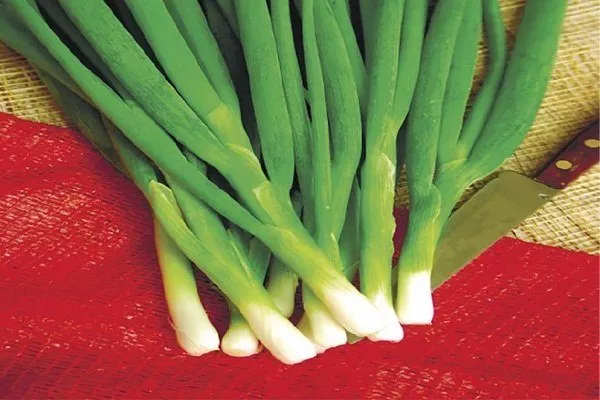
Many gardeners, having adopted the Chinese and Japanese method of growing perennial onions, plant perennial onions in greenhouses or on windowsills. To achieve this, when planting in furrows, they are additionally hilled up to a height of 8-10 cm. This results in a whiter base and a more delicate flavor of the leaves. When planting multi-layered onions in such warm conditions, their leaves grow more succulent and reach a height of 40-45 cm.
Caring for perennial onions
Caring for this crop is simple and doesn't take up much of the gardener's time. There are a number of recommendations that, if followed, will ensure a bountiful harvest and long-term preservation of the material:
- In spring, the soil around the furrows with plantings is deeply loosened to a depth of 15 cm to ensure good air exchange and to remove possible weeds.
- At the beginning of spring, feed the plantings with mineral fertilizers: 50 g of superphosphate, 40 g of potassium salt, 50 g of urea.
- After each cutting of the feather, the soil is loosened and watered to activate growth for the next cutting.
- At the end of autumn, the beds are weeded, loosened and fed with a complex for comfortable wintering of the material - 40 g of potassium salt per 35 g of superphosphate.
Throughout all stages of growth, monitor the soil moisture level: dry soil will result in poor feather development, while excess water will cause root rot.
If perennial onions are not growing well, they are fed with urea - a tablespoon of the preparation is added to a full bucket of water.
If you follow the basic rules for growing perennial onions, they will grow well and produce a lush harvest.
Prevention and control of diseases and pests
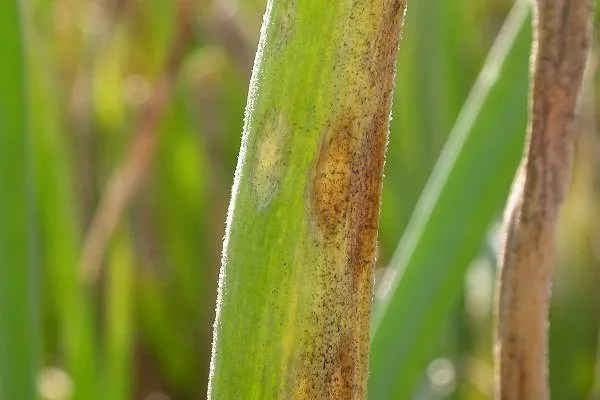
Perennial onions rarely suffer from diseases, but are sometimes susceptible to rust and powdery mildew. Insects that can harm this crop include tobacco thrips, onion flies, and onion weevils.
Agronomists advise against using chemicals to treat or control pests on perennial onions. Prevention and protective measures are considered the most effective way to protect the crop from potential pests. To do this, you need to:
- Grow perennials in fertile soil, observing all parameters.
- Do not select a site for replanting where onions or perennial onions have been growing for the last 4 years.
- Remove weeds periodically. Many harmful insects lay their eggs on weeds growing in or near garden beds. The mature pests then migrate to perennial onions and cause damage.
- Use only healthy and high-quality material for sowing and vegetation.
- At all stages of crop growth, inspect and, if present, remove dead or damaged shoots, which could become breeding grounds for diseases. This is especially important in late autumn to prevent pests from overwintering.
- Separate crops of bulb onions and perennial onions. If the plot size doesn't allow for such precautions, and bulb onions are a priority, it's best to avoid perennial onions altogether.
There are various ways to effectively repel pests:
- Watering the beds with a composition based on peat and tobacco: 400 g of dried shag is boiled in 10 liters of water and, after diluting the decoction 40 times and adding 30 g of laundry soap to the watering part of the composition, the soil is watered.
- Mulching with peat mixed with tobacco dust.
- Spray perennial onions with 1% Bordeaux mixture. To consolidate the results, repeat the treatment after 10 days.
- Careful inspection and, if necessary, removal of larvae, eggs, and beetles from the beds.
The leaves of perennial onions are covered with a waxy coating. When spraying, it is recommended to add a small amount of sour milk or laundry soap to the solution to ensure effective adhesion of the product to the plants.
Harvesting and storage
Most perennial onion varieties are grown for their succulent greens. They are harvested gradually as they ripen, plucking a few leaves at a time, or three to four times throughout the season. For mass harvesting, scissors are used, cutting the leaves at the very root.
To prolong fruiting, flower stalks are removed from the general green mass of the perennial onion bed.
It's recommended to make the final cut no later than a month before frost. Store the leaves in the refrigerator in a loosely sealed bag. They typically stay fresh in the refrigerator for 10-12 days after being cut from the garden. You can freeze large quantities of onion leaves for long-term storage; after thawing, the onions retain most of their nutritional properties.
Few perennial varieties can boast a yield of bulbs. If this is the case, when harvesting bulbous varieties, watering should be stopped 2-3 weeks before digging. After harvesting, the rhizomes are thoroughly dried and carefully selected before storage. Bulbs are usually stored without peeling, in a dry place at a temperature no higher than 1 degree Celsius.
For information on perennial onion varieties, their care, and their use in flowerbed design, watch the following video:
Perennial onions are increasingly gaining popularity among gardeners thanks to the cultivation of new varieties and their low maintenance. Following all growing guidelines, avoiding pests, and preventing diseases allows you to reap a bountiful harvest of perennial onions from a single bed for several years.