
The Millionaire onion is the result of painstaking breeding. This variety was developed to meet the high demands of modern gardening and cooking. It boasts excellent flavor and excellent shelf life, but requires careful and attentive care.
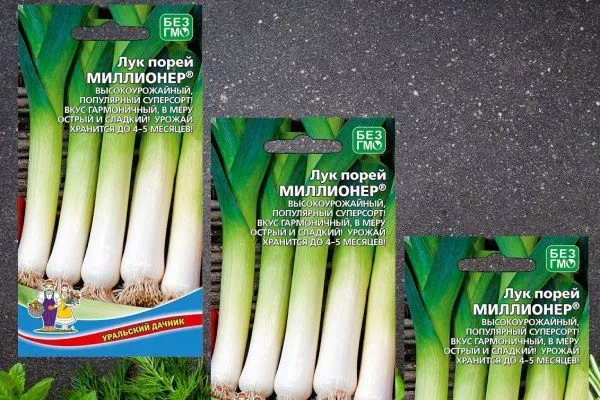
When and by whom was it selected?
Developed by specialists from Heterosis Selection LLC, Vashe Khozyaystvo LLC, Agrofirma Mars LLC, and the Chelyabinsk Research Institute of Vegetable Crops Breeding and Seed Production, part of Heterosis Selection LLC. This variety was officially approved for use in 2022.
Description of the plant
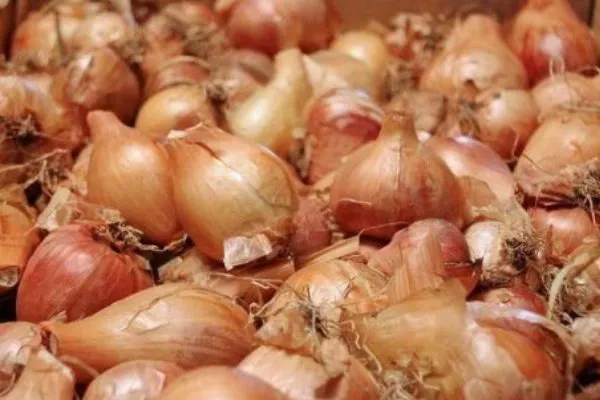
Onions have green leaves with a medium waxy coating. The average height of the shoots is 48 cm. The bulbs are broadly elliptical, with dry scales being yellow and juicy scales being white.
Taste characteristics and purpose
Characterized by a semi-sharp flavor, it's particularly appealing to gourmets. This variety boasts a long shelf life—up to 10 months. It's ideal for culinary use, first and second courses, and canning.
| Culinary uses | Recommended form | Heat treatment |
|---|---|---|
| Salads | Fresh rings | Without processing |
| Soups | 0.5 cm cubes | Saute for 3-5 minutes |
| Marinades | Slices | Blanching for 1-2 minutes |
| Frying | Half rings | 5-7 min at 160°C |
Growing and care
To successfully grow the crop, it's important to follow certain rules. Follow these recommendations:
- Onions prefer sunny areas with fertile, well-drained soil.
- In the fall, prepare the area by digging up the soil and adding organic fertilizers (humus or compost).
- 1-2 weeks before planting, apply mineral fertilizers (for example, superphosphate and potassium salt).
- Depending on the region, plant onions in open ground from the end of April to the beginning of May, when the soil warms up to +10-12°C.
- Use small onion sets (small bulbs) with a diameter of 1-2 cm.
- Before planting, warm it at 40°C for 8-10 hours to prevent diseases.
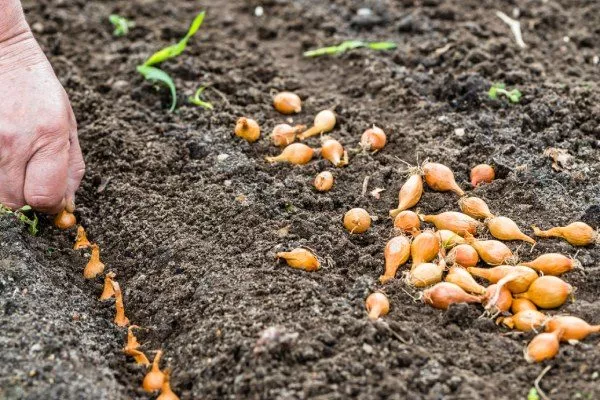
- Make furrows 2-3 cm deep and 20-25 cm apart.
- The interval between bulbs in a row should be 10-15 cm.
- Place the bulbs in the furrows, press lightly and cover with soil.
| Parameter | Optimal values | Critical deviations |
|---|---|---|
| Germination temperature | +12…+16°C | Below +5°C or above +25°C |
| Planting depth | 2-3 cm | Less than 1 cm or more than 4 cm |
| soil pH | 6.4-7.9 | Below 5.5 or above 8.5 |
| Soil moisture | 70-75% HB | Below 60% or above 85% |
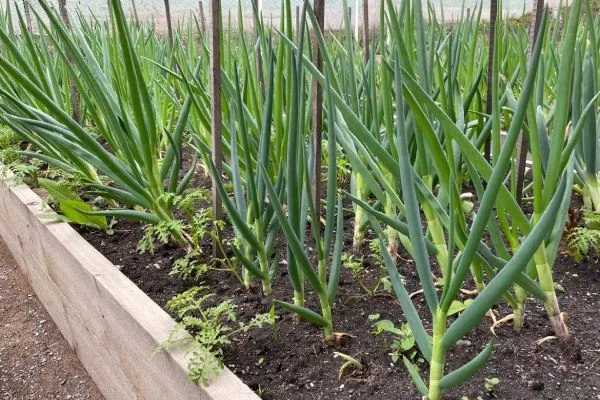
To ensure good growth, provide the crop with comprehensive care. Follow standard agricultural practices:
- Watering. Water the plants regularly, especially during the first 2-3 weeks and during the active growth period. Avoid overwatering to prevent bulb rot.
- Weeding and loosening. Remove weeds to avoid shading the onions and robbing them of nutrients. Loosen the soil after each watering or rain to ensure oxygen reaches the roots.
- Top dressing. Apply the first fertilizer 2-3 weeks after planting. Use nitrogen-rich compounds (such as ammonium nitrate). Apply the second fertilizer midway through the growing season using a complex mineral fertilizer.
The last time to feed the crop is at the end of June - beginning of July, using potassium and phosphorus fertilizers. - Protection from pests and diseases. To prevent diseases, treat onions with fungicides. Regularly inspect plants for pests and apply insecticides as needed.
Feeding schedule
- 1st feeding (14 days after germination): 15 g of ammonium nitrate per 1 m²
- 2nd feeding (phase 4-5 leaves): 20 g of nitroammophoska per 1 m²
- 3rd feeding (beginning of bulb formation): 30 g superphosphate + 15 g potassium salt per 1 m²
Reviews
The Millionaire onion lives up to its name, offering a bountiful harvest and excellent flavor. Its disease resistance and long shelf life make it an ideal choice for both professional and amateur growers. By following simple growing and care guidelines, you can harvest juicy and flavorful bulbs and preserve them until the next season.