
Master is one of the most versatile and productive onion varieties. It boasts high yields, excellent flavor, and unique characteristics, making it popular among gardeners and professional farmers. Growing this variety offers many benefits, but proper care is essential.
Admission information
Registration application No. 56785 was filed on November 3, 2011. Master was included in the register of approved varieties in 2014 and approved for use in the North Caucasus region. AGROFIRMA POISK LLC is the originator of this variety.
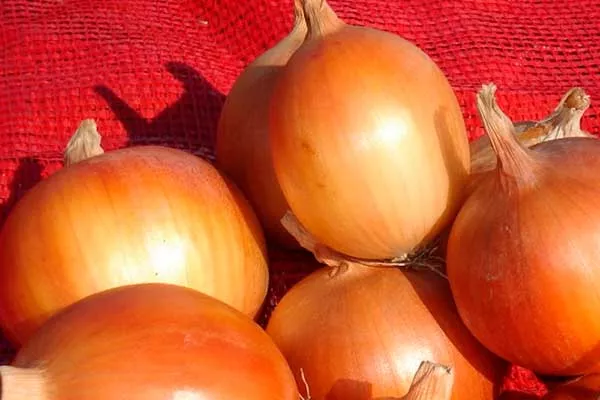
- ✓ The bulbs have high resistance to the main onion diseases, such as downy mildew and neck rot.
- ✓ The variety has a unique ability to be stored for a long time without losing its taste.
Description of the plant and bulbs
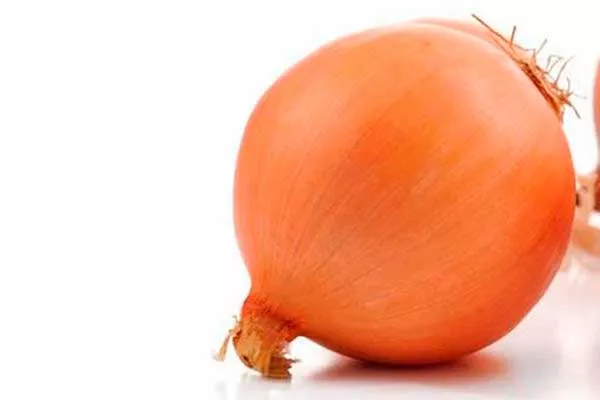
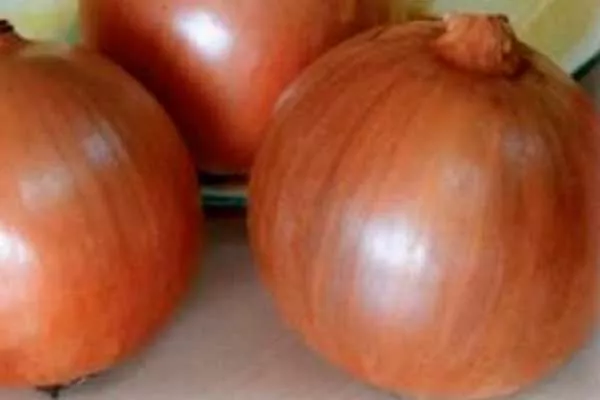
Onion maturity is 93% before harvest and 96% after ripening. Bulb weight ranges from 70 to 100 g, with dry scales dark yellow and juicy scales white. There are two bulbs per cluster.
Taste characteristics and purpose
The Master onion has a semi-sharp flavor, making it versatile for use in a variety of dishes. It's perfect for adding to salads, soups, sauces, and other culinary creations, imparting aroma and a unique flavor.
Ripening and yield
The average aging period is approximately 110 days. During this time, the onions reach maturity and are ready for harvesting, possessing optimal characteristics for culinary use.
Growing and further care
Onion Master is one of the most popular and productive onion varieties, perfect for growing in both a garden and a backyard. If you want to get a bountiful harvest of this vegetable, know the basic rules for planting and caring for it:
- Choose a suitable growing location. Onions prefer sunny spots and loose, fertile soil.
- Add a complex mineral fertilizer to the soil before planting to provide the plant with all the necessary nutrients.
- Plant the bulbs in spring or fall. Spring planting should be done in early April, when the soil has warmed to 10°C. Bury the bulbs to a depth of about 2-3 cm, spacing them about 10-15 cm apart.
- ✓ Optimal soil pH should be in the range of 6.0-7.0 to prevent diseases and ensure maximum nutrient absorption.
- ✓ The soil must be well-drained to avoid water stagnation and rotting of the bulbs.
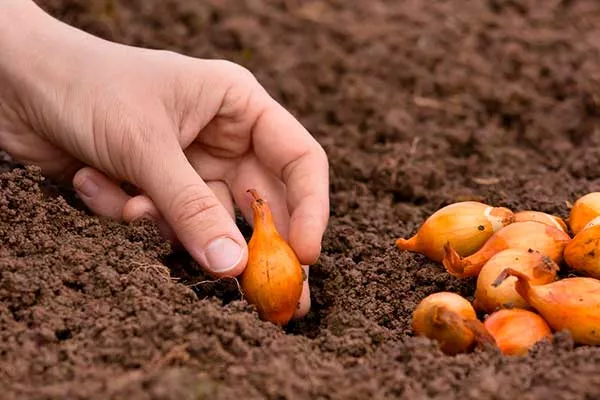
After planting, provide the plants with proper care:
- Regular watering is the key to good growth. Monitor soil moisture, especially during dry periods.

- Thin bulbous plants regularly to provide them with the nutrition and space they need to grow.
- Apply top dressing with organic and mineral fertilizers.
- Pay attention to protecting your plants from pests such as onion flies and aphids. Use specialized pest control products or traditional methods.
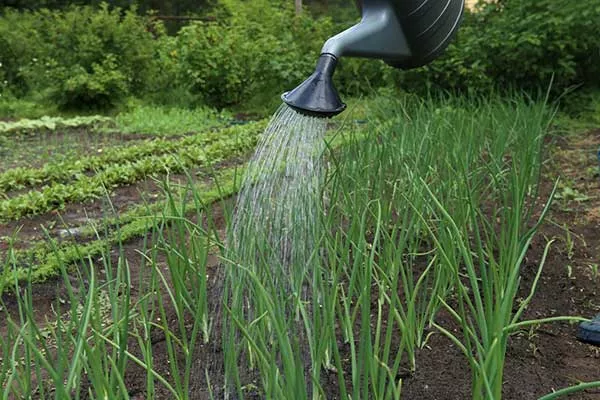
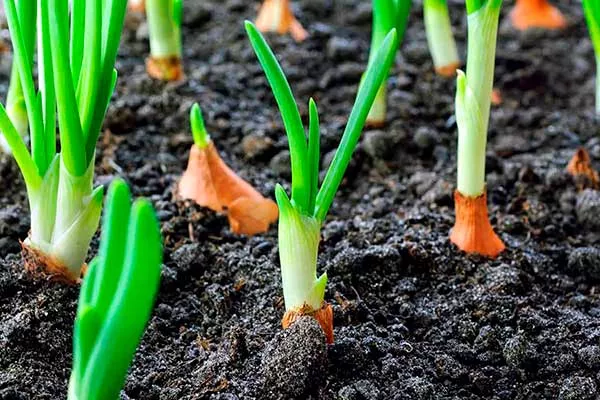
Growing Master onions is a fascinating process that requires attention and care. By following the planting and care guidelines for this variety, you'll reap an excellent harvest and enjoy fresh, flavorful bulbs.
Reviews
The Master onion has received many positive reviews from gardeners and professional chefs. Its pleasant flavor, ease of use, and durability make it an excellent choice for any culinary experiment. Despite some drawbacks, this variety's advantages clearly outweigh them. Proper care is the key to a bountiful harvest.