
The Lukomorye onion holds a special place among gardeners and summer residents due to its unique characteristics and versatility. This variety is distinguished not only by its high yield but also by its pleasant, slightly pungent flavor, ideal for fresh eating, canning, and adding to a variety of dishes. Proper care and a little attention are essential.
Characteristic qualities of the variety and appearance
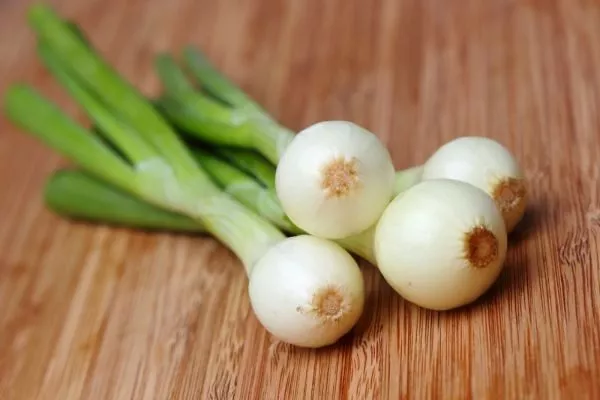
The onion plant is distinguished by its tender, juicy leaves with a pleasant, slightly pungent flavor. On average, 2.8-3 kg of greens are harvested per square meter.
Planting and care rules
Choose sunny sites with fertile, well-drained soil. Sandy loam and loamy soils with a neutral or slightly alkaline pH are best. Before planting in the fall, dig the soil to a depth of 20-25 cm and add organic fertilizer such as compost or well-rotted manure.
Planting technology:
- Selection of seeds or sets. Onions can be grown from either seeds or sets (small bulbs). Sow seeds in early spring, when the soil warms to 5-7°C. Plant sets a little later, when the soil warms to 10-12°C.
- Seed preparation. To speed up germination, soak the seeds in warm water for 24 hours, then dry until they become loose.
- Sowing seeds. Make furrows 1.5-2 cm deep, spaced 20-25 cm apart. Place the seeds in the furrows at intervals of 1-2 cm, then cover with soil and compact lightly.
- Planting seed onions. Plant the onion sets at a depth of 3-4 cm, with a spacing of 10-15 cm between each bulb. The distance between rows should be 20-25 cm.
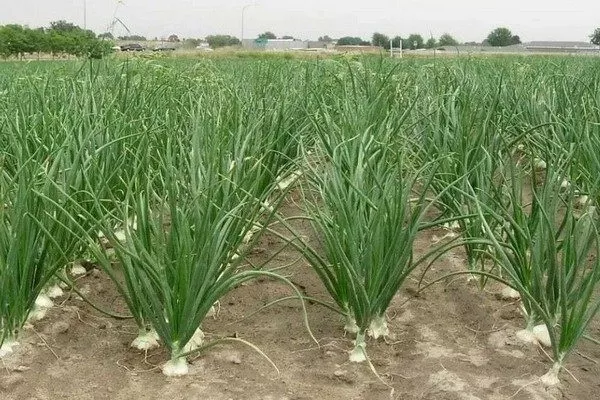
Provide your plantings with comprehensive care. This includes the following procedures:
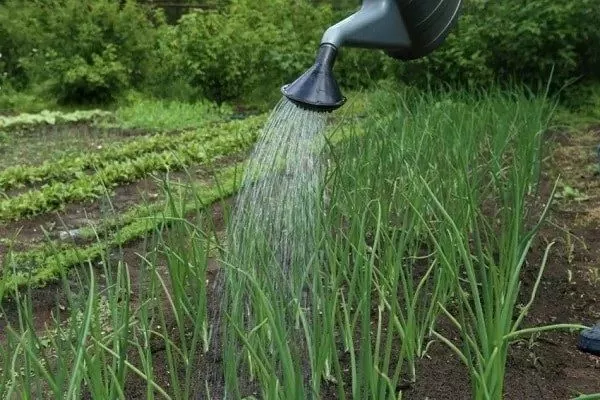
- Watering. Onions require regular watering, especially during the active growth period (May-June). Water once a week, thoroughly wetting the soil to a depth of 20-25 cm. Reduce watering as the vegetables ripen, and stop watering completely 2-3 weeks before harvest.
- Loosening and weeding. To ensure good oxygen access to the roots, regularly loosen the soil between rows and remove weeds. These procedures help prevent the spread of diseases and pests.
- Top dressing. During the growing season, the crop requires several fertilizing sessions. Apply the first fertilizing session 2-3 weeks after planting, using nitrogen fertilizers (such as ammonium nitrate).
The second feeding should be done 4-5 weeks after the first. Use complex mineral fertilizers. Apply the third feeding at the beginning of bulb formation, using phosphorus-potassium fertilizers. - Protection from pests and diseases. Onions are susceptible to attack by onion flies, aphids, and various fungal diseases. To prevent these, practice crop rotation, promptly remove diseased plants, and use biological products or insecticides at the first sign of infestation.
Advantages and disadvantages
Lukomorye boasts numerous advantages, but it also has some disadvantages that are important to consider before planting. Advantages of this variety:
Among the disadvantages of this variety, gardeners note:
Reviews
The Lukomorye onion is an excellent choice for those who value high yields, excellent flavor, and a rich nutritional profile. Despite some growing challenges, this variety deserves attention for its unique qualities. With proper care and minimal attention, it will delight you with lush greens and delicious bulbs.