
The Lugansk onion is a time-tested onion variety, developed back in the Soviet era. This versatile onion covers all your onion needs—it can be eaten fresh, used in cooking, or preserved for future use.
Breeding history
The Lugansky onion was bred by specialists from the Sortsemovoshch Vegetable Seed Association. The variety was obtained through open cross-pollination. It was approved for cultivation in 1964. It is recommended for the North Caucasus, Middle Volga, and Lower Volga regions.
Description of the Lugansk variety
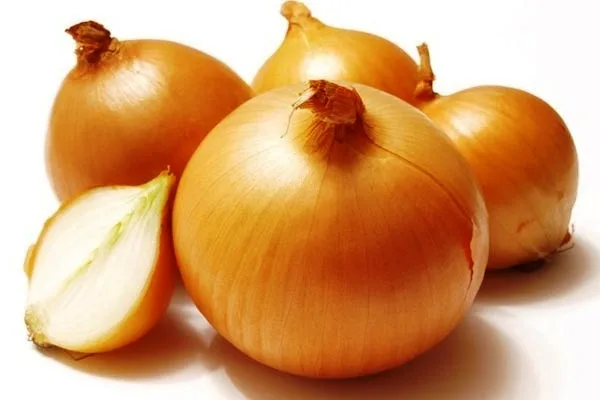
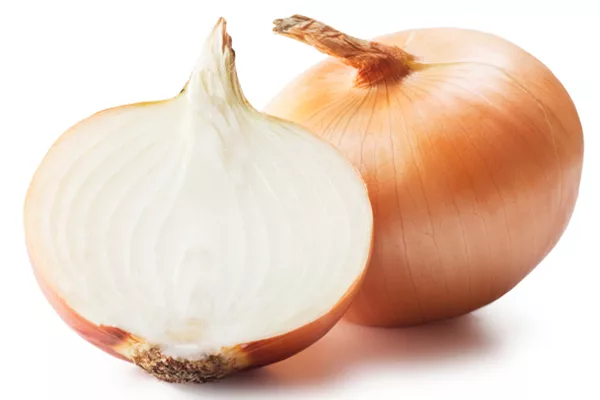
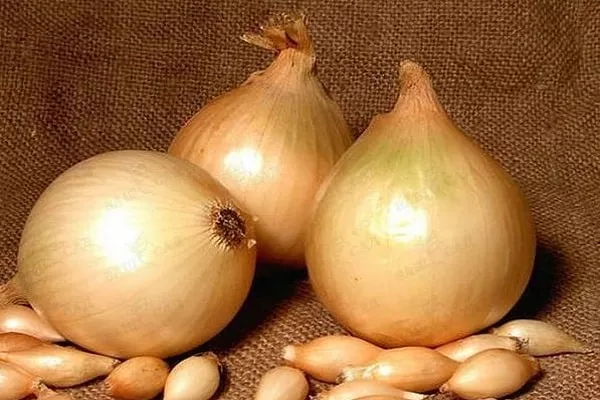
The bulb of the Lugansk onion has few to medium cells, and is round or round-flat. Its dry scales are yellow with a brown tint, while the juicy ones are white with a slight green tint. The onion is medium-firm. Each bulb weighs 70-145 g, with some specimens reaching 200 g.
Purpose and taste
This variety has a versatile use and quite good flavor. It's eaten fresh in summer, added to salads, first and second courses, stored for winter, and canned.
The bulbs have a flavor that ranges somewhere between semi-hot and hot. They are high in sugars and ascorbic acid.
Characteristics
The Lugansk onion is a mid-late variety, highly cold-resistant, and suitable for outdoor cultivation. The period from germination to technical maturity is 120-130 days. One-third of the bulbs are above ground level.
The yield of this onion depends significantly on growing conditions, care, and other factors, and can range from 1.5 to 4.5 kg/m2. When grown commercially, the yield of this onion variety reaches 200-410 c/ha.
Pros and cons
Before planting the Lugansky variety in your garden, evaluate all its advantages and inquire about any drawbacks. This onion may not be suitable for your region or needs.
Advantages:
Its downside is its late ripening period, which means this variety is not always suitable for regions with short summers, where it may simply not have time to ripen.
Landing features
Onions are grown from seed as an annual crop for bulbs and green onions. Sow onions at a depth of 1 cm. The optimal sowing pattern is 5-tiered strips, with rows spaced 15 cm apart and strips spaced 40 cm apart. Sow 7-10 g of seeds per square meter.
Before planting, seeds are soaked in a solution of potassium permanganate or special fungicides, then it is recommended to place them in a growth stimulator.
Features of planting onion sets:
- The soil should be fertile, light, loose, and neutral. Prepare the plot in the fall by adding organic matter during tillage. Loosen clay soil with coarse sand, otherwise the onions will grow small.
- Legumes, tomatoes, potatoes, cucumbers, and zucchini are considered good predecessors for onions.
- The optimal planting pattern for onion sets is 30x5 cm.
The timing of sowing and planting sets depends on climate and weather conditions. In the south, planting begins in late March or early April. In more northern regions, planting occurs in April or May.
Onions can also be grown using seedlings (in regions with short, cool summers) or by sowing before winter. Seedlings also produce larger bulbs than traditional planting.
The approximate time for winter sowing is early November. A simple rule of thumb will help you determine the most accurate planting time for your region: there should be about a month between winter planting and the first frost.
Subtleties of care
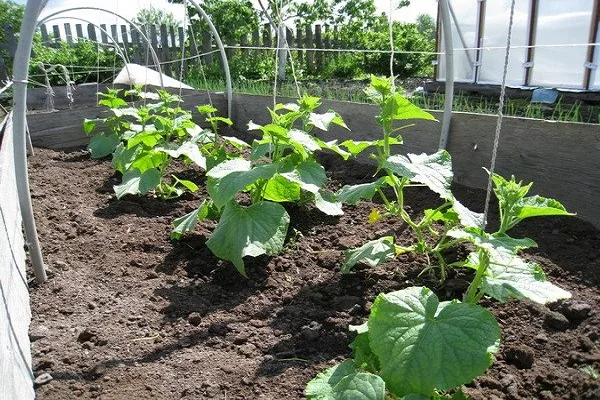
To get juicy greens and large bulbs, you need to take care of your onion plantings. Caring for Lugansk onions involves regular watering, loosening the soil, and weeding. Fertilizing may also be necessary.
Care features:
- Watering. Onions are watered on average once a week. The key is to prevent the soil from drying out, as this will stop the onions from growing and the bulbs will eventually become bitter. Use warm, settled water for watering, as onions don't like cold water, which can promote various diseases. The best times for watering are morning and evening.
- Loosening. After watering, the beds are carefully loosened to prevent a hard crust from forming. Weeds are removed simultaneously with loosening. Mulching the soil reduces the need for loosening, weeding, and watering.
- Top dressing. Onions are fertilized 3-4 times per season. They are fed with weak solutions of organic or mineral fertilizers. The first application is three weeks after germination. A solution of mullein or chicken manure is recommended. The second application is three weeks later, using a bio-fertilizer with micro- and macroelements. Potassium and phosphorus compounds are recommended for subsequent applications.
Disease and pest control
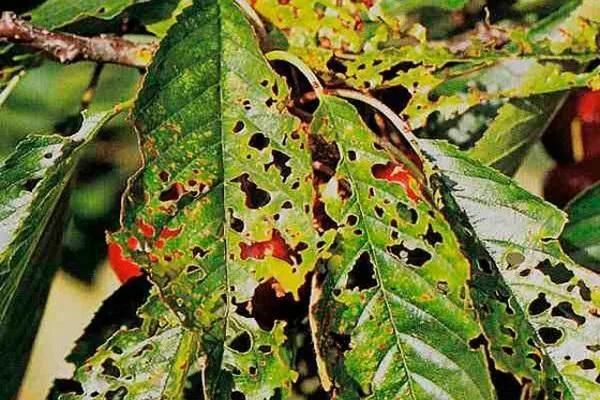
Lugansk onion has a fairly strong immune system, but under unfavorable conditions, it can be attacked by various pathogens. In particular, it can be susceptible to downy mildew, which can be successfully controlled with Oxychom, which is effective not only as a treatment but also as a preventative measure.
Overwatering can cause white rot in onions, which can be controlled with Previkur, Energy, and similar fungicides. Another dangerous disease is Alternaria leaf spot, which is spread by wind and insects. Copper sulfate, Ordan, Abiga-Peak, and other fungicides can help combat this problem.
Pests cause just as much damage to crops as fungal and viral diseases. They typically attack onion beds when there is a widespread infestation or when agricultural practices are grossly violated.
The most dangerous pests for Lugansk onions are the onion fly, onion thrips, stem nematode, onion weevil, and onion root mite. These are controlled with Aktara, Actellic, and other insecticides.
How to properly harvest and store onions?
Onion harvesting begins as soon as the onion leaves begin to lodging en masse. If the foliage has become pale and the necks have dried out and become thin, harvesting can begin. Harvesting is carried out in sunny weather, after the morning dew has cleared.
The bulbs are carefully cleaned of soil—if the soil is slightly damp—and left in the beds to dry. Onions are resistant to sunburn, so they can dry in the open air for several days. If it rains, the onions should be moved under cover, where they ripen further over the next 2-3 weeks.
Onions can be stored in a cool or warm place, such as a cellar or an apartment. In the former case, onion bundles are kept in rooms with temperatures ranging from -3 to 0°C. Onions can also be kept indoors, at temperatures ranging from 20°C to 24°C, but they don't store well here, as they quickly wilt.
Reviews
It's no wonder the Lugansk onion is so popular with our gardeners. This ancient variety has proven its worth season after season for half a century. Lugansk onions delight gardeners with their excellent flavor, generous harvests, and long-lasting shelf life.