
The Kvochka onion is an ancient Kuban shallot variety suitable for a wide variety of uses. This onion is delicious, very productive, and ideal for growing in the garden.
A bit of history
The Kvochka variety is a popular shallot, often referred to as "family onion" or "potato onion." This vegetable was originally grown in the Middle East, where it was called "eshkalot" (derived from the ancient city of Ashkalot).
Description of the variety
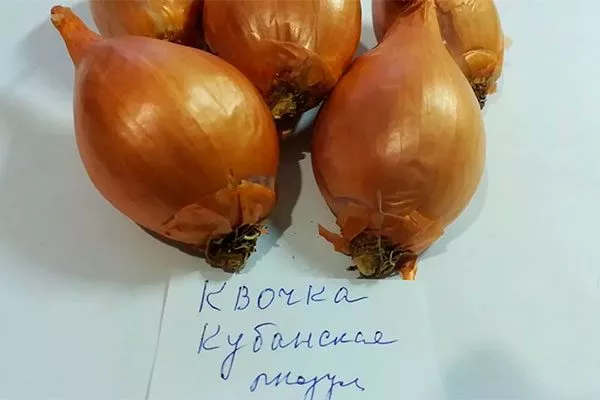
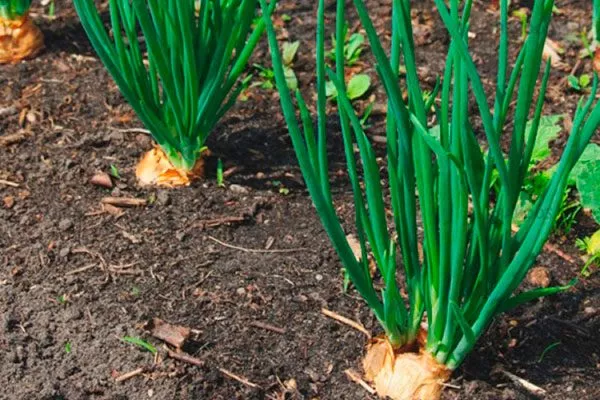
The Kvochka onion is a perennial, multi-celled variety. The plant forms large nests containing approximately fifteen bulbs. Each bulb averages 100 g.
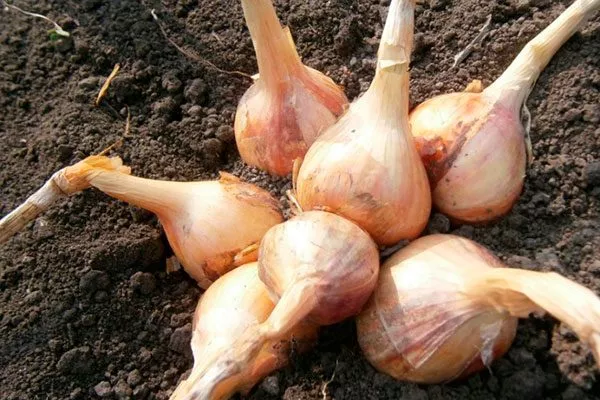
- ✓ The bulbs have golden-burgundy dry scales and whitish-pink juicy ones with a purple tint.
- ✓ The height of the plant is 30-40 cm, the leaves are thin, about 20 cm long.
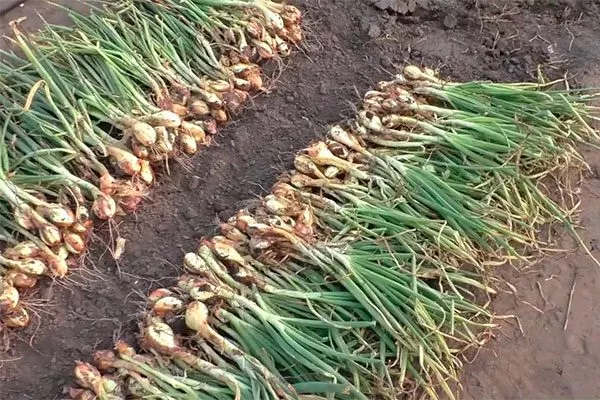
The plant height is 30-40 cm. The leaves (feathers) are green, thin, and about 20 cm long. The flowers are small, whitish or pinkish. The bulbs are round or round-flat. The dry scales are golden-burgundy, while the succulent ones are whitish-pink with a purple tint.
Taste and application
The Kvochka onion has a sweet and spicy flavor and can be used in salads and a wide variety of dishes, both first and second courses. It has a pleasant, rich onion aroma. It is suitable for canning and pairs beautifully with meat, fish, and vegetables.
Productivity and ripening time
The ripening time of the Kvochka shallot depends on the time of planting and the local climate. It takes 60 to 70 days from planting to harvest. The yield of this variety in commercial cultivation ranges from 15 to 25 tons per hectare. One shallot nest produces 1.5 kg of onions.
Pros and cons
The Kvochka onion is perfect for those who enjoy culinary delights. This variety is ideal for preparing a wide variety of dishes and offers a host of other benefits.
No shortcomings were found in this family onion.
Site requirements
Onion Kvochka is an unpretentious vegetable crop; it can be grown in the garden or on a windowsill, from seeds or from bulbs (sets).
- ✓ Soil pH should be between 6.0-7.0 for optimal growth.
- ✓ The soil must be well-drained to avoid water stagnation and rotting of the bulbs.
How to plant the Kvochka variety correctly:
- For planting, choose a well-lit area where there is no stagnant water.
- Before planting, the bulbs are soaked in a weak pink solution of potassium permanganate for half an hour.
- To get large bulbs by fall, shallots are planted in April. The key is for the soil to warm to at least 10°C by then.
- Planting is best done in cool weather—early spring or fall, just before winter. The latter option allows for early greens to be harvested next season. Furthermore, fall planting allows for a harvest two weeks earlier than spring planting.
- The Kvochka variety prefers loose, fertile soils with sufficient humus. It's recommended to add sand to heavy soils, and wood ash to acidic soils.
Shallots grow best in areas where legumes, nightshades, squash or cabbage were grown before them.
Landing features
To get a good harvest of shallots, it is important to plant them correctly.
Landing features:
- The plot is prepared in advance, in the fall or a month and a half before planting. A couple of weeks before planting, the beds are loosened, and the soil is disinfected by watering with disinfectant solutions. A week before planting, 10 liters of compost is added per square meter.
- If onions are grown by sowing seeds in pre-dug soil, they are placed in pre-prepared holes, deepening them by 1 cm. The seeds are pre-prepared by soaking them in warm water for 2-4 days.
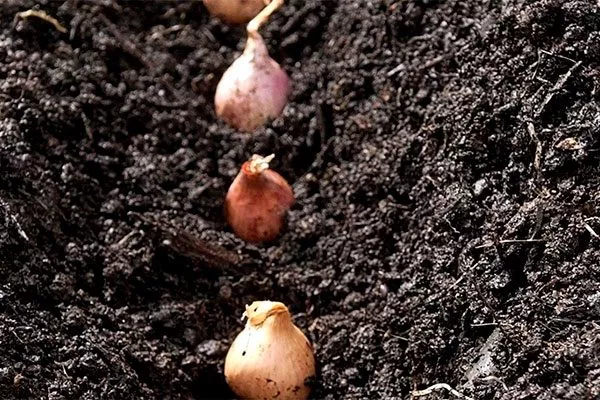
- If shallots are grown from bulbs, prepare planting holes 6-7 cm deep. Place the bulbs in these holes without pressing them down. Space adjacent holes 7-10 cm apart, and rows 20-30 cm apart.
The nuances of caring for the Kvochka onion
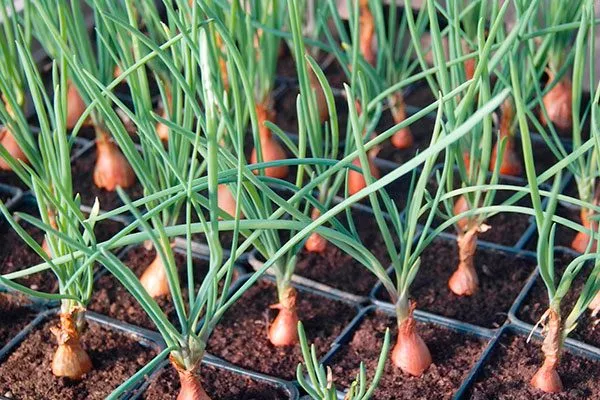
The Kvochka onion isn't particularly fussy or demanding in terms of care, but to ensure a good harvest, shallots require regular watering and feeding. The first sprouts appear a couple of weeks after planting, and the gardener's job is to provide them with water and nutrients.
How to care for the Kvochka onion:
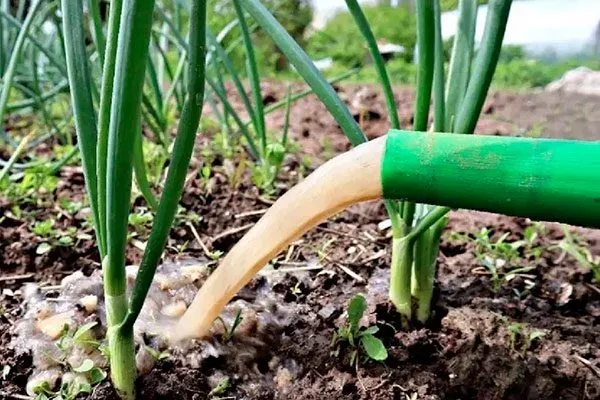
- At first, watering should be regular. About a month before harvesting, the intensity and frequency of watering should be gradually reduced. Once the bulbs emerge, watering should be limited, otherwise there is a risk of bulb rot.

- Complex fertilizers are applied during active growth. The recommended frequency is approximately every two weeks. However, for normal growth and development, two applications per season are sufficient:
- In spring, when the first three feathers appear, add urea—1 tablespoon per 10 liters of water. This amount is enough for 10 square meters.
- Once the bulbs begin to form, add potassium monophosphate—1 tablespoon per 10 liters of water. This amount is calculated for 1 square meter of area.
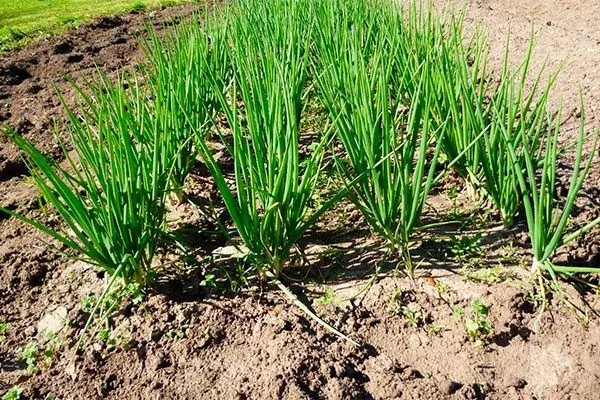
- To ensure sufficient oxygen reaches the roots, the beds are regularly loosened. At the same time, weeds are removed, as they can shade the plantings, absorb nutrients, and even attract insect pests.
Disease and pest control
The Kvochka family onion has a strong immune system, but under unfavorable conditions, the risk of fungal diseases, such as powdery mildew, downy mildew, rust, and neck rot, increases. To combat these, use Oxychom, Horus, Quadris, Bordeaux mixture, and other insecticides.
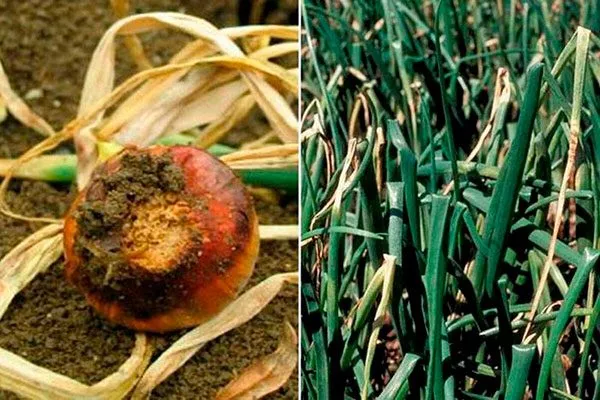
If insect pests proliferate and proper prevention is not implemented, shallots can be attacked by onion hoverflies, onion flies, tobacco thrips, and onion mites. If these pests appear, treat the crops with insecticides such as Fufanon, Aktara, Actellic, Fitoverm, or similar products.
Harvesting and storage
Onions are harvested in August or September, as soon as the leaves begin to yellow and dry. The bulbs are dug up and dried in the sun for 2-3 days. Dried onions can be safely stored for about 8 months. The optimal room temperature is +1 to +5°C.
Reviews
The Kvochka variety is an excellent choice for heirloom onion lovers. This shallot variety will provide you with plenty of bulbs throughout the season. If you store them, you can enjoy juicy onions until the next harvest.