
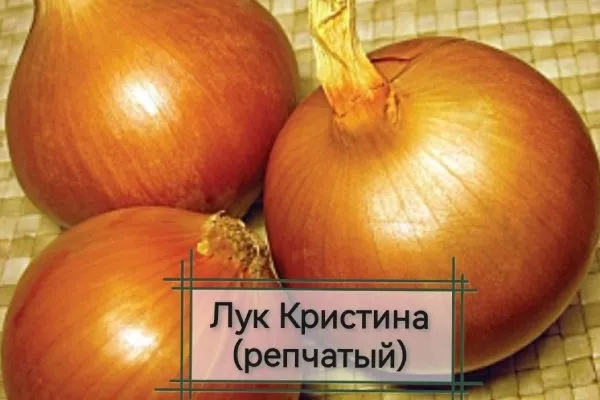
The Kristina onion variety is a popular choice among gardeners. It has proven itself to be the ideal combination of high yield, excellent shelf life, and superb flavor. It is versatile and easy to grow. Timely agricultural practices are key to ensuring good yields.
How and when did it appear?
This is a variety of onion developed by S. V. Dubinin, I. N. Dubinina, and A. N. Lukyanenko of Agrofirma Sedek LLC. The variety was officially approved for use in 2010.
Characteristic features
The bulb is round, weighing up to 130 g. Dry scales are brown or dark golden, while juicy ones are white with a greenish tint. The bulbs are dense. This variety is characterized by its small number of bulblets—usually two bulblets per bulb.
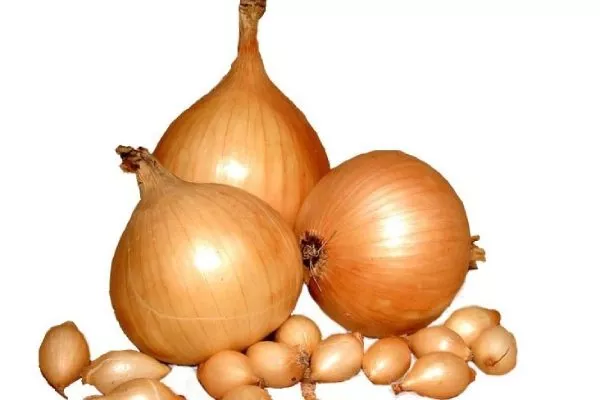
Distinctive features of the culture:
- The taste is semi-hot or hot, but sweet at the same time.
- The aroma is pleasant and rich.
- Vegetables store well until the first month of summer, so they can be grown in large quantities. When stored properly, the bulbs retain their quality.
- The yield is high – from 174 to 251 centners per 1 hectare.
- Resistant to major diseases and pests, it's a reliable choice for agricultural production. It's rarely susceptible to Fusarium wilt (bulb rot), Botrytis wilt (gray mold), and Alternaria wilt (purple spot). This helps reduce crop losses and improve quality.
- It shows good resistance to pests.
Growing and care
Growing Kristina onions requires several important agricultural practices to achieve high yields and maintain healthy plants. Follow these recommendations:
- The plant prefers loose, fertile, and well-drained soil. Preparation involves adding organic matter (such as humus or compost) to improve soil structure and provide the plants with essential nutrients.
- Begin planting in the spring, when the soil warms to 8-10°C. Plant the bulbs at a depth of about 2-3 cm and spaced approximately 10-15 cm apart. Well-developed bulbs will produce larger harvests.
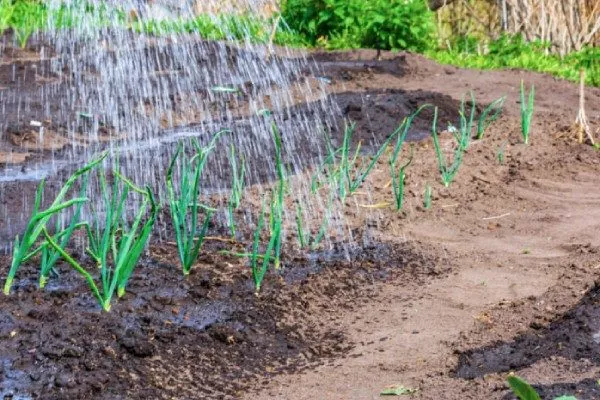
- Plants require regular watering, especially during dry periods. Avoid overwatering to prevent root and bulb rot.
- An important aspect of care is thinning the plants after emergence to ensure sufficient space for bulb development. Regularly weed to prevent them from competing with the plant for water and nutrients.
- During the growing season, apply nitrogen fertilizer, especially during the active growth phase. This will promote the formation of large vegetables.
Reviews
The Kristina onion has received many positive reviews and earned the trust of gardeners. It travels well, complements a variety of dishes, and imparts a unique flavor. While it doesn't require much attention, it does require timely and proper care to reward you with generous harvests and high-quality vegetables.