
Red Feather onions are an ideal choice for both beginner and experienced gardeners. They are a favorite among many who appreciate their juicy, flavorful greens, which are used not only in salads but also in other dishes. Growing them is easy. They boast beneficial properties and generous harvests with proper and regular care.
Introduction to the variety
Red Feather, produced by the renowned Russian company Gavrish, is a varietal of Welsh onion. This variety is highly prized by vegetable growers for its resistance to various weather conditions and its ability to provide fresh greens almost year-round.
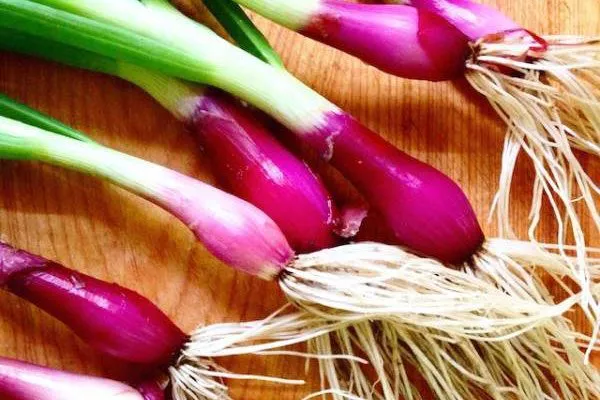
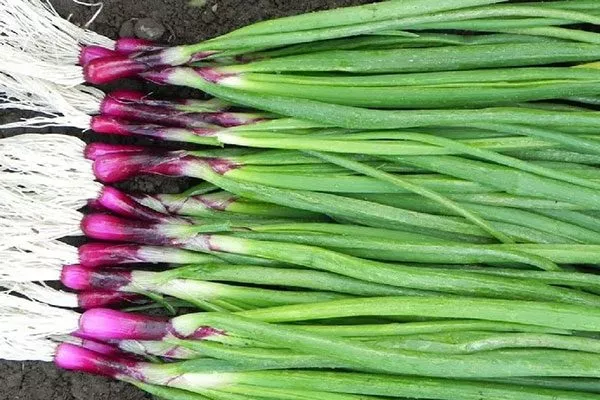
This early-ripening variety takes an average of 2.5-3 months from planting to harvest. It boasts impressive yields. Harvesting begins in late June or early July, when the stems reach 20 cm. To ensure a consistent harvest, plant the crop several times throughout the season.
External data
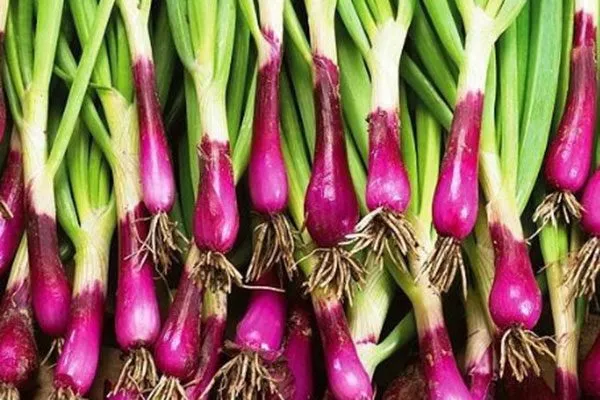
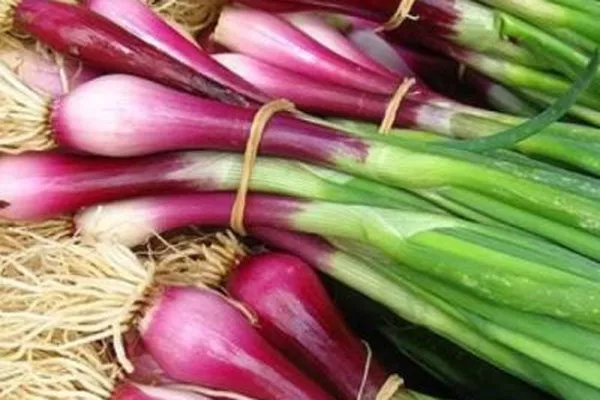
The rosette of leaves is compact and medium-sized. The leaves are dark green, with a juicy and delicate texture. The bulbs are small.
- ✓ The leaves are dark green with a characteristic glossy sheen.
- ✓ The bulbs are small, with a dense structure and a pronounced aroma.
Taste characteristics and purpose
It has a pleasant flavor that adds spiciness and aroma to a variety of dishes. It is widely used in cooking, suitable for a variety of dishes, from salads to side dishes. It boasts numerous health benefits.
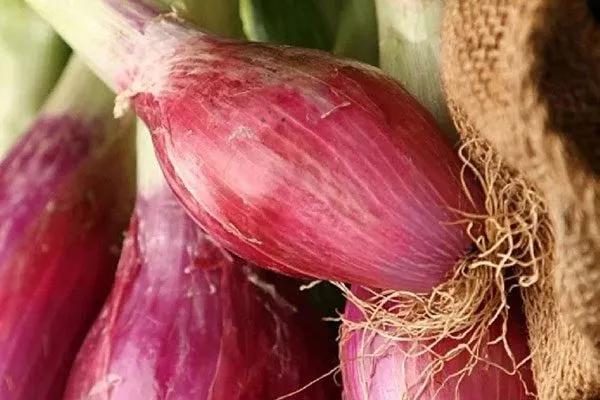
It's rich in antioxidants, which help protect the body's cells from free radical damage. Onions contain vitamins C and B6, folate, and the minerals iron and potassium.
Subtleties of growing
Growing Red Feather onions requires some special considerations and care to ensure a good harvest. Key aspects of cultivation and care include:
- Prefers sunny sites with well-drained soil. Prepare the soil by adding compost or humus to improve fertility.
- Select healthy, large bulbs for planting. Plant them at a depth of approximately 2-3 cm, with a spacing of approximately 10-15 cm between plants.
- Water your onions regularly, especially during dry periods. Moderate but regular watering helps promote the formation of large bulbs.
- Apply fertilizers high in phosphorus and potassium before planting. Additionally, apply nitrogen fertilizers at the beginning of growth and phosphorus-potassium fertilizers during bulb formation.
- Mulch the soil to retain moisture and reduce weed growth. Weed rows regularly to reduce competition for nutrients.
- The crop may be susceptible to downy mildew and onion fly. Use plant protection products and practice crop rotation to prevent the spread of diseases.
The qualities and complexities of agricultural technology
Before planting a crop, study its positive and negative qualities to avoid various problems. Advantages include:
- early ripening;
- high productivity;
- pleasant taste;
- possibility of cultivation throughout the country.
Reviews
The Red Feather onion is a productive crop with a unique flavor. Many gardeners call it an indispensable aid in creating delicious and healthy dishes. Thanks to its excellent qualities, this variety has earned a well-deserved reputation. Even novice gardeners can grow it thanks to its ease of maintenance and resistance to various weather conditions.