
The Crab onion is a multi-celled shallot variety with a pleasant flavor and attractive appearance. This onion is versatile, productive, easy to grow, and has all the qualities to become one of the most popular varieties among our gardeners.
Characteristics of the plant and bulbs
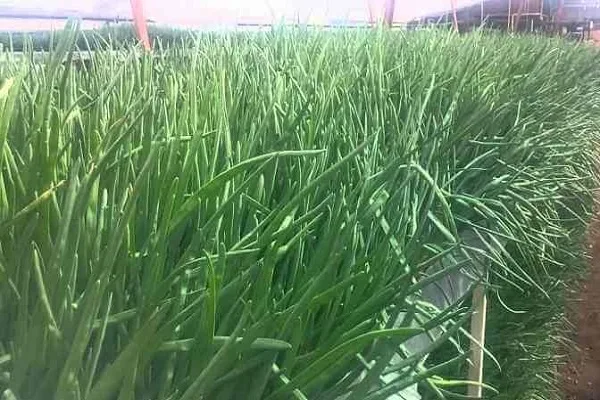
The plant reaches 30-40 cm in height. It has long, narrow leaves (feathers) of green color. The flowers of the crab onion are whitish or pink, collected in umbel-shaped inflorescences.
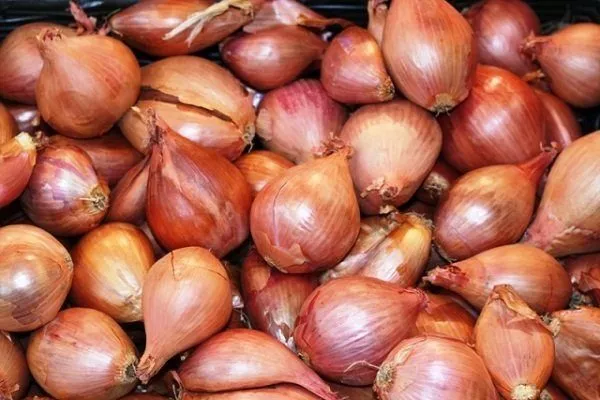
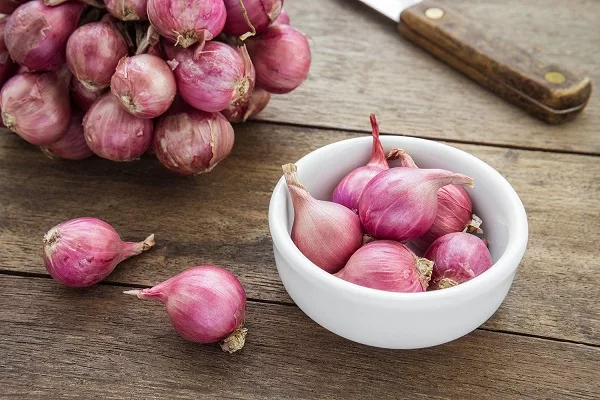
The bulb is round-oval, covered with dry pink scales. The juicy scales are purple. Each bulb weighs up to 70 g. The average number of bulbs in a cluster is 5 to 7. The maximum number is 25.
Taste and purpose
The Crab shallot variety has a surprisingly bright and rich flavor, making it highly prized by professional chefs. This shallot has a pleasant, semi-sharp taste. The pink-purple bulbs are used in a wide variety of dishes, including roasts, stews, and many others.
Productivity and ripening time
The Krab shallot is a mid-late variety, with a growing season of 55-60 days. The yield of shallots is 3.1 kg/sq.m, and the bulb yield is 1.2 kg/sq.m. The variety is resistant to drought, cold, and temperature fluctuations.
Pros and cons
When planning to plant Crab onions in your garden, consider all of its advantages and disadvantages. This will help you determine whether this shallot variety is suitable for your needs.
Advantages:
No shortcomings were found in the Crab variety.
Landing features
Crab onions grow well in the garden, greenhouse, hotbed, and even on the balcony. The key to successfully growing this shallot is proper planting. It's important to choose the right location and plant the onions at the right time.
Landing features:
- Crab shallots grow best in well-lit areas. Stagnant water is not recommended for this crop.
- Onions can be planted in the spring—March-April—or in the fall. Spring onions yield a harvest in July-August of the current year, while fall onions yield a harvest in May-June of the following year.
- The soil should be fertile and neutral. Shallots grow worst in acidic, heavy, and wet soils. Fertilize low-fertility soils in the fall, adding rotted manure or compost at a rate of 3-4 kg per square meter.
- Small bulbs (2-4 cm in diameter) are used for planting. Small holes 5-6 cm deep are dug in the beds for them. The optimal spacing for Crab onions is 20 x 10 cm. When planting the bulbs, it's important not to twist or press them in. After planting, the tops of the bulbs should be visible from the holes.
Growing Crab Shallots from Seeds
Crab onions can be grown not only from sets but also from seeds. However, this process is quite labor-intensive.
Features of growing shallots Crab from seeds:
- The soil for onions is prepared in the fall by adding compost and superphosphate, then the beds are formed and left until spring. Just before planting, the soil will need to be loosened slightly.
- To ensure faster germination, seeds are germinated before sowing. To do this, wrap the seeds in damp cheesecloth and place them in a container of water. Leave them there for two days at room temperature.
- Sowing takes place in late April or early May. The seeds are sown in furrows dug in the beds, 3 cm deep. The seeds are first covered with soil, then with a thin layer of peat or rotted compost. During the initial season, shallots are watered frequently.
The seeds sprout and quickly develop into lush greenery. After 20-25 days, you can harvest the first crop.
How to care for Crab shallots?
The taste and size of the bulbs, the quality of the greens, and the overall harvest quantity directly depend on the regularity and correctness of care.
Care features:
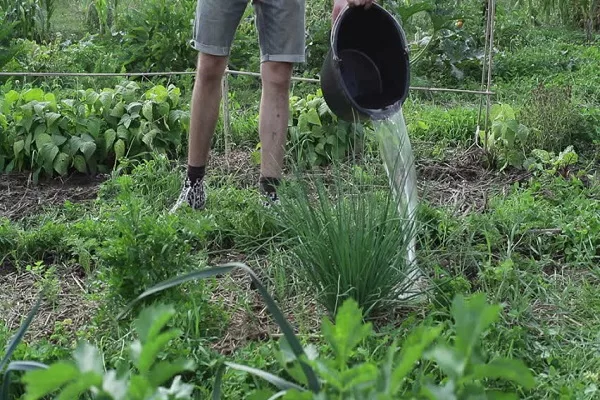
- Plants are watered frequently, up to four times a week. The main thing is to prevent the soil from drying out and moisture from stagnating in the beds. Watering is stopped three to four weeks before harvest.
- The beds are loosened and weeded as needed. This should be done carefully to avoid damaging the shallot roots; it's best to loosen and weed the beds in the evening.
- The Crab onion is responsive to fertilizer and can be fed with organic matter, such as compost, as well as granular mineral fertilizers. Fertilize twice per season.
Shallots are fertilized for the first time in early spring, when the plants have three green leaves. Use a weed infusion diluted with water at a ratio of 1:3, along with urea or carbamide. The second time, when the onions have five leaves, they are fertilized with phosphorus and potassium. - If shallots are grown for bulbs, the seedlings are thinned in June. Simultaneously with thinning, the onions are fed with compost and superphosphate, and the shoots are pinched off.
Diseases and pests
The greatest danger for any shallot is neck rot. It occurs in high humidity conditions, and infection can occur during storage of planting material and when grown in beds. To prevent reinfection, shallots should not be replanted in their original location for at least 3-4 years after cultivation.
Shallots are also susceptible to certain fungal diseases, which typically occur due to overwatering and poor agricultural practices. The most common are powdery mildew (common and downy mildew) and peronosporosis. When symptoms of these diseases appear, treat the plants with Quadris or similar products.
Among the insect pests, the most dangerous to the Crab shallot are onion moth, stem nematode, winter and potato cutworms. A variety of folk remedies are used to control them, and in case of widespread infestations, appropriate insecticides are used.
How to harvest and store crops?
Harvesting takes place in dry, sunny weather, after 50-70% of the green foliage has lodged. The onions are dug up and thoroughly dried, first in the garden beds. Then, for another two weeks, they are left outdoors, but under cover to protect them from rain.
Before storing, trim off dried leaves from the onions, leaving only thin necks 3-5 cm long. Onions stored must be fully ripe and well-dried to prevent rotting.
Shallots are stored in wooden crates or cardboard boxes. The storage area should be dry, with the temperature maintained between 0 and +3°C. Warm conditions cause onions to lose quality and flavor.
Reviews
Experts say the Crab onion is one of the most vibrant and interesting shallot varieties. It will be especially appreciated by gardeners and homesteaders who enjoy cooking, preparing original dishes, and experimenting with flavors.