
The Comet onion is a unique hybrid that combines high yield, disease resistance, and unrivaled flavor. It quickly gained popularity among gardeners due to its superior characteristics and versatility. Proper care is essential to ensure good yields.
History of origin
This is the result of research conducted by Czech breeders. In 2002, employees of the international agricultural holding company Nunems began working on creating a new onion hybrid.
Characteristic qualities of the variety and appearance
It stands out among its relatives due to its attractive commercial appearance. The crop has a number of distinctive features:
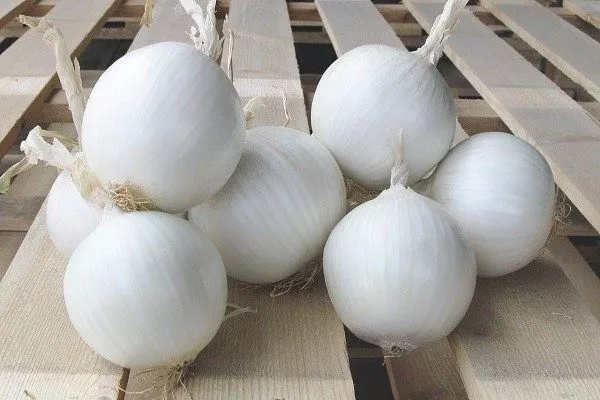
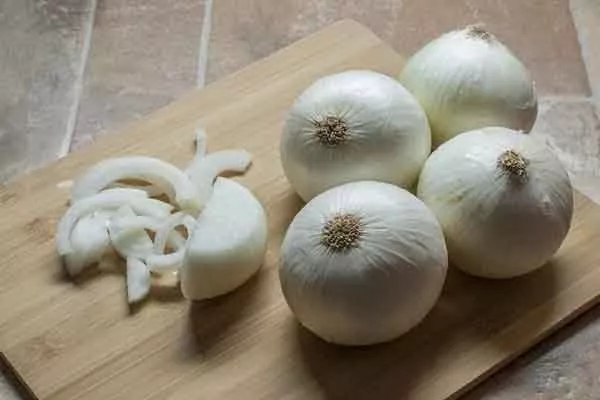
- Round, neat and even bulbs belong to the medium-fruited category.
- On average, the weight is 50-70 g, but sometimes larger specimens weighing up to 110-130 g are found.
- The surface is smooth and shiny, covered with tightly fitting scales of an unusual white color.
- The flesh is snow-white, slightly transparent and dense.
- The Comet onion is a small-celled variety with a single bulb. Dug-out onions transport well and can be stored for some time in a cool, ventilated container. They can be stored for 6-8 months without losing their flavor or commercial qualities.
- This hybrid has excellent flavor. The snow-white flesh is juicy, meaty, tender, flaky, dense, and crisp. The flavor is balanced—sweet with a slight spiciness, without a strong heat. The flesh contains over 8% sugar, vitamins, trace elements, and fatty acids.
- The advantage of this crop is its distinct aroma, making it ideal for fresh vegetable salads, meat dishes, pickling, and canning.
This mid-season crop is harvested in large numbers 125-135 days after the first shoots emerge. The roots ripen simultaneously, significantly reducing labor costs during harvesting. In most regions, harvesting occurs in mid-August.
Planting and care rules
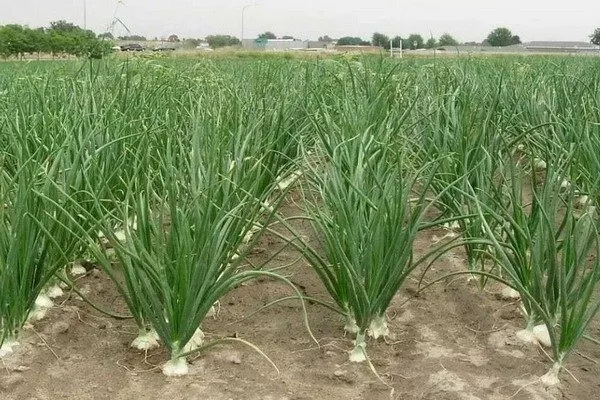
The hybrid can be grown either by sowing seeds or by planting annual onion bulbs deep in the ground. Sow seeds for seedlings in mid-February, and transplant the mature seedlings to their permanent location in the first ten days of May.
A simpler agricultural method is to use onion sets—plant them directly into open beds during the second ten days of April. Follow these recommendations:
- Choose a well-lit planting site with nutritious and permeable soil.
- Avoid low-lying or swampy areas as high humidity can encourage the growth of putrefactive microorganisms.
- The sowing depth should be 2-3 cm, and the classic planting pattern is 10 x 20 cm. The yield can be significantly increased by following crop rotation rules.
This easy-to-grow crop requires minimal care. During summer droughts, water the area regularly. You can optimize watering with a drip irrigation system.
Regular loosening of the soil and removal of weeds will ensure air access to the plant roots. The hybrid responds well to both mineral and organic fertilizers.

Resistance to diseases and pests
The high-yielding Kometa onion variety is virtually immune to diseases and pests, but it is occasionally attacked by onion flies. This pest can be prevented by planting it in combination with carrots or regularly spraying the plants with folk remedies.
Advantages and disadvantages
To obtain a high-quality harvest in the planned quantity and to optimize financial resources and labor costs, carefully study all the varietal characteristics of the crop before purchasing seed material.
The most significant positive characteristics of the Comet bow include the following parameters:
In terms of agronomy, it's important to consider the disadvantages as well. The crop has one drawback: the inability to harvest the seeds yourself.
Reviews
The Comet onion is an excellent choice for those seeking a bountiful harvest of high-quality, delicious produce. Its low maintenance, disease and pest resistance, and excellent storage properties make this hybrid an indispensable choice for both small garden plots and large-scale farms.