
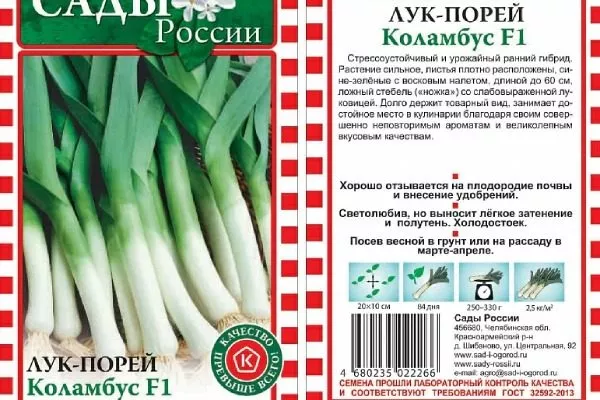
Columbus is a member of the onion family, recognized for its unique qualities and robustness. This variety quickly gained popularity not only in Europe but also beyond. This makes the leek unique. It offers numerous benefits to gardeners and gourmets, but requires careful care.
Who developed the variety and when?
It was developed about 20 years ago by Dutch agronomists from Bejo Zaden BV. After undergoing a series of tests and checks, it was added to the State Register in 2005 and approved for use in Russia. It is grown in various regions of the country, from the southern to the northern.
Characteristics of the appearance of the plant and bulbs
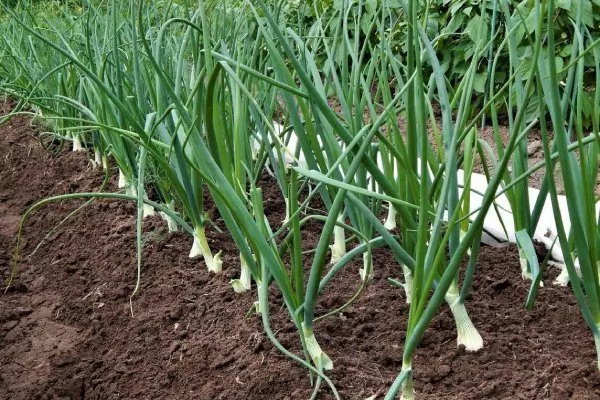
The plant is vigorous, with a dense above-ground portion and a developed root system. It has a dense rosette of numerous fleshy pinnae, reaching a height of 70-80 cm. They are gray-green or pale green in color, without traces of anthocyanin coloration.
Taste characteristics and purpose
The value of this vegetable lies in its bleached bulbous stem and fleshy feathers. Distinguishing qualities:
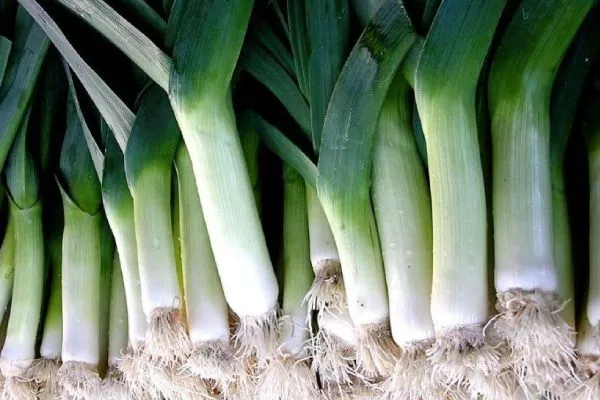
- The snow-white onion has a fleshy, juicy, moderately dense and slightly crunchy texture.
- The bulb is 20-30 cm long and 4-5 cm in diameter. It has a medium density and consists of numerous closely packed white scales.
- The weight of the whole plant is 300-400 g.
- It stands out among other varieties with its excellent taste, which combines a slight spiciness, sweet notes and a subtle onion aroma.
- The smell of juicy and fleshy feathers is more pronounced.
- The pulp is rich in ascorbic acid, beta-carotene, iron, vitamins B, E and A.
This variety has a versatile use. The white part of the bulb is added to vegetable salads and various meat and fish dishes. The leaves are widely used for preserving vegetables and making a variety of marinades.

Ripening and yield
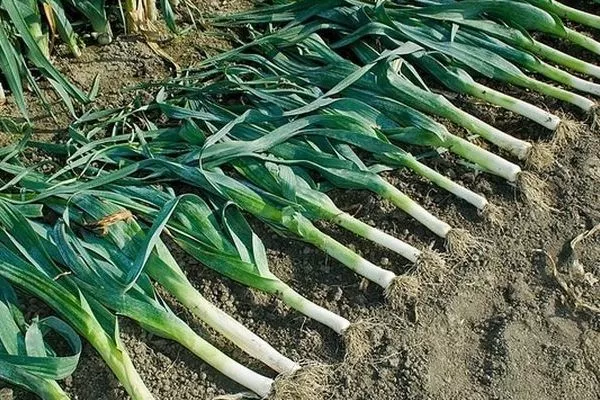
Columbus is a mid-early variety. From mass germination to full maturity, the bulbs take less than three months—approximately 85 days. The harvest begins in July and continues until September.
To carefully remove the bulb, dig a small hole and gently pull it out. Leave the top about 20 cm from the fork and trim off the rest. This variety is highly productive, yielding an average of 3.1 kg per square meter.
| Factor | Impact on yield | Optimal parameters |
|---|---|---|
| Temperature | +18…+22°C during the day | +12…+25°C |
| Daylight hours | 14-16 hours | At least 12 hours |
| Soil moisture | 70-75% of the maximum permissible dose | Not less than 60% |
| Planting density | 30-35 plants/m² | 25-40 plants/m² |
Soil requirements
The crop thrives in medium-loamy soils with good fertility. The soil should be loose, moisture-retentive, breathable, and slightly acidic. Before planting, thoroughly prepare the soil: dig, fertilize, and moisten.
| Indicator | Optimal values | Critical deviations |
|---|---|---|
| pH | 6.0-6.8 | Below 5.5 or above 7.2 |
| Humus | 3.5-4.5% | Less than 2% |
| Density | 1.1-1.3 g/cm³ | Above 1.5 g/cm³ |
| Moisture capacity | 70-75% of the maximum permissible dose | Below 60% or above 85% |
Resistance to diseases and pests
Leeks have a strong immune system, making them resistant to a number of diseases, including downy mildew, leaf rust, and tobacco mosaic virus. They are also resistant to pests, making them resistant to snails and onion flies.
Pros and cons
The culture boasts numerous varietal characteristics, which have contributed to its rapid spread and popularity. It attracts attention with the following advantages:
Despite all the advantages, this variety has some limitations, such as the need to maintain crop rotation and the requirement to use only warm water for irrigation.
Landing features
Columbus is grown using both seedlings and transplants, and is planted using sets. Seedling cultivation is more popular, as it allows for earlier harvesting. Direct sowing of seeds is possible in regions with mild and warm climates.
Helpful tips:
- Grow seedlings in a greenhouse. Germination occurs two weeks after sowing.
- Place the seeds 2 cm deep into the soil substrate, with a distance of 4-5 cm between rows.
- Sowing should be done in March and transplanting into the garden bed after 60-65 days (in May).
- Plan to sow seeds directly into the ground in late May or early June. Winter planting is also possible.
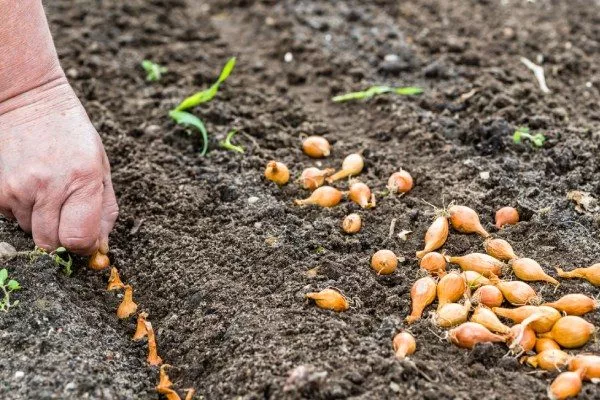
- There are some subtleties to growing onion sets. Plant when the soil and air are well-warmed, usually in the last week of May or early June. Plant at a spacing of 7-10 cm by 50-60 cm.
Subtleties of agricultural technology
Caring for the crop is quite simple. Follow simple agricultural practices:
Schedule of major works
- Phase 3-4 leaves: first nitrogen fertilization (10 g/m²)
- Beginning of bulb formation: potassium-phosphorus fertilizers (8 g/m²)
- 3 weeks before harvesting: stop watering
- After harvesting: treat the bulbs with a 0.2% solution of Fitosporin
- Watering. Water the plants every 3-4 days, especially during dry or hot periods. Keep the soil consistently moist, but avoid overwatering, which can promote rot.
- Loosening and weeding. These procedures help keep the soil loose and weed-free. This improves oxygen access to the roots and reduces competition for nutrients.
- Fertilizers. Apply fertilizer several times per season. This helps provide the plants with the necessary nutrients. The optimal times for fertilizing are at the beginning of the growing season and during the formation of the bulbous portion.
- Hilling. Carry out the procedure twice a season to improve the soil structure around plants, retain moisture, protect the root system from overheating and ensure plant stability.
Reviews
Columbus onions are a source of pleasure and benefit for healthy eaters and gardeners. Early maturity, excellent fruit production, stress resistance, and excellent marketability make them an ideal choice for planting. With proper and timely care, you can reap bountiful harvests of vegetables that will last until spring.