
The Classic onion is used in a variety of dishes, from salads to meat dishes, making it one of the most sought-after kitchen staples. This variety boasts high yields and excellent flavor. It's easy to grow, but requires careful care, as the bulb's size depends on it.
History of origin
In 2016, the Klassika onion variety was approved for use. The variety's authors are A. N. Khovrin, S. V. Maksimov, N. N. Klimenko, and M. G. Ibragimbekov.
Description and characteristics of the Classic onion variety
It belongs to the category of early-ripening varieties. It ripens 100-120 days after germination. It is grown from seed as an annual crop. It takes two years of growing season to produce sets.
Germination begins at temperatures of +3-5°C. During the loop formation stage, it cannot tolerate temperatures below -1-3°C, which may kill the seedlings. In moderate climates, protect the plant from possible recurrent frosts during the early stages of development.
The crop is drought-resistant and can go for long periods without watering during the ripening period. During the formation of green mass, a lack of moisture is undesirable, as it can lead to stunted development and negatively impact yield. Onions are grown both as sets and seedlings.
Appearance
Onions are perennial herbaceous plants, edible and widely used in cooking. Biological characteristics:
- Leaves - Tubular, numerous, with a hollow structure, they are rich in juice and contain no tough fibers. The characteristics of the leaves do not change during maturation.
- Aboveground part - dark green, grows up to 15-20 cm in height.
- Peduncles (arrows) – thick and rigid, reaching up to 35 cm. A spherical umbrella-shaped inflorescence forms at the top.
- Flowers – simple, small, bisexual, white in color.
- Seeds – numerous, black, flat on one side, convex on the other.
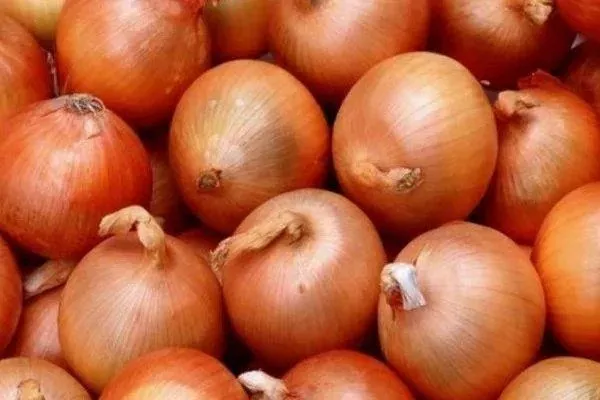
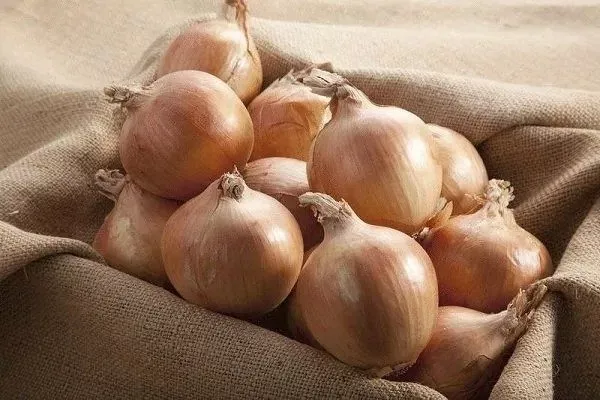
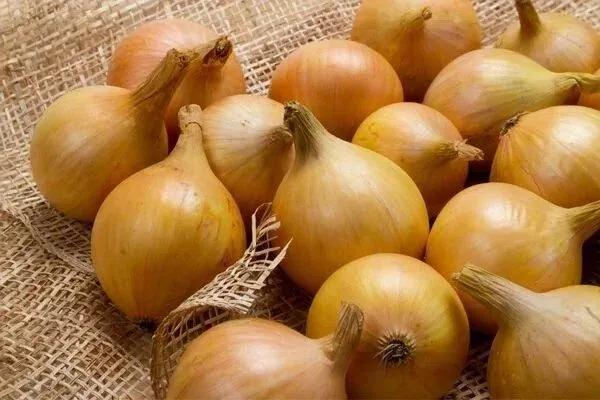
- Onion - round in shape, weighing from 100 to 130 g. The outer dry layers are light brown in color, the inside is juicy, white, sometimes with a green tint.
- Aroma – characteristic of a culture.
The bulb's neck is narrow, with 2-3 rudiments. The thinner this part of the plant, the better and longer the vegetables retain their marketable appearance and nutritional value.
Taste characteristics and purpose
The Classic onion has a pleasant, semi-sharp flavor without harshness or bitterness, with a slight piquancy. It's ideal for eating fresh, adding flavor and aroma to fresh salads, soups, or main courses.
The bulbs store well, allowing you to use them at any time to prepare various masterpieces. They are ideal for preserving in sliced form, as the rings are fleshy and thick, making this variety an excellent choice for drying.
Productivity, when does it ripen?
Harvesting begins when the leaves dry and fall to the soil surface. This occurs from mid-July to early August, although the exact timing may depend on the summer temperature and humidity. Classic varieties are high-yielding, yielding approximately 9-10 kg of onions per square meter of garden bed.
Resistance to diseases and pests
The crop is rarely susceptible to infections and pests. However, in damp weather and low temperatures (below 12°C), fungal diseases such as powdery mildew and fusarium are possible.
To prevent this, regularly monitor watering, reduce dense plantings by thinning, and remove any damaged plants. Preventively treat vegetables with a 1% Bordeaux mixture solution.
Necessary climatic conditions
The classic variety is recommended for cultivation in the North Caucasus region, but it easily adapts to various climatic conditions, allowing it to be successfully grown in other areas as well.
Advantages and disadvantages
The Classic has one drawback - a tendency to shoot.
Landing features
To achieve a bountiful harvest, choose a sunny growing location. Place the onion bed out of shade and protect it from northerly winds. The soil should be aerated, light, and fertile, preventing waterlogging. The soil composition should be slightly alkaline; adjust it if necessary in the fall.
Growing Classic Onions from Seeds
Collect planting material in the third ten days of August. Use large seeds for sowing, storing them in a dry place. Sow directly into open ground, approximately in mid-April.
Landing algorithm:
- Prepare the area in the fall by digging it and raising the bed by about 20 cm. Add compost to the top layer of soil.
- At the beginning of the season, loosen the soil and remove any remaining weed roots.
- Make longitudinal furrows at a distance of 20-25 cm and a depth of 2 cm.
- Disinfect planting material in a manganese solution before sowing.
- Once the seedlings emerge, thin the onions, leaving a gap of 5-6 cm between plants.
- You can use the seedling method. To do this, sow the seeds in March, keeping in mind that the seedlings will need to be planted outdoors in two months. Grow them as usual, providing 13 hours of direct sunlight and watering as the top layer of soil dries at a temperature of 20-22°C.
Planting onion sets
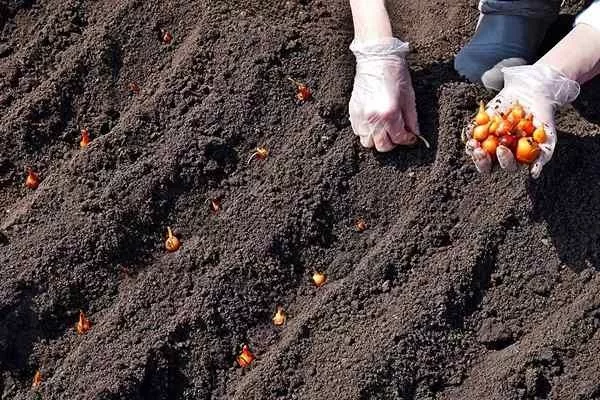
You can purchase onion sets or grow your own. Mother plants grown from seeds should be planted separately. When buds appear on the receptacle, remove them; the onion will begin to form replacements in the form of small bulblets.
Step-by-step instructions:
- Prepare the area by digging it. If the soil is heavy, add sand to improve its structure.
- After this, scatter organic fertilizer on top and work it in to a depth of 4 cm.
- Make furrows at a distance of 25 cm. Determine the depth based on the height of the onion sets: the neck of the onion should protrude slightly above the soil surface.
- Warm the planting material for 12 hours, then treat it with an antifungal preparation.
- Trim the top of the onion neck by 30 mm.
Spread the material evenly in the furrow, spacing it 6-7 cm apart, and cover with soil. If the soil is dry, water it.
Care instructions
Water onions as needed. They don't require frequent watering and easily tolerate short-term droughts.
Care measures:
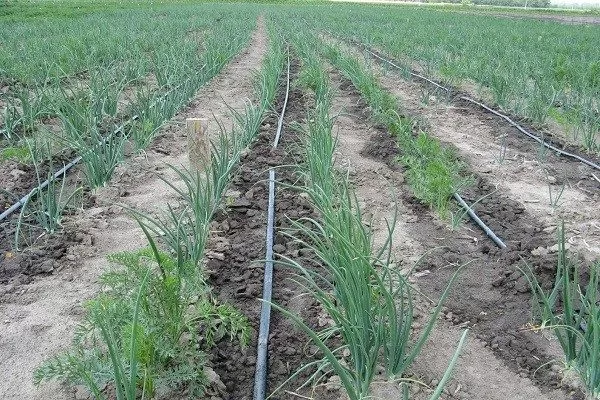
- At the beginning of growth, water once a week; by mid-June, reduce the amount by half. In July, stop watering completely, especially if the summer is rainy. In extreme heat, water several times, but avoid getting water on the stems and root collar.
- Fertilize onions at least twice per season. Three weeks after planting in their permanent location, fertilize with urea and sulfur. Urea provides nitrogen, and sulfur protects against fungal diseases. A month before harvest, apply a potassium-phosphorus fertilizer (monopotassium phosphate).
- It is useful to treat onions with Fitosporin several times per season.
Gardeners' reviews of the Classic onion
The Classic onion is popular among gardeners and chefs due to its superior qualities. From simple home-cooked dishes to sophisticated culinary masterpieces, this vegetable imparts vibrant flavors and aromatic nuances. Proper care is essential to ensure bountiful harvests, high-quality bulbs, and plump, plump tops.