
Chinese garlic onion (dzhusai) is a unique crop used not only in Eastern cuisine for its rich aroma and pleasant taste, but also as an ornamental plant in gardens. This onion variety is easy to grow and produces a high yield, making it a popular choice among gardeners. Proper care is essential.
What is Chinese garlic onion?
This plant is closely related to onions and garlic, but has its own unique characteristics. It looks like a common vegetable, but has thinner, longer leaves, like shallots. It is prized for its nutritional properties – it is rich in vitamins A and C, and minerals such as potassium and iron.
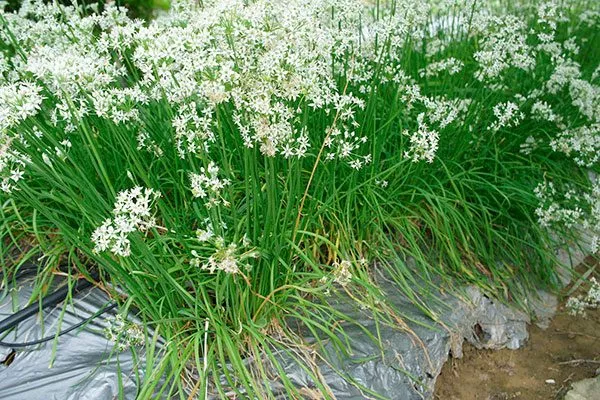
The main difference lies in its aroma and flavor. The leaves have a distinct garlicky aroma, so this variety is often used in cooking to add a special flavor to dishes. It is popular in Asian, Chinese, and Vietnamese cuisines as a seasoning or filling ingredient.
Taste characteristics and purpose
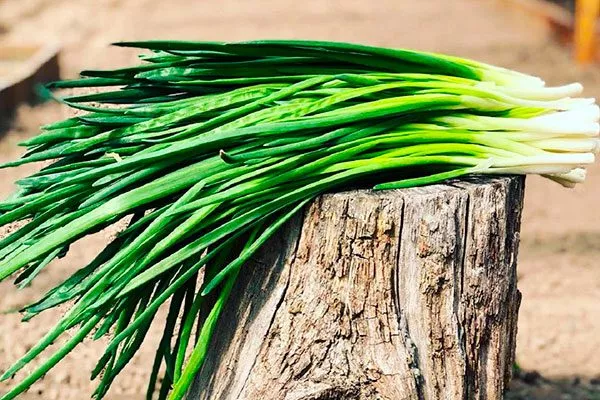
It has a spicy, semi-hot flavor with light garlic notes, making it an excellent choice for a variety of dishes. In Eastern cuisine, it is often used to create aromatic sauces, salads, and other dishes, adding a touch of sophistication.
Onion Dzhusai – the main characteristics of the plant
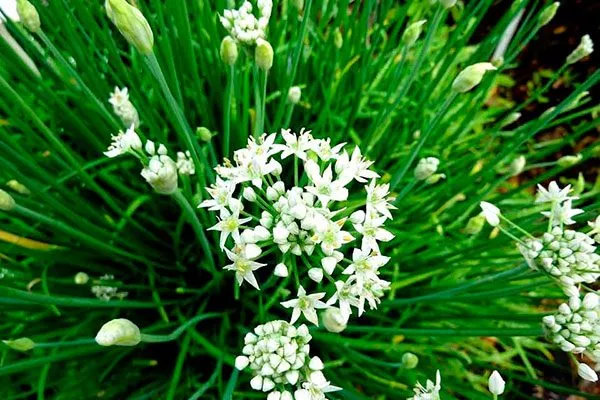
Chives are a perennial herb native to Asia, known for their rich, spicy aroma. Key characteristics include:
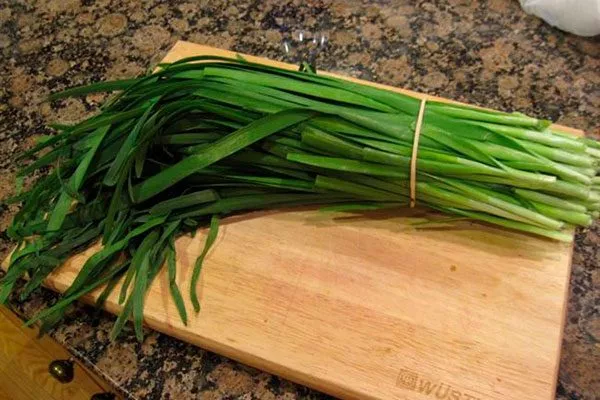
- Leaves - elongated up to 30-50 cm, bright green in color, with a light waxy coating on the surface.
- Feathers - thin, long and flat, with a distinct garlic aroma.
- Bulbs - Small, false, up to 1.5-2 cm in diameter, ovoid in shape. They are tasteless and not edible.
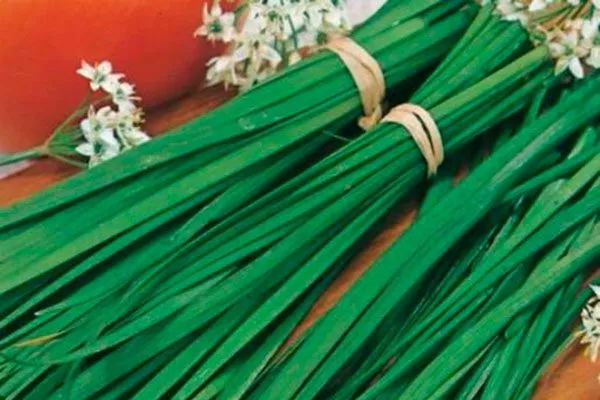
Harvest the fragrant leaves from mid-July to early August. The cut leaves should be at least 20-30 cm long. Cut the leaves 2-3 times during the season, making the final cut 2 months before the first frost. The yield is approximately 4-5 kg per square meter.
The best varieties
| Name | Ripening period | Cold resistance | Harvest yield (kg/m2) |
|---|---|---|---|
| A priori | Mid-season (37 days) | High | 4-5 |
| Caprice | Mid-season | Average | 1.5 |
| Spicy | Mid-season | Average | 1.5 |
There are many varieties of chives, each with its own unique characteristics. Some deserve special attention:
- A priori. This mid-season variety develops fully in 37 days. It is cold-resistant and high-yielding, making it popular for salads.

- Caprice. A mid-season variety with flat, narrow leaves and a mild garlic flavor. It can yield up to 1.5 kg per square meter per harvest.
- Spicy. Characterized by its longevity and mid-season ripening period, its green leaves reach 30 cm in length and 1 cm in width, with a mild garlic flavor. The yield of a single cutting reaches 1.5 kg per square meter.
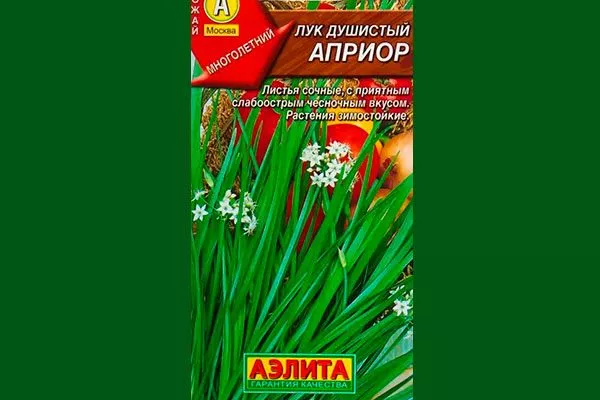
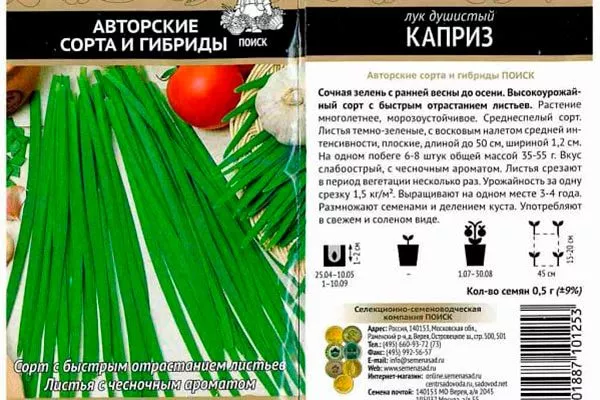
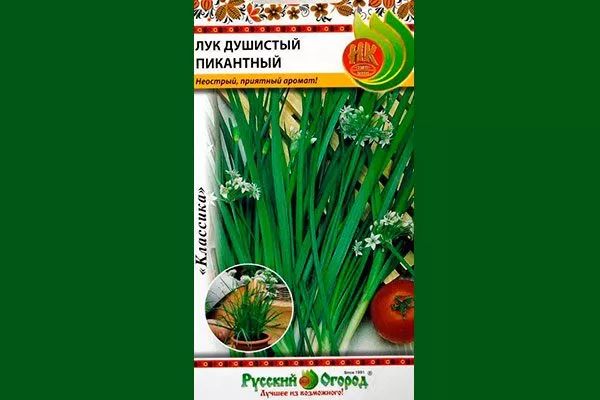
Each of these varieties has its own unique characteristics, making them suitable for different needs and growing conditions.
Advantages and disadvantages
Before planting a crop, study its pros and cons. Chinese garlic has many advantages:
Growing onions
This crop can be grown in a variety of climates. This plant has low soil requirements and can tolerate light frosts and drought. When growing, it's important to properly prepare the seed and follow the recommended planting times and schedule.
Selecting a location and soil
Choose sites with varied soil types, excluding sandy soil, as this can negatively impact the flavor and shelf life of greens. Avoid growing Chinese onions in beds previously occupied by cabbage or potatoes. The site should be well protected from drafts.
Before sowing, prepare the area: dig over and fertilize with a mixture of 10 kg of humus, 30 g of superphosphate, 200 g of wood ash, and 20 g of potassium-containing fertilizer per 1 square meter. In the spring, before sowing, dig the beds again and fertilize with ammonium nitrate.
Sowing seeds
Begin the process in early spring, as the crop is frost-resistant. Preparing the seeds before sowing is an important step:
- Fill them with water heated to 40°C and leave for 8 hours to germinate.
- Drain the water and soak the seeds in clean liquid, leaving them for 48 hours.
- ✓ The water temperature for soaking seeds must be strictly 40°C, a deviation of more than 2°C reduces germination.
- ✓ The time for soaking seeds in clean water after warming up is 48 hours; a shorter time does not ensure sufficient swelling.
Seeds are used for growing seedlings, since direct sowing into open ground is practically not recommended due to low germination.
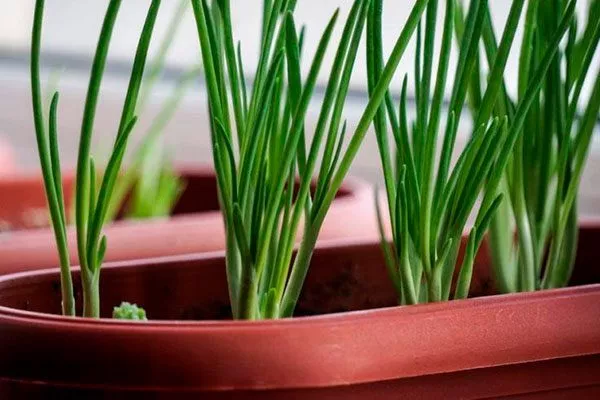
Sowing scheme:
- Prepare a nutrient substrate consisting of sand, peat and garden soil in equal parts.
- Disinfect by heating it in the oven at 180°C for 30 minutes or by pouring potassium permanganate over it.
- Fill a plastic container with the prepared substrate and make furrows up to 2 cm deep on its surface.
- Place the seeds 2-3 cm apart.
- Sprinkle the seeds with a thin layer of soil and moisten with a spray bottle.
- Cover the container with plastic wrap and place in a cool, well-lit place.
After 6-8 weeks, when 3-4 true leaves appear on the seedlings, they will be ready for transplanting into open ground.
Transplanting seedlings into open ground
For best results, carry out the procedure in March or April, when the air temperature reaches at least +3°C. Seedling planting pattern:
- Prepare the soil on which the beds will be located and make furrows, leaving a distance of at least 30 cm between them.
- Water the beds generously to moisten the soil before planting.
- In each furrow, make planting holes at a distance of about 20 cm from each other.
- Place the seedlings, making sure the roots are evenly distributed.
- Fill the holes with a layer of soil without compacting it.
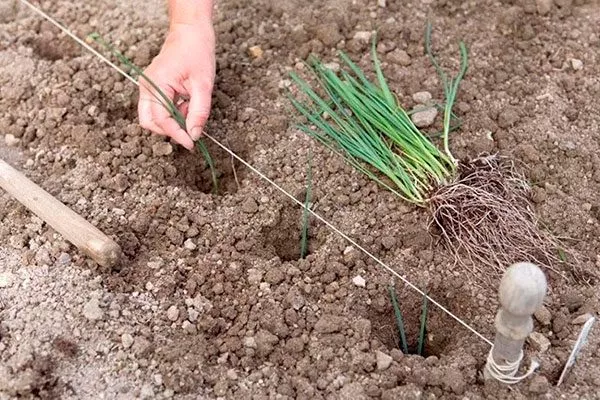
After planting, water the seedlings generously again to ensure the soil is sufficiently moistened.
Propagation by dividing the rhizome
For growing by rhizome division, select plants older than 3-4 years. Step-by-step process:
- Divide the rhizome into several parts so that each part has 2-3 strong and well-developed bulbs.
- Prepare the bed by making a furrow 6-8 cm deep.
- Water them generously with plenty of water to moisten the soil.
- Place the planting material in furrows at a distance of 15-20 cm from each other.
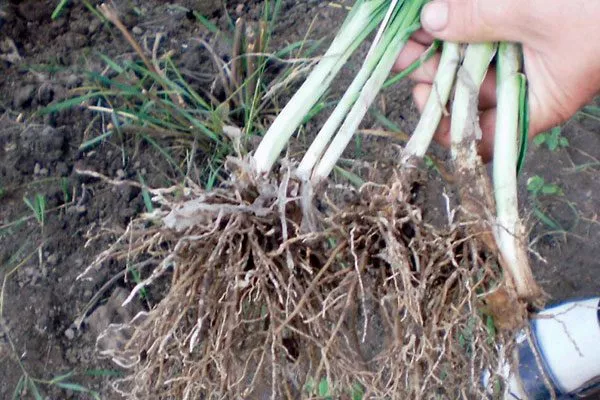
Cover with soil and water thoroughly to ensure adequate moisture.
Caring for onions
Although easy to grow, the onion plant requires certain care measures to ensure vigorous growth and abundant fruiting. Key aspects of cultivation:
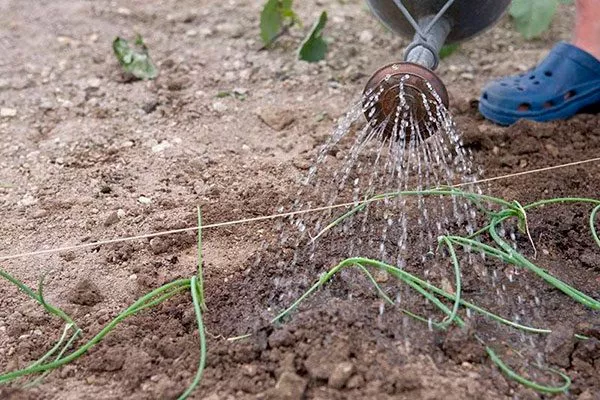
- Watering. During the first year, the plant doesn't require frequent watering. Moisten the soil only during dry periods, monitoring its condition. Excessive moisture can cause the foliage to wilt and develop a bitter taste. In the second year, increase the watering to 2-3 times per month, using 30 to 50 liters of warm, settled water per square meter.
- Top dressing. Fertilize the crop twice per season. In spring, apply urea (5-10 g per square meter) immediately after the emergence of strong green shoots. After 15 days, apply a second fertilizer containing Ferovit to stimulate crop development.
From the second year, use a solution of chicken manure diluted with water in a ratio of 1:12. - Loosening. Regularly loosen the soil to ensure oxygen reaches the roots and reduce weed competition. This promotes more vigorous growth.
- Protection from diseases and pests. After harvesting, fertilize the soil with a mixture of superphosphate, ammonium nitrate and potassium chloride to strengthen the plants' immune system and prepare them for winter.
- The first feeding should be done with urea (5-10 g per 1 sq. m) immediately after the sprouts appear.
- The second feeding should be carried out after 15 days using Ferovit to stimulate growth.
- From the second year, use a solution of chicken manure (1:12) every 3 weeks until the end of the season.
Reviews
Chinese garlic is not only a valuable ingredient for culinary experiments but also a stunning plant that can decorate a garden with its graceful green leaves. Its ease of growing and care makes it an ideal choice for beginning gardeners, while its high yield and beneficial properties make it a perfect choice for experienced lovers of healthy and tasty greens.