
The Candy onion is a popular variety that has received many positive reviews from gardeners across the country. It exhibits disease resistance and is rarely attacked by pests. It produces high-quality, delicious-tasting onions. It's important to provide this variety with timely and consistent care to ensure it develops its full varietal characteristics.
Features of the variety
This hybrid onion variety is noteworthy for its low maintenance and strong immunity, provided proper cultivation and care are followed.
History of origin
It was developed by foreign breeders and included in the State Register in 2006. It quickly spread throughout the country and is now grown in various regions, from southern to northern latitudes.
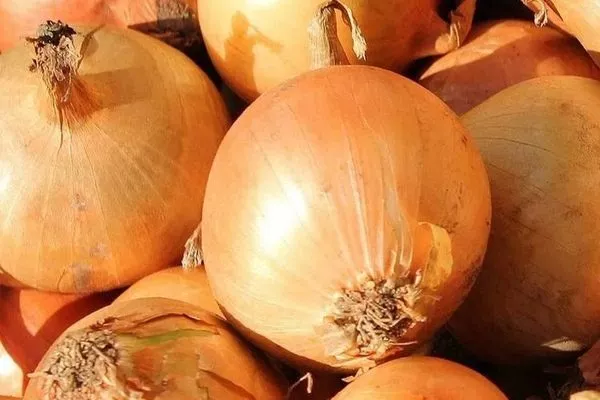
Appearance of the plant and bulbs
The leaves grow low. The hybrid has the following distinctive features:
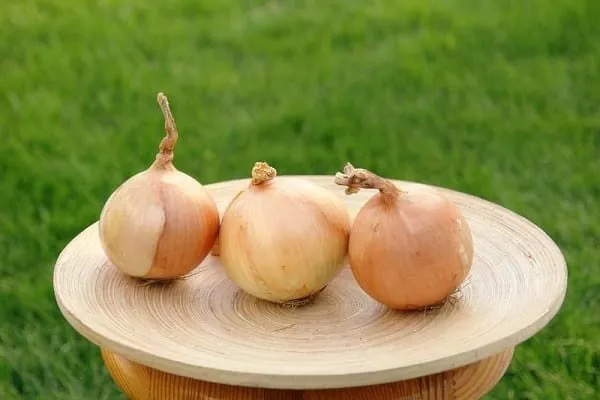
- The shape of the bulbs is obovate, wide.
- Weight - from 60 to 80 g.
- Scales – dry, colored dark brown.
- Pulp – juicy, crispy, white.
Taste characteristics and application
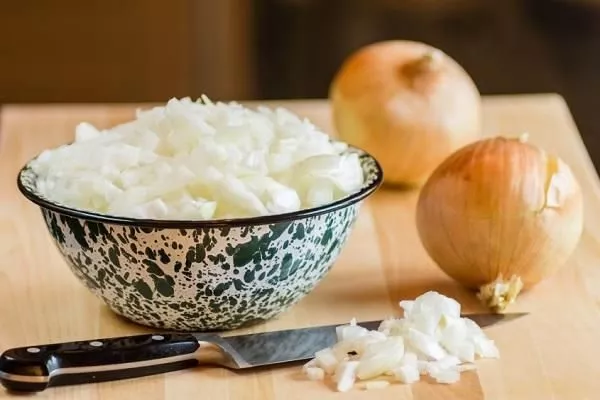
Candy onions have a sweet and mild flavor. They are less pungent and sharp than traditional onion varieties, making them especially enjoyable when eaten fresh.
This versatile vegetable is excellent for eating fresh. It's added to various salads, sandwiches, and appetizers. It pairs well with meat, fish, and vegetables. It's used in soups, stews, casseroles, and other hot dishes.
It retains its juiciness and flavor when cooked, frozen, canned, and pickled. It's added to sauces and dressings to add flavor and aroma.
Maturation
In terms of ripening time, it is classified as a mid-season crop. The growing season lasts from 107 to 109 days.
Productivity
It is characterized by high yields, providing an average harvest of 178 to 355 centners per hectare. Onion maturity after ripening reaches 100%. The shelf life of the bulbs is approximately 4 to 6 months.
Growing regions
It adapts well to a variety of climatic conditions, but the best yields are observed in regions with a moderately warm climate. It is successfully cultivated in the Lower Volga, East Siberian, Ural, Far Eastern, and Central Black Earth regions of the country.
Resistance to diseases and pests
It is characterized by strong immunity and high resistance to most diseases and pests. However, under unfavorable growing conditions or planted in low-lying areas with stagnant water, the risk of root rot and rot of the vegetables increases.
The development of diseases and pest attacks can be prevented by the following measures:
- Disinfection of bulbs. Before planting, soak the seed material in a weak solution of potassium permanganate.
- Preventive treatments. A couple of weeks after planting, spray the bulbs with special solutions.
- Weeding. Remove weeds. This prevents the spread of insects that can destroy the plant.
Experienced gardeners recommend providing drainage in areas with close groundwater levels when planting crops.
Planting dates
Timely planting is the key to good development and a bountiful harvest. Sow seeds for seedlings from mid- to late March, depending on the weather conditions in your region.
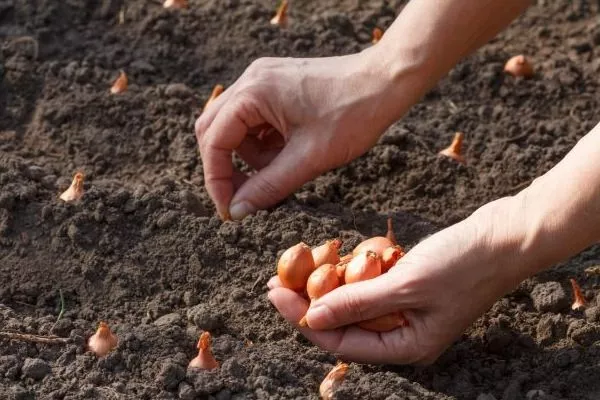
Sow seedlings in open ground in May, when the soil warms up to 13-16°C. Plant sets from late April to May.
Planting by direct sowing into the ground
Sow seeds, spacing 2-3 seeds every 5 cm. For 1 square meter, use 4 g of seeds. Cover the seedlings with a covering material to speed up germination. Remove the covering material once the seedlings emerge.
Place plants in raised beds if the soil is soggy or in level areas during dry summers. Further care includes thinning, as the plant does not tolerate dense planting. Thinning should be carried out after the seedlings have established themselves.
Growing using seedlings
To obtain an earlier onion harvest, sow seeds according to your region's specific climate conditions. The optimal age for transplanting seedlings to their permanent location is approximately 60 days.
Begin preparation by treating the seeds with a weak solution of potassium permanganate to disinfect them. To speed up germination, soak the seeds in a damp cloth for 2-3 days. Dry them and plant them in pre-prepared, loose, nutritious soil. After planting, cover them with soil and water generously with warm water.
Caring for seedlings
Caring for Candy onions requires the right approach. This involves several important steps:
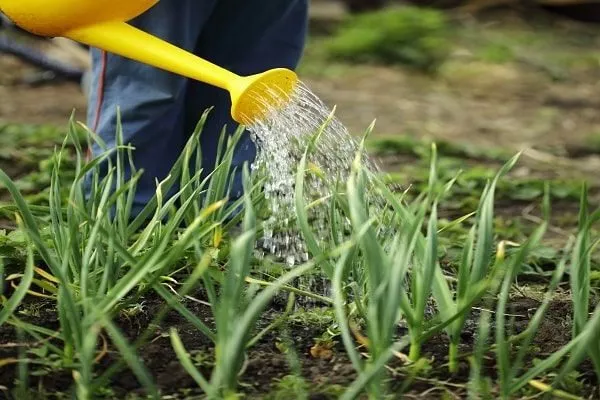
- Watering. Ensure regular watering using room-temperature, settled water. Apply directly to the roots, avoiding contact with the leaves.
- Loosening and weeding. Loosen the soil to ensure oxygen reaches the roots and prevent crusting on the soil surface. Remove weeds to prevent them from competing with the crop for nutrients.
- Top dressing. Fertilize every 10 days. Use diluted chicken manure at a ratio of 1:20. Avoid overfeeding the plants to avoid potential problems.
- Trimming the tops. Once two leaves appear, carefully trim off the tops. This will promote better root development.
- Thinning. As with direct sowing, seedlings need to be thinned. Replant the removed seedlings in individual containers.
- Hardening. Before transplanting into the soil, harden off the seedlings so that they adapt to the new conditions more quickly and do not experience stress.
When transplanting, select large, healthy specimens, discarding weak and small ones. After transplanting, lightly compact the soil around the plants to ensure good root contact.
How to care for it in a permanent location?
Caring for Candy involves several important procedures aimed at ensuring healthy growth and a bountiful harvest. Follow these care steps:
- Watering. Maintain optimal soil moisture levels. Use a drip irrigation system that distributes water evenly and prevents the soil from drying out or becoming overly wet. This helps prevent crusting.
Two weeks before harvest, begin to gradually reduce the volume. - Loosening. After each watering, loosen the soil, which will speed up the flow of oxygen to the roots and ensure better absorption of nutrients.
- Top dressing. Fertilize regularly. Apply fertilizer every three weeks until harvest. Use complex or organic fertilizers that enrich the soil with essential nutrients.
To retain soil moisture, apply a peat or grass mulch. This helps prevent rapid evaporation and maintain a stable moisture level in the plant's root zone.
Advantages and disadvantages of a hybrid
This variety is recommended for growing turnips as an annual crop from seed. It offers several characteristics and advantages:
Candy has no particular disadvantages, but to achieve high yields, it is important to strictly follow the agricultural recommendations for care.
Opinion of summer residents
Candy onions tolerate variable weather conditions and are disease-resistant. They produce a consistent, high-quality harvest. Their compact size and ease of care make them suitable for both experienced and novice gardeners. With proper care, they will reward you with a strong immune system and excellent productivity.