
The Carantanian onion is renowned for its excellent taste and attractive appearance. Many gardeners across the country grow this crop because it has a rich nutritional profile and adds a piquant flavor to dishes. Growing leeks is not difficult, but timely care is essential to maximize yields.
History of the variety's development
It is widely popular and often found in gardens. Developed by plant breeders, it is successfully grown in almost every region of the country due to its ability to adapt to any climate. It was first approved for use in 1961.
Introduction to the variety
This versatile plant boasts strong immunity and many positive qualities. Its excellent varietal characteristics make it a favorite choice for both novice and experienced gardeners in Russia.
Description of the plant, taste and purpose
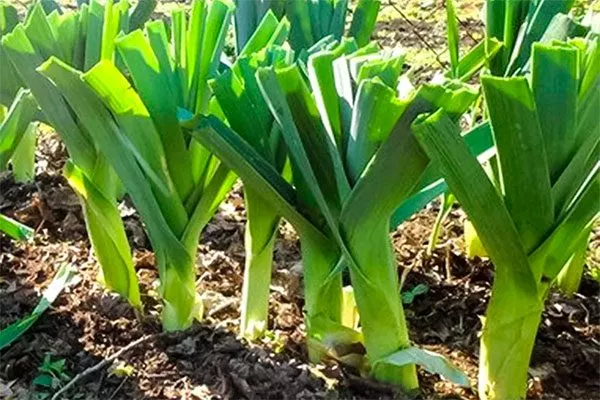
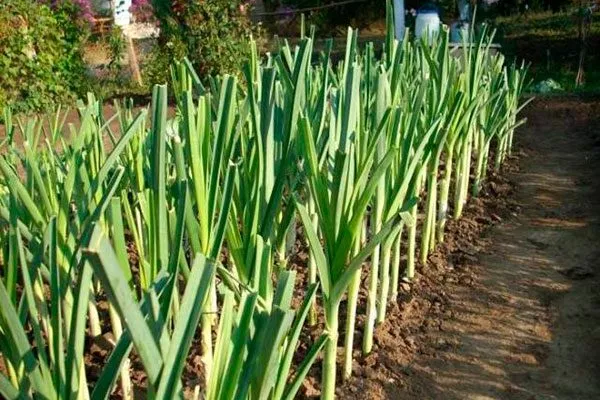
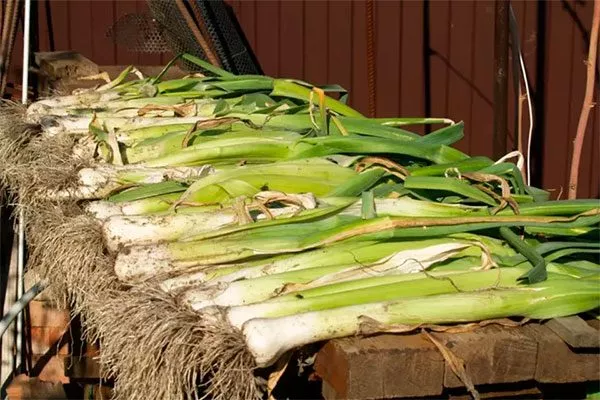
The rosette reaches a medium height of up to 100 cm and has a moderately sparse structure. The leaves are wide and dark green. The surface is covered with a waxy coating. It has a thickened, cylindrical stem.
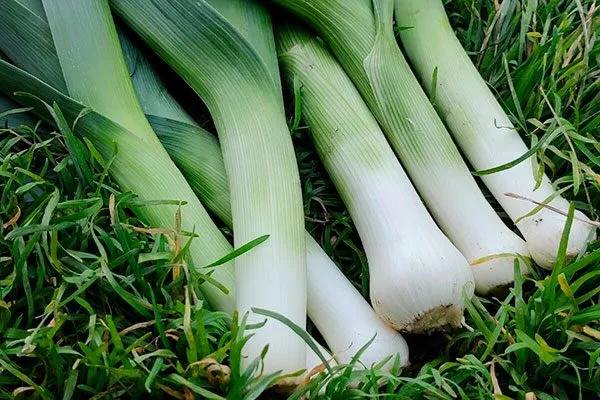
The onion weighs 205 g, but larger specimens can reach up to 325 g. It has a semi-sharp, unique flavor and a pleasant aroma. The green onion is used in salads, soups, side dishes, appetizers, and more. It is also used in canning and freezing. Both the greens and the stems are consumed.
Ripening time
It is a late-ripening variety, and the harvest is 4-5 months after the seedlings emerge en masse. The main harvesting period is from August to October.
Growing regions
The crop is unpretentious and hardy. When planted and sowed at the right times, it produces good yields in all regions of Russia, including the Urals, Siberia, and the Far East.
Productivity
The Karantansky variety is known for its high yield. When grown commercially and properly managed, it yields between 213 and 258 centners of onions per hectare. Under more modest growing conditions, growers can harvest up to 5 kg per square meter.
Soil requirements
Plant leeks in fertile, loose soil with an optimal pH level. Choose areas where legumes, potatoes, and cabbage were previously grown.
To reduce acidity, use slaked lime or wood ash. To increase acidity, add 10 kg of compost, 10 g of urea, and 20 g of nitrophoska per square meter.
Necessary climatic conditions
Grow the crop in sunny areas. It tolerates frosts down to -5…-7°C.
Growing from seeds
Grow Karantansky from seeds. In the central and northern regions, sow the seeds indoors first to obtain seedlings, which can then be transplanted into the garden. In the southern regions, sow the seeds directly into the ground.
Planting onions
Sow seeds indoors in March in light, fertile soil consisting of turf and topsoil. Follow these recommendations:
- To disinfect the soil, use several methods: steaming in a water bath to destroy pathogens, cold treatment by storing the substrate for several months in the refrigerator or outdoors at sub-zero temperatures.
- To prepare seedling containers, use containers 12-15 cm high, pre-treated with a solution of potassium permanganate for disinfection.
- Improve seed germination by pre-treating them: soak them in warm water in a thermos for 12 hours, then rinse with cold water and dry.
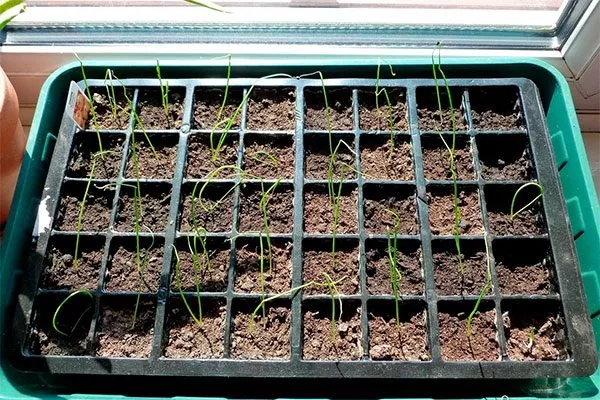
- Fill the containers with soil and water thoroughly. Make furrows 2 cm deep on the surface of the soil, then scatter the seeds every 3 cm and cover with soil.
- ✓ The optimal seed planting depth should be 1.5-2 cm, which ensures better germination.
- ✓ The soil temperature for seed germination should not be lower than +7°C, but should not exceed +20°C.
Caring for seedlings
The seedlings should be kept in a well-ventilated area to ensure air circulation. Keep the soil moderately moist to maintain optimal conditions for germination.
Leek seedlings need bright light, preferably diffused, for 10 hours a day for normal growth.
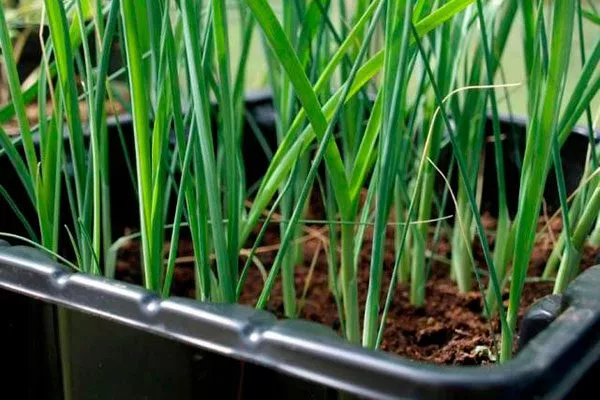
Follow certain rules:
- Maintain stable temperature conditions: around +18-20°C during the day and around +13°C at night.
- Water the plants with warm, settled water. Spray them with a spray bottle to distribute the moisture evenly.
- If daylight hours are short, install supplemental lighting to provide sufficient light.
- Place foam or drywall under the containers to prevent the roots from becoming too cold. Protect the seedlings from drafts and direct sunlight.
Six weeks after germination, begin hardening off the plants. Place them on a balcony or loggia to help them acclimate to the natural conditions more quickly, thanks to the fresh air.
Planting in open ground
Transplant Karantansky leek seedlings to open beds when they're 50-60 days old. Choose a site and prepare the soil beforehand. This work should be done in the spring after the soil has warmed up. Winter planting is also acceptable for early greens.
Choosing a location
Choose an open, sunny site away from shrubs and buildings. The plant prefers fertile, neutral soils, especially loamy ones, enriched with organic fertilizers.
In the fall, dig over the area, adding 40 g of nitrophoska complex fertilizer per square meter and 10 kg of compost. If the soil is highly acidic, add lime.
Work order
Plant the seedlings in the ground on a warm, cloudy day. Then follow these steps:
- On the plot, make furrows 5 cm deep with an interval of 30 cm between them.
- Remove the bulbs from the container, trim the roots to 4 cm, and place them in the prepared trenches. Leave approximately 15 cm between the seedlings.
- Cover the bulbs with soil and moisten well.
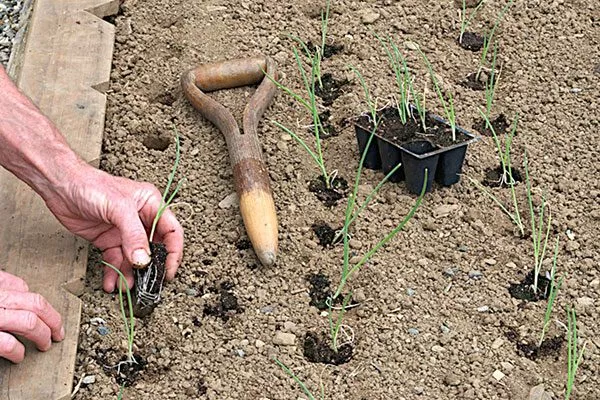
This planting method ensures proper placement and easy care of leeks, promoting their successful growth and development in the garden.
Winter planting
This crop is ideal for fall planting before winter. Prepare the site in the summer, enriching the soil with well-rotted manure or compost. In November, sow the seeds in furrows 8 cm deep, preferably in cool weather. They will begin to germinate as the weather warms, but there is a risk of frost damage.
To protect your plants, mulch them with humus or peat. After the first snowfall, cover the beds with additional snow. A deep snow cover helps slow the melting in the spring, protecting the crop from possible spring frosts.
Caring for Leeks
Caring for onions doesn't require much time or effort. Simply follow standard gardening practices:
- Watering. Do not water the onions for the first three days after planting. Then, apply 10-15 liters of water, previously settled in barrels, per square meter of the bed. Avoid stagnant water to avoid damaging the plants. When watering, avoid dripping onto the green foliage.
- Loosening and weeding. After watering, loosen the soil to speed up the absorption of moisture and nutrients. Remove weeds promptly.
- Top dressing. Apply organic and mineral fertilizers every two weeks. Apply the first fertilizer three weeks after planting the seedlings in the soil. Use a solution of urea (5 g) and potassium sulfate (3 g) per 5 liters of water. A mullein solution at a ratio of 1:10 or an infusion of chicken manure (1:15) is effective.
For a general-purpose fertilizer, use wood ash, incorporating it into the soil while loosening it. Consumption per square meter is 200 g.
Pest and disease control
Following agricultural recommendations minimizes the risk of disease and pest damage. Use both traditional and chemical remedies for prevention and control.
The Karantansky variety is rarely affected by disease, but if improperly cared for, it can be susceptible to fungal infections. Under the influence of fungus, the bulbs are destroyed and the stems begin to wilt. To protect the crops, treat the seeds and adult plants with a solution of Fitosporin.
Cleaning and storage
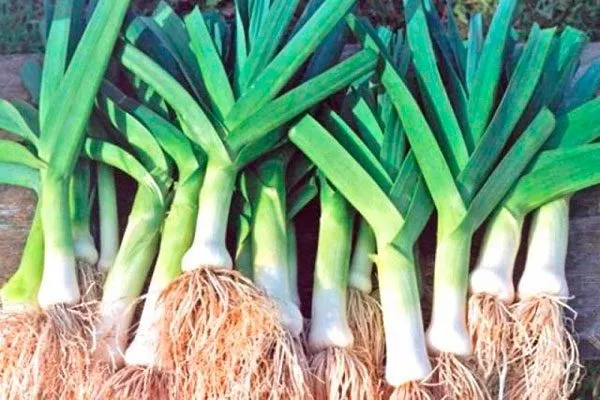
When growing leeks from seed, harvest them from August to October. Dig them in dry weather before temperatures drop below -5°C (23°F). Leave them near the garden bed to dry. Afterward, remove any clumps of soil and trim the roots. Do not remove the leaves to prevent them from drying out.
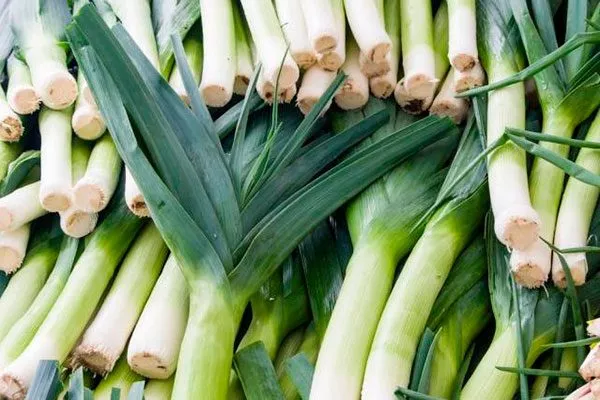
Store the harvest in boxes filled with sand, distributing it between each row. Maintain a temperature around freezing and humidity of approximately 85%. Store the harvest in a basement or cellar. When refrigerating, place it in perforated plastic bags. Under these conditions, the shelf life is 5-6 months.
What are the pros and cons?
The Karantansky variety is popular due to its unique characteristics and ease of cultivation. It is widely used by both experienced and novice gardeners. This is due to its numerous advantages:
Reviews
Carantanian onion can withstand a variety of climates and produce a stable harvest if proper cultivation practices are followed. The crop responds well to watering and fertilizing, rarely suffers from diseases, and is resistant to pests. With proper care, the plants will yield bountiful harvests.